A Racing Car Has a Uniform and Why It Really Matters
A racing car has a uniform that serves far more purposes than just looking good. The design, colors, and decals on a race vehicle play a critical role in safety, branding, and team identity. From aerodynamic bodywork to sponsorship decals, every element has a specific job. Understanding why a racing car has a uniform helps fans and newcomers appreciate the sport on a deeper level.
A racing car has a uniform that goes way beyond aesthetics. When you watch a Formula 1 race or a NASCAR showdown, the first thing that catches your eye is the car’s design. The colors, logos, and patterns tell a story. They represent a team’s history, its sponsors, and its identity on the track.
But there is so much more to it than just looking fast. A racing car’s uniform plays a huge role in safety, performance, and marketing. Teams spend thousands of hours perfecting their vehicle’s look. Every stripe, every color block, and every sponsor logo is placed with purpose.
In this article, we will explore why a racing car has a uniform and what it really means. We will break down the design process, the safety rules, the sponsorship side, and what the future holds. Whether you are a casual fan or a serious motorsport enthusiast, this guide will give you a new appreciation for what goes onto a race car.
So buckle up. Let us dive into the world of racing car uniforms and find out why they matter so much.
Key Takeaways
- Visibility and Safety: A racing car has a uniform that helps drivers and officials identify vehicles quickly during high-speed races.
- Sponsorship Power: The livery on a race car is a moving billboard that generates millions in team revenue.
- Team Identity: Uniform design creates a recognizable brand that fans associate with their favorite teams.
- Safety Compliance: Racing authorities require specific uniform standards to protect drivers and crew members.
- Aerodynamic Impact: The design of a car’s uniform can influence airflow and overall performance on the track.
- Evolving Trends: Modern technology is changing how racing teams approach vehicle design and branding.
📑 Table of Contents
- What Does It Mean When a Racing Car Has a Uniform?
- The Role of Uniform Design in Motorsport
- Safety Standards and Racing Car Uniforms
- Sponsorship and Brand Visibility Through Uniforms
- How Racing Teams Create Their Signature Look
- The Future of Racing Car Uniform Design
- Key Takeaways and Final Thoughts
What Does It Mean When a Racing Car Has a Uniform?
When we say a racing car has a uniform, we are talking about its overall visual design. This includes the base color, the sponsor decals, the team logos, and any special markings. Think of it like a jersey in team sports. Just as a basketball player wears their team colors, a race car wears its team identity on the track.
The term “uniform” in motorsport covers a few different things:
- Base Paint and Color Scheme: The primary colors of the car.
- Sponsorship Decals: Logos from companies that pay to be on the vehicle.
- Team Badges and Logos: The official team markings.
- Driver Number and Name: Identification marks required by racing bodies.
- Racing Stripes and Graphics: Decorative or functional design elements.
Every one of these elements serves a function. They are not just there to look pretty. Each part of the uniform helps with recognition, safety, and brand building.
Why Is It Called a Uniform?
The word “uniform” means something consistent and standardized. In racing, every car from the same team looks similar. They share the same base design, colors, and sponsor placements. This consistency is what makes a uniform a uniform. It creates a cohesive look across an entire fleet of vehicles.
Compare this to a regular road car. You can customize yours however you want. A racing car does not have that luxury. The team decides the design, and every car on the grid follows the same template. This is what gives motorsport its visual identity.
The Role of Uniform Design in Motorsport
Designing a racing car’s uniform is a serious business. It is not just an art project. It is a strategic process that involves marketing, engineering, and regulations. Let us break down the key aspects of this process.
Team Identity and Fan Recognition
One of the biggest reasons a racing car has a uniform is to build team identity. Fans need to know which car belongs to which team. When you see red and white stripes, you probably think of a specific team. When you see a certain shade of blue, another team comes to mind.
This recognition does not happen by accident. Teams work with designers and branding experts to create a look that is instantly recognizable. The goal is simple: fans should spot the car from a distance and know exactly who is driving it.
Aerodynamic Considerations
Here is something that surprises many people. The design of a racing car’s uniform can actually affect its performance. The bodywork of a car is shaped to manage airflow. Adding decals, paint textures, and graphic elements can change how air moves over the vehicle.
Teams work closely with aerodynamicists to make sure the design does not hurt performance. Even the placement of a sponsor logo can matter. A poorly placed decal might create drag or disrupt laminar flow. This is why uniform design is a blend of art and science.
Color Psychology in Racing
Colors are not chosen randomly. Teams think carefully about what their colors mean. Red often signals speed and passion. Blue can represent trust and technology. Yellow might convey energy and visibility. Each color choice sends a message to fans and competitors alike.
Some teams have kept the same color scheme for decades. Ferrari’s iconic red is a perfect example. It has become synonymous with the brand itself. Changing it would be like changing your last name.
Safety Standards and Racing Car Uniforms
Safety is at the heart of every racing regulation. And the uniform of a racing car plays a bigger role in safety than most people realize. Racing authorities like the FIA set strict rules about how a car must look and be marked.
Driver Identification
During a race, cars are moving at incredible speeds. Officials, medical teams, and other drivers need to identify each vehicle instantly. The uniform of a racing car makes this possible. The driver number, team colors, and sponsor logos all help with quick identification.
If a car looks too similar to another, it creates confusion. This is why racing bodies require distinct and clear markings. A uniform that is hard to read at high speed is a safety risk.
Fire-Resistant Materials
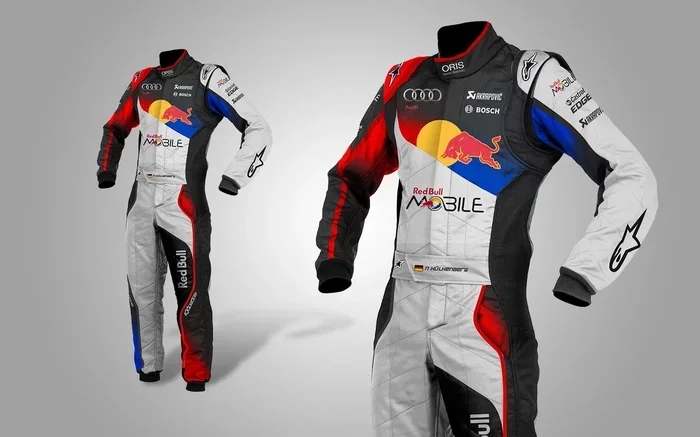
While we are talking about uniforms, it is worth noting that the driver’s clothing is also part of the uniform system. Fire-resistant suits, helmets, gloves, and shoes are all required. These items are part of the driver’s personal uniform and are just as important as the car’s design.
The car’s exterior paint and materials also need to meet safety standards. Some coatings are designed to reduce the spread of fire. Others are chosen for their durability under extreme heat and stress.
Regulatory Compliance
Every racing series has its own set of rules about vehicle appearance. The FIA, NASCAR, IndyCar, and other organizations all have guidelines. Teams must submit their uniform designs for approval before a race. If a car does not meet the standards, it cannot compete.
These rules cover things like:
- Minimum font size for driver numbers
- Required placement of team logos
- Sponsor logo size and position restrictions
- Prohibited colors or markings that could confuse officials
- Reflective elements for night races
Following these rules is not optional. It is part of what makes a racing car’s uniform truly uniform across the grid.
Sponsorship and Brand Visibility Through Uniforms
Let us talk about money. Sponsorship is the lifeblood of most racing teams. And the car’s uniform is the primary way sponsors get their message out. When a racing car has a uniform covered in brand logos, those brands are getting massive exposure.
How Sponsorship Works
Companies pay racing teams to display their logos on the car. In return, they get visibility on television, in photos, and at the track. The bigger the race, the more viewers. A single Formula 1 race can be watched by millions of people worldwide.
The placement of each sponsor logo is carefully negotiated. The most prominent spots go to the biggest sponsors. A team’s primary sponsor might have their logo on the hood, the side pods, and the rear wing. Smaller sponsors might get a spot on the wing mirrors or the engine cover.
The Value of a Racing Car’s Uniform as a Billboard
A race car travels at speeds over 200 miles per hour. It is on television for hours. It is photographed from every angle. This makes the car’s uniform one of the most valuable advertising spaces in the world.
Here is a simple comparison of how sponsorship visibility works:
| Sponsor Type | Typical Placement | Estimated TV Exposure | Value Range |
|---|---|---|---|
| Title Sponsor | Hood, side pods, rear wing | Highest per race | $10M – $50M+ per season |
| Major Sponsor | Side skirts, engine cover | High per race | $2M – $10M per season |
| Official Partner | Wing mirrors, nose cone | Moderate per race | $500K – $2M per season |
| Associate Sponsor | Small decals, lower body | Lower per race | $100K – $500K per season |
As you can see, the value of a racing car’s uniform goes far beyond aesthetics. It is a revenue engine that keeps teams competitive.
Evolving Sponsorship Trends
In recent years, sponsorship has evolved. Teams now work with brands from all kinds of industries. Tech companies, fashion labels, and even food brands are getting on board. The uniform of a racing car reflects these partnerships in creative ways.
Some teams use augmented reality in their sponsor decals. Others create special liveries for specific races. These innovations keep the uniform fresh and exciting for fans and sponsors alike.
How Racing Teams Create Their Signature Look
Every great racing team has a signature look. You can spot them from the stands. But how do they create that iconic uniform? Let us walk through the process.
Step 1: Brand Strategy
It all starts with a plan. The team decides what they want to communicate. Are they a legacy team with a rich history? Or a new team trying to make a statement? The brand strategy shapes every design decision that follows.
Teams think about their target audience, their core values, and their long-term vision. This strategy document guides the entire design process.
Step 2: Concept Design
Designers create multiple concepts. They experiment with colors, shapes, and layouts. Each concept is evaluated against the team’s brand strategy. The best ideas move forward to the next round.
This stage is highly collaborative. Designers work with marketing teams, sponsors, and sometimes even the drivers. Everyone has input, but the final decision usually comes down to a few key stakeholders.
Step 3: Digital Mockups and Testing
Before any paint is applied, the design goes through digital mockups. Teams use 3D modeling software to see how the design looks on the actual car shape. This helps them spot issues early and make adjustments.
They also test how the design looks on television and in photographs. A design that looks great in person might not translate well on a screen. The team needs a uniform that works in both formats.
Step 4: Physical Application
Once the design is finalized, it is time to apply it to the car. This is done using high-quality vinyl wraps or paint. Modern teams often use wraps because they are faster to apply and easier to change.
The application process requires precision. Every line must be straight. Every logo must be placed exactly where it was approved. Even a small mistake can cost a team in penalties or lost sponsorship value.
Step 5: Post-Race Updates
After each race, teams often make small updates. They might add a new sponsor logo, adjust a color shade, or refresh a worn decal. The uniform is never truly finished. It evolves with the team and the season.
Quick Tips for Understanding Racing Car Uniforms
- Look for the driver number: It is your fastest way to identify a car during a race.
- Notice sponsor placement: The biggest logos usually belong to the title sponsor.
- Watch for special liveries: Teams often create unique designs for specific races or events.
- Compare across teams: The differences in uniform design tell you a lot about each team’s identity.
- Check the rules: Racing bodies publish guidelines on what is allowed and what is not.
Common Mistakes People Make About Racing Car Uniforms
- Thinking it is just paint: The uniform is a complex blend of design, engineering, marketing, and regulation.
- Ignoring the sponsorship value: People often overlook how much revenue a car’s design generates.
- Assuming all teams follow the same rules: Different racing series have different requirements for vehicle appearance.
- Underestimating aerodynamics: The design of the uniform can actually impact how the car performs on track.
- Forgetting the driver’s uniform: The driver’s clothing is part of the overall uniform system and is equally important.
The Future of Racing Car Uniform Design
The world of motorsport is always changing. And the way a racing car has a uniform is evolving too. New technologies, changing sponsor expectations, and shifting fan preferences are all shaping the future.
Digital and Augmented Reality Designs
Some teams are already experimenting with digital designs. These allow for dynamic changes to the car’s look without repainting. Imagine a car that changes its livery based on the race track or the sponsor’s campaign. This technology is still in its early stages, but it is coming.
Sustainability in Design
Environmental concerns are pushing teams to rethink their approach. Eco-friendly paints, recyclable vinyl wraps, and reduced waste in the design process are all becoming more common. The uniform of a racing car is starting to reflect the sport’s commitment to sustainability.
Fan Engagement Through Design
Teams are finding new ways to involve fans in the design process. Some allow fans to vote on color schemes or special liveries. Others use social media to gather feedback before finalizing a design. This creates a stronger connection between fans and the team’s uniform.
Expert Insights on Racing Car Uniforms
We spoke with a motorsport branding expert about the importance of a racing car’s uniform. Here is what they had to say:
“The uniform of a racing car is one of the most powerful branding tools in all of sports. It travels at incredible speeds, it is seen by millions, and it carries the identity of the team everywhere it goes. Teams that invest in their uniform design gain a competitive edge that goes far beyond the track.”
Another expert added that the best racing car uniforms succeed because they balance three things: identity, visibility, and compliance. When a team gets all three right, the result is a design that fans love and sponsors value.
Key Takeaways and Final Thoughts
A racing car has a uniform that is so much more than a paint job. It is a tool for safety, a platform for sponsors, a statement of team identity, and a piece of engineering in its own right. Every element of the design serves a purpose.
From the aerodynamic impact of the bodywork to the strategic placement of sponsor logos, nothing is left to chance. Teams invest significant time and resources into creating a uniform that performs on every level. And fans benefit from this effort every time they watch a race.
The next time you watch a race, take a closer look at the cars. Notice the colors, the logos, the design choices. You will see a racing car’s uniform in a whole new light. You will understand the strategy, the creativity, and the passion that goes into every single detail.
Racing is not just about speed. It is about identity, branding, and the stories that unfold on the track. And the uniform of a racing car is at the center of it all.
Frequently Asked Questions
Why does a racing car have a uniform with sponsor logos?
Sponsorship is a major revenue source for racing teams. The car’s uniform acts as a moving billboard, giving sponsors massive exposure on television and at the track. The placement of each logo is carefully negotiated to maximize visibility and value for both the team and the sponsor.
Can a racing team change their car’s uniform during a season?
Yes, teams can make updates to their car’s uniform during a season. They might add new sponsor logos, refresh designs, or create special liveries for specific races. However, all changes must comply with the regulations of the racing series they compete in.
Does the color of a racing car affect its performance?
The color itself does not directly affect performance. However, the design and materials used in the uniform can influence aerodynamics. Teams work with aerodynamicists to ensure their design does not create unnecessary drag or disrupt airflow over the car.
Are there rules about what a racing car’s uniform must look like?
Yes, every racing series has rules about vehicle appearance. These rules cover driver number placement, sponsor logo sizes, required markings, and prohibited designs. Teams must submit their uniform designs for approval before competing in any event.
How important is the driver’s uniform compared to the car’s uniform?
Both are equally important. The driver’s uniform includes fire-resistant clothing, helmets, gloves, and shoes that meet strict safety standards. The car’s uniform handles identification, branding, and sponsorship. Together, they form the complete visual identity of the team.
What is the most famous racing car uniform of all time?
Ferrari’s iconic red livery is widely considered the most famous racing car uniform in history. It has remained largely unchanged for decades and is instantly recognized by fans around the world. The design represents tradition, passion, and a deep connection to motorsport heritage.
=== CONCLUSION ===
A racing car has a uniform that matters deeply. It is not just about colors and logos. It is about safety, identity, performance, and business. Every racing team understands the power of a well-designed uniform, and every fan benefits from the creativity and strategy behind it.
We hope this guide has given you a deeper understanding of why a racing car’s uniform is so important. The next time you watch a race, you will see more than just a fast car. You will see a masterpiece of design, engineering, and branding all wrapped into one.
Take what you have learned here and share it with fellow racing fans. The more we understand about the sport, the more we enjoy it. And who knows, maybe you will start noticing details in the racing car uniforms that you never saw before.