How Long Does It Take for an Engine Light to Reset
The time it takes for an engine light to reset depends on several factors, including your car model, the reason the light came on, and the method you use. In most cases, a check engine light will turn off after 10 to 50 ignition cycles if the problem has been fixed. Using an OBD-II scanner can clear the code instantly, but the light may return if the underlying issue is not resolved. This guide covers every method, timeline, and common mistake so you know exactly what to expect.
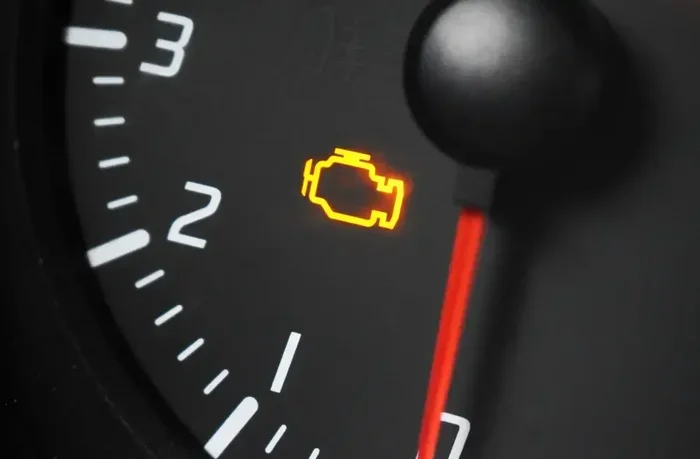
That little yellow or orange light on your dashboard shows up out of nowhere, and suddenly your mind starts racing. You wonder what went wrong, how much it will cost, and most importantly, how long you have to wait before it goes away. If you have ever asked yourself, how long does it take for an engine light to reset, you are not alone.
Thousands of drivers face this question every single week. The answer is not as simple as a single number. It depends on your car, the reason the light came on, and the method you use to reset it. Some drivers see the light disappear in minutes. Others wait days and wonder if something is seriously wrong. This guide breaks down everything you need to know about the check engine light reset process, including timelines, methods, and common mistakes to avoid.
Whether your dashboard warning light is flashing or steady, understanding the reset timeline helps you make smart decisions. You will learn how diagnostic trouble codes work, what each reset method involves, and when to seek professional help. Let us walk through it together.
Key Takeaways
- Reset Time Varies: It can take anywhere from a few minutes to several days for a check engine light to fully reset.
- Fix the Root Cause First: The light will come back if the real problem is not fixed, no matter which reset method you use.
- OBD-II Scanner Is Fastest: A diagnostic scanner can clear fault codes in under five minutes.
- Battery Disconnect Works: Disconnecting the battery for 15 to 30 minutes often resets the dashboard indicator.
- Driving Cycles Matter: Most cars need 10 to 50 complete ignition cycles before the system clears the code on its own.
- Watch for Return Trips: If the light returns after resetting, schedule a vehicle diagnostic right away.
📑 Table of Contents
- What Triggers the Check Engine Light
- How Long Does It Take for an Engine Light to Reset
- Step-by-Step Guide to Resetting the Engine Light
- Factors That Affect Reset Time
- When to See a Professional
- Common Mistakes People Make When Resetting the Engine Light
- How the OBD-II System Works
- Quick Tips for a Successful Reset
- Can You Prevent the Check Engine Light from Coming On?
- Final Thoughts on Engine Light Reset Timelines
What Triggers the Check Engine Light
Before you can understand how long a reset takes, you need to know why the light turns on in the first place. The check engine light is part of your car’s onboard diagnostics system. This system is called OBD-II in most vehicles made after 1996. It monitors dozens of sensors and components in real time.
When the engine control module (ECM) detects something outside normal range, it stores a fault code and turns on the warning light. The light does not care whether the issue is minor or serious. It simply alerts you that something needs attention.
Common Reasons the Light Comes On
- Loose or damaged gas cap: This is the most common and easiest fix. A loose cap lets fuel vapors escape, triggering the emission system warning.
- Faulty oxygen sensor: The sensor measures unburned oxygen in the exhaust. When it fails, fuel efficiency drops and the light comes on.
- Catalytic converter issues: A failing converter is a more serious problem that needs immediate attention.
- Spark plug or ignition coil problems: Misfires caused by worn spark plugs can activate the engine warning light.
- Mass airflow sensor failure: This sensor measures the air entering the engine. Dirt or damage can cause it to malfunction.
- EVAP system leak: The evaporative emission control system traps fuel vapors. A small leak can trigger the code.
Each of these issues produces a specific diagnostic trouble code, or DTC. A mechanic or DIYer can read these codes using an OBD-II scanner. Knowing the code helps you understand whether the problem is urgent or minor.
How Long Does It Take for an Engine Light to Reset
Now for the question you came here to answer. The reset timeline depends entirely on the method you choose and whether the underlying problem has been fixed. There is no single universal answer, but here are the most common scenarios.
Reset Timeline by Method
Different methods produce different results. Some clear the light immediately, while others require patience and multiple driving cycles.
- OBD-II Scanner Reset: This is the fastest method. Once you plug in the scanner and clear the code, the light turns off instantly. However, if the problem still exists, the light may return within a few minutes or miles of driving.
- Battery Disconnect Method: Disconnect the negative battery terminal and wait 15 to 30 minutes. Reconnect it, and the dashboard indicator should be off. This method also resets other settings like radio presets and clock.
- Ignition Cycle Method: Simply turning the car on and off 10 to 50 times can sometimes clear a minor code. The car’s computer needs to complete several full cycles to re-evaluate all systems.
- Drive Cycle Method: After fixing the problem, driving the car for a specific pattern of acceleration, idling, and cruising can clear the code. Most vehicles need 50 to 100 miles of varied driving.
Why the Light Sometimes Comes Back
Here is something many drivers do not expect. You reset the check engine light, drive for a few miles, and it comes right back. This happens because the engine control module runs continuous monitors. If the original problem is still present, the ECM will detect it again and turn the light back on.
Sometimes the light returns after a few days. Other times it takes a week of normal driving. The key point is this: if the light keeps coming back, the root cause has not been fully addressed. In that case, you should get a free diagnostic for your car at a local auto parts store or mechanic shop.
Step-by-Step Guide to Resetting the Engine Light
Ready to try resetting the light yourself? Follow these steps carefully. Each method is simple, but you need to be precise to get the best results.
Method 1: Using an OBD-II Scanner
This is the most reliable and fastest method. Here is how to do it.
- Locate the OBD-II port under your dashboard, usually on the driver’s side.
- Plug the scanner into the port. The port is a 16-pin connector that looks like a trapezoid.
- Turn the ignition to the “On” position without starting the engine.
- Follow the scanner’s prompts to read the stored fault codes.
- Write down the codes so you can research them later.
- Select the option to clear or erase the codes.
- Turn the ignition off, then restart the engine.
- Check if the warning light has turned off.
Scanners range from basic code readers for under $30 to advanced diagnostic tools that cost several hundred dollars. For most drivers, a basic OBD-II scanner is all you need. You can also visit many auto parts stores like AutoZone or O’Reilly, where they will read and clear codes for free.
Method 2: Disconnecting the Battery
This method works well when you do not have a scanner handy. It also resets all the car’s adaptive learning values, which can sometimes help with rough idle or hesitation issues.
- Turn off the engine and remove the key from the ignition.
- Open the hood and locate the battery.
- Using a wrench, loosen the negative (black) terminal clamp.
- Disconnect the cable and move it away from the battery post.
- Wait at least 15 minutes. Some experts recommend waiting up to 30 minutes for a full reset.
- Reconnect the negative cable and tighten the clamp.
- Start the engine and check the dashboard.
Keep in mind that disconnecting the battery will also reset your radio presets, power windows, and in some vehicles, the clock. You may need to reprogram certain features after reconnecting.
Method 3: The Ignition Cycle Trick
This method does not require any tools. It works by forcing the car’s computer to complete a full diagnostic cycle.
- Turn the ignition key to the “On” position and wait three seconds.
- Turn the key back to the “Off” position and wait three seconds.
- Repeat this on-off cycle five to ten times.
- On the final cycle, turn the key to “On” and leave it there.
- Check if the check engine symbol is off.
This method works best for minor codes like a loose gas cap. For deeper issues, it may not be effective. The car’s computer needs to see that the problem is truly resolved before it clears the code permanently.
Factors That Affect Reset Time
Not all resets happen at the same speed. Several factors influence how long it takes for the engine light to go off after you clear the code.
Car Make and Model
Different vehicles have different reset procedures. Some cars clear codes after just a few ignition cycles. Others need 30 or more cycles before the ECM fully erases the stored data. Luxury brands and European models tend to have more complex systems that take longer to reset.
Severity of the Original Problem
A minor issue like a loose gas cap resets quickly. A serious problem like a misfire or catalytic converter failure takes longer to clear, even after the repair is complete. The engine control module runs specific monitors for each system. Each monitor needs to pass before the code is fully erased.
Whether the Problem Was Actually Fixed
This is the most important factor of all. If you reset the light but the problem persists, the dashboard indicator will come back. Always diagnose and fix the root cause before attempting a reset. Otherwise, you are just masking the problem, which can lead to bigger issues down the road.
Driving Conditions After Reset
After clearing a code, you need to drive under varied conditions for the computer to run all its self-tests. Highway driving, city stop-and-go, idling, and cold starts all count as different test conditions. If you only drive short distances, the monitors may not complete, and the light could return.
When to See a Professional
Resetting the check engine light on your own works great for minor issues. But there are times when you should leave it to the professionals. Here are clear signs that you need expert help.
- The light is flashing: A flashing engine warning light usually indicates a severe misfire that can damage the catalytic converter. Stop driving and get towed if needed.
- You have multiple fault codes: Several codes at once can point to a complex electrical or system-wide problem.
- The light keeps returning: If you reset the light and it comes back within a day or two, there is an unresolved issue that needs proper diagnosis.
- You notice other symptoms: Rough idle, loss of power, strange noises, or poor fuel economy alongside the light are all red flags.
- You recently had work done: If the light appeared after a repair, the mechanic may have missed something.
If you are unsure about any of these situations, it is always better to be safe than sorry. A professional diagnostic scan can pinpoint the exact cause and save you from costly mistakes. Many local shops offer affordable diagnostic services, and some even provide free code reads.
Common Mistakes People Make When Resetting the Engine Light
Avoiding these mistakes can save you time, money, and frustration. Here are the most common errors drivers make when trying to reset their check engine light.
Resetting Without Fixing the Problem
This is the number one mistake people make. Clearing the code does not fix anything. It just hides the warning. The problem still exists, and the light will return. Worse, continuing to drive with an unresolved issue can cause additional damage and more expensive repairs.
Using the Wrong Reset Method
Not all methods work for all vehicles. Some newer cars require a professional-grade scanner to clear codes. Disconnecting the battery on certain models can also reset important adaptive settings that affect transmission shifting and idle quality. Always check your owner’s manual before attempting a reset.
Ignoring the Code Before Resetting
Many people plug in a scanner, clear the code, and drive away without ever reading what the code means. This is a missed opportunity. The fault code tells you exactly what system is affected. Reading the code first helps you understand whether the issue is something you can handle yourself or if you need a mechanic.
Not Completing a Full Drive Cycle
After fixing the problem and clearing the code, you need to complete a full drive cycle. This means driving under various conditions so the ECM can run all its monitors. Skipping this step means the system has not fully verified that the fix worked, and the light may return.
Assuming the Light Is Off Means Everything Is Fine
A dark dashboard does not always mean the problem is gone. Sometimes the check engine symbol stays off temporarily even though the fault code is still stored in the ECM memory. The best practice is to have a professional scan the system after a reset to confirm all codes are truly cleared.
How the OBD-II System Works
Understanding how the onboard diagnostics system works helps you appreciate why resets take time. The OBD-II system is essentially the brain of your car’s emissions and engine management systems. It constantly monitors sensors and compares readings against factory specifications.
When a reading falls outside the acceptable range for a specific number of cycles, the ECM stores a fault code and illuminates the check engine light. The system is designed to catch problems early, often before you notice any symptoms while driving. This is why the engine warning light is such a valuable tool for early detection of issues.
After a repair, the ECM needs time to verify that the fix worked. It does this by running what are called “monitors.” Each monitor tests a specific system. The oxygen sensor monitor, the catalyst monitor, the EVAP monitor, and the misfire monitor are among the most common. Until all relevant monitors complete their tests and pass, the system may keep the code stored or turn the light back on.
This is why patience matters after a reset. You cannot rush the diagnostic process. The car needs time and varied driving conditions to complete its self-checks. Rushing the process is one of the main reasons drivers see the light return shortly after resetting it.
Quick Tips for a Successful Reset
- Always fix the root cause before attempting any reset.
- Use a quality OBD-II scanner that supports your vehicle’s make and model.
- Write down the fault codes before clearing them so you can reference them later.
- Complete a full drive cycle after resetting to allow the ECM to run all monitors.
- If the light returns, do not keep resetting it. Get a proper diagnosis.
- Keep your gas cap tight after every fill-up to prevent EVAP-related codes.
- Check for recalls or technical service bulletins for your vehicle if the light comes on for no obvious reason.
These simple habits can prevent many dashboard warning light issues from occurring in the first place. Regular maintenance and prompt attention to warning signs keep your car running smoothly and help you avoid unexpected breakdowns.
Can You Prevent the Check Engine Light from Coming On?
While you cannot prevent every issue, there are steps you can take to reduce the chances of seeing that dreaded check engine symbol on your dash.
- Check your gas cap regularly: Make sure it clicks at least three times after each fill-up.
- Keep up with scheduled maintenance: Regular oil changes, spark plug replacements, and air filter changes prevent many common issues.
- Address small problems early: A minor sensor issue today can become a major repair tomorrow if ignored.
- Use quality fuel: Low-quality or contaminated fuel can trigger emission-related codes.
- Pay attention to early warning signs: Rough idle, decreased fuel economy, or unusual sounds are all signals that something may be wrong.
If you ever find yourself dealing with a persistent engine warning light, remember that getting it checked early almost always saves money. A small repair today can prevent a costly breakdown tomorrow.
Final Thoughts on Engine Light Reset Timelines
So, how long does it really take for an engine light to reset? The honest answer is: it depends. For a simple fix like tightening a gas cap, the light may turn off within a few ignition cycles. For a more complex issue that required a sensor replacement or repair, you may need to drive 50 to 100 miles before the system fully clears the code.
The fastest way to reset the light is with an OBD-II scanner, which clears codes instantly. But the smartest approach is to fix the problem first, clear the code, and then give your car time to complete its self-tests. Rushing the process almost always leads to the light coming back.
Remember, the check engine light exists to protect your car and keep you safe on the road. Ignoring it or simply resetting it without addressing the cause can lead to bigger problems and more expensive repairs. Take the time to understand what the light is telling you, and you will be a smarter, more confident driver.
If you are ever unsure about what your dashboard indicator means, do not hesitate to seek professional help. A quick diagnostic scan can give you peace of mind and keep your car running at its best for years to come.
Frequently Asked Questions
Can I drive my car with the check engine light on?
If the light is steady and your car is running normally, you can usually drive a short distance to get it checked. However, if the light is flashing, you should stop driving immediately and seek help. A flashing light often signals a serious misfire that can cause engine damage.
Will disconnecting the battery reset the check engine light permanently?
Disconnecting the battery usually clears the code and turns off the light temporarily. But if the underlying problem is not fixed, the light will return once the car’s computer relearns the fault during normal driving.
How much does it cost to get a check engine light diagnosed?
Many auto parts stores offer free diagnostic scans. If you visit a mechanic, the diagnostic fee typically ranges from $50 to $150 depending on your location and the shop’s rates.
Can a loose gas cap cause the check engine light to come on?
Yes, a loose or damaged gas cap is one of the most common reasons the check engine light turns on. It allows fuel vapors to escape from the tank, which triggers the EVAP system code. Tightening or replacing the cap often resolves the issue quickly.
How many ignition cycles does it take for the check engine light to reset?
Most vehicles require between 10 and 50 ignition cycles for the engine control module to clear a fault code on its own. An ignition cycle means turning the car from off to on and back to off.
What is the difference between a steady and flashing check engine light?
A steady light usually indicates a non-emergency issue like a loose gas cap or minor sensor fault. A flashing light is more serious and often signals an active misfire that can damage the catalytic converter. A flashing light requires immediate attention.
=== CONCLUSION ===
Understanding how long it takes for an engine light to reset empowers you as a car owner. You now know that the timeline depends on the reset method, the severity of the issue, and whether the root cause has been fixed. From using an OBD-II scanner to disconnecting the battery, each method has its own timeline and set of considerations.
The most important takeaway is this: always fix the problem before resetting the light. Clearing the code without addressing the cause is a temporary fix at best and a costly mistake at worst. Take the time to read your fault codes, complete a proper drive cycle, and monitor your dashboard warning light after the reset.
If you are ever in doubt, do not hesitate to seek professional help. A trusted mechanic or a quick free diagnostic scan can save you from guessing and keep your car running safely. Stay proactive, stay informed, and your car will reward you with reliable performance for miles to come.