How Expensive Is It To Replace Motor Mounts?
The motor mount replacement cost typically ranges from $200 to $600 per mount, with most drivers paying between $400 and $1,000 total for all mounts. The final price depends on your vehicle type, the number of mounts, labor rates in your area, and whether you choose OEM or aftermarket parts. Catching bad motor mount symptoms early can prevent costly secondary damage to your engine and drivetrain.
Key Takeaways
- Average Cost Range: Motor mount replacement cost runs from $200 to $600 per mount, with total jobs typically landing between $400 and $1,000.
- Vehicle Type Matters: Luxury, performance, and truck engines cost significantly more to service due to complex engine bay access.
- Driving on Bad Motor Mounts Is Risky: It can cause further engine damage, drivetrain issues, and even safety hazards.
- Aftermarket Parts Save Money: Quality aftermarket motor mounts can cut parts costs by 30 to 50 percent compared to OEM options.
- DIY Is Possible for Experienced Mechanics: If you have the right tools and space, you can save on labor costs entirely.
- Preventive Maintenance Helps: Regular inspections and avoiding aggressive driving extend motor mount lifespan significantly.
📑 Table of Contents
- How Expensive Is It to Replace Motor Mounts?
- What Are Motor Mounts and Why Do They Matter?
- Common Symptoms of Worn Motor Mounts
- How Much Does It Cost to Replace Motor Mounts?
- Factors That Affect Motor Mount Replacement Cost
- Can You Drive With Bad Motor Mounts?
- DIY vs Professional Replacement
- How to Prevent Motor Mount Failure
- When Should You Replace All Motor Mounts at Once?
- Final Thoughts on Motor Mount Replacement Cost
How Expensive Is It to Replace Motor Mounts?
If you have noticed a loud bang when you shift gears or excessive engine vibration, your motor mounts might be failing. The motor mount replacement cost is a common concern for car owners, and the answer is not always straightforward. Several factors determine the final bill, from your vehicle make and model to the type of mounts your car uses.
This guide breaks down everything you need to know about how expensive it is to replace motor mounts. We will walk through average costs, what drives those prices up or down, and how to decide between a DIY approach and hiring a professional. By the end, you will have a clear picture of what to expect and how to make the best decision for your wallet and your vehicle.
What Are Motor Mounts and Why Do They Matter?
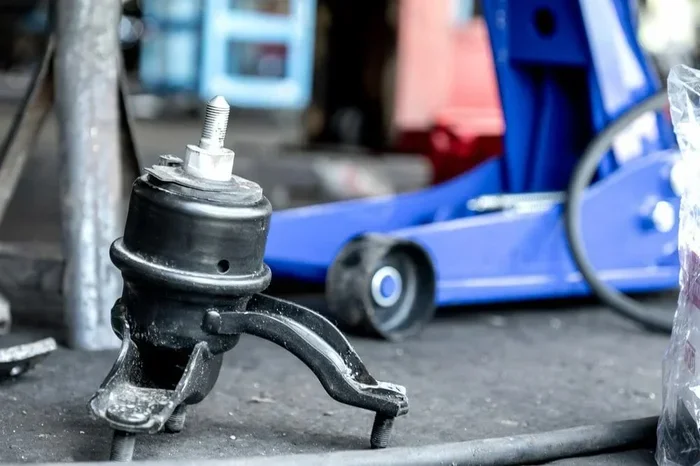
Motor mounts are the rubber and metal brackets that hold your engine in place inside the engine bay. They act as a cushion between the engine and the car frame. Without them, every vibration from the engine would shake the entire vehicle. Over time, these mounts wear out, crack, or even break completely.
Most vehicles have three to four motor mounts. Some performance cars and trucks have more. The type of motor mount your car uses plays a big role in the overall motor mount replacement cost. Let us look at the common types you will encounter.
Rubber Motor Mounts
Rubber motor mounts are the most common type found in everyday passenger vehicles. They use rubber blocks sandwiched between metal plates. These mounts absorb engine vibrations effectively and keep your ride smooth. They are also the most affordable to replace, which keeps the motor mount replacement cost on the lower end of the spectrum.
Hydraulic Motor Mounts
Hydraulic motor mounts contain fluid inside a sealed chamber. They are excellent at dampening vibrations, especially at idle. You will often find these on luxury vehicles and premium sedans. When a hydraulic mount fails, the motor mount replacement cost goes up because the parts themselves are more expensive and harder to source.
Active Motor Mounts
Active motor mounts use electronic sensors and actuators to adjust stiffness in real time. These are found in high-end vehicles and modern performance cars. Replacing an active motor mount can be the most expensive option because of the advanced technology involved. The motor mount replacement cost for these mounts can easily double compared to standard rubber mounts.
Common Symptoms of Worn Motor Mounts
Identifying bad motor mount symptoms early can save you from a much bigger repair bill down the road. Here are the most common signs that your motor mounts are wearing out.
- Excessive Engine Vibration: You feel a strong vibration coming from the engine bay, especially at idle or when stopped at a traffic light.
- Loud Banging Noises: A heavy clunk or bang when you shift from park to drive or reverse. This happens because the engine moves too much.
- Engine Movement Visible: In some cases, you can actually see the engine leaning or shifting when you accelerate hard.
- Drivetrain Shudder: A vibration that runs through the chassis during acceleration or at steady highway speeds.
- Misaligned Engine: The engine sits at an unusual angle or sits lower on one side than the other.
If you are experiencing any of these symptoms, it is important to get your vehicle inspected promptly. Ignoring bad motor mounts can lead to secondary damage. For example, excessive engine movement can strain wiring, hoses, and even the exhaust system. If you are unsure whether your symptoms are related to motor mounts, checking how your vehicle handles when it car won’t start and no noise what it means can help rule out related engine issues.
How Much Does It Cost to Replace Motor Mounts?
The motor mount replacement cost varies widely depending on several factors. Below is a general breakdown of what you can expect to pay.
| Vehicle Type | Number of Mounts | Parts Cost Per Mount | Labor Cost Total | Estimated Total Cost |
|---|---|---|---|---|
| Compact Sedan | 3 to 4 | $50 – $100 | $200 – $400 | $350 – $700 |
| Mid-Size SUV | 3 to 4 | $75 – $150 | $300 – $500 | $500 – $1,000 |
| Full-Size Truck | 4 to 6 | $100 – $250 | $400 – $700 | $700 – $1,500 |
| Luxury Vehicle | 3 to 4 | $150 – $400 | $500 – $800 | $1,000 – $2,000 |
| Performance Car | 4 to 5 | $200 – $500 | $600 – $1,000 | $1,200 – $2,500 |
These numbers give you a solid range to work with. Keep in mind that prices can vary based on your location and the specific repair shop you choose. Labor rates in urban areas tend to be higher than in rural areas. A dealership will also charge more than an independent mechanic in most cases.
It is also worth noting that some vehicles are more difficult to access the motor mounts on. Engines that are tightly packed in the engine bay require more disassembly, which drives up labor time and cost. If you are dealing with a tight engine bay situation, you might also want to check whether can I drive if my AWD light is on, since drivetrain warning lights can sometimes be connected to mount-related issues.
Cost Breakdown by Mount Type
The type of motor mount your vehicle uses is one of the biggest cost drivers. Here is a closer look at how mount type affects the price.
- Rubber Mounts: The most budget-friendly option. Parts are widely available and easy to install. Total replacement cost for a standard sedan usually falls between $350 and $700.
- Hydraulic Mounts: More expensive due to the fluid-filled design. Expect to pay $100 to $300 per part. Total cost for a full set replacement can reach $800 to $1,500.
- Active Mounts: The priciest option. Electronic components add significant cost. A single active mount replacement can cost $400 to $800 or more.
Factors That Affect Motor Mount Replacement Cost
Not all motor mount replacements cost the same. Several key factors influence the final price you will pay. Understanding these factors helps you anticipate costs and avoid surprises.
Vehicle Make and Model
The make and model of your vehicle has a huge impact on the motor mount replacement cost. Common economy cars like the Honda Civic or Toyota Corolla have readily available parts and straightforward access to the mounts. This keeps both parts and labor costs low. On the other hand, luxury brands like BMW, Mercedes, or Audi use specialized mounts that cost more and require more labor time to replace.
Number of Mounts to Replace
Some drivers replace only the one failed mount, while others choose to replace all mounts at once. Replacing all mounts simultaneously costs more upfront but can save you money on labor in the long run. If one mount has failed, the others are likely not far behind. Many mechanics recommend replacing all mounts in a single service visit.
OEM vs Aftermarket Parts
OEM (Original Equipment Manufacturer) parts are made by the same company that supplied parts to the automaker. They match the factory specifications exactly. Aftermarket parts are made by third-party manufacturers and are often significantly cheaper. The motor mount replacement cost with aftermarket parts can be 30 to 50 percent lower than using OEM parts.
Quality aftermarket mounts from reputable brands like Energy Suspension or Rein Automotive offer excellent durability. However, cheap aftermarket parts from unknown brands may wear out faster and cost you more in the long run.
Labor Rates in Your Area
Where you live directly affects how much you pay for labor. Mechanics in major cities charge higher hourly rates than those in smaller towns. The complexity of the job also matters. Some vehicles require removing the intake manifold, exhaust system, or other components to access the motor mounts. More labor hours means a higher bill.
Can You Drive With Bad Motor Mounts?
This is one of the most common questions car owners ask, and the answer is more nuanced than a simple yes or no. You can technically drive a short distance with a failed motor mount, but doing so carries real risks.
Bad motor mounts allow the engine to move excessively in the engine bay. This extra movement can damage hoses, wiring, and other components that connect to the engine. In severe cases, the engine can shift enough to interfere with the throttle linkage or brake lines. That is why it is important to address mount failure promptly.
Some drivers wonder whether it is safe to keep driving while they save up for the repair. If you must drive a short distance, do so gently. Avoid hard acceleration and sharp turns. However, if the engine is visibly moving or making loud noises, you should have the vehicle towed rather than risk further damage.
For those dealing with engine-related drivability concerns alongside mount issues, it is also worth understanding what happens when a car won’t start right after turning it off, as overheating and mount failure can sometimes share overlapping symptoms.
Risks of Driving on Damaged Motor Mounts
- Exhaust System Damage: A shifted engine can crack the exhaust manifold or break exhaust hangers.
- Coolant Leak: The radiator and coolant lines can be stressed by excessive engine movement.
- Transmission Damage: Transmission mounts often sit near engine mounts, and engine shifting can affect alignment.
- Safety Hazard: In extreme cases, a badly shifted engine can interfere with steering or braking components.
If you suspect your motor mounts are failing, it is best to get them inspected and replaced as soon as possible. The motor mount replacement cost is far less than the cost of repairing secondary damage caused by continued driving on worn mounts.
DIY vs Professional Replacement
Deciding whether to tackle motor mount replacement yourself or hire a professional is a major decision that affects both cost and quality.
DIY Replacement
Replacing motor mounts yourself can save you a significant amount of money. Labor typically accounts for 40 to 60 percent of the total motor mount replacement cost. By doing the work yourself, you eliminate that cost entirely. You will need basic tools including a jack, jack stands, wrenches, and a pry bar. Some vehicles also require an engine support bar to safely remove and access the mounts.
However, DIY replacement is not for everyone. The job can be physically demanding and requires working in a tight engine bay. If you are not experienced with engine work, you risk damaging other components or installing the mounts incorrectly. A poorly installed motor mount can cause the same symptoms as a worn one, defeating the purpose of the repair.
Professional Replacement
Having a professional replace your motor mounts ensures the job is done correctly and safely. A qualified mechanic has the experience, tools, and lift equipment to access the mounts efficiently. Most independent shops offer competitive labor rates, and many provide a warranty on both parts and labor.
When choosing a shop, always ask for a detailed estimate before work begins. A good shop will break down the parts cost and labor cost separately. This transparency helps you understand exactly what you are paying for and where you might be able to save money.
How to Prevent Motor Mount Failure
While motor mounts do wear out over time, there are steps you can take to extend their lifespan and avoid premature failure.
Drive Smoothly
Aggressive driving puts extra stress on motor mounts. Hard launches, sudden braking, and revving the engine while it is cold all accelerate wear. Smooth, gradual acceleration and braking reduce the forces that the mounts must absorb.
Maintain Your Cooling System
Engine overheating can damage motor mounts. When the engine runs too hot, the rubber components in the mounts degrade faster. Keeping your cooling system in good shape with regular coolant flushes and temperature gauge monitoring helps protect your mounts. If you ever notice your temperature gauge climbing, pull over safely and let the engine cool down rather than continuing to drive.
Check Mounts During Regular Maintenance
Ask your mechanic to inspect the motor mounts during every oil change or major service. Catching early signs of wear, such as small cracks in the rubber or slight fluid leaks from hydraulic mounts, allows you to address the problem before it becomes expensive. Early intervention keeps the motor mount replacement cost lower because you only need to replace one mount instead of several.
Avoid Overloading Your Vehicle
Carrying heavy loads beyond your vehicle’s rated capacity puts additional stress on the engine and its mounts. If you frequently haul heavy cargo or tow a trailer, consider upgrading to heavy-duty motor mounts designed for the extra load.
When Should You Replace All Motor Mounts at Once?
Many experienced mechanics recommend replacing all motor mounts at the same time, even if only one has visibly failed. Here is why this approach makes sense.
- Uniform Wear: Motor mounts on the same vehicle typically wear at a similar rate. If one is bad, the others are likely close to failing too.
- Single Labor Visit: Replacing all mounts in one visit saves you from paying labor costs multiple times. The motor mount replacement cost for labor is the same whether you replace one mount or four.
- Better Ride Quality: Replacing all mounts restores the vehicle to its original smoothness and reduces vibration across the board.
- Prevents Cascading Damage: A failing mount puts extra stress on the remaining mounts. Replacing them all prevents a chain reaction of failures.
The trade-off is the higher upfront cost. But for most drivers, the long-term savings and peace of mind are worth it.
Final Thoughts on Motor Mount Replacement Cost
The motor mount replacement cost is a repair that most car owners will face at some point during their vehicle’s life. Whether you are looking at a $400 fix for a compact sedan or a $2,000 job for a luxury performance car, understanding what drives the cost helps you make informed decisions. The key is to act quickly when you notice symptoms of worn mounts. Delaying the repair almost always leads to more expensive problems down the road.
Start by getting a detailed estimate from a trusted mechanic. Ask about the type of mounts your vehicle uses and whether aftermarket parts are a viable option. If you have the skills and tools, DIY replacement can save you a substantial amount. But no matter which route you choose, the most important step is simply getting the repair done. Your engine, your drivetrain, and your wallet will all thank you in the long run.
Taking care of your motor mounts is a small investment that pays big dividends in ride comfort, vehicle reliability, and long-term safety. Do not let the motor mount replacement cost scare you into postponing a needed repair. Use the information in this guide to budget confidently and make the best choice for your vehicle and your budget.
Frequently Asked Questions
How long does it take to replace motor mounts?
Most motor mount replacements take between one and three hours at a repair shop. The exact time depends on your vehicle model, how many mounts are being replaced, and how easily accessible they are. Some vehicles have mounts that are tucked deep in the engine bay and require more disassembly, which adds time to the job.
Can I drive my car with a broken motor mount?
You can drive a short distance with a broken motor mount, but it is not recommended. A failed mount allows the engine to shift excessively, which can damage hoses, wiring, and other components. If you must drive, do so gently and avoid hard acceleration. Better yet, have the vehicle towed to a repair shop to prevent further damage.
How often do motor mounts need to be replaced?
Motor mounts typically last between 60,000 and 100,000 miles, but this varies based on driving habits and vehicle type. Aggressive driving, frequent towing, and regular overloading can shorten mount lifespan significantly. Routine inspections during oil changes help catch wear early.
Are aftermarket motor mounts worth it?
Yes, quality aftermarket motor mounts from reputable brands offer excellent durability at a lower price than OEM parts. They can reduce the total motor mount replacement cost by 30 to 50 percent. Just avoid cheap, no-name brands that may wear out quickly and cost you more in the long run.
What happens if you don’t replace bad motor mounts?
Ignoring bad motor mounts can lead to serious secondary damage. Excessive engine movement can crack the exhaust manifold, damage coolant lines, stress the transmission, and even interfere with steering and braking components. The repair bill for that secondary damage will far exceed the original motor mount replacement cost.
Is motor mount replacement covered by warranty?
Some newer vehicles have drivetrain warranties that cover motor mount replacement. However, many warranties exclude wear items like rubber and hydraulic mounts. Check your specific warranty terms or speak with your dealer to confirm coverage. Extended warranties from third-party providers may also cover mount replacement depending on the plan.