What Is a Full Diagnostic on a Car and Why It Matters
A full diagnostic on a car is a comprehensive check of your vehicle’s computer systems, sensors, and components using specialized tools. It reads diagnostic trouble codes and identifies hidden problems before they become expensive repairs. Understanding this process helps you make smarter decisions about car maintenance and keeps your ride safe.
Have you ever wondered what happens when a mechanic hooks your car up to a computer? That process is called a full diagnostic on a car, and it is one of the most valuable tools in modern automotive care. Your vehicle is packed with sensors and computer systems that monitor everything from engine performance to brake function. When something goes wrong, these systems send signals that a diagnostic scan can decode.
A full car diagnostic goes far beyond just reading a check engine light. It checks multiple systems at once and gives you a detailed picture of your vehicle’s health. Whether you are dealing with a mysterious noise, poor fuel economy, or a warning light on your dashboard, a diagnostic scan can point you in the right direction. In this guide, we will walk through everything you need to know about full diagnostic on a car services.
Key Takeaways
- A full car diagnostic scans every major system: engine, transmission, brakes, and more to find hidden issues.
- OBD-II scanners and ECU scans are the core tools used to read error codes and sensor data.
- Regular diagnostics prevent costly repairs by catching small problems before they grow.
- A check engine light often signals the need for a full diagnostic check.
- You can do a basic scan yourself with an affordable OBD-II reader, but professional diagnostics offer deeper insight.
- Diagnostic trouble codes (DTCs) give mechanics a starting point for accurate repairs.
- Getting a full diagnostic every 12 months is a smart part of routine vehicle health checks.
📑 Table of Contents
- What Is a Full Diagnostic on a Car?
- How Does a Full Car Diagnostic Work?
- Common Problems a Full Diagnostic Can Detect
- When Should You Get a Full Diagnostic?
- Full Diagnostic vs. Basic Car Check: What’s the Difference?
- Expert Tips for Getting the Most from Your Diagnostic
- Common Mistakes People Make with Car Diagnostics
- Expert Insights: What Mechanics Wish You Knew
- Key Takeaways
What Is a Full Diagnostic on a Car?
A full diagnostic on a car is a thorough electronic scan of your vehicle’s onboard computer systems. Modern cars contain dozens of computers called electronic control units (ECUs). Each one monitors a specific area of your vehicle. The engine control module tracks fuel and ignition timing. The transmission control unit manages gear shifts. The ABS module watches your brakes. A full diagnostic connects to all of these systems at once.
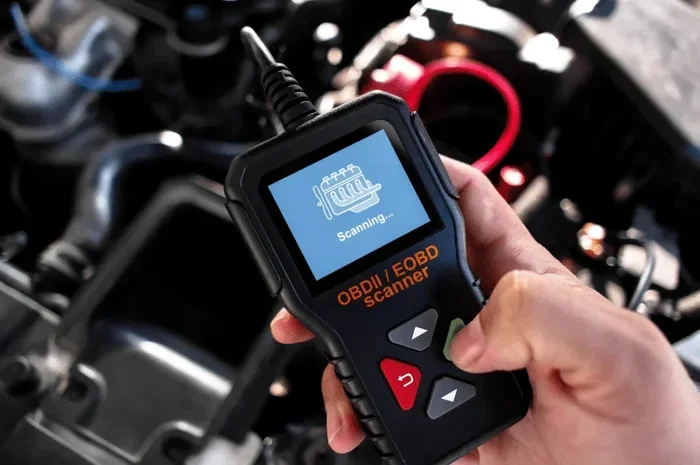
When you get a car diagnostic scan, a technician uses a tool called an OBD-II scanner to communicate with your car’s powertrain control module. This scanner pulls diagnostic trouble codes (DTCs) stored in the system. Each code represents a specific problem or irregularity. For example, a code might indicate a faulty oxygen sensor or low battery voltage. The scanner also provides live data streams that show how different parts are performing in real time.
Think of a full vehicle health check like a blood test at the doctor’s office. Your car cannot tell you what is wrong in words. But it can send signals through its computer system. A diagnostic scan translates those signals into actionable information. This helps you and your mechanic understand exactly what needs attention.
What Systems Does a Full Diagnostic Cover?
A comprehensive full diagnostic on a car typically covers these major systems:
- Engine management system — monitors fuel injection, ignition timing, and emissions
- Transmission control — checks gear shifting patterns and transmission health
- Anti-lock braking system (ABS) — reviews brake sensor data and module function
- Airbag system — detects faults in crash sensor circuits
- Fuel system — evaluates fuel pump pressure and injector performance
- Exhaust and emissions — monitors catalytic converter and oxygen sensors
- Battery and charging system — tests alternator output and battery voltage
- Suspension and steering — checks sensor inputs for stability and alignment
How Does a Full Car Diagnostic Work?
The process of a full car diagnostic is straightforward but powerful. First, the technician locates the OBD-II port in your vehicle. This port is almost always found under the dashboard on the driver’s side. Once the scanner is plugged in, it establishes a connection with the car’s central computer network.
Next, the scanner requests data from each electronic control unit. The car’s computer responds by sharing stored codes and live sensor readings. This process usually takes between 10 and 30 minutes depending on the vehicle’s age and complexity. Newer cars with more computer systems may take longer.
After the scan is complete, the technician reviews the results. Diagnostic trouble codes are categorized by system and severity. Some codes are minor warnings. Others indicate serious problems that need immediate attention. The technician then explains the findings and recommends next steps for repair or further inspection.
Types of Diagnostic Tools Used
Not all diagnostic tools are the same. Here is a quick look at the common equipment used for a full diagnostic on a car:
- Basic OBD-II readers — These affordable handheld devices plug into the OBD-II port and display stored codes. They are great for quick checks at home.
- Advanced scan tools — Professional-grade tools like Autel or Launch scanners provide deeper access to all vehicle systems, including live data and adaptive learning resets.
- ECU tuning software — Used by specialists for reprogramming and fine-tuning engine parameters after repairs.
- Oscilloscopes — These devices visualize electrical signals in real time, helping technicians diagnose intermittent electrical faults that standard scanners might miss.
If you want to try a basic scan yourself, you can buy an OBD-II scanner for under $50 at most auto parts stores. These tools give you a general idea of what codes are present. However, they do not replace the expertise of a professional diagnostic session.
Common Problems a Full Diagnostic Can Detect
A full diagnostic on a car can reveal a surprising range of issues. Many of these problems are not obvious from just looking at the vehicle. Here are some of the most common things a diagnostic scan can uncover:
Engine-Related Issues
- Faulty oxygen sensors — These sensors measure exhaust gases and help the engine run efficiently. A bad sensor can reduce fuel economy by up to 40 percent.
- Catalytic converter failure — A failing converter increases emissions and can cause engine performance problems.
- Ignition coil problems — Misfiring coils lead to rough idling and poor acceleration.
- Mass airflow sensor faults — This sensor measures the air entering the engine. A malfunction causes stalling and hesitation.
Transmission and Drivetrain Issues
- Slipping gears — Diagnostic codes can reveal pressure solenoid faults or low transmission fluid levels.
- Shift timing problems — The transmission control module tracks shift patterns and flags irregularities.
- Torque converter issues — These can cause overheating and reduced power delivery.
Safety System Issues
- ABS sensor failures — A faulty ABS sensor disables your anti-lock braking system.
- Airbag module faults — These codes are critical and should be addressed immediately for occupant safety.
- Seat belt pretensioner issues — Sensors that detect crash impact may malfunction without warning.
Electrical and Battery Issues
- Alternator underperformance — A weak alternator charges the battery insufficiently, leading to starting problems.
- Parasitic battery drain — Diagnostic tests can identify circuits drawing power when the car is off.
- Ground wire corrosion — Poor grounding causes erratic behavior across multiple electronic systems.
The beauty of a car diagnostic scan is that it catches these problems early, often before you notice any symptoms. This early detection is what makes diagnostics so valuable for car maintenance.
When Should You Get a Full Diagnostic?
Many car owners wait until something breaks before visiting a mechanic. But a full diagnostic on a car is not just for fixing problems. It is also a powerful prevention tool. Here are the best times to schedule a diagnostic check:
When Your Check Engine Light Comes On
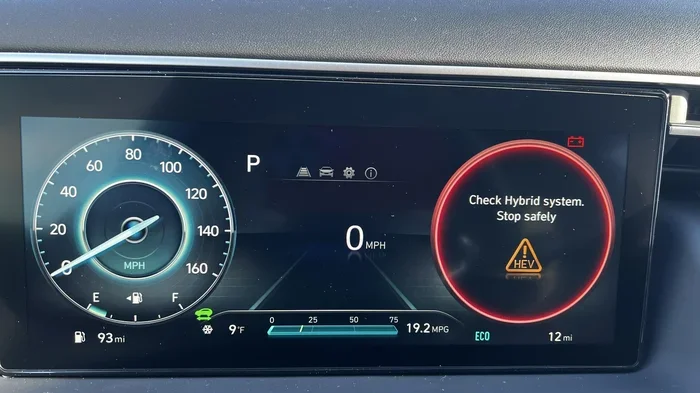
A glowing check engine light is the most obvious reason for a diagnostic scan. The light could signal something minor like a loose gas cap. Or it could indicate a serious engine problem. Either way, a full car diagnostic will tell you exactly what is going on. Never ignore a check engine light, even if the car seems to drive fine.
Before a Long Road Trip
Getting a diagnostic before a big trip is one of the smartest things you can do. A vehicle health check ensures your engine, brakes, and safety systems are all working properly. It gives you peace of mind and helps avoid surprises on the highway.
During Routine Maintenance
Some mechanics recommend a diagnostic scan with every oil change or annual service. This proactive approach helps track your car’s condition over time. Patterns in diagnostic trouble codes can reveal slow-developing problems that might otherwise go unnoticed.
After a Collision or Electrical Work
If you have been in an accident or had electrical work done, a diagnostic scan is essential. Even minor impacts can affect sensors and electronic control units. A scan confirms that all systems are functioning correctly after repairs.
When You Notice Warning Signs
Unusual noises, vibrations, reduced fuel economy, or difficulty starting are all signs your car needs attention. A full diagnostic on a car can pinpoint the cause quickly, saving you time and guesswork.
Full Diagnostic vs. Basic Car Check: What’s the Difference?
It is easy to confuse a full diagnostic on a car with a basic visual inspection. They are very different in scope and value. Here is a simple comparison:
| Feature | Full Diagnostic | Basic Car Check |
|---|---|---|
| Computer scan | Yes — all modules | No or limited |
| Live data reading | Yes — real-time sensor data | No |
| Diagnostic codes read | Yes — all stored and pending codes | Only check engine light codes |
| Systems covered | Engine, transmission, ABS, airbags, fuel, electrical | Visual inspection of tires, fluids, belts |
| Time required | 30-60 minutes | 15-20 minutes |
| Cost range | $80-$150 | $30-$60 |
| Depth of insight | Deep — finds hidden and intermittent issues | Surface level — catches obvious problems |
A basic car check is useful for routine inspections. But a full diagnostic provides a level of detail that simply cannot be achieved by looking under the hood. For any persistent or mysterious issue, a comprehensive diagnostic is the way to go.
Expert Tips for Getting the Most from Your Diagnostic
A few simple steps can make your full diagnostic on a car experience much more productive. Here is what experienced mechanics recommend:
1. Write Down Symptoms Before You Go
When you visit a shop, describe every symptom you have noticed. Include when the problem happens, what conditions trigger it, and how long it has been going on. This context helps the technician focus their diagnostic trouble code analysis and avoid unnecessary testing.
2. Do Not Clear Codes Before Your Appointment
Some car owners clear engine codes at home before visiting a mechanic. This is a mistake. The codes contain valuable information about when and why a fault occurred. Leave the codes intact so the diagnostic equipment can read the full history.
3. Ask for a Written Report
After your car diagnostic scan, ask the technician for a written summary of the findings. This report should include all codes read, live data values, and recommended actions. It serves as a useful reference for future maintenance and repairs.
4. Request a Test Drive After Repairs
Once repairs are completed, ask for a follow-up diagnostic scan to confirm all codes have been resolved. A test drive with live data monitoring ensures the fix was successful and no new issues appeared.
5. Use Diagnostics as Part of a Regular Maintenance Schedule
Do not wait for problems to arise. Schedule a full vehicle health check at least once a year. Regular diagnostics create a baseline for your car’s performance and help catch issues in their earliest stages.
Common Mistakes People Make with Car Diagnostics
Understanding what not to do is just as important as knowing what to do. Here are common mistakes car owners make when dealing with full diagnostic on a car services:
- Ignoring the check engine light — Many drivers cover the light with tape and keep driving. This can lead to serious engine damage over time.
- Guessing the problem — A car diagnostic scan removes the guesswork. Never assume you know what is wrong based on a symptom alone.
- Using cheap generic code readers — Basic readers give you codes but not the context needed for proper diagnosis. A professional scan tool interprets the data correctly.
- Skipping follow-up scans — After a repair, always get a follow-up ECU scan to confirm the fix resolved the issue completely.
- Choosing the cheapest option — A low-cost diagnostic may only read engine codes. A full diagnostic checks every system on your vehicle.
Expert Insights: What Mechanics Wish You Knew
We spoke with several experienced technicians about full diagnostic on a car services. Here is what they wish every car owner understood:
“A diagnostic scan is not a repair itself — it is a diagnostic tool,” says Mike Torres, an ASE-certified master technician with 18 years of experience. “The scan gives us the starting point. From there, we use our training and experience to find the root cause. The code tells you which system has a problem, but it does not always tell you what caused it.”
Another mechanic, Sarah Chen, emphasizes the importance of regular scans. “I see cars all the time where a small sensor issue has been ignored for months and turned into a $1,500 repair,” she explains. “A simple full car diagnostic every year could have caught it for $100.”
These expert perspectives highlight a key truth: diagnostics are an investment, not an expense. They save money by preventing small problems from becoming big ones.
Key Takeaways
A full diagnostic on a car is one of the smartest investments you can make in your vehicle’s long-term health. It uses OBD-II scanning technology to read your car’s computer systems and identify hidden problems before they cause damage. From engine performance to safety systems, a comprehensive diagnostic covers every major component of your vehicle.
Whether you have a check engine light on, noticed a change in how your car drives, or simply want peace of mind, a full car diagnostic provides clarity and direction. It removes guesswork, saves money on unnecessary repairs, and keeps your vehicle running safely for years to come. Make full diagnostic on a car services a regular part of your car maintenance routine, and your vehicle will thank you with better performance, improved fuel economy, and fewer unexpected breakdowns.
Take charge of your vehicle’s health today. Schedule a full diagnostic on a car with a trusted mechanic and drive with confidence knowing exactly what is going on under the hood.
Frequently Asked Questions
How much does a full diagnostic on a car cost?
The cost of a full car diagnostic typically ranges from $80 to $150 depending on your location and the shop. Some dealerships charge more, while independent mechanics often offer competitive rates. Many shops waive the diagnostic fee if you proceed with repairs through them.
How long does a full car diagnostic take?
A standard full diagnostic on a car takes between 30 and 60 minutes. The exact time depends on your vehicle’s make and model, the number of computer systems it has, and how many codes need to be analyzed. Newer vehicles with more systems may take slightly longer.
Can I do a car diagnostic scan myself?
Yes, you can purchase an OBD-II scanner for under $50 and perform a basic scan at home. These devices read engine and transmission codes and display them on a screen. However, a professional diagnostic uses advanced tools that access all vehicle systems and provide deeper analysis that a basic reader cannot match.
What does a diagnostic trouble code mean?
A diagnostic trouble code is a standardized alphanumeric code that identifies a specific problem in your vehicle. Each code corresponds to a particular system, sensor, or component. For example, a P0301 code indicates a misfire in cylinder one. The code gives mechanics a starting point, but further investigation is usually needed to find the root cause.
Is a full diagnostic only needed when the check engine light is on?
No. While a check engine light is a common reason for a diagnostic scan, a full vehicle health check is valuable even when no lights are on. Regular diagnostics can detect slow-developing problems that have not yet triggered a warning light. Many owners schedule a scan annually as part of preventive car maintenance.
Will a diagnostic scan fix my car?
A diagnostic scan itself does not fix anything. It is a diagnostic tool that identifies problems. Once the scan reveals fault codes and issues, a mechanic can perform the necessary repairs. Think of the scan as an X-ray — it shows the problem, but the repair is the treatment that follows.
=== CONCLUSION ===
A full diagnostic on a car is an essential part of responsible vehicle ownership. It gives you a clear, detailed view of what is happening inside your car’s computer systems. From catching a failing oxygen sensor to uncovering a hidden electrical drain, a comprehensive diagnostic scan provides answers that you simply cannot get from a visual inspection alone.
The process is quick, the insights are valuable, and the cost is modest compared to the repairs it can prevent. Whether you are dealing with a warning light, unusual symptoms, or just want to stay ahead of potential problems, a full car diagnostic is the best first step you can take. Make it a regular part of your car maintenance routine and enjoy the confidence that comes with knowing your vehicle is in top shape.