How Do I Manually Reset My TPMS Sensor Without Tools
Manually resetting your TPMS sensor is easier than most drivers think. You do not need expensive tools or a trip to the mechanic. This guide walks you through the TPMS reset process using simple methods you can do at home in minutes.
This is a comprehensive guide about How Do I Manually Reset My TPMS Sensor?.
Key Takeaways
- No special tools needed: You can reset your TPMS sensor with basic steps right from your driver seat.
- Multiple reset methods exist: The reset button, driving technique, and battery disconnect all work depending on your vehicle.
- Understanding your TPMS matters: Knowing how the system works helps you troubleshoot and prevent future warnings.
- Safety first: Always check actual tire pressure before resetting the sensor to avoid driving on underinflated tires.
- When to call a pro: Some TPMS issues need professional诊断 and should not be ignored.
[FEATURED_IMAGE_PLACEHOLDER]
Have you ever been driving down the road and suddenly seen that little horseshoe-shaped light with an exclamation point pop up on your dashboard? That is your TPMS light, and it means your tire pressure monitoring system has detected something is off. For many drivers, this little warning triggers panic. But here is the good news. You can often fix it yourself without any special equipment.
In this guide, we will show you exactly how to manually reset your TPMS sensor without tools. Whether you have a sedan, SUV, or truck, the process is simpler than you might expect. We will walk you through every step, explain why the light comes on in the first place, and share tips to keep your tires in great shape. No mechanic visits required.
TPMS stands for Tire Pressure Monitoring System. It is a safety feature built into modern vehicles that keeps an eye on your tire air levels. When the pressure drops below the recommended level, the system triggers a warning light on your dashboard. This alert helps prevent accidents caused by underinflated tires, which can lead to blowouts, poor fuel economy, and uneven tire wear.
The good thing about manual TPMS reset is that most vehicles come with a built-in method to clear the warning. You do not need a diagnostic scanner or a trip to the dealership. A few simple steps and some basic knowledge are all you need. Let us dive in and get your tires back to where they should be.
What Is a TPMS Sensor and How Does It Work?
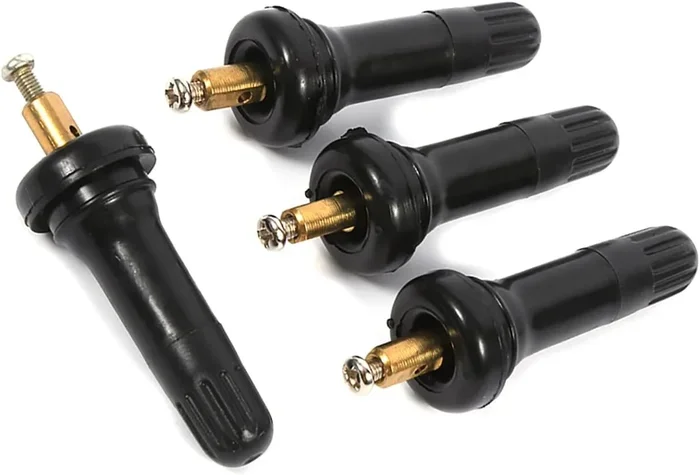
Before we reset anything, it helps to understand what you are working with. The Tire Pressure Monitoring System uses small sensors inside each tire or on the valve stem. These sensors measure the air pressure inside your tires and send that data to your vehicle’s computer.
Direct vs Indirect TPMS Systems
There are two main types of TPMS systems found in vehicles today. Understanding which one you have makes the reset process much easier.
Direct TPMS uses actual pressure sensors inside each tire. These sensors are mounted on the valve stem or inside the tire itself. They send real-time pressure readings to your car’s computer. When pressure drops, the light comes on. Direct systems are more accurate and common in newer vehicles.
Indirect TPMS works differently. It does not have physical pressure sensors. Instead, it uses the wheel speed sensors from your ABS system. When a tire is underinflated, it has a smaller rolling radius. This causes it to spin faster than the other tires. The system detects this difference and triggers the warning light. Indirect systems are less common but still found on many vehicles.
Why TPMS Lights Come On
The TPMS light can activate for several reasons. Here are the most common causes:
- Low tire pressure: This is the number one reason. A slow leak, temperature change, or simply not inflating your tires recently can trigger it.
- Temperature drops: Cold weather causes air inside tires to contract, lowering pressure. This is why TPMS lights often appear in winter.
- Sensor battery failure: TPMS sensors run on small batteries that eventually die. A dead battery causes the light to stay on even after you inflate the tire.
- Sensor damage: Hitting a pothole or curb can damage the sensor or its valve stem.
- System malfunction: Sometimes the TPMS module itself has an issue that needs professional attention.
How to Manually Reset Your TPMS Sensor Without Tools
Now for the part you have been waiting for. Resetting your TPMS sensor manually is straightforward. The exact steps vary slightly depending on your vehicle make and model, but the general methods are very similar. Here are the three most common ways to do it.
Method 1: Using the TPMS Reset Button
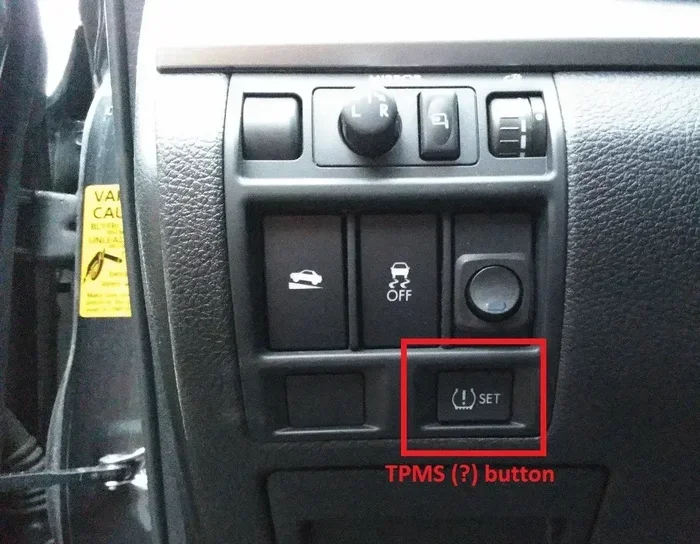
Most vehicles have a dedicated TPMS reset button. It is usually located under the steering column, on the center console, or near the gear shift. Here is how to use it.
- Start by checking your tire pressure with a basic tire pressure gauge. Inflate all tires to the manufacturer recommended PSI. You can find this number on the driver side door jamb sticker.
- Turn the ignition to the “ON” position. Do not start the engine. Just turn the key or press the start button without pressing the brake.
- Locate the TPMS reset button. Press and hold it until you see the TPMS light blink three times on the dashboard.
- Release the button and start the engine.
- Drive the vehicle for about 20 minutes at speeds above 20 mph. The system will recalibrate and the light should turn off.
This method works on the majority of vehicles from brands like Ford, Honda, Toyota, Chevrolet, and Nissan. If your car has a reset button, this is by far the easiest approach.
Method 2: The Driving Technique Reset
Some vehicles do not have a physical reset button. In this case, you can use a simple driving technique to reset the system. Here is what to do.
- First, make sure all your tires are properly inflated to the recommended pressure level.
- Drive the vehicle at a steady speed of 50 mph for about 10 minutes.
- The TPMS system will automatically recalibrate during this drive.
- After the 10 minutes, turn off the engine and wait a few minutes.
- Restart the vehicle. The TPMS light should be off.
This method works especially well with indirect TPMS systems. Since these systems rely on wheel speed data, driving at a consistent speed gives the computer enough data to recalibrate properly.
Method 3: Battery Disconnect Reset
If the first two methods do not work, you can try disconnecting the car battery. This resets the vehicle’s entire computer system, including the TPMS module. Here is how.
- Turn off the engine and remove the keys from the ignition.
- Open the hood and locate the negative battery terminal (the one with the minus sign).
- Use a basic wrench to loosen the nut on the negative cable.
- Disconnect the cable and wait for 10 to 15 minutes.
- Reconnect the cable and tighten the nut securely.
- Start the engine and drive for 15 minutes. The TPMS system should reset.
Note: Disconnecting the battery may also reset other settings in your vehicle, like radio presets and clock. Keep this in mind before you try this method. Also, never disconnect the battery while the engine is running.
Common Mistakes People Make When Resetting TPMS
Even though the reset process is simple, many drivers make mistakes that cause frustration. Here are the most common errors to avoid.
Resetting Without Checking Tire Pressure First
The biggest mistake is hitting the reset button without first checking and fixing the actual tire pressure. If you have a slow leak, the light will just come back on after you drive a short distance. Always inspect your tires and inflate them properly before attempting any reset. Use a reliable tire pressure gauge and check all four tires plus the spare.
Ignoring the TPMS Light for Too Long
Some drivers see the TPMS light and simply ignore it. They assume it will go away on its own. While it sometimes does after a temperature change, a persistent light means something needs attention. Driving on underinflated tires is dangerous. It reduces your stopping ability, decreases fuel efficiency, and causes premature tire wear. If the light stays on after a reset, get your tires checked immediately.
Using the Wrong Reset Method for Your Vehicle
Not every vehicle uses the same reset procedure. Some require a specific sequence of button presses on the infotainment system. Others need a combination of brake pedal presses and steering wheel inputs. Always check your owner’s manual first. It will tell you the exact method for your specific make and model.
Forgetting to Drive After Resetting
Pressing the reset button is only half the process. You must drive the vehicle afterward to allow the system to learn the new pressure readings. Without this step, the light may return within a few miles. Make sure you drive for at least 10 to 20 minutes at speeds above 20 mph after any reset.
When Should You Not Reset Your TPMS Sensor?
While manual resets are helpful, there are times when you should not reset the system yourself. Knowing when to stop and seek professional help is just as important as knowing how to reset.
After a Tire Replacement or Repair
If you have recently replaced a tire or had a puncture repaired, the TPMS sensor may need to be reprogrammed or replaced. Some tire shops have the equipment to sync new sensors with your vehicle’s system. In these cases, a simple reset may not solve the problem. The sensor itself might need replacement.
When the Sensor Battery Is Dead
TPMS sensors run on small batteries that typically last 5 to 10 years. When the battery dies, the sensor cannot transmit pressure data. No reset method will fix this. You will need to replace the sensor entirely. A mechanic or tire shop can identify which sensor has a dead battery using a diagnostic tool.
If the Dashboard Light Flashes Instead of Staying Solid
A flashing TPMS light usually indicates a more serious problem than a simple low-pressure reading. Flashing lights often point to a malfunction in the TPMS module itself or a communication error between sensors. In this case, do not attempt a manual reset. Take your vehicle to a qualified technician for diagnosis.
Tips to Keep Your TPMS System in Good Shape
Prevention is always better than cure. Here are some simple tips to keep your TPMS working properly and avoid frequent warning lights.
- Check tire pressure monthly: Get in the habit of checking all four tires at least once a month. A good quality tire pressure gauge costs just a few dollars and can save you from many TPMS headaches.
- Monitor temperature changes: In cold weather, tire pressure naturally drops. Add a few PSI during winter months to compensate.
- Replace TPMS batteries proactively: If your vehicle is over 7 years old, consider having the TPMS batteries checked during routine tire services.
- Keep valve stems capped: The small rubber caps on your valve stems protect the sensor from dirt and moisture. Always replace them if they are missing.
- Rotate tires regularly: Following your vehicle’s recommended tire rotation schedule helps ensure even wear and keeps the TPMS sensors functioning properly.
Comparing TPMS Reset Methods
Here is a quick comparison of the three main reset methods we covered.
| Method | Tools Needed | Difficulty | Best For |
|---|---|---|---|
| Reset Button | None | Easy | Vehicles with a dedicated reset button |
| Driving Technique | None | Easy | Indirect TPMS systems |
| Battery Disconnect | Wrench | Moderate | Stubborn lights that won’t clear |
As you can see, all three methods require minimal or no tools at all. The reset button method is the fastest and most convenient. The driving technique is great for indirect systems. The battery disconnect is your backup option when the others do not work.
How TPMS Reset Relates to Overall Tire Maintenance
Resetting your TPMS sensor is just one piece of the tire maintenance puzzle. Proper tire care goes hand in hand with a healthy monitoring system. Here are a few related maintenance tasks that complement your TPMS reset efforts.
Regular tire rotation helps ensure even wear across all four tires. This not only extends the life of your tires but also keeps the TPMS sensors working accurately. Similarly, maintaining proper alignment prevents your vehicle from pulling to one side and reduces uneven tire wear that can trigger false TPMS warnings.
It is also worth noting that some drivers confuse TPMS issues with other dashboard warnings. For example, if your AWD light comes on, it is a separate system entirely. Understanding the difference between various dashboard alerts helps you respond appropriately and avoid unnecessary trips to the mechanic.
Another related topic is tire selection and maintenance. Using the right tire type for your driving conditions and keeping them properly inflated are the best ways to prevent TPMS warnings in the first place. If you ever need to check or change fluids in your vehicle, always use the recommended type. For instance, using the wrong oil viscosity can affect engine performance but will not directly impact TPMS. However, overall vehicle health contributes to fewer unexpected warning lights.
One more thing to keep in mind. If you ever need to tow your vehicle, make sure you follow the proper procedures for your specific drivetrain. Incorrect towing can damage multiple systems including sensors and electronics. Taking good care of your vehicle holistically means fewer surprises and less time dealing with warning lights.
Final Thoughts on Manually Resetting Your TPMS Sensor
Resetting your TPMS sensor without any tools is something every driver can learn to do. It saves time, money, and the hassle of scheduling a mechanic visit for what is often a simple fix. Whether you use the reset button method, the driving technique, or the battery disconnect approach, the process is straightforward and well within the capabilities of any car owner.
The key is to always address the root cause first. Check your tire pressure, inflate to the recommended level, and then reset the system. If the light keeps coming back, do not ignore it. It could be a sign of a slow leak, a failing sensor battery, or a system malfunction that needs professional attention.
By following the tips and steps in this guide, you will be well equipped to handle TPMS warnings confidently. Keep a tire pressure gauge in your glove box, check your tires regularly, and remember that most TPMS issues have simple solutions. Your tires are the only part of your car that touches the road. Taking care of them means safer drives and better fuel economy for years to come.
Frequently Asked Questions
How long does a TPMS reset take?
A manual TPMS reset typically takes less than 15 minutes from start to finish. Checking tire pressure takes a few minutes, pressing the reset button takes seconds, and the required driving period is about 10 to 20 minutes. Most drivers can complete the entire process in a single trip around their neighborhood.
Will the TPMS light come back after I reset it?
If the underlying issue is fixed, the light should stay off. However, if you have a slow leak, a dead sensor battery, or a system malfunction, the light will return. Always verify your tire pressure is correct before resetting. If the light keeps coming back, have a professional inspect your TPMS system and tires.
Can I drive with the TPMS light on?
You can drive with the TPMS light on, but it is not recommended. The light means your tire pressure is likely below safe levels. Driving on underinflated tires increases the risk of blowouts, reduces handling, and lowers fuel efficiency. Check your tire pressure as soon as possible and inflate to the recommended level before driving long distances.
How much does it cost to replace a TPMS sensor?
TPMS sensor replacement typically costs between 50 and 100 per sensor including parts and labor. Some vehicles have more expensive sensors, especially luxury models. If you have the right tools and mechanical skills, you can replace some sensors yourself to save on labor costs. Always refer to your owner’s manual for specific sensor replacement procedures.
Do I need special tools to reset my TPMS?
No, you do not need special tools for most manual TPMS resets. The reset button method requires nothing at all. The driving technique needs no tools. The battery disconnect method only requires a basic wrench. However, if your TPMS system requires sensor replacement or reprogramming, you may need a professional diagnostic tool. For everyday resets, standard household items are sufficient.
How often should I check my tire pressure?
You should check your tire pressure at least once a month and before any long road trips. Temperature changes can affect pressure levels, so it is wise to check more frequently during seasonal transitions. A quick check with a tire pressure gauge takes only a few minutes and can prevent TPMS warnings, improve fuel economy, and extend tire life significantly.
Frequently Asked Questions
What is How Do I Manually Reset My TPMS Sensor??
How Do I Manually Reset My TPMS Sensor? is an important topic with many practical applications.