Does Replacing the Cabin Air Filter Improve AC Performance
Replacing your cabin air filter can significantly improve AC performance by restoring proper airflow and cooling efficiency. A dirty filter restricts air movement, forces your system to work harder, and reduces the quality of air inside your vehicle. This guide covers everything you need to know about how your cabin air filter impacts your car’s air conditioning and why regular replacement matters.
Have you ever turned on your car air conditioning on a hot day and felt nothing but warm air blowing through the vents? It is frustrating. You crank the dial to the coldest setting, but the breeze coming out feels lukewarm at best. Before you call a mechanic or assume your AC compressor is failing, there is one simple thing you should check. Your cabin air filter might be the culprit.
Many car owners overlook this small component, but it plays a huge role in how well your air conditioning system works. A clogged or dirty filter restricts airflow, forces your system to strain, and can even affect the air quality inside your vehicle. The good news is that replacing it is quick, cheap, and often solves the problem entirely. In this article, we will walk you through exactly how a cabin air filter affects your AC, what happens when it gets dirty, and how to know when it is time for a change.
Whether you drive a daily commuter or a hybrid like those discussed in our piece on when a hybrid switches to gas, maintaining your cabin filter helps your entire ventilation system run smoothly. Let us dive into the details.
Key Takeaways
- A clean cabin air filter improves AC airflow and cooling power significantly.
- A dirty filter makes your AC work harder, which can reduce fuel economy and strain your system.
- Most drivers should replace their cabin filter every 12,000 to 15,000 miles or once a year.
- Symptoms of a bad cabin filter include weak airflow, musty odors, and reduced cooling.
- Replacing the filter is a simple DIY task that takes just minutes and costs very little.
- Clean cabin filters also improve indoor air quality, reducing allergens and dust inside the car.
📑 Table of Contents
- What Is a Cabin Air Filter and What Does It Do?
- Does a Dirty Cabin Air Filter Reduce AC Cooling Power?
- How Often Should You Replace Your Cabin Air Filter?
- Can You Replace the Cabin Air Filter Yourself?
- How a Clean Cabin Filter Improves Your Entire Car
- Common Mistakes People Make With Cabin Air Filters
- Final Thoughts on Cabin Air Filters and AC Performance
What Is a Cabin Air Filter and What Does It Do?
Your cabin air filter is a small filtration device located somewhere inside your car’s ventilation system. It is usually found behind the glove box, under the dashboard, or near the engine bay. Its job is simple but important. It catches dust, pollen, dirt, leaves, and other debris before they enter the cabin through your vents.
Think of it like the air filter in your home HVAC system. If that filter gets clogged with dust, your house does not breathe as well, right? The same thing happens in your car. The filter traps particles so the air you breathe stays clean. Over time, all that trapped debris builds up and creates a dense barrier that limits how much air can pass through.
How the Cabin Filter Connects to Your AC
Here is where it gets interesting. Your air conditioning system relies on airflow to function properly. The AC does not just “make cold air.” It pulls warm air from outside, passes it over cold evaporator coils, and pushes the cooled air into your cabin. If the cabin air filter is blocked, less air reaches the evaporator coils. Less air means less cooling. That is why a dirty filter directly impacts your AC performance.
When air cannot flow freely, your AC compressor has to work overtime to try to compensate. This extra strain can lead to bigger problems over time. It can also reduce your fuel economy because the engine is working harder to power the AC system. So that small, inexpensive filter actually affects more than just your air quality. It affects your entire cooling system.
Does a Dirty Cabin Air Filter Reduce AC Cooling Power?
The short answer is yes. A dirty cabin air filter absolutely reduces how well your AC cools your car. Let us break down exactly why this happens and what you can expect when your filter is past its prime.
The Science Behind Restricted Airflow
When your cabin filter fills up with dust and debris, it creates resistance. Air has a harder time squeezing through the clogged material. This means less air volume reaches your vents. Even if your evaporator coils are cold and working perfectly, they cannot cool the air fast enough if not enough air is flowing over them.
Imagine trying to drink a thick milkshake through a tiny straw. The straw is the filter. The milkshake is the air. A narrow straw makes it hard to get anything through. Now imagine the straw is wide open. Everything flows freely. That is the difference between a clean filter and a dirty one.
What Happens When You Ignore a Dirty Filter
If you keep driving with a clogged cabin air filter, several things can go wrong. Your AC will blow weaker air. It will take longer to cool down the cabin. In some cases, the air coming from the vents might feel only slightly cooler than the outside temperature. On really hot days, you might find yourself cranking the AC to maximum and still feeling uncomfortable.
Beyond poor cooling, a dirty filter can also cause moisture buildup inside the ventilation system. This creates the perfect environment for mold and mildew to grow. The result is a musty smell every time you turn on the air. Nobody wants that. Replacing the filter early can prevent all of these issues.
How Often Should You Replace Your Cabin Air Filter?
Knowing when to replace your cabin air filter is one of the easiest ways to maintain great AC performance. Most car manufacturers recommend changing the filter every 12,000 to 15,000 miles or once a year, whichever comes first. However, your driving conditions can change this timeline.
Factors That Affect Filter Life
Several things determine how fast your cabin filter gets dirty. If you drive in a dusty area or on unpaved roads, your filter will clog faster. Living in a city with heavy pollution also shortens the filter’s lifespan. If you suffer from allergies, you might want to replace it even more often to keep the indoor air quality at its best.
Here are some signs that your cabin filter needs replacing soon:
- Weak airflow from the vents even on the highest fan setting.
- A musty or dusty smell when the AC or heat is running.
- Reduced cooling power during hot weather.
- Excessive noise from the vents, caused by air struggling through a clogged filter.
- Visible dirt or debris around the vent openings.
If you notice any of these signs, it is a good idea to inspect or replace your filter right away. The good news is that this is one of the simplest car maintenance tasks you can do yourself.
Can You Replace the Cabin Air Filter Yourself?
Yes, you absolutely can. Replacing a cabin air filter is one of the easiest DIY car maintenance jobs you can tackle. Most cars make it easy to access the filter compartment, and you do not need any special tools. Many people complete the job in under ten minutes.
Step-by-Step Replacement Guide
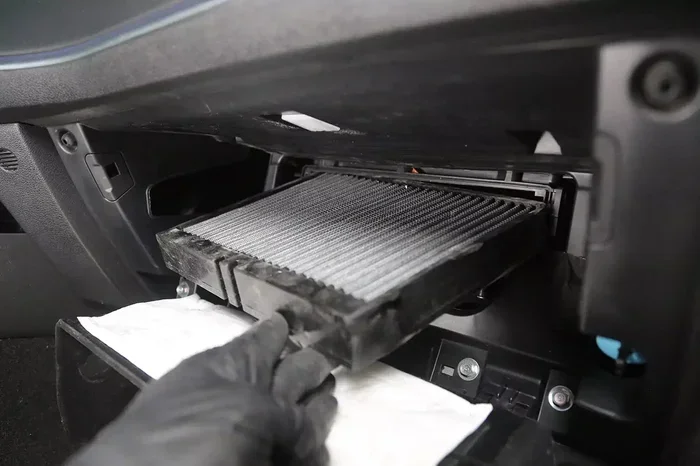
First, locate your cabin filter. Check your owner’s manual for the exact location. In most vehicles, you will find it behind the glove box. Simply remove the glove box door or push the glove box aside to reveal the filter housing.
Next, open the housing cover. It is usually held in place by clips or a small screw. Slide out the old filter and pay attention to which direction the airflow arrow is pointing. This arrow shows the correct orientation for the new filter. Insert the new filter in the same direction as the arrow.
Close the housing, pop the glove box back in place, and you are done. It really is that simple. If you are not comfortable doing it yourself, any quick lube shop or mechanic can do it for a small fee. Some people even combine this with other tasks like upgrading your car’s sound system during a weekend maintenance session.
Types of Cabin Air Filters
Not all cabin filters are the same. Here is a quick look at what is available:
- Standard particulate filters trap dust, pollen, and debris. These are the most common and affordable option.
- Activated carbon filters go a step further. They also reduce odors and harmful gases from exhaust fumes. These are great if you drive in heavy traffic often.
- Pollen and allergy filters offer the highest level of filtration. They are ideal for people with asthma or severe allergies.
Choosing the right type depends on your needs and budget. But no matter which type you pick, regular replacement is the key to keeping your AC system running at its best.
How a Clean Cabin Filter Improves Your Entire Car
Replacing your cabin air filter does more than just make your AC colder. It has a ripple effect on many aspects of your driving experience. Let us look at the broader benefits of keeping this small part in good shape.
Better Air Quality Inside the Cabin
A clean filter means cleaner air. It traps allergens, pollen, dust, and even bacteria before they reach your breathing space. If you or your passengers suffer from allergies, this alone is a good reason to stay on top of filter replacements. You will notice fewer sneezing fits and less irritation during drives.
Improved Fuel Economy
When your AC system does not have to work overtime, your engine does not have to work as hard either. This means better fuel economy. While the savings are not huge on a single tank, they add up over time. Think about it this way. A small investment in a replacement filter can save you money at the pump. That is a win-win.
Longer Lifespan for Your AC Components
Your AC compressor and evaporator coils are expensive parts. When a dirty filter forces them to work harder, they wear out faster. By keeping the filter clean, you reduce unnecessary strain on these components. This can save you from costly repairs down the road. It is like changing the oil in your engine. A small effort now prevents big problems later.
You might also find it interesting that maintaining your car goes beyond just filters. For instance, if you ever need to jump-start your car in the rain, knowing your vehicle is well-maintained gives you peace of mind. The same principle applies here. Small maintenance tasks add up to a healthier, more reliable car overall.
Common Mistakes People Make With Cabin Air Filters
Even though replacing the cabin filter is simple, people still make mistakes. Here are a few to avoid so you get the most out of your replacement.
Forgetting to Replace the Filter
This is the most common mistake. Many drivers go years without ever touching their cabin filter. They do not realize how much it affects their comfort and AC performance. Set a reminder on your phone or mark it on your calendar. A quick replacement every 12,000 miles can make a world of difference.
Installing the Filter Backwards
Every cabin filter has an airflow direction arrow printed on the side. If you install it backwards, air will not flow properly through the filter. This means it will not filter effectively and can actually restrict airflow even more. Always double-check the arrow before closing up the housing.
Using the Wrong Filter Type
Not every cabin filter fits every car. Using the wrong size or type can leave gaps that let unfiltered air into the cabin. Always check your owner’s manual or consult a parts store associate to make sure you get the right fit. A properly sized filter seals snugly and works as intended.
Final Thoughts on Cabin Air Filters and AC Performance
The connection between your cabin air filter and your AC performance is stronger than most people realize. A clean filter allows proper airflow, improves cooling, protects your AC components, and keeps the air inside your car fresh and healthy. A dirty filter does the opposite. It weakens your AC, strains your engine, and can even create unpleasant odors.
The good news is that replacing your cabin filter is one of the easiest and most affordable car maintenance tasks you can do. It takes just a few minutes and costs very little compared to the repairs that a neglected filter can cause. Whether you do it yourself or have a professional handle it, make this a regular part of your vehicle care routine.
Next time you feel like your AC is not blowing as cold as it should, do not jump to conclusions about expensive repairs. Check the cabin filter first. You might just solve the problem in minutes. And if you are planning a road trip, you might want to read our guide on whether you can leave your car at the airport to make sure everything is in order before your trip.
Take care of the small things, and your car will take care of you. A clean cabin filter is one of those small things that makes a big difference.
Frequently Asked Questions
How do I know if my cabin air filter needs replacing?
Look for signs like weak airflow from the vents, a musty smell when the AC is on, reduced cooling power, or visible dirt around the vent openings. If you notice any of these, inspect or replace your filter right away.
Can a dirty cabin air filter damage my AC compressor?
Yes, it can. A clogged filter forces the AC compressor to work harder to push air through the system. Over time, this extra strain can lead to premature wear and even compressor failure, which is an expensive repair.
What is the difference between a cabin filter and an engine air filter?
The cabin filter cleans the air that enters the car’s interior through the vents. The engine air filter cleans the air that enters the engine for combustion. They serve different purposes and are located in different parts of the vehicle.
How much does it cost to replace a cabin air filter?
A replacement cabin filter typically costs between 15 and 50 dollars depending on your vehicle and the type of filter. If you do it yourself, that is the total cost. If you go to a shop, you might pay a little extra for labor, but it is still very affordable.
Can I wash and reuse my cabin air filter?
Most cabin filters are not designed to be washed and reused. They are made from paper or fibrous materials that lose their filtering ability when wet. It is best to replace the filter with a new one for optimal performance.
Does replacing the cabin air filter improve gas mileage?
It can help slightly. When your AC system does not have to work as hard because of proper airflow, the engine does not have to work as hard either. This can lead to a small improvement in fuel economy over time.
=== CONCLUSION ===
Replacing your cabin air filter is one of the simplest and most effective ways to improve your AC performance. A clean filter restores proper airflow, boosts cooling power, improves air quality, and protects expensive AC components from unnecessary wear. Most drivers should replace their cabin filter every 12,000 to 15,000 miles or once a year to keep everything running smoothly.
Do not let a small, forgotten filter ruin your summer driving comfort. Check it regularly, replace it on schedule, and enjoy colder, cleaner air every time you hit the road. Your car and your wallet will thank you.