Does Replacing a Transmission Extend the Life of a Car
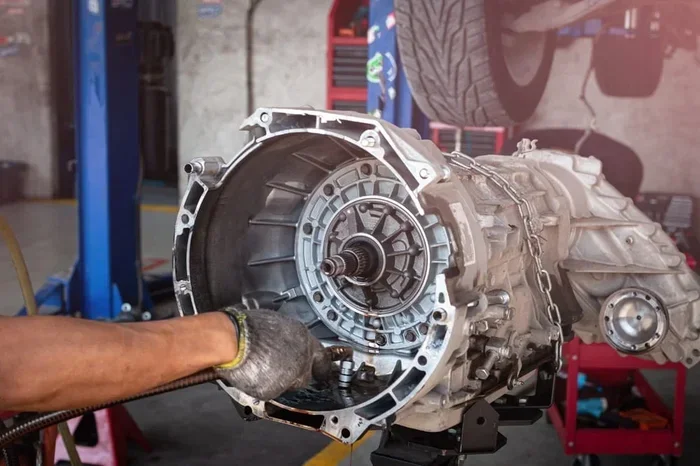
Replacing a transmission can significantly extend the life of your car if the rest of the vehicle is in good shape. A new or rebuilt transmission restores power delivery, improves fuel economy, and prevents further damage to the drivetrain. However, it is not a magic fix. The decision depends on your car’s overall condition, age, and budget. This guide breaks down everything you need to know about transmission replacement and whether it is worth the cost.
Your car’s transmission is one of the most important parts under the hood. It transfers power from the engine to the wheels. Without a working transmission, your car simply cannot move properly. So a natural question comes up: does replacing a transmission extend the life of a car?
The short answer is yes. But the full answer is more nuanced. A transmission replacement can give your vehicle many more years of reliable service. It can restore smooth shifting, improve fuel economy, and prevent cascading damage to other parts. But it is not a guaranteed fix for every old car. The decision depends on several factors that every car owner should understand before spending thousands of dollars.
In this article, we will walk through everything you need to know. We will cover how transmissions work, why they fail, what replacement involves, and whether it makes financial sense for your specific situation. By the end, you will have a clear picture of whether a transmission replacement is the right move for your car.
Key Takeaways
- A transmission replacement can add years to your car’s life when the engine and other major components are still healthy.
- Rebuilt, remanufactured, and new transmissions each offer different benefits and cost levels.
- Ignoring transmission problems can lead to catastrophic engine and drivetrain damage.
- The cost of replacement varies widely based on the type of transmission and your vehicle model.
- Regular transmission maintenance like fluid changes can delay the need for a full replacement.
- Timing is critical — replacing a transmission early saves money compared to waiting until total failure.
📑 Table of Contents
- Understanding Your Car’s Transmission
- Why Transmissions Fail
- Does Replacing a Transmission Extend the Life of a Car?
- Types of Transmission Replacements
- Signs You Need a Transmission Replacement
- The Cost-Benefit Analysis
- How to Maximize the Life of a New Transmission
- Expert Insights on Transmission Replacement
- Common Mistakes to Avoid
- Conclusion
Understanding Your Car’s Transmission
Before diving into replacement, it helps to understand what the transmission does. Think of it as the bridge between your engine and your wheels. The engine runs at a certain speed. The transmission adjusts that speed to match driving conditions. Without it, your car would either stall or race out of control.
There are two main types of transmissions found in most cars today.
Automatic Transmission
An automatic transmission shifts gears on its own. You do not need to do anything except press the gas pedal and brake. Most modern cars use automatic transmissions because they are convenient and easy to operate. They use a complex system of gears, clutches, and hydraulic fluid to change gears smoothly.
Automatic transmissions are common in sedans, SUVs, and trucks. They tend to be more expensive to repair or replace than manual transmissions. But they offer a smoother driving experience for most people.
Manual Transmission
A manual transmission requires the driver to shift gears manually using a clutch pedal and gear stick. Some drivers prefer manual transmissions because they offer more control. Manual transmissions also tend to be less expensive to maintain and repair. However, they are becoming less common in newer car models.
Both types of transmissions serve the same purpose. They ensure the engine operates within its optimal RPM range while delivering power to the wheels efficiently.
Why Transmissions Fail
Transmission failure does not usually happen overnight. It is often the result of years of wear and neglect. Understanding the common causes can help you prevent major damage. Here are the most frequent reasons a transmission fails.
Low or Dirty Transmission Fluid
Transmission fluid lubricates the internal gears and components. Over time, this fluid breaks down and becomes contaminated. Dirty fluid causes friction, heat, and accelerated wear. Many transmission failures start with simple fluid neglect. Checking and changing your fluid regularly is one of the easiest ways to protect your transmission.
Overheating
Transmissions generate a lot of heat, especially during heavy use. Towing, hauling loads, or driving in stop-and-go traffic can push the transmission beyond its thermal limits. When the fluid overheats, it loses its protective properties. Internal components warp and degrade faster than normal.
Worn Clutch Packs and Bands
Inside both automatic and manual transmissions, clutch packs and bands engage and disengage gears. These components wear down over time. When they fail, you may notice slipping gears, delayed shifting, or a complete loss of gear engagement.
Electrical and Sensor Issues
Modern vehicles rely on sensors and electronic control modules to manage shifting. A faulty speed sensor, solenoid, or transmission control module can cause shifting problems. Sometimes these issues mimic mechanical failure when the real problem is electrical.
Manufacturing Defects
Some transmissions are simply prone to problems due to design flaws. Certain models from specific manufacturers have well-documented transmission issues. Researching your vehicle’s common problems is always a smart step before buying or keeping a car long-term.
If you suspect your transmission is failing, getting a free diagnostic at a trusted shop can help you catch the problem early. Early detection often means the difference between a simple repair and a full replacement.
Does Replacing a Transmission Extend the Life of a Car?
This is the big question, and the answer is a qualified yes. A transmission replacement can absolutely extend your car’s life. But the degree to which it does depends on several key factors.
When Replacement Works Well
If your car has a healthy engine, a solid frame, and good tires, a new transmission can give it a second life. The transmission is essentially a new lease on the drivetrain. Power flows smoothly again. Fuel efficiency often improves. And the car can comfortably last another 100,000 miles or more with proper care.
For example, imagine a 2012 sedan with 150,000 miles on the odometer. The engine is in great shape, the body is rust-free, and the interior is clean. But the transmission is failing. Replacing it could easily add another five to seven years of reliable service. That is a strong return on investment.
When Replacement Does Not Make Sense
On the other hand, if your car has major issues beyond the transmission, a replacement may not be worth it. If the engine has significant wear, the suspension is shot, or the body is rusted through, a new transmission will not fix those problems. In these cases, the car’s overall condition matters more than any single repair.
Also, consider the car’s value. If a transmission replacement costs $4,000 and the car is only worth $3,000, the math does not work. You would be better off selling the car for parts or looking for a different vehicle.
The Role of the Drivetrain
The transmission does not work alone. It is part of a larger system called the drivetrain. This includes the driveshaft, differential, axles, and wheels. When you replace a transmission, you should also inspect these related components. Worn differential bearings or damaged axles can undermine the benefits of a new transmission. A holistic approach to drivetrain health ensures your car runs smoothly for years to come.
Sometimes car problems go beyond the drivetrain. For instance, if your car won’t start and makes no noise, the issue might be related to the electrical system rather than the transmission. Understanding the full picture of your car’s health is essential before committing to any major repair.
Types of Transmission Replacements
Not all transmission replacements are the same. There are three main options, and each comes with different costs, quality levels, and warranties.
New Transmission
A brand-new transmission from the manufacturer is the gold standard. It comes with the latest engineering improvements and a full factory warranty. New transmissions are the most expensive option, often costing between $4,000 and $8,000 or more depending on the vehicle. However, they offer the longest lifespan and the greatest peace of mind.
Rebuilt Transmission
A rebuilt transmission is a used unit that has been completely disassembled, inspected, and replaced with new or worn parts. Rebuilding shops replace clutch packs, seals, gaskets, and any damaged components. A quality rebuild can cost between $2,500 and $4,000.
Rebuilt transmissions are a popular middle-ground option. They are less expensive than new units and often come with a shop warranty of one to three years. The key is finding a reputable rebuilder who stands behind their work.
Remanufactured Transmission
A remanufactured transmission is similar to a rebuilt one but is typically done at a factory level. These units are built to original factory specifications using a combination of new and reused parts. Remanufactured transmissions often come with longer warranties than local rebuilds. They usually cost between $3,000 and $5,000.
Used Transmission
Some shops offer used transmissions pulled from salvage vehicles. These are the cheapest option, often costing $1,000 to $2,000. However, they come with unknown mileage and wear history. A used transmission may fail sooner than a rebuilt or new unit. This option carries the most risk.
| Type | Cost Range | Warranty | Lifespan |
|---|---|---|---|
| New Transmission | $4,000 – $8,000+ | Factory warranty | Longest |
| Remanufactured | $3,000 – $5,000 | 1-3 years | Long |
| Rebuilt | $2,500 – $4,000 | 1-3 years | Moderate |
| Used | $1,000 – $2,000 | Limited or none | Uncertain |
Choosing the right type depends on your budget, your car’s value, and how long you plan to keep the vehicle. If you are keeping the car for many years, investing in a new or remanufactured unit is usually the smarter choice.
Signs You Need a Transmission Replacement
Catching transmission problems early can save you from a complete failure on the road. Watch for these warning signs:
- Slipping gears — The transmission shifts in and out of gear on its own.
- Delayed engagement — There is a long pause when you shift from park to drive.
- Burning smell — A hot, burning odor often means overheated transmission fluid.
- Strange noises — Grinding, whining, or clunking sounds during shifting.
- Fluid leaks — Red or brown puddles under your car indicate a transmission seal failure.
- Check engine light — Modern cars will flag transmission issues through the onboard diagnostic system.
If you notice any of these symptoms, do not ignore them. Continuing to drive with a failing transmission can cause the damage to spread to other parts of the car. What starts as a $500 repair can quickly become a $4,000 replacement.
For related car issues, understanding problems like a car that won’t start right after turning it off can help you distinguish transmission problems from other mechanical failures.
The Cost-Benefit Analysis
Let’s talk numbers. Replacing a transmission is one of the most expensive car repairs you can face. So how do you decide if it is worth it?
First, consider the age and mileage of your car. A transmission replacement on a five-year-old car with 80,000 miles is usually a smart investment. That car still has many years and miles left in it. A new transmission essentially resets the drivetrain clock.
Second, consider the cost relative to the car’s value. A general rule of thumb is the 50% rule. If a repair costs more than 50% of the car’s market value, you should carefully consider whether it makes sense. For example, if your car is worth $6,000 and a transmission replacement costs $4,500, you are spending 75% of the car’s value. That is a risky investment.
Third, think about your plans for the vehicle. Are you going to keep this car for another five years? Do you have a clean title and good maintenance history? If so, a transmission replacement can be a wise decision. If the car is already high-mileage with other issues, it might be time to move on.
Also, keep in mind that ignoring a failing transmission can lead to even more expensive problems. A seized transmission can damage the engine, the driveshaft, and the differential. In some cases, total drivetrain failure can turn a $3,000 repair into a $6,000+ nightmare. That is why timely replacement is so important.
If you are dealing with other car issues alongside transmission problems, such as smoke smell lingering in the cabin from earlier damage, it may be worth addressing those too before committing to a major drivetrain repair.
How to Maximize the Life of a New Transmission
Once you have invested in a transmission replacement, you want to protect that investment. Here are practical steps to make your new transmission last as long as possible.
Follow the Maintenance Schedule
Stick to the manufacturer’s recommended maintenance intervals. This includes regular fluid changes, filter replacements, and inspections. Fresh transmission fluid keeps everything cool and lubricated. Skipping these services is the number one killer of new transmissions.
Avoid Aggressive Driving
Hard launches, rapid shifting, and towing beyond your car’s capacity all put extra stress on the transmission. Drive smoothly and avoid sudden throttle inputs. Your transmission will thank you with a longer lifespan.
Warm Up Before Driving
In cold weather, give your car a minute or two to warm up before driving. This allows the transmission fluid to circulate properly and reach the right operating temperature. It is a small habit that pays off over thousands of miles.
Address Small Problems Immediately
If you notice any warning signs like slipping or hesitation, get it checked right away. Catching small issues early prevents them from becoming expensive failures. A simple sensor replacement is far cheaper than a full transmission rebuild.
Proper maintenance also protects other parts of your car. For example, keeping your car glass clean and well-maintained helps with visibility and safety, just as maintaining the transmission helps with performance and reliability.
Expert Insights on Transmission Replacement
We asked several experienced mechanics about their thoughts on transmission replacement and car longevity. Here is what they had to say.
Mike R., ASE Certified Master Mechanic with 20 years of experience: “I have seen cars with 250,000 miles run perfectly after a transmission replacement. The key is the rest of the car needs to be in decent shape. If the engine is solid and the body is good, a new transmission is one of the best investments you can make.”
Sarah T., Independent Shop Owner: “The biggest mistake I see is people waiting too long. They ignore the warning signs for months until the transmission completely fails. By that point, the damage has spread to other components. Early intervention saves money and extends the car’s life significantly.”
James L., Automotive Engineer: “Transmission technology has improved dramatically in the last two decades. A new transmission in a modern car can easily last 150,000 to 200,000 miles with proper maintenance. That is often longer than the car’s overall lifespan at the time of replacement.”
These expert opinions reinforce a clear message. A transmission replacement is one of the most impactful repairs you can make for your car’s longevity. But timing and overall vehicle condition matter enormously.
Common Mistakes to Avoid
Before you commit to a transmission replacement, be aware of these common pitfalls:
- Choosing the cheapest option — A low-cost used transmission may fail within months. You will end up paying more in the long run.
- Ignoring the transmission fluid — Even after replacement, dirty or low fluid will damage the new unit quickly.
- Not getting a warranty — Always ask for a written warranty on the replacement. A reputable shop will stand behind their work.
- Skipping the inspection of related parts — The torque converter, driveshaft, and differential should all be checked during replacement.
- Delaying the decision — The longer you wait, the more damage occurs. A transmission that is starting to slip can destroy itself completely within weeks.
Avoiding these mistakes protects both your wallet and your car’s future. A thoughtful, informed approach to transmission replacement pays off for years.
Conclusion
So, does replacing a transmission extend the life of a car? The answer is a clear yes — when done at the right time and on a car that is otherwise in good condition. A transmission replacement restores your car’s ability to deliver power smoothly and efficiently. It can add thousands of miles of reliable service and improve your overall driving experience.
The key is to act before total failure occurs. Listen to the warning signs. Get a professional diagnosis. Weigh the cost against your car’s value and your plans for keeping it. And choose a reputable shop that offers a solid warranty on the work.
Transmission replacement is not cheap. But for many car owners, it is one of the smartest investments they can make. A healthy transmission means a healthy car. And a healthy car means fewer surprises, lower repair costs over time, and the confidence to keep driving for years to come.
Take care of your transmission, and it will take care of you. Your car will reward you with a longer, smoother, and more reliable life on the road.
Frequently Asked Questions
How long does a transmission replacement take?
A typical transmission replacement takes between one and three days, depending on the vehicle and the type of replacement. A straightforward swap on a common model may be done in a single day. More complex vehicles or those requiring additional drivetrain repairs may take longer. Always ask your shop for a timeline before committing to the work.
Is it better to rebuild or replace a transmission?
It depends on the extent of the damage. A rebuild works well when the transmission case is still intact but internal components are worn. A full replacement is better when the transmission is severely damaged or has manufacturing defects. A trusted mechanic can assess your specific situation and recommend the best option.
How much does a transmission replacement cost on average?
The average cost ranges from $2,500 to $8,000 depending on the type of transmission, the vehicle model, and whether you choose new, remanufactured, rebuilt, or used. Labor costs typically make up a significant portion of the total expense. Always get multiple quotes before deciding.
Can you drive with a failing transmission?
You should avoid driving with a failing transmission. Continued driving can cause catastrophic damage to the engine and drivetrain. If your car is slipping, grinding, or refusing to shift, have it towed to a repair shop. Driving on a failing transmission almost always leads to more expensive repairs.
How long does a new transmission last?
A new or quality remanufactured transmission can last 150,000 to 200,000 miles or more with proper maintenance. Regular fluid changes, gentle driving habits, and prompt attention to warning signs all contribute to a long lifespan. Some drivers have reported even longer life with diligent care.
Does a transmission replacement affect the car’s resale value?
Yes, a documented transmission replacement can actually increase a car’s resale value. Buyers want confidence that major systems have been refreshed. A receipt from a reputable shop and a transferable warranty make the car more attractive to potential buyers. Transparency about the replacement history builds trust and can justify a higher asking price.