Does Car Insurance Cover a Blown Engine and What to Do
Car insurance typically does not cover a blown engine unless the damage stems from a covered event like an accident or natural disaster. Standard policies focus on liability, not mechanical failures. However, mechanical breakdown insurance and comprehensive coverage may help in specific situations. Understanding your policy details can save you thousands in unexpected repair costs.
Your car’s engine is its heart. When that heart stops working suddenly, the stress is real. You’re stranded, confused, and probably staring at a repair estimate that makes your stomach drop. The first question that pops into your mind is usually the same: does car insurance cover a blown engine? The short answer is: it depends. But the full answer is much more nuanced, and knowing it could save you thousands of dollars.
Many drivers assume their insurance policy covers all car problems. That’s a dangerous assumption. Standard auto insurance policies are built to protect you from liability and accident-related damage. They are not designed to cover mechanical failures from regular use. However, there are exceptions, add-ons, and specific scenarios where you might get help paying for engine damage. This guide breaks down everything you need to know about blown engine insurance coverage, what to do when your engine fails, and how to avoid getting stuck with a massive bill.
Key Takeaways
- Standard policies don’t cover mechanical failures: Most car insurance policies exclude engine damage from normal wear and tear.
- Comprehensive coverage may help: If a blown engine results from a covered event like flooding or fire, you might be compensated.
- Mechanical breakdown insurance exists: This optional coverage is designed specifically for engine and mechanical failures.
- Filing a claim requires documentation: Photos, mechanic reports, and police reports strengthen your case.
- Prevention is cheaper than repair: Regular maintenance can help avoid costly engine failures.
- Always read your policy: Understanding your coverage details prevents surprises when you need help most.
📑 Table of Contents
- What Does a Blown Engine Actually Mean?
- Does Car Insurance Cover a Blown Engine?
- What Type of Insurance Covers a Blown Engine?
- How to File an Insurance Claim for Engine Damage
- What to Do When Your Engine Blows
- How to Prevent Engine Failure
- Common Mistakes Drivers Make After Engine Failure
- Expert Insights on Engine Failure and Insurance
- Frequently Asked Questions
- Final Thoughts
What Does a Blown Engine Actually Mean?
Before diving into insurance details, let’s clarify what a blown engine really means. A blown engine is a severe failure where the engine sustains damage serious enough to stop functioning entirely. This can happen in several ways:
- Catastrophic internal damage: Pistons, connecting rods, or crankshafts break inside the engine block.
- Hydrolocked engine: Water enters the cylinders and causes internal damage.
- Seized engine: Lack of lubrication causes the engine parts to weld together.
- Blown head gasket: The seal between the engine block and head fails, causing coolant and oil to mix.
Engine replacement costs can range from $3,000 to over $10,000 depending on your vehicle. That’s a lot of money, which is exactly why understanding your insurance coverage matters so much. If you are dealing with a blown head gasket, the costs can vary, but the insurance question remains the same.
Engine failure doesn’t always happen without warning. Sometimes you notice warning signs first. Strange noises, excessive smoke, overheating, or a sudden loss of power can all point to serious engine trouble. If your car won’t turn over but has power, that could also be an engine-related issue worth investigating early.
Does Car Insurance Cover a Blown Engine?
Here is where things get tricky. The answer depends entirely on why your engine blew and what type of coverage you have. Let’s break this down clearly.
Standard Liability Coverage Does Not Cover Engine Failure
Most standard car insurance policies include liability coverage. This covers damage you cause to other people or their property. It does not cover damage to your own vehicle from mechanical failure. If your engine blows up due to old age, lack of maintenance, or normal wear and tear, liability insurance will not help you at all.
Collision Coverage Has Limits
Collision coverage pays for damage to your car from accidents. If you get into a car accident and the impact damages your engine, collision coverage may kick in. But if the engine fails on its own while you’re driving on a normal road, collision coverage won’t apply. The key difference is whether the damage came from an accident or from a mechanical issue.
Comprehensive Coverage Can Help in Specific Cases
Comprehensive coverage protects against non-accident damage. This includes events like theft, vandalism, flooding, fire, and falling objects. If your engine blows because of a flooded engine from driving through deep water, comprehensive coverage might cover the damage. Similarly, if a fire damages your engine, comprehensive coverage could help pay for repairs.
The important thing to remember is that comprehensive coverage only applies when the cause is a covered event. Normal mechanical failure is not a covered event. Always check with your insurance provider to understand the specifics of your policy.
What Type of Insurance Covers a Blown Engine?
If standard policies don’t cover blown engines from mechanical failure, what does? There are a few options that can protect you.
Mechanical Breakdown Insurance (MBI)
Mechanical breakdown insurance is an optional coverage that some insurers offer. It works like a warranty for your vehicle. MBI covers the cost of repairs when mechanical parts fail unexpectedly. This includes engine failure, transmission problems, and electrical system breakdowns.
MBI is different from a standard warranty because it is backed by your insurance company. It typically kicks in after your manufacturer’s warranty expires. Coverage limits vary, but many policies cover up to $100,000 in repairs. The monthly cost is usually between $30 and $100 depending on your vehicle and location.
Extended Vehicle Warranties
While not technically insurance, extended warranties serve a similar purpose. They cover repair costs for mechanical failures after the original warranty period ends. Many people confuse extended warranties with insurance, but they operate differently. A warranty is a service contract, while insurance is a risk-sharing agreement.
Roadside Assistance Add-Ons
Some insurance policies offer roadside assistance as an add-on. This won’t pay for engine repairs, but it can cover towing costs if your engine fails on the road. Towing to a mechanic is often the first expense after a blown engine, so this coverage has real value.
How to File an Insurance Claim for Engine Damage
If you believe your situation qualifies for coverage, filing a claim is the next step. Here is how the process works and what you should do to strengthen your case.
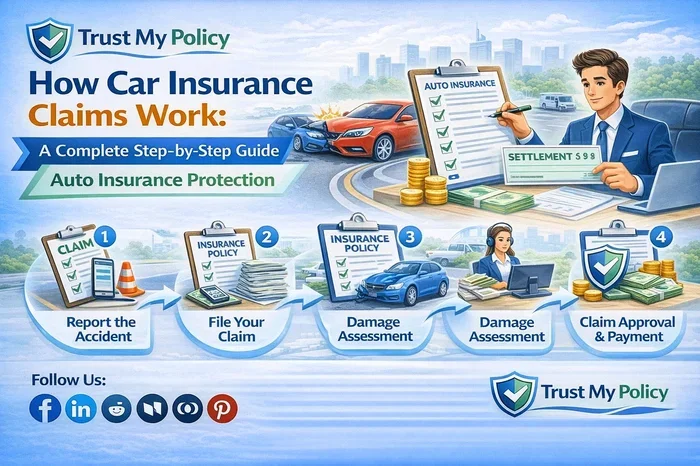
Step 1: Document Everything
Before you move your vehicle or start making phone calls, document the scene. Take clear photos of your car, the engine area, and any visible damage. Write down the date, time, location, and circumstances of the failure. If other people witnessed the event, get their contact information.
Step 2: Contact Your Insurance Provider
Call your insurance company as soon as possible. Explain what happened and ask specifically about your coverage. Be honest and accurate. Do not exaggerate or speculate about the cause. The claims adjuster will investigate and determine whether the damage qualifies for coverage.
Step 3: Get a Professional Diagnosis
Have a certified mechanic inspect your vehicle and provide a written report. This report should detail the extent of the damage, the cause of the failure, and the estimated repair costs. Many drivers search for a free car diagnostic before committing to major repairs, and this can be a smart first step.
Step 4: Submit Your Claim
Submit all documentation to your insurance company. This includes photos, the mechanic’s report, your police report (if applicable), and any other supporting evidence. The adjuster will review everything and make a determination. If approved, you will receive compensation minus your deductible.
Step 5: Understand Your Deductible
Your deductible is the amount you pay out of pocket before insurance kicks in. If your deductible is $500 and your repair costs are $4,000, you pay $500 and the insurance covers the remaining $3,500. Make sure you understand your deductible amount before filing a claim.
What to Do When Your Engine Blows
Dealing with a blown engine is stressful. Having a clear plan helps you handle the situation calmly and effectively. Here is what you should do right away.
Pull Over Safely
If your engine fails while driving, pull over to a safe location. Turn on your hazard lights. Do not attempt to drive a vehicle with a blown engine. Doing so can cause further damage and put you at risk.
Call for Help
Call a tow truck or roadside assistance. If you have a car that won’t turn over but has power, you may need professional diagnosis before towing. Let the tow company know what happened so they can prepare appropriately.
Assess Your Options
Once your vehicle is at a repair shop, you have a few options:
- Repair the engine: This works if the damage is limited and the repair cost is reasonable.
- Replace the engine: A new or remanufactured engine can restore your vehicle to working condition.
- Sell the vehicle: If repair costs exceed the car’s value, selling might be the smarter financial move.
- File an insurance claim: If your coverage applies, let the claims process run its course.
Dealing with smoke or unusual smells after an engine failure? If you notice smoke or burning odors, address them immediately. A smoke smell in your car could indicate lingering engine issues that need attention.
How to Prevent Engine Failure
The best way to deal with a blown engine is to prevent one from happening in the first place. Regular maintenance is your strongest defense against engine failure.
Follow Your Maintenance Schedule
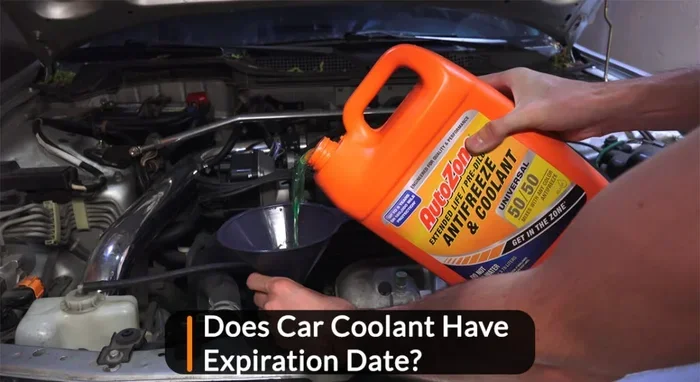
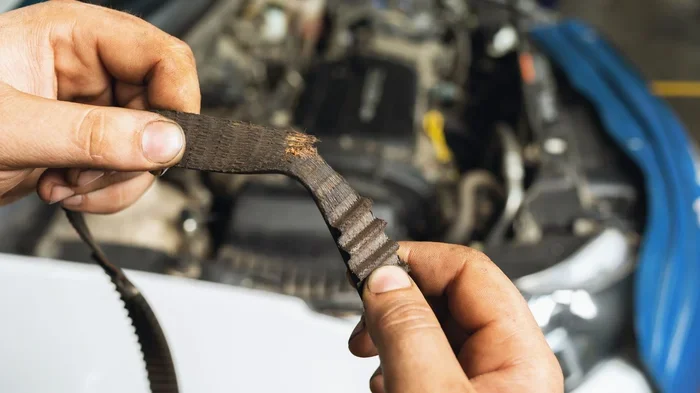
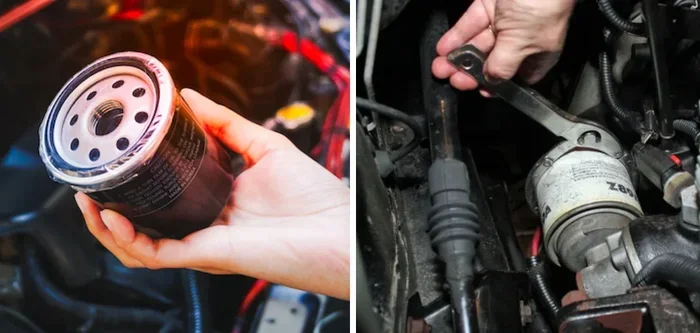
Your vehicle’s owner manual includes a recommended maintenance schedule. Follow it closely. This includes oil changes, filter replacements, coolant flushes, and timing belt inspections. Skipping scheduled maintenance is one of the fastest ways to shorten your engine’s lifespan.
Watch for Warning Signs
Your car tells you when something is wrong. Pay attention to these warning signs:
- Unusual noises like knocking, ticking, or grinding
- Overheating temperature gauge readings
- Dark or dirty engine oil
- Reduced fuel efficiency
- Difficulty starting the car
- Excessive exhaust smoke
If you notice any of these signs, get your vehicle inspected immediately. Catching problems early can prevent a small issue from becoming a blown engine.
Use Quality Parts and Fluids
Cheap oil, low-quality coolant, and inferior replacement parts can all contribute to engine damage. Always use manufacturer-recommended fluids and parts. The small savings from cheaper alternatives are never worth the risk of engine failure.
Common Mistakes Drivers Make After Engine Failure
When engines fail, people often make decisions that make the situation worse. Here are some common mistakes to avoid.
- Ignoring the problem: Driving on a damaged engine makes the damage worse and increases repair costs dramatically.
- Not reading your policy: Many drivers don’t fully understand what their policy covers until they need to file a claim.
- Failing to document: Without proper documentation, your insurance claim may be denied.
- Choosing the cheapest repair option: Low-cost repairs sometimes lead to repeated failures and higher costs in the long run.
- Assuming all coverage applies: Not every policy includes comprehensive or mechanical breakdown coverage. Check before you assume.
Understanding your policy details is critical. If you are unsure whether your coverage applies, call your insurance provider directly. They can walk you through your specific policy and explain what is and isn’t covered.
Expert Insights on Engine Failure and Insurance
Insurance professionals consistently advise drivers to review their policies at least once a year. Coverage needs change as your vehicle ages and your driving habits evolve. An older vehicle with high mileage might benefit more from mechanical breakdown insurance than a newer car still under manufacturer warranty.
Claims adjusters also emphasize the importance of accurate reporting. When filing a claim for engine damage, be precise about what happened. Vague or inconsistent descriptions can lead to claim denials. If your engine failed due to a covered event like flooding or a collision, provide all relevant details clearly and promptly.
One expert tip from seasoned mechanics: keep a maintenance log. A documented history of regular oil changes, fluid replacements, and inspections shows that you took proper care of your vehicle. This can be valuable if you ever need to dispute a claim denial or negotiate with your insurance provider.
Frequently Asked Questions
Will my car insurance pay for a blown engine caused by normal wear and tear?
No, standard car insurance policies do not cover damage from normal wear and tear. Mechanical failures from regular use are considered maintenance issues, not covered events. You would need mechanical breakdown insurance or an extended warranty to cover this type of damage.
Does comprehensive insurance cover a hydrolocked engine from flooding?
Yes, if your engine hydrolocks from driving through floodwater, comprehensive coverage typically covers the damage. Flooding is a covered event under comprehensive policies. However, you will need to pay your deductible before receiving compensation.
Can I get mechanical breakdown insurance for an older car?
Yes, many insurance companies offer mechanical breakdown insurance for vehicles of various ages. However, eligibility and coverage limits may vary. Older vehicles with high mileage might face higher premiums or limited coverage amounts. Contact your insurer to check availability.
How long does an engine insurance claim take to process?
Claim processing times vary depending on your insurance company and the complexity of the case. Simple claims may be resolved in a few weeks, while complex engine damage claims can take several months. Providing complete documentation helps speed up the process significantly.
Is it better to file a claim or pay for engine repairs out of pocket?
This depends on your repair costs and deductible. If the repair cost is close to or only slightly above your deductible, filing a claim may not be worth it. Filing claims can also affect your future premiums. For smaller repairs, paying out of pocket is often the smarter choice.
What should I do immediately after my engine blows while driving?
Pull over safely, turn on your hazard lights, and call for roadside assistance or a tow truck. Do not attempt to restart or drive the vehicle. Once you are safe, contact your insurance provider to discuss your coverage options and begin the claims process if applicable.
Final Thoughts
So, does car insurance cover a blown engine? The honest answer is that standard policies usually do not cover mechanical failures from normal use. But that doesn’t mean you’re completely unprotected. Comprehensive coverage can help when a covered event causes engine damage, and mechanical breakdown insurance fills the gap for unexpected mechanical failures.
The most important thing you can do is understand your policy. Know what is covered, what your deductible is, and what steps to take if disaster strikes. Regular maintenance is your best prevention strategy. Keep up with oil changes, fluid checks, and scheduled inspections to give your engine the best chance of lasting a long time.
When engine failure does happen, stay calm, document everything, and follow the claims process carefully. Being prepared and informed puts you in the best position to handle the situation wisely and protect your finances. A blown engine is stressful, but with the right knowledge and coverage, it doesn’t have to be a financial disaster.