Do Highlanders Have Transmission Problems and Issues
Do Highlanders have transmission problems? While Toyota Highlanders are generally reliable SUVs, some model years have experienced transmission issues that owners should know about. Understanding the common problems, early warning signs, and proper maintenance steps can help you avoid costly repairs and keep your Toyota Highlander running smoothly for years.
This is a comprehensive guide about Do Highlanders Have Transmission Problems.
Key Takeaways
- Toyota Highlanders are mostly reliable: The majority of Highlanders go their entire lifespan without major transmission failures.
- Certain model years need attention: Some earlier generations, particularly 2005-2007, have higher reports of transmission concerns.
- Regular fluid changes matter: Staying on top of transmission fluid changes is the single best way to prevent problems.
- Watch for warning signs: Slipping, hesitation, or strange noises should never be ignored.
- Warranty coverage helps: Many transmission issues fall under Toyota’s powertrain warranty.
- Prevention beats repair: Simple driving habits and routine maintenance go a long way in protecting your transmission.
[FEATURED_IMAGE_PLACEHOLDER]
Do Highlanders Have Transmission Problems?
The Toyota Highlander has been one of the most popular three-row SUVs on the road for nearly two decades. Families love it for its spacious interior, strong V6 engine, and reputation for reliability. But like any vehicle, it is not perfect. One question that comes up again and again in forums and repair shops is this: do Highlanders have transmission problems?
The short answer is: yes, some do. But the full answer is more nuanced than a simple yes or no. Most Highlanders will never give their owner a serious transmission headache. However, certain model years and driving conditions can increase the risk of transmission issues. And when problems do arise, they can be expensive to fix.
In this article, we will walk through everything you need to know. We will cover the most common problems, which years to watch out for, what warning signs to look for, and how to keep your Highlander’s transmission healthy for the long haul. Whether you already own one or are thinking about buying one, this guide has you covered.
Toyota built the Highlander with durability in mind. The transmission is a key part of that equation. So let us dive into the details and give you a clear picture of what to expect.
Understanding the Toyota Highlander Transmission
Before we talk about problems, it helps to understand what you are working with. The Toyota Highlander has used a few different types of transmissions over the years. Knowing which one your model has is the first step in understanding potential issues.
Automatic Transmission Across the Generations
The Highlander has always used an automatic transmission. Here is a quick look at what generations used what:
- First Generation (2001-2007): Used a 4-speed automatic transmission. This was the era when 4-speeds were common, but they are now considered outdated.
- Second Generation (2008-2013): Upgraded to a 5-speed automatic transmission. This was a meaningful improvement in smoothness and efficiency.
- Third Generation (2014-2019): Switched to a 6-speed automatic transmission. This generation offered better performance and fuel economy.
- Fourth Generation (2020-Present): Uses a 10-speed automatic transmission. This is the most advanced setup and offers the smoothest shifting experience.
Each generation has its own strengths and weaknesses. The older transmissions had fewer gears, which meant they worked harder at highway speeds. The newer 10-speed units are more refined and efficient. But more gears also mean more complex systems that can develop issues over time.
Is the Highlander Transmission Reliable?
Overall, Toyota has a strong track record with automatic transmissions. The brand is known for building drivetrains that last well beyond 200,000 miles. The Highlander transmission is no exception in most cases. Thousands of owners report trouble-free driving for well over a decade.
That said, no transmission is immune to wear and tear. Age, mileage, driving habits, and maintenance all play a role. Toyota Highlanders from certain years have drawn more complaints than others, which we will cover in detail below.
Common Transmission Problems by Model Year
Not all Highlanders are created equal when it comes to transmission reliability. Some model years have drawn more complaints from owners and mechanics alike. Here is a breakdown of the most commonly reported issues.
2005-2007 First Generation Issues
The early Highlanders are where most transmission complaints come from. The 4-speed automatic in these years was not as refined as later designs. Common problems include:
- Rough or harsh shifting: Some owners report jerky transitions between gears, especially at low speeds.
- Transmission slipping: The transmission may feel like it is not holding gear properly under load.
- Delayed engagement: There can be a noticeable pause when shifting from park to drive.
These issues tend to appear once the vehicle passes the 100,000-mile mark. Regular maintenance can delay or prevent many of them.
2008-2013 Second Generation Concerns
The second generation was a step up. The 5-speed automatic was generally more reliable. However, some owners have reported:
- Torque converter problems: This can cause vibration at highway speeds.
- Fluid leaks: Worn seals around the transmission housing can lead to fluid loss.
Overall, the second generation is considered a solid improvement over the first. Problems are less frequent and less severe.
2014-2019 Third Generation
The third generation brought the 6-speed automatic, which was a solid performer. Most owners had a smooth experience. A small number reported:
- Shuddering or vibration: Particularly during light acceleration.
- Software-related shifting issues: Some cases were resolved with transmission software updates from the dealer.
These were not widespread issues, but they did show up in owner forums and complaint databases.
2020 and Newer Fourth Generation
The current generation uses a 10-speed automatic, which is the most sophisticated transmission Toyota has ever put in a Highlander. Early reports are very positive. The 10-speed offers smooth, quick shifts and good fuel economy. As the vehicles age, we will have more long-term data, but so far the feedback is encouraging.
Warning Signs Your Highlander Transmission Is Failing
Transmission problems rarely happen overnight. They usually give you warning signs long before a complete failure. Knowing what to look for can save you thousands of dollars in repairs.
Slipping Gears
This is one of the most serious warning signs. If your Highlander feels like it is shifting on its own or losing power while accelerating, the transmission may be slipping. This happens when the internal clutches or bands wear out and can no longer hold gear properly.
Delayed or Harsh Shifting
A healthy transmission shifts smoothly and quickly. If you notice a long pause before the gear engages, or if the shifts feel abrupt and jarring, something is wrong. This could be a sign of low fluid, worn components, or internal damage.
Unusual Noises
Listen to your vehicle. Grinding, whining, or clunking noises, especially when in gear or shifting, are never good signs. These sounds often point to worn bearings or damaged gears inside the transmission.
Dashboard Warning Lights
If your check engine light comes on or you see a transmission warning indicator on the dashboard, do not ignore it. These lights are designed to alert you early. Getting a diagnostic scan done quickly can prevent a small issue from becoming a big repair bill.
Burning Smell
A burning smell coming from under the hood often means your transmission fluid is overheating or burning. Old, dirty fluid loses its ability to lubricate and cool the transmission properly. This can lead to serious internal damage if not addressed quickly.
How to Prevent Transmission Problems in Your Highlander
The good news is that you can take real steps to protect your Highlander’s transmission. Prevention is always cheaper and easier than repair. Here are the most effective steps you can take.
Stick to a Regular Maintenance Schedule
Toyota recommends changing the transmission fluid at specific intervals. For older Highlanders, this is typically every 60,000 miles. For newer models, the intervals may be longer, but fluid still degrades over time. Check your owner’s manual and follow the recommended schedule.
Use the Right Fluid
Not all transmission fluids are the same. Toyota specifies a particular type of fluid for the Highlander. Using the wrong fluid can cause premature wear, poor shifting, and even damage to internal components. Always check with your dealer or a trusted mechanic to make sure you are using the correct specification.
Drive with Care
How you drive matters more than you might think. Aggressive driving, such as rapid acceleration and hard braking, puts extra stress on the transmission. If you frequently tow heavy loads, the transmission works even harder. Smooth, steady driving habits will help your transmission last much longer.
Some owners ask, do you set cruise control while driving to reduce transmission strain? Using cruise control on highways can help maintain a steady speed and reduce unnecessary shifting. This is a simple habit that can contribute to long-term transmission health.
Address Small Problems Immediately
Do not wait for a problem to get worse. If you notice a slight delay in engagement, a minor vibration, or a small fluid leak, get it checked right away. Small issues are much cheaper to fix than major transmission failures. Ignoring them can turn a $200 repair into a $3,000+ disaster.
Get Regular Inspections
Even if everything seems fine, having a professional inspect the transmission periodically is a smart move. A mechanic can spot early signs of wear that you might not notice. This is especially important for Highlanders with higher mileage.
Transmission Repair and Replacement Costs
If your Highlander does develop transmission problems, you will want to know what you are facing in terms of cost. Transmission repairs are among the most expensive car repairs you can encounter.
Minor Repairs
Small fixes, like replacing a sensor, fixing a solenoid, or addressing a fluid leak, can range from $150 to $500. These are relatively affordable and often prevent bigger problems down the road.
Major Repairs
A full transmission rebuild or replacement can cost anywhere from $2,500 to $5,000 or more, depending on the model year and the extent of the damage. This is a significant expense, which is why prevention and early detection are so important.
It is worth noting that some owners wonder if auto mechanics make good money from these repairs. The truth is, transmission work is labor-intensive and requires specialized skills. The cost reflects the complexity of the job and the expertise needed to do it right.
Does Toyota Cover Transmission Repairs?
Toyota’s powertrain warranty typically covers transmission defects for 60,000 miles or 5 years, whichever comes first. Some extended warranty programs may offer additional coverage. If your Highlander is still under warranty and you are experiencing transmission issues, take it to the dealer before pursuing private repairs.
How the Highlander Compares to Other Toyota SUVs
The Highlander is not the only Toyota SUV in its class. If you are concerned about transmission reliability, it helps to compare it with other options.
| Model | Transmission Type | Common Transmission Issues | Overall Reliability Rating |
|---|---|---|---|
| Toyota Highlander | 6-speed or 10-speed automatic | Shifting issues in older models, fluid leaks | Very Good |
| Toyota RAV4 | 8-speed or CVT automatic | CVT pulley issues in some years | Very Good |
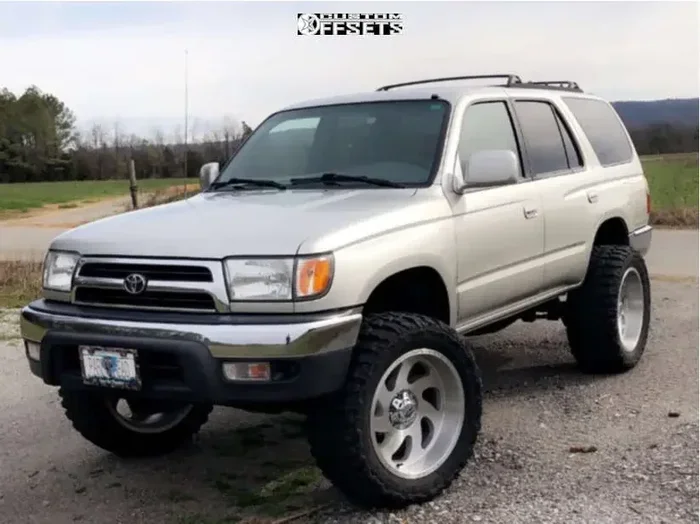
| Toyota 4Runner | 5-speed or 6-speed automatic | Rare, mostly in high-mileage vehicles | Excellent |
| Toyota Sequoia | 10-speed automatic | Minimal reported issues | Very Good |
As you can see, the Highlander holds up well compared to its Toyota siblings. Toyota vehicles in general are known for their durability. If you are curious about how Japanese cars compare to American cars in terms of overall longevity, Toyota consistently ranks at the top. Do Japanese cars last longer than American cars? In most cases, yes. Toyota’s build quality and reputation for reliability are major reasons why.
When to Consider Replacing Your Highlander
Sometimes the transmission damage is too extensive to justify a repair. Knowing when to move on from your current Highlander is an important part of the decision-making process.
Consider replacing the vehicle if:
- The transmission repair cost exceeds the vehicle’s market value.
- You are facing repeated transmission failures.
- The vehicle has very high mileage and other major systems are also showing wear.
- You need a more reliable daily driver for your family.
If you do decide to replace your Highlander, buying from a car salesman who is transparent about the vehicle’s history is important. Understanding how car salesmen get paid can also help you negotiate better. Many car salesmen work on commission, so they are motivated to find you a vehicle that fits your needs and budget.
Remember, the Toyota Highlander holds its value well. Even with transmission issues, a well-maintained Highlander can still be a solid vehicle for the right buyer. Just make sure you get a full vehicle history report and a pre-purchase inspection before buying a used one.
Expert Tips for Long-Lasting Highlander Transmission Health
We asked experienced mechanics and long-time Highlander owners for their best advice. Here is what they recommend:
- Change the fluid early and often. Do not wait for the scheduled interval if you drive in harsh conditions like stop-and-go traffic, extreme heat, or when towing.
- Check for recalls. Toyota has issued recalls for certain Highlander model years related to transmission components. Visit the NHTSA website or check with your dealer to see if your vehicle is affected.
- Warm up the vehicle gently. In cold weather, allow the transmission to warm up before driving aggressively. This lets the fluid circulate and lubricate all the moving parts properly.
- Avoid riding the brakes. Constant light braking on highways can cause overheating and premature wear on the transmission and drivetrain.
- Keep the transmission cooler. If you tow frequently, consider installing an auxiliary transmission cooler. This simple upgrade can significantly extend the life of the transmission.
Final Thoughts
So, do Highlanders have transmission problems? The honest answer is that some do, but the vast majority do not. Toyota built the Highlander to be a dependable family SUV, and the transmission is built to match that goal. Most Highlanders will go their entire lives without a major transmission issue, especially when properly maintained.
The key takeaways are simple. Stay on top of fluid changes. Watch for warning signs like slipping, hesitation, or unusual noises. Address small problems before they become big ones. And know which model years have drawn more complaints than others.
Owning a Toyota Highlander is a great experience for most families. The vehicle offers comfort, space, and reliability in a package that is hard to beat. By taking care of the transmission, you are taking care of the heart of your vehicle. And a well-maintained Highlander will reward you with years of dependable service.
Whether you are a current owner or shopping for a used one, being informed is your best defense against unexpected repairs. Keep this guide handy, share it with fellow Highlander owners, and drive with confidence knowing you understand what is under the hood.
Frequently Asked Questions
What are the most common transmission problems in Toyota Highlanders?
The most common issues include rough shifting, transmission slipping, delayed engagement, and fluid leaks. These problems are more frequently reported in first-generation Highlanders from 2005 to 2007. Newer models have seen far fewer complaints, with most issues being minor and software-related.
How often should I change the transmission fluid in my Highlander?
Toyota recommends changing the transmission fluid every 60,000 miles for older Highlanders. Newer models may have longer intervals, but it is a good practice to check the fluid condition regularly. If you drive in severe conditions like towing or extreme heat, consider changing it more frequently.
Is the Highlander transmission covered under Toyota’s warranty?
Yes, Toyota’s powertrain warranty typically covers transmission defects for 60,000 miles or 5 years, whichever comes first. Some extended warranty programs may provide additional coverage beyond the factory warranty period.
Can I drive my Highlander if the transmission is slipping?
It is not recommended. Driving with a slipping transmission can cause further damage and lead to much more expensive repairs. If you notice slipping, get the vehicle inspected by a qualified mechanic as soon as possible.
Are newer Highlanders better than older ones for transmission reliability?
Generally, yes. Newer Highlanders benefit from more advanced transmission technology, better materials, and improved engineering. The 10-speed automatic in the fourth generation is the most refined and reliable transmission Toyota has offered in the Highlander lineup.
What should I do if my Highlander transmission fails?
First, check if your vehicle is still under warranty. If it is, take it to the dealer for covered repairs. If the warranty has expired, get multiple quotes from reputable transmission shops. Consider the cost of repair versus the vehicle’s overall value before making a decision.
Frequently Asked Questions
What is Do Highlanders Have Transmission Problems?
Do Highlanders Have Transmission Problems is an important topic with many practical applications.