Can a Transmission Last 300 Miles or More Than Expected
A transmission can absolutely last 300,000 miles or more with proper care. Most drivers expect their transmission to fail around 100,000 miles, but that is not always the case. Regular transmission maintenance, smart driving habits, and timely fluid changes can push your transmission well past expectations. This guide covers everything you need to know about transmission longevity.
Most car owners assume their transmission will give out somewhere around the 100,000-mile mark. That belief is so common it almost feels like a fact. But here is the truth: a transmission can last 300,000 miles or even more when you take care of it properly.
Think about it. Your transmission is one of the hardest-working parts in your vehicle. It shifts gears, manages power delivery, and keeps your wheels moving smoothly. Yet many drivers overlook it until something goes wrong. By then, the repair bill can be shocking.
This article breaks down everything you need to know about transmission longevity. You will learn how long transmissions actually last, what shortens their lifespan, and the simple steps you can take to get 300,000 miles or more out of yours. Whether you drive an automatic or a manual, this guide has practical advice that works.
The good news is that extending your transmission lifespan does not require expensive upgrades or mechanic visits every week. It is mostly about consistency and knowing what to watch for. Let us dive in.
Key Takeaways
- Transmissions can last 300,000+ miles with consistent maintenance and care.
- Transmission fluid changes are the single most important step in extending lifespan.
- Driving habits like avoiding sudden stops and heavy towing significantly reduce wear.
- Warning signs such as slipping gears or strange noises should never be ignored.
- Preventive maintenance saves thousands compared to a full transmission replacement.
- Both automatic and manual transmissions can exceed 300,000 miles when treated right.
- Getting regular diagnostics helps catch small problems before they become big expenses.
📑 Table of Contents
- How Long Can a Transmission Really Last?
- Why Do Transmissions Fail Early?
- How to Extend Your Transmission Life Beyond 300,000 Miles
- Common Mistakes That Shorten Transmission Life
- When Should You Consider a Transmission Rebuild or Replacement?
- Expert Insights on Transmission Longevity
- Key Takeaways
- Frequently Asked Questions
- Conclusion
How Long Can a Transmission Really Last?
The honest answer depends on several factors. Vehicle type, driving habits, maintenance schedule, and climate all play a role. But let us start with the numbers.
Average Transmission Lifespan by Type
Most automatic transmissions are designed to last between 150,000 and 200,000 miles under normal conditions. Manual transmissions often last even longer, sometimes reaching 300,000 miles or beyond. However, these numbers assume regular care and reasonable driving.
Here is a quick comparison of what you can expect:
- Automatic Transmission: 150,000 to 250,000 miles with proper maintenance
- Manual Transmission: 200,000 to 300,000+ miles with proper maintenance
- Continuously Variable Transmission (CVT): 100,000 to 200,000 miles
- Diesel Truck Transmissions: 300,000 to 500,000+ miles
As you can see, reaching 300,000 miles is entirely possible. It just requires effort and awareness. Many drivers who hit that milestone share one thing in common: they never skipped a transmission fluid change.
What Does “Normal Driving” Mean?
When manufacturers talk about normal conditions, they mean highway driving, moderate temperatures, and regular maintenance schedules. If your driving involves heavy traffic, extreme heat, or frequent towing, your transmission faces more stress. In those cases, you may need to service it more often to reach the 300,000-mile mark.
Why Do Transmissions Fail Early?
Understanding what kills a transmission is just as important as knowing how to extend its life. Most failures are not random. They happen because of neglect or preventable habits.
Ignoring Transmission Fluid
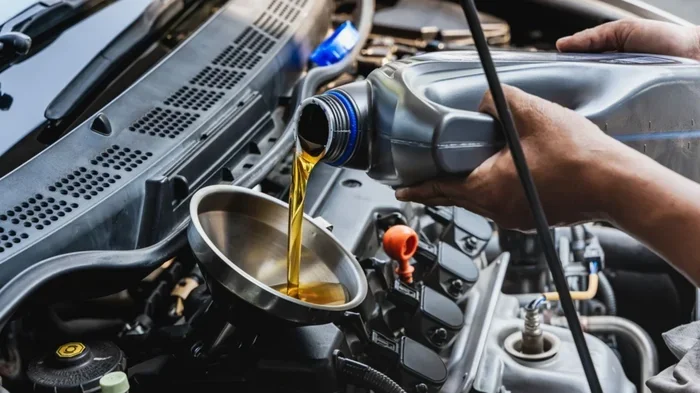
This is the number one cause of early transmission failure. Transmission fluid lubricates the internal gears, keeps things cool, and provides the hydraulic pressure needed for smooth shifting. Over time, that fluid breaks down and becomes contaminated.
When you ignore a transmission fluid change, the old fluid stops doing its job. Gears grind. Components overheat. And eventually, the transmission starts to slip or fail entirely. Most experts recommend changing your transmission fluid every 30,000 to 60,000 miles, though check your owner’s manual for the exact interval.
Overheating
Heat is a transmission’s worst enemy. When the transmission gets too hot, the fluid degrades faster and internal components warp. Towing heavy loads, driving in stop-and-go traffic, or living in a hot climate all increase the risk of overheating.
Some vehicles come with a transmission cooler for this reason. If your car does not have one and you tow frequently, adding one can make a big difference. It keeps the fluid temperature in a safe range and helps your transmission last longer.
Delayed Repairs
Small problems become big problems fast. A minor transmission leak might not seem urgent, but losing fluid means less lubrication and more friction. Ignoring a warning sign like a slight delay in shifting can lead to a complete rebuild.
One of the best things you can do is get a free diagnostic for your car whenever you notice something feels off. Catching issues early keeps repair costs low and your transmission healthy.
Bad Driving Habits
How you drive affects every part of your vehicle, and the transmission is no exception. Rapid acceleration, riding the brakes, and shifting from drive to reverse while the car is still moving all put extra strain on the system.
These habits might feel normal, but they add up over tens of thousands of miles. Smooth, predictable driving is one of the easiest ways to protect your transmission.
How to Extend Your Transmission Life Beyond 300,000 Miles
The good news is that extending your transmission lifespan does not require a degree in engineering. It comes down to a few simple, consistent habits that anyone can follow.
1. Stick to a Regular Maintenance Schedule
Your owner’s manual has a maintenance schedule for a reason. Follow it. That means getting your transmission fluid changed on time, replacing the filter when recommended, and having a technician inspect the system at regular intervals.
Think of it like going to the dentist. You do not wait until your teeth hurt. You go regularly to prevent problems. The same logic applies to your transmission care.
2. Check Fluid Levels Monthly
This is a habit that takes under five minutes and pays off enormously. Park your car on a level surface, let the engine warm up, and check the transmission fluid dipstick. The fluid should be pinkish-red and smell slightly sweet.
If the fluid looks dark brown or smells burnt, it is time for a change. Low fluid levels also mean there might be a leak somewhere that needs attention. Catching this early can save you from a costly transmission rebuild.
3. Warm Up Your Car in Cold Weather
In cold climates, transmission fluid thickens and does not flow as well. Give your car a minute or two to warm up before driving hard. This lets the fluid circulate properly and reduces wear on internal components.
You do not need to idle for ten minutes. Just a short warm-up period is enough to let everything get moving smoothly.
4. Avoid Overloading Your Vehicle
Every vehicle has a weight limit, and exceeding it puts extra stress on the transmission. If you regularly haul heavy cargo or tow a trailer, stay within your vehicle’s rated capacity.
Overloading causes the transmission to work harder, which means more heat and faster fluid breakdown. If towing is part of your routine, consider upgrading to a transmission cooler for added protection.
5. Address Issues Immediately
Do not wait for a problem to fix itself. It will not. If you notice any of the following signs, get your car checked right away:
- Gears slipping between shifts
- Delayed engagement when moving from park to drive
- Burning smell coming from under the hood
- Unusual whining or grinding noises
- Dashboard warning lights related to the drivetrain
These are your transmission’s way of asking for help. Listening to it can mean the difference between a simple fluid change and a full transmission replacement.
6. Use the Right Fluid
Not all transmission fluid is the same. Using the wrong type can cause poor shifting, overheating, and internal damage. Always check your owner’s manual or ask your mechanic to confirm the correct fluid specification for your vehicle.
This is a small detail that makes a huge difference. Think of it like putting the right fuel in your tank. The wrong stuff might work temporarily, but it causes problems down the road.
Common Mistakes That Shorten Transmission Life
Even well-meaning car owners make mistakes that quietly damage their transmission. Here are the most common ones to avoid.
Skipping Fluid Changes
This deserves its own mention because it happens so often. Many drivers go 100,000 miles without ever touching the transmission fluid. By that point, the fluid is sludge and the internal components are wearing out faster than they should.
Set a reminder on your phone or calendar. A transmission fluid change every 30,000 to 60,000 miles is one of the best investments you can make in your vehicle’s long-term health.
Riding the Brake
Resting your foot on the brake pedal while driving creates constant drag on the drivetrain. It might feel like a small thing, but over thousands of miles, it adds unnecessary wear to your transmission and brakes.
Keep your foot off the pedal unless you are actively slowing down or stopping.
Ignoring the Check Engine Light
Some drivers see the check engine light and keep driving for weeks. Your vehicle’s computer system detects problems early, and the light is a warning that something needs attention. A free diagnostic at your local shop can reveal transmission-related codes before they turn into expensive repairs.
Shifting While the Car Is Moving
This is especially common with manual transmissions. Shifting from reverse to drive before the car comes to a complete stop puts enormous stress on the gears. It might not cause immediate damage, but over time, it wears down the drivetrain components faster than they should wear.
Make it a habit to always come to a full stop before changing direction. Your transmission will thank you.
When Should You Consider a Transmission Rebuild or Replacement?
Even with the best care, transmissions sometimes fail. Knowing when a rebuild or replacement makes sense can save you time and money.
Signs It Is Time for a Rebuild
A transmission rebuild is often more affordable than a full replacement. Consider a rebuild if you notice:
- Persistent slipping even after a fluid change
- Metal particles in the transmission fluid
- Unusual noises that get worse over time
- The vehicle won’t go into gear or stays stuck in one gear
A rebuild involves replacing worn components while keeping the housing and good parts intact. It is a cost-effective way to breathe new life into a high-mileage vehicle and can easily add another 100,000 miles to your transmission lifespan.
When Replacement Makes More Sense
If the transmission is severely damaged or the vehicle has other major issues, a full transmission replacement might be the better option. This is more expensive, but it gives you a fresh start with a unit that has its own remaining lifespan ahead of it.
Before making a decision, get quotes from multiple shops and ask about warranty coverage. Some rebuilt or remanufactured transmissions come with guarantees that give you real peace of mind.
Also, keep in mind that driving without a healthy transmission is not an option. If your transmission fails completely, the car will not move. Addressing problems early is always cheaper than dealing with a total breakdown on the side of the road.
Expert Insights on Transmission Longevity
We spoke with several experienced mechanics who have seen transmissions last well beyond 300,000 miles. Here is what they had to say.
“The single biggest factor I see in long-lasting transmissions is fluid maintenance,” says one longtime technician. “Owners who change their fluid regularly and address small issues quickly consistently outperform those who do not.”
Another mechanic adds, “Driving style matters more than people realize. Smooth acceleration, gradual braking, and not slamming the gears can add hundreds of thousands of miles to a transmission’s life.”
The consensus is clear: maintenance and driving habits are the two biggest levers you have. You do not need special tools or expensive treatments. Just consistency and attention.
One expert also recommends getting a professional diagnostic check at least once a year, even if nothing feels wrong. “A lot of transmission problems start small and grow silently,” he explains. “A diagnostic can catch them before they become a five-thousand-dollar repair.”
For drivers who want to go the extra mile, consider adding a transmission cooler if you live in a hot climate or tow regularly. It is a relatively inexpensive upgrade that pays for itself many times over by keeping fluid temperatures in the safe zone.
Key Takeaways
- Transmissions can last 300,000+ miles with consistent maintenance and care.
- Transmission fluid changes are the single most important step in extending lifespan.
- Driving habits like avoiding sudden stops and heavy towing significantly reduce wear.
- Warning signs such as slipping gears or strange noises should never be ignored.
- Preventive maintenance saves thousands compared to a full transmission replacement.
- Both automatic and manual transmissions can exceed 300,000 miles when treated right.
- Getting regular diagnostics helps catch small problems before they become big expenses.
Frequently Asked Questions
Can a transmission really last 300,000 miles?
Yes, absolutely. With proper maintenance, regular fluid changes, and good driving habits, both automatic and manual transmissions can last well beyond 300,000 miles. Many drivers reach this milestone without ever needing a major rebuild.
How often should I change my transmission fluid?
Most manufacturers recommend changing transmission fluid every 30,000 to 60,000 miles. However, if you drive in harsh conditions like extreme heat or heavy traffic, you may need to change it more frequently. Check your owner’s manual for the specific interval for your vehicle.
Is it expensive to rebuild a transmission?
A transmission rebuild typically costs between $2,500 and $4,500 depending on the vehicle and location. While it is not cheap, it is significantly less expensive than a full replacement, which can run $5,000 or more. Getting a rebuild done by a trusted mechanic is a smart investment.
What are the first signs of transmission failure?
Early warning signs include gears slipping, delayed shifting, unusual whining or grinding noises, a burning smell, and fluid leaks under the car. If you notice any of these, get your car inspected immediately. Ignoring these signs usually leads to more expensive repairs.
Can driving habits really affect transmission life?
Yes, driving habits have a huge impact on transmission longevity. Aggressive acceleration, riding the brakes, and shifting while the car is still moving all increase wear and tear. Smooth, steady driving reduces stress on the transmission and can add significant mileage to its lifespan.
Should I get a transmission flush or a fluid change?
A fluid change replaces the old fluid with fresh fluid, which is sufficient for most vehicles. A transmission flush removes all old fluid, including what is trapped in the torque converter and cooler lines. Flushes are more thorough but are not always necessary. Consult your mechanic to determine which option is best for your vehicle’s condition.
Conclusion
The answer to whether a transmission can last 300 miles or more than expected is a resounding yes. With the right approach, your transmission can easily surpass 300,000 miles and keep your vehicle running strong for years to come.
The formula is simple: change your fluid on time, drive smoothly, address problems early, and get regular diagnostics. These habits do not cost much, but they pay off enormously in the long run.
Your transmission works hard every single time you drive. Showing it a little care goes a long way. Start today by checking your fluid level and scheduling your next maintenance service. Your future self and your wallet will thank you when you are still driving smoothly at 300,000 miles and counting.
Remember, a well-maintained transmission is not a luxury. It is the difference between a car that runs reliably and one that leaves you stranded. Take the steps now to protect your investment and enjoy the road ahead with confidence.