Can a Dead Hybrid Battery Be Recharged Successfully
A dead hybrid battery can often be recharged, but the method depends on the battery type, the severity of the drain, and your vehicle’s design. Most hybrid cars use a high-voltage battery paired with a smaller 12-volt auxiliary battery. While some mild discharges can be fixed with a simple jump start or driving, deeply depleted hybrid battery modules may need professional battery health checks or full replacement. Understanding how your hybrid car battery works helps you make smart decisions and avoid costly mistakes.
Have you ever walked out to your hybrid car only to find it won’t start? That sinking feeling is all too real. A dead hybrid battery can leave you stranded and confused, especially if you are used to the simplicity of a regular gas car. The good news is that in most cases, a dead hybrid battery can be recharged successfully. But the method you use matters a lot. Using the wrong approach could make things worse or even damage your vehicle’s electrical system.
This guide walks you through everything you need to know about recharging a dead hybrid battery. We will cover how these batteries work, why they die in the first place, which methods actually work, and when you should call a professional. By the end, you will feel confident about handling this common hybrid vehicle maintenance issue without unnecessary stress or expense.
Key Takeaways
- Yes, most dead hybrid batteries can be recharged using the right method, whether through driving, a charger, or a jump start.
- Hybrid battery warning signs like reduced fuel economy, dim lights, or dashboard alerts should never be ignored.
- Driving alone may not fully recharge a deeply depleted high-voltage battery, especially in older nickel-metal hydride models.
- Professional diagnostic tools can assess battery state of charge and module health before you spend money on replacements.
- Battery degradation is natural, but proper hybrid battery maintenance can significantly extend your battery life.
- Replacement cost varies widely, so getting a free diagnostic first can save you hundreds of dollars.
- Know when to seek help — some battery management system issues require a trained technician.
📑 Table of Contents
- How Does a Hybrid Battery Work?
- Why Does a Hybrid Battery Die?
- Can You Recharge a Dead Hybrid Battery at Home?
- How to Know If Your Hybrid Battery Is Dead
- How Much Does It Cost to Fix or Replace a Hybrid Battery?
- How to Prevent a Dead Hybrid Battery
- Common Mistakes People Make With Dead Hybrid Batteries
- When to Call a Professional
- Final Thoughts
How Does a Hybrid Battery Work?
Before you can fix a problem, you need to understand what caused it. Hybrid cars use two separate battery systems, and confusing them is the number one mistake most people make.
The High-Voltage Traction Battery
The big battery pack under your seat or trunk powers the electric motor. This high-voltage battery typically runs between 200 and 400 volts. It stores energy that comes from two sources: regenerative braking and the gas engine. When you slow down, the electric motor acts as a generator and sends power back into the battery. This clever system is called regenerative braking, and it is why hybrids get such great fuel economy.
Most modern hybrids use lithium-ion battery technology, while older models rely on nickel-metal hydride cells. Both types have a limited number of charge cycles. Over time, the battery’s ability to hold a full charge naturally decreases. This is called battery degradation, and it is completely normal.
The 12-Volt Auxiliary Battery
Your hybrid also has a standard 12-volt battery, just like a regular car. This small battery powers the computers, lights, and ignition system. Many people assume their hybrid is dead when it is actually just this little 12-volt battery that has gone flat. The good news is that this battery is easy and cheap to replace. You can even jump start a hybrid car in most cases, though the process is slightly different from a gas-only vehicle.
Why Does a Hybrid Battery Die?
A dead hybrid battery does not usually happen overnight. There are several reasons why your battery might lose its charge, and understanding the cause helps you choose the right fix.
Leaving Lights or Accessories On
This is the most common reason. Forgetting to turn off your headlights or leaving a phone charger plugged in can drain the 12-volt battery overnight. In a hybrid, the 12-volt battery also supports the battery management system, which monitors the health of your high-voltage pack. If the 12-volt battery dies, the entire system goes into sleep mode, and the car will not start.
Extended Periods of Inactivity
If you have not driven your hybrid in a few weeks or months, the batteries slowly lose charge. The 12-volt battery is especially vulnerable to this. Older nickel-metal hydride batteries also self-discharge faster than modern lithium-ion packs. If you own a second car or seasonal vehicle, this is something to watch for.
Faulty Battery Modules
Sometimes one or more modules inside the high-voltage battery pack fail. A single bad module can drag down the entire system. You might notice that your fuel economy drops sharply or that the car switches to gas-only mode more often. This is a sign of battery module failure, and it usually requires professional attention.
Extreme Temperatures
Both very hot and very cold weather can hurt your hybrid battery. Cold temperatures reduce the battery’s ability to accept a charge, while extreme heat speeds up battery degradation. If you live in a climate with harsh winters or scorching summers, your battery may need extra care.
Failing Battery Management System
The battery management system controls how energy flows between the battery and the motor. When this computer system malfunctions, it can prevent proper charging or cause uneven discharge across battery modules. This is a less common but more serious issue that typically needs a diagnostic scan to identify.
Can You Recharge a Dead Hybrid Battery at Home?
The short answer is yes, in many cases. But the method depends on which battery is dead and how dead it really is.
Method 1: Drive the Car
The simplest way to recharge a mildly drained hybrid battery is to drive it. As you drive, the gas engine and regenerative braking work together to restore charge to the battery pack. For a slightly depleted 12-volt battery, just letting the car idle for 15 to 20 minutes can help.
However, here is an important caveat. Driving alone usually will not fully recharge a deeply depleted high-voltage battery. The battery state of charge relies on proper charging cycles, and a completely dead battery may need an external charger. Think of it like a phone battery — if it drops below a certain level, a quick top-up does not always bring it back to full health.
Method 2: Use a Hybrid Battery Charger
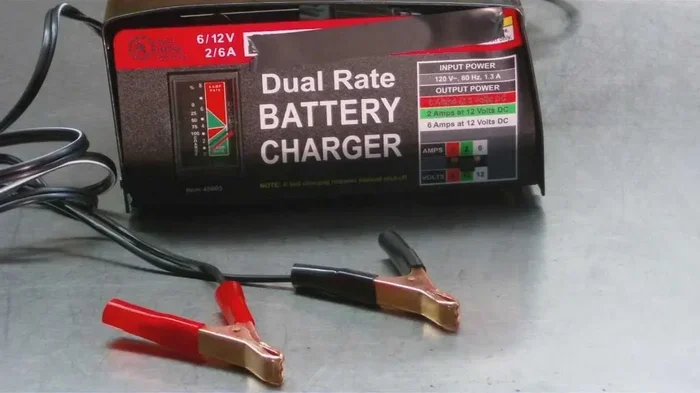
Dedicated hybrid battery chargers are available for purchase or rental. These devices connect to the high-voltage battery and slowly restore it to full capacity. They are especially useful for nickel-metal hydride batteries that have been sitting unused for a long time.
You can find these chargers at most auto parts stores or online. Prices range from about $50 for a basic trickle charger to several hundred dollars for a smart charger that automatically adjusts the charging rate. If you own a hybrid long-term, investing in a quality charger is a smart move for hybrid battery maintenance.
Method 3: Jump Start the 12-Volt Battery
If your problem is a dead 12-volt auxiliary battery, a standard jump start can get you going again. You will need jumper cables and another vehicle or a portable jump starter. Always check your owner’s manual for the correct jump-starting procedure, as hybrid cars have specific safety points you must follow.
For most hybrids, the 12-volt jump start terminals are located under the hood or in the trunk. Connect the cables in the correct order — positive to positive, negative to a ground point on the frame — and let the good battery charge yours for about 10 minutes before trying to start the car.
Important: You can jump start a hybrid car safely, but you must never connect jumper cables to the high-voltage orange cables. Those carry dangerous voltage levels and are clearly marked for a reason. Stick to the 12-volt terminals only.
Method 4: Professional Battery Reconditioning
For batteries that are deeply discharged or have suffered module failure, professional reconditioning is the best option. A technician uses specialized equipment to individually charge each battery module and test their capacity. This process can often bring a seemingly dead battery back to life without the need for a full battery replacement.
Many shops offer a free diagnostic for your car as part of their battery service. This lets you understand the true condition of your battery before committing to any expensive repairs. It is always worth exploring this option first.
How to Know If Your Hybrid Battery Is Dead
Catching the problem early can save you from a complete breakdown. Here are the most common hybrid battery warning signs to watch for.
- Dashboard warning lights: The check engine light, battery alert, or a specific hybrid system warning light may illuminate.
- Reduced fuel economy: If your miles per gallon drop noticeably, the battery may not be holding a proper charge.
- Car won’t start: A completely dead 12-volt battery will prevent the car from turning over.
- Strange noises: Clicking sounds when you turn the key or whirring noises from the engine bay can signal battery issues.
- Vehicle stuck in gas-only mode: Some hybrids default to gas-only operation when the battery is too low or faulty.
- Battery indicator on the dashboard: Many hybrids show a real-time battery charge level. If it stays low even after driving, something is wrong.
- Age of the battery: Most hybrid batteries last between 8 and 15 years. If yours is approaching that range, degradation is likely.
If you notice any of these signs, do not ignore them. The longer you wait, the worse the problem can become. A quick battery health check at a trusted shop can identify the issue early and save you significant money.
How Much Does It Cost to Fix or Replace a Hybrid Battery?
The cost depends heavily on the type of battery, the vehicle model, and whether you need a full replacement or just a module repair.
| Repair Option | Estimated Cost | Best For |
|---|---|---|
| 12-Volt Battery Replacement | $50 – $200 | Dead auxiliary battery |
| Single Module Replacement | $200 – $800 | One failed battery module |
| Battery Reconditioning | $300 – $1,000 | Drained or degraded battery |
| Full Battery Pack Replacement | $2,000 – $8,000+ | Severe module failure or old age |
| Refurbished Battery Pack | $1,000 – $4,000 | Cost-effective full replacement |
As you can see, the cost varies dramatically. A dead 12-volt battery is a quick and affordable fix. But a failed high-voltage battery pack can be a major expense. This is why early detection and proper maintenance matter so much.
Many manufacturers offer a hybrid battery warranty that covers the battery pack for 8 to 10 years or 100,000 miles. Check your warranty before paying for any replacement. You may also find that a battery reconditioning service restores enough capacity to get you through the warranty period.
How to Prevent a Dead Hybrid Battery
Prevention is always better than cure, and maintaining your hybrid battery does not have to be complicated. A few simple habits can keep your battery healthy for years.
Drive Your Car Regularly
The best thing you can do for your hybrid battery is use it. Regular driving keeps the battery in a healthy charge cycle and prevents deep discharge. If you have a second car, try to drive the hybrid at least once a week for 20 to 30 minutes.
Avoid Fully Depleting the Battery
Just like your phone battery, your hybrid battery lasts longer when you avoid running it completely empty. Try to keep the battery state of charge between 20% and 80% for optimal longevity. Constantly draining the pack to zero accelerates battery degradation.
Keep the Battery Clean and Cool
Dirt and debris around the battery pack can trap heat, which speeds up wear. Periodically check the area around your battery for buildup. Also, make sure your cooling system is working properly, since many hybrids use liquid cooling for the battery pack.
Get Regular Maintenance Checks
Include your hybrid battery in your regular service schedule. A technician can check the battery management system, test individual module voltages, and catch small issues before they become big problems. Many shops offer a free diagnostic that covers this.
Use the Right Charger
If you plan to store your hybrid for an extended period, use a smart battery maintainer or trickle charger. These devices keep the 12-volt battery at the proper voltage without overcharging. They are inexpensive and can prevent the headache of a dead battery when you return to your car.
Common Mistakes People Make With Dead Hybrid Batteries
Avoiding these mistakes can save you time, money, and potentially dangerous situations.
- Trying to jump start the high-voltage battery: Never connect jumper cables to the orange high-voltage terminals. This can cause serious injury or death.
- Ignoring warning lights: Dismissing a battery alert because the car still drives is a recipe for a bigger problem down the road.
- Using the wrong charger: Not all battery chargers work with hybrid systems. Always use a charger designed for your specific battery type.
- Assuming the battery is dead when it is the 12-volt: Many people replace a perfectly good high-voltage battery when the real culprit is a simple 12-volt drain.
- Waiting too long to seek help: The longer a dead battery stays discharged, the more damage it can sustain. Act quickly when you notice problems.
When to Call a Professional
There is no shame in calling for help, and knowing when to do so is part of being a smart car owner. You should seek professional assistance if:
- The car still will not start after a jump start or overnight charge.
- Multiple warning lights appear on the dashboard simultaneously.
- You notice a burning smell or see visible damage to the battery pack.
- The battery is more than 10 years old and showing multiple symptoms.
- You are unsure which battery is causing the problem.
A professional can run a full battery health check and use diagnostic tools to read the battery management system codes. This gives you a clear picture of what is actually wrong. Many reputable shops offer a free diagnostic, which means you have nothing to lose by getting a professional opinion first.
If you are looking for a reliable mechanic, consider getting a free diagnostic before committing to any repair. This approach helps you understand the real cost and scope of the work needed. You can learn more about getting a free diagnostic for your car and how it can save you money on unnecessary repairs.
Also, if your hybrid battery issue is related to starting problems, you may want to explore how jump starting a hybrid car differs from a traditional vehicle. Understanding the differences keeps you safe and prevents costly mistakes.
Final Thoughts
A dead hybrid battery is a frustrating problem, but it is rarely the end of the road for your vehicle. In most cases, the battery can be recharged using the right method. Whether you need a simple jump start, a dedicated charger, or professional reconditioning, the solution is almost always available.
The key is to act quickly, identify which battery is actually dead, and avoid common mistakes that can make the situation worse. Regular hybrid battery maintenance and smart driving habits go a long way toward preventing problems before they start.
Remember that your hybrid battery is a sophisticated piece of technology that deserves proper care. Treat it well, and it will reward you with years of reliable, efficient driving. Stay proactive, stay informed, and your hybrid will keep running strong for miles to come.
Frequently Asked Questions
Can I jump start my hybrid car if the 12-volt battery is dead?
Yes, you can jump start a hybrid car with a dead 12-volt battery using standard jumper cables and another vehicle. Just make sure you connect the cables to the correct 12-volt terminals and never touch the high-voltage orange cables. Always refer to your owner’s manual for the proper jump-starting procedure specific to your vehicle model.
How long does it take to recharge a dead hybrid battery?
A mildly depleted hybrid battery can recharge within 20 to 30 minutes of driving, thanks to regenerative braking and the gas engine. A deeply discharged battery may take several hours with a dedicated charger. The exact time depends on your battery type, the level of discharge, and the charging method you use.
Is it safe to drive with a dead hybrid battery?
No, you should not drive with a dead high-voltage battery. Most hybrids will automatically switch to gas-only mode or will not start at all if the battery is completely dead. Attempting to drive with a faulty battery can cause further damage to the electric motor and other components. Get the battery checked before driving the vehicle.
How much does it cost to replace a dead hybrid battery?
The cost ranges from $50 for a 12-volt battery to $2,000 to $8,000 or more for a full high-voltage battery pack replacement. The exact price depends on your vehicle make and model, the battery type, and whether you choose a new, refurbished, or reconditioned battery. Always get a professional diagnostic before deciding on replacement.
Can a dead hybrid battery be fixed without replacement?
Yes, in many cases a dead hybrid battery can be fixed without full replacement. Options include battery reconditioning, replacing individual failed modules, or using a professional charger to restore charge. A free diagnostic at a trusted shop can determine which option is best for your specific situation and save you significant money.
How long does a hybrid battery typically last before dying?
Most hybrid batteries last between 8 and 15 years, depending on driving habits, climate, and battery type. Lithium-ion batteries tend to last longer than older nickel-metal hydride packs. Regular maintenance, avoiding deep discharges, and driving the car frequently can help extend your battery life well beyond the average range.