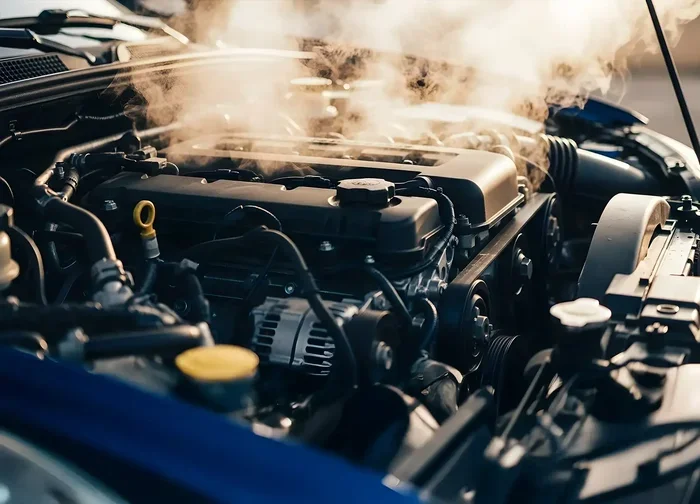
Can Skipping Oil Changes Cause Your Engine to Overheat
Skipping oil changes cause overheating because old oil loses its ability to cool and lubricate your engine. When oil breaks down, friction increases, heat builds up, and serious damage can follow. This guide explains the connection and shows you how to protect your vehicle.
Have you ever seen your temperature gauge climb while stuck in traffic? That spike can be terrifying. The truth is, skipping oil changes cause overheating in ways many drivers don’t expect. Fresh oil does more than lubricate; it pulls heat away from critical engine parts. When you miss an oil change, that heat has nowhere to go. Over time, the oil breaks down, turns sludgy, and loses its cooling power. This can lead to a host of expensive problems.
Your engine works hard every day. It generates enormous heat from combustion and friction. Oil acts as both a lubricant and a coolant. Without clean oil, metal parts grind against each other. This friction creates even more heat. Soon, the engine runs hotter than it should. Eventually, you might notice steam from the hood or a burning smell. These are red flags that your maintenance routine needs attention.
Many drivers ignore the oil change sticker on their windshield. They tell themselves they will get to it next week. Next week turns into next month. A few months later, the engine starts running hot. By then, the damage may already be done. Understanding the link between oil changes and engine temperature can help you avoid this nightmare.
Key Takeaways
- Old oil loses its cooling power: Degraded oil can’t absorb heat, leading to dangerous temperature spikes.
- Friction multiplies engine heat: Metal-on-metal contact in poorly lubricated parts generates excess warmth.
- Sludge blocks vital oil passages: This restricts flow and creates hot spots that can warp engine components.
- Ignoring oil changes risks a blown head gasket: Overheating from old oil can cause expensive, catastrophic repairs.
- Stick to your manufacturer’s schedule: Regular oil changes are the simplest way to prevent overheating.
- Watch for early warning signs: Temperature gauge spikes, burning smells, and engine knocks signal trouble.
📑 Table of Contents
How Skipping Oil Changes Cause Overheating
Engine oil is the lifeblood of your vehicle. It reduces friction between moving parts and carries heat away from the combustion chamber. When you skip an oil change, the oil becomes contaminated with dirt, fuel, and combustion byproducts. Its additives break down. The viscosity changes. All of this leads to poor heat transfer. Skipping oil changes cause overheating by stripping away the protective layer that keeps your engine running cool.
The Dual Role of Engine Oil
Oil has two main jobs. First, it lubricates. This prevents metal parts from grinding. Second, it cools. As oil circulates, it picks up heat from hot spots and moves it to the oil cooler or oil pan. Clean oil can handle both tasks easily. Old oil struggles with both.
- Lubrication: Creates a thin film between bearings, camshafts, and pistons.
- Cooling: Absorbs heat from cylinder walls and valve seats.
- Cleaning: Carries away carbon deposits and metal particles.
- Sealing: Helps piston rings seal against cylinder walls.
What Happens When Oil Degrades
Over time, oil undergoes thermal breakdown. Heat and oxygen cause the oil molecules to change. Additives like detergents and anti-wear agents deplete. The oil thickens or thins out. Here is a simple breakdown of the process:
- Viscosity loss: Oil becomes too thin to protect metal surfaces.
- Additive depletion: Anti-wear and detergent additives wear out.
- Sludge formation: Contaminants clump together and form dark, sticky sludge.
- Heat absorption drops: Degraded oil cannot pull heat away from engine parts.
When oil can no longer absorb heat, engine temperatures rise. This is the direct link between skipped oil changes and overheating. The oil that once flowed smoothly now acts like abrasive paste, accelerating wear and generating excess warmth.
The Direct Link Between Old Oil and Engine Heat
Old oil creates more friction inside the engine. Friction generates heat. As the oil breaks down, it can no longer form a proper lubricating film. Metal surfaces start to contact each other. This contact generates even more heat. The engine’s cooling system can only do so much.
Think of it this way. When oil is fresh, it flows like water. It reaches every nook and cranny. When oil is old, it flows like honey. It struggles to reach tight spaces. Hot spots develop. These hot spots can reach temperatures high enough to warp aluminum parts or crack cast iron.
| Property | Fresh Oil | Old Oil |
|---|---|---|
| Viscosity | Stable and smooth | Breaks down, either too thin or too thick |
| Heat Absorption | Excellent | Poor |
| Flow Rate | Fast and even | Sluggish, restricted by sludge |
| Protection Level | High | Low, metal-on-metal contact increases |
As you can see, old oil fails in every critical area. This failure leads directly to rising engine temperatures. The cooling system was designed to work with clean oil. When oil degrades, the system is overwhelmed.
Friction and Heat Buildup
Friction is the enemy of engine efficiency. Every time a piston moves or a crankshaft rotates, metal rubs against metal. Fresh oil reduces this friction to almost zero. Old oil cannot do the same. The result is excess heat. You might notice the engine running hotter than normal, especially under load or in stop-and-go traffic.
In severe cases, the heat can break down the oil film completely. This is called metal-to-metal contact. It happens in milliseconds. The resulting friction can raise local temperatures above 600 degrees Fahrenheit. At that point, the oil itself can ignite, causing an engine fire. This is why skipping oil changes cause overheating is such a serious risk.
Oil Sludge and Blocked Passages
Sludge is a thick, dark substance that forms when oil oxidizes. It clogs oil passages, oil filters, and pickup tubes. When oil cannot flow freely, certain parts of the engine receive no lubrication. Those parts overheat. This is different from low antifreeze causing overheating, but the result is similar—your engine runs too hot.
Sludge can also block the oil pickup screen. This starves the oil pump. The pump cavitates. The engine loses oil pressure. Without oil pressure, the engine can seize. This is the worst-case scenario of skipping oil changes. A seized engine means a complete rebuild or replacement.
Warning Signs That Old Oil Is Overheating Your Engine
Your car gives you clues before it breaks down. Learning to read these signs can save you from a costly repair. Here are the most common warning signs that old oil is causing your engine to overheat.
Temperature Gauge Spikes
The temperature gauge is your first line of defense. If it climbs into the red zone, pull over safely. Do not ignore it. A gauge that slowly creeps upward after a long drive can also signal a problem. Old oil reduces the engine’s ability to shed heat. The gauge reflects that struggle.
Some modern cars have oil temperature gauges. If you are lucky enough to have one, watch it closely. A steady rise in oil temperature often precedes a rise in coolant temperature. By the time the coolant gauge moves, the damage may already be underway.
Unusual Smells and Sounds
Your nose and ears can detect overheating early. A burning oil smell often means oil is leaking onto hot engine parts. A knocking or ticking noise can indicate insufficient lubrication. These sounds mean metal is contacting metal. Stop driving and check your oil level immediately.
A sweet, syrupy smell can mean coolant is mixing with oil. This happens when overheating warps the head gasket. It is a serious problem that requires immediate attention. Do not drive the car any further.
Key Takeaways: Old Oil and Overheating
- Old oil loses its ability to absorb and move heat.
- Increased friction from degraded oil raises engine temperature.
- Sludge blocks passages, creating dangerous hot spots.
- Warning signs like gauge spikes and knocking should never be ignored.
How Often Should You Change Your Oil?
Every vehicle is different. The old rule of 3,000 miles no longer applies to most modern cars. But the principle remains: change your oil before it breaks down. Here is what you need to know.
Mileage vs. Time Intervals
Most manufacturers recommend oil changes based on mileage. Common intervals are 5,000, 7,500, or 10,000 miles. But time matters too. Oil sits in the engine and absorbs moisture. Even if you drive fewer miles, oil degrades over time. A good rule is to change oil at least twice a year if you drive infrequently.
If you mostly take short trips, your oil may degrade faster. Short trips do not allow the oil to reach full operating temperature. Moisture and fuel remain in the oil. This accelerates the breakdown process. In such cases, you may need to change oil more often than the mileage suggests.
Synthetic vs. Conventional Oil
Not all oils are the same. Synthetic oil lasts longer and handles heat better. Conventional oil is cheaper but breaks down faster. Here is a quick comparison:
| Type | Typical Interval | Heat Protection | Cost |
|---|---|---|---|
| Synthetic | 7,500–15,000 miles | Excellent | Higher |
| Conventional | 3,000–5,000 miles | Good | Lower |
| Synthetic Blend | 5,000–7,500 miles | Very Good | Moderate |
Using the wrong weight oil can also reduce protection. For example, switching to a thinner oil in a hot climate, like using 5W20 instead of 0W20, might seem harmless but can lead to increased wear and higher operating temperatures. Always check your owner’s manual for the recommended viscosity.
Other Causes of Overheating You Shouldn’t Ignore
Old oil is a major cause of overheating, but it is not the only one. Understanding other causes helps you diagnose the problem faster. Many drivers assume it is just the oil, when in reality multiple systems work together to keep the engine cool.
Low Coolant and Thermostat Issues
Coolant (also called antifreeze) works alongside oil to regulate engine temperature. When coolant levels drop, the engine cannot reject heat properly. A stuck thermostat can also block coolant flow. While low antifreeze causing overheating is a common issue, it often happens alongside neglected oil maintenance. Both problems increase the risk of overheating.
A faulty thermostat may stay closed, preventing coolant from reaching the radiator. This causes rapid overheating. A water pump failure can stop coolant circulation entirely. Both are serious, but they are often preventable with regular maintenance checks.
When a Blown Head Gasket Is the Culprit
In severe cases, overheating from skipped oil changes can blow your head gasket. The head gasket seals the combustion chamber and keeps coolant and oil separate. When it fails, coolant can leak into the oil, and oil can leak into the coolant. This creates a dangerous mixture that cannot cool the engine. If you have ever wondered about driving with a blown head gasket, the answer is usually no—it is a serious risk that can destroy your engine.
Other causes include a faulty water pump, clogged radiator, or a broken cooling fan. But neglecting oil changes is one of the most preventable reasons for overheating. A simple oil change can ward off all of these problems.
Quick Tips to Prevent Overheating
Prevention is always better than repair. Here are simple habits that keep your engine cool and your oil working properly.
Daily Habits
- Check your oil level: Use the dipstick at least once a month.
- Watch the temperature gauge: Know what is normal for your car.
- Listen for unusual noises: Knocks or ticks should be investigated.
- Address leaks quickly: Oil spots under your car mean trouble.
- Keep your coolant reservoir full: Check it when the engine is cool.
Maintenance Schedule
- Follow your owner’s manual for oil change intervals.
- Use the oil viscosity recommended by the manufacturer.
- Replace the oil filter with every oil change.
- Check coolant levels monthly.
- Have a professional inspect the cooling system annually.
- Keep a log of all oil changes and mileage.
To sum it up, skipping oil changes cause overheating by removing the protective layer that keeps your engine running cool. Clean oil absorbs heat, reduces friction, and carries away contaminants. When you skip changes, the oil breaks down, sludge builds up, and temperatures climb. The result can be a blown head gasket, seized engine, or a very expensive tow bill.
Take a few minutes to check your oil. Stick to your maintenance schedule. Your engine will thank you with years of reliable service. Do not wait for the temperature gauge to tell you something is wrong. Be proactive and keep your oil fresh. A few dollars spent on oil today can save you thousands tomorrow.
Frequently Asked Questions
Frequently Asked Questions
Can I just add oil instead of changing it?
Adding oil is a temporary fix, not a replacement for a change. Old oil contains contaminants and depleted additives. Topping off mixes new oil with dirty oil, which reduces overall effectiveness. You still need a full change to remove sludge and restore proper protection.
How do I know if my oil is causing overheating?
Check your oil level and condition. If the oil is dark, gritty, or smells burnt, it is likely degraded. Also, watch for a rising temperature gauge, oil pressure warnings, or unusual engine noises. These signs often point to oil-related overheating.
Does driving in hot weather increase the risk of overheating from old oil?
Yes, hot weather puts extra stress on your engine. Old oil already struggles to absorb heat. In high temperatures, it breaks down even faster. This combination can lead to overheating more quickly than in moderate conditions. Consider shortening your oil change intervals if you drive in very hot climates.
Can a clogged oil filter cause overheating?
Absolutely. A clogged filter restricts oil flow. When oil cannot circulate properly, it cannot carry heat away from critical parts. This leads to increased friction and temperature spikes. Always replace the oil filter with every oil change.
Is it okay to drive with a slightly overheating engine?
No. Even slight overheating can cause warping, blown gaskets, or cracked heads. Pull over safely, turn off the engine, and let it cool. Do not continue driving until the problem is diagnosed. Continuing to drive can turn a small repair into a major one.
What type of oil best prevents overheating?
Full synthetic oil generally offers the best heat protection and lasts longer. It maintains its viscosity under extreme temperatures better than conventional oil. However, always use the oil weight and specification recommended by your vehicle’s manufacturer.