Can I Still Drive My Car If It Says Engine Malfunction
You can sometimes drive a short distance when your car says engine malfunction, but it is not safe to ignore this warning. The engine malfunction light signals a problem that could range from minor to serious. Understanding what the light means helps you make smart decisions about your car maintenance and avoids costly vehicle repair bills down the road.
Key Takeaways
- The check engine light is a warning system: It tells you something in your engine or emissions system needs attention.
- Short drives may be safe in some cases: If the light is steady and the car runs normally, you can drive carefully to a mechanic.
- Flashing lights mean stop immediately: A flashing engine malfunction light signals a serious problem like engine misfire or catalytic converter damage.
- Common causes include sensor failures and fuel issues: Loose gas caps, oxygen sensor problems, and spark plug issues top the list.
- Ignoring the light can cause expensive damage: What starts as a small issue can become a major car repair cost if you delay.
- Use an OBD scanner for quick answers: A diagnostic tool can tell you the error code and help you decide your next step.
- Regular car maintenance prevents warning lights: Routine service keeps your engine healthy and catches problems early.
📑 Table of Contents
- Can I Still Drive My Car If It Says Engine Malfunction?
- What Does the Engine Malfunction Light Actually Mean?
- Common Reasons Your Car Shows an Engine Malfunction
- Is It Safe to Drive With the Engine Malfunction Light On?
- How to Diagnose the Problem
- What Happens If You Ignore the Engine Malfunction Light?
- How to Prevent Engine Malfunction Lights
- Expert Insights on Engine Malfunction Lights
- Key Takeaways
- Conclusion
Can I Still Drive My Car If It Says Engine Malfunction?
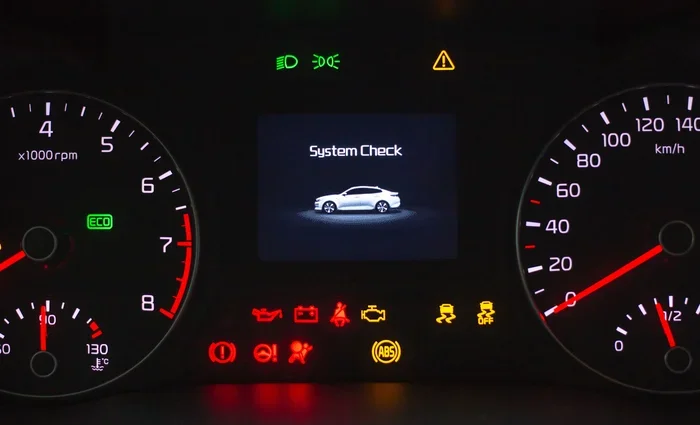
You are driving along, minding your own business, when suddenly a yellow or orange light pops up on your dashboard. It says “Engine Malfunction.” Your heart drops. You wonder, can I still drive my car if it says engine malfunction? The short answer is maybe. But the better question is, should you? Let us walk through this together so you know exactly what to do when that dreaded light comes on.
Your car has many systems working together at any given moment. The engine management system monitors everything from fuel delivery to emissions. When something goes wrong, the computer throws a code and lights up your dashboard. This is your car talking to you. The key is learning how to listen.
Driving with an engine malfunction warning is not always dangerous, but it is never something you should ignore. Some problems are minor. Others can destroy your engine if you keep driving. The trick is knowing the difference. This guide will help you do exactly that.
What Does the Engine Malfunction Light Actually Mean?
The engine malfunction light goes by many names. You might hear people call it the check engine light, the service engine light, or the engine warning light. They all mean the same thing. Your car’s onboard computer has detected a problem it cannot fix on its own.
The light looks different depending on your vehicle. Most cars show a yellow or orange engine shape. Some newer models display text instead of a symbol. The color matters. A yellow light usually means a less urgent issue. A red light means pull over right now. But regardless of color, you should address it soon.
Steady Light vs. Flashing Light
This is the most important distinction to understand. A steady check engine light means there is a problem, but it is not an immediate emergency. You can drive a short distance to get the car inspected. A flashing engine light, on the other hand, means stop driving immediately. A flashing light usually indicates engine misfire, which can cause serious and expensive damage to your catalytic converter and other components.
Think of it this way. A steady light is like a friend tapping you on the shoulder and saying, “Hey, check this out.” A flashing light is like that same friend grabbing your arm and yelling, “Stop right now!” Both need attention, but the urgency is very different.
Common Reasons Your Car Shows an Engine Malfunction
When the engine malfunction light comes on, your first thought might be the worst-case scenario. But most of the time, the cause is something simple. Here are the most common reasons your dashboard warning might appear.
Loose or Faulty Gas Cap
Believe it or not, a loose gas cap is one of the top reasons for the check engine light. Your fuel system relies on proper pressure. When the cap does not seal correctly, fuel vapors escape and trigger a warning. Before you panic, try tightening your gas cap. If the light was caused by a loose cap, it often goes away after a few drive cycles.
Oxygen Sensor Failure
The oxygen sensor measures how much oxygen is in your exhaust. This helps your car burn fuel efficiently. When the sensor fails, your engine runs rich or lean. A bad oxygen sensor will hurt your fuel economy and, over time, damage your catalytic converter. It is a common issue and usually not an emergency, but it does need attention.
Spark Plug or Ignition Coil Problems
Spark plugs ignite the fuel in your engine cylinders. Over time, they wear out. A worn spark plug or failing ignition coil can cause engine misfire, which triggers the malfunction light. You might notice rough idling, hesitation when accelerating, or reduced power. These are clear warning signs that your ignition system needs service.
Catalytic Converter Issues
The catalytic converter reduces harmful emissions. When it fails, the check engine light comes on. Catalytic converter problems are often the result of ignoring smaller issues for too long. A clogged or damaged converter can cause poor engine performance, reduced fuel economy, and even a smell of rotten eggs from your exhaust. Car repair cost for a catalytic converter can be significant, which is why early detection matters.
Mass Airflow Sensor Problems
The mass airflow sensor tells your car’s computer how much air is entering the engine. When this sensor gets dirty or fails, your engine runs poorly. You might notice stalling, rough acceleration, or difficulty starting. Cleaning or replacing this sensor is usually affordable and straightforward.
EVAP System Leaks
The evaporative emission control system prevents fuel vapors from escaping into the atmosphere. A leak in this system, even a tiny one, can trigger the engine malfunction light. Common causes include cracked hoses, loose connections, or a faulty purge valve.
Is It Safe to Drive With the Engine Malfunction Light On?
This is the million-dollar question, and the answer depends on several factors. Let us break it down so you can make a smart decision in the moment.
When Short Driving Is Okay
If the light is steady, your car runs normally, and you do not notice any strange symptoms, you can drive a short distance. Use this time to get to a mechanic or auto parts store for a diagnostic check. Keep your speed moderate and avoid heavy acceleration. Think of it as a cautious trip, not a joy ride.
Here are some guidelines for safe short-distance driving when the light is on:
- Drive at steady speeds, ideally under 45 miles per hour
- Avoid highways and high-stress driving conditions
- Keep an eye on your temperature gauge
- Watch for any changes in how the car feels or sounds
- Head straight to a mechanic or diagnostic center
When You Should Stop Driving Immediately
There are situations where you should pull over and turn off the engine. If you notice any of the following, do not continue driving:
- The light is flashing rapidly
- Your car is jerking or stalling
- You hear unusual knocking or pinging sounds
- Your temperature gauge is climbing into the red
- You notice a significant loss of power
- Black smoke or unusual smells are coming from the exhaust
Driving with these symptoms can cause engine damage that costs thousands of dollars to fix. If your car starts to feel wrong, trust your instincts. Pull over safely and call for help.
How to Diagnose the Problem
Once the light comes on, you have options for figuring out what is wrong. You do not have to guess. Modern cars are smart, and they leave clues.
Using an OBD Scanner
An OBD scanner is the best tool for diagnosing engine problems. This device plugs into your car’s diagnostic port, usually located under the steering column. It reads the error codes stored in your car’s computer. Each code corresponds to a specific problem.
You can buy a basic OBD scanner for under $30. Many auto parts stores will also read the codes for free. Once you have the code, you can look up what it means and decide on your next step. Some codes are minor. Others point to serious vehicle repair needs.
If you want to understand what your car is telling you, getting a free diagnostic check at an auto parts store is a great first move. It costs nothing and gives you valuable information.
Common OBD Error Codes to Know
Here are some of the most common codes you might see when your engine malfunction light is on:
- P0300: Random or multiple cylinder misfire
- P0420: Catalyst system efficiency below threshold
- P0171: System too lean (bank 1)
- P0442: Evaporative emission control leak detected
- P0135: Oxygen sensor heater circuit malfunction
These codes give you a starting point. They tell you where to look, but a professional mechanic will still need to confirm the diagnosis and perform the repair.
When to See a Professional Mechanic
While a basic diagnostic is helpful, some problems need a trained eye. If the code points to internal engine issues, transmission problems, or electrical faults, it is time to see a professional. A skilled mechanic has the tools and experience to properly diagnose and fix complex car maintenance issues.
Do not try to be your own mechanic unless you have the skills and tools. Misdiagnosing a problem can lead to wasted money and even more damage. A qualified mechanic gives you peace of mind and a proper fix.
What Happens If You Ignore the Engine Malfunction Light?
Some people see the check engine light and simply ignore it. They tell themselves it will go away. Sometimes it does. But often, the underlying problem gets worse. Here is what can happen if you keep driving without addressing the issue.
Decreased Fuel Economy
Many engine problems cause your car to burn more fuel than it should. A failing oxygen sensor, for example, can reduce your gas mileage by up to 40 percent. Over time, this adds up at the pump. What might have been a simple and cheap fix becomes a money drain.
Increased Emissions
Your car has an emissions system designed to reduce harmful pollutants. When the engine malfunction light is on, your emissions system is not working properly. This means your car is putting more pollution into the air. It also means your vehicle will likely fail an emissions inspection.
Progressive Engine Damage
This is the biggest risk. A small problem like a bad spark plug can lead to unburned fuel entering the exhaust system. Over time, this damages the catalytic converter. A catalytic converter replacement can cost anywhere from $500 to $2,500. What started as a $20 spark plug fix became a major car repair cost.
Ignoring the light can also lead to engine overheating, loss of power, and eventually a car that will not start at all. If your car won’t start and makes no noise, the problem may have been building for a long time.
Safety Risks on the Road
Beyond the financial costs, there are safety concerns. An engine that malfunctions while you are driving can leave you stranded in a dangerous location. It can also cause sudden loss of power or acceleration, which is risky in traffic. Taking care of the warning light protects both your wallet and your safety.
How to Prevent Engine Malfunction Lights
The best way to deal with the check engine light is to prevent it from coming on in the first place. Regular car maintenance goes a long way toward keeping your engine healthy and your dashboard warning-free.
Follow Your Maintenance Schedule
Your car’s owner manual includes a recommended maintenance schedule. This covers oil changes, spark plug replacements, air filter changes, and more. Following this schedule keeps your engine running smoothly and catches small problems before they become big ones.
Pay Attention to Warning Signs
Your car usually gives you clues before the check engine light comes on. Pay attention to changes in how your car feels, sounds, or smells. Unusual vibrations, strange noises, reduced power, or changes in fuel economy are all warning signs worth investigating early.
Keep Your Fuel System Clean
Using quality fuel and adding a fuel system cleaner periodically helps keep your engine running well. Dirty fuel injectors and carbon buildup can cause performance issues that trigger the malfunction light.
Address Small Problems Promptly
If you notice anything out of the ordinary, do not wait. A small repair today prevents a big repair tomorrow. This applies to everything from a loose gas cap to a slightly rough idle. Early action saves money and keeps you safe on the road.
If you are dealing with a specific situation, such as your car overheating and showing warning lights, check out our guide on whether you can drive your car after it overheats. Overheating and engine malfunction lights often go hand in hand.
Expert Insights on Engine Malfunction Lights
We asked experienced mechanics what they wish every driver knew about the check engine light. Here is what they had to say.
“The check engine light is your car’s way of asking for help,” says one veteran mechanic with over 20 years of experience. “Most people ignore it until something breaks. By then, the repair is much more expensive. A simple diagnostic scan can save you hundreds or even thousands of dollars.”
Another expert emphasizes the importance of not panicking. “A steady check engine light does not mean your car is about to explode. It means get it checked soon. But a flashing light? That is a different story. Stop driving and get it towed if needed.”
The consensus among professionals is clear. Do not ignore the light. Do not panic either. Get the diagnostic codes read, understand what they mean, and take appropriate action. This approach keeps your car safe, reliable, and affordable to maintain.
For drivers who are curious about how different car systems interact, our article on whether electric cars can overheat offers interesting insights into how modern vehicles manage engine temperature and performance.
Key Takeaways
- The engine malfunction light is a warning, not a death sentence: Your car can often still run with the light on, but it needs attention.
- Steady lights are less urgent than flashing lights: A steady light means drive carefully to a mechanic. A flashing light means stop and seek help.
- Common causes are often simple and affordable to fix: Loose gas caps, bad sensors, and worn spark plugs are frequent culprits.
- An OBD scanner gives you quick answers: Reading the error code helps you understand the severity of the problem.
- Ignoring the light leads to bigger problems: Small issues become expensive repairs when left unaddressed.
- Regular maintenance prevents warning lights: Staying on top of service keeps your engine healthy and your car reliable.
- When in doubt, get professional help: A qualified mechanic can diagnose and fix problems safely and effectively.
Conclusion
So, can you still drive your car if it says engine malfunction? The answer is it depends. If the light is steady and your car feels normal, you can drive a short distance to get it checked. If the light is flashing or your car is showing other symptoms, stop driving and seek help immediately.
The engine malfunction light exists to protect you and your car. It is not something to fear or ignore. When you understand what the light means and take prompt action, you keep your car safe, reliable, and running well for years to come.
Remember, small problems become big problems fast. A quick diagnostic scan and timely repair save you money, stress, and potentially dangerous breakdowns. The next time that yellow light pops up on your dashboard, you will know exactly what to do.
Stay proactive about your car maintenance. Keep up with regular service, pay attention to warning signs, and never underestimate the value of a simple diagnostic check. Your car works hard for you every day. Returning the favor with proper care is the best thing you can do.
For more information about car troubleshooting and common vehicle issues, explore our other helpful guides. Knowledge is power, and knowing how to respond to your car’s warning lights puts you ahead of the game.
Frequently Asked Questions
How long can I drive my car with the engine malfunction light on?
If the light is steady and the car runs normally, you can drive a short distance, usually a few miles, to reach a mechanic or auto parts store. However, you should not continue driving for extended periods. The longer you ignore the warning, the more damage can occur to your engine and emissions system.
Is it safe to drive long distances with a check engine light?
No, it is not safe to drive long distances with the engine malfunction light on. Long drives put extra stress on your engine and can turn a minor problem into a major one. Keep your trip short and head directly to a qualified mechanic for diagnosis and repair.
What should I do if the engine malfunction light comes on while driving?
First, stay calm. Check if the light is steady or flashing. If it is steady, reduce your speed and avoid heavy acceleration. Find a safe place to pull over and inspect your gas cap. If the light is flashing, pull over immediately and call for roadside assistance. Do not keep driving with a flashing light.
Can a loose gas cap cause the engine malfunction light to come on?
Yes, a loose or faulty gas cap is one of the most common reasons for the check engine light. The gas cap maintains proper pressure in your fuel system. When it does not seal correctly, fuel vapors escape and trigger the warning. Try tightening your gas cap first, as this simple fix often resolves the issue.
Will the engine malfunction light go away on its own?
Sometimes the light will turn off on its own if the problem was temporary, like a loose gas cap. However, if the underlying issue is not fixed, the light will likely return. Even if the light goes away, it is wise to get a diagnostic check to make sure there is no hidden problem that could cause bigger issues later.
How much does it cost to fix an engine malfunction?
The car repair cost varies widely depending on the cause. A loose gas cap fix costs nothing. Replacing an oxygen sensor might run $100 to $200. Spark plug replacement can be $50 to $150. However, ignoring the problem can lead to catalytic converter failure, which can cost $500 to $2,500 or more. Getting an early diagnosis is always the most affordable option.