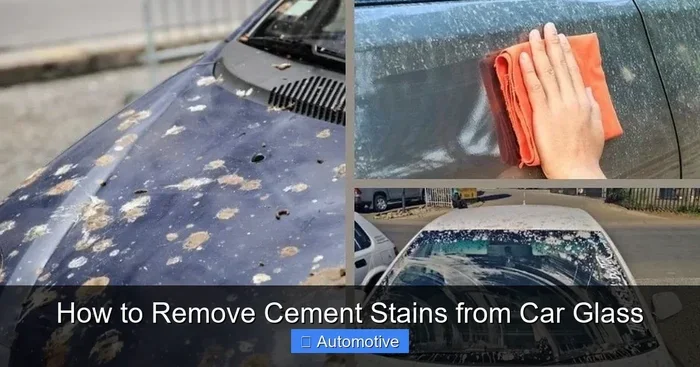
How to Remove Salt Stains From Car Glass in Seconds
Salt stains on car glass are a common winter problem that can damage your windows and reduce visibility fast. This guide shows you exactly how to remove salt stains from car glass in seconds using simple household items and professional-grade solutions. You will learn the best cleaning methods, prevention tricks, and mistakes to avoid so your car stays crystal clear all season long.
Winter driving is tough on your car. Every time you hit the road, road salt, ice melt, and brine spray coat your vehicle from bumper to bumper. But there is one area that takes the hardest hit: your car glass. Salt stains on car glass are not just ugly. They can weaken your windows over time and seriously mess with your visibility. If you have ever stared through a foggy, spotted windshield on a cold morning, you know exactly how frustrating this can be.
The good news is that how to remove salt stains from car glass is much simpler than most people think. You do not need expensive products or a trip to the detailer. With the right approach, you can get your glass looking brand new in seconds. This guide walks you through every method, every mistake to avoid, and every trick to keep your car glass spotless all winter long.
Whether you deal with light white residue or heavy crusty buildup, this article has you covered. We will break down the science behind salt damage, share the best cleaning solutions, and give you a prevention plan that actually works. Let us get your car glass looking crystal clear again.
Key Takeaways
- Quick removal is possible: Most salt stains come off with a simple vinegar and water solution in under a minute.
- Prevention saves time: Regular rinsing and protective coatings keep road salt from clinging to your car glass.
- Wrong cleaners cause damage: Avoid abrasive products and harsh chemicals that can scratch or etch automotive glass.
- DIY solutions work great: Baking soda, rubbing alcohol, and dish soap are affordable alternatives to commercial cleaners.
- Early action matters: The longer salt sits on glass, the harder it becomes to remove and the more damage it causes.
- Safety comes first: Clean your car glass in a shaded area to prevent streaking and ensure a clear view while driving.
📑 Table of Contents
- Why Salt Stains Are a Serious Threat to Car Glass
- What You Need to Remove Salt Stains From Car Glass
- Step-by-Step Guide to Remove Salt Stains From Car Glass
- Best Homemade Solutions for Salt Stain Removal
- How to Prevent Salt Stains on Car Glass
- Common Mistakes to Avoid When Cleaning Salt Stains
- Expert Insights on Winter Car Glass Care
- Quick Tips for Fast Salt Stain Removal
- Comparing Cleaning Methods for Salt Stain Removal
- When to Seek Professional Help for Salt Damage
- Conclusion
Why Salt Stains Are a Serious Threat to Car Glass
Most car owners think salt stains are just a cosmetic nuisance. That is far from the truth. Road salt and ice melt contain chemicals like calcium chloride and magnesium chloride. These compounds are highly corrosive. When they sit on your car glass, they start breaking down the surface and any protective coatings you have applied.
Here is what makes salt so damaging to your vehicle:
- Corrosion over time: Salt attracts moisture. That moisture creates a constant wet environment on your glass. Over weeks, this can lead to micro scratches and etching.
- Reduced visibility: Salt spots scatter light. This creates glare and haze that makes driving dangerous, especially at night or in low-light conditions.
- Damage to seals and frames: Salt does not just affect glass. It also attacks rubber seals, metal frames, and surrounding trim. This can lead to leaks and costly repairs.
- Permanent staining: If you let salt sit for too long, it bonds to the glass. What starts as a white powdery residue becomes a stubborn stain that needs serious effort to remove.
The key takeaway here is simple. The faster you address salt buildup, the easier the job becomes. Waiting even a few days can turn a quick wipe into a deep cleaning session. This is why knowing how to remove salt stains from car glass early is such a game changer for winter car care.
How Salt Damages Glass at a Chemical Level
When salt particles land on wet glass, they dissolve into a saline solution. As the water evaporates, the salt crystals are left behind. These crystals have jagged edges. When they build up, they create a rough surface that traps more dirt and grime. Over time, this cycle accelerates damage and makes your glass look dull and cloudy.
Some drivers also notice that their car glass cleaning efforts become less effective over time. This happens because salt residue creates a barrier that repels water and cleaning solutions. That is why using the right removal method matters so much. You need something that breaks down the salt bond, not just wipes it around.
What You Need to Remove Salt Stains From Car Glass
Before you start cleaning, gather your supplies. Having everything ready makes the process faster and more effective. You do not need a huge list of products. A few affordable items from around your house or garage will do the job.
Here is your shopping list for effective road salt residue removal:
- White distilled vinegar – a natural acid that dissolves salt deposits quickly
- Baking soda – a gentle abrasive perfect for stubborn stains
- Isopropyl alcohol – cuts through grease and speeds up drying
- Dish soap – breaks down surface grime and salt residue
- Distilled water – prevents mineral spots and streaking
- Microfiber cloths – soft, lint-free, and safe for glass surfaces
- Spray bottle – for mixing and applying solutions evenly
- Plastic scraper or credit card – for lifting dried salt crystals safely
- Automotive glass cleaner – a quality store-bought option for finishing touches
Pro tip: always use distilled water when mixing cleaning solutions. Tap water contains minerals that can leave their own spots on your glass. This is a common mistake that turns a simple cleaning job into a frustrating cycle of re-cleaning.
Step-by-Step Guide to Remove Salt Stains From Car Glass
Now that you have your supplies, let us get into the actual cleaning process. Follow these steps carefully for the best results. Whether you are dealing with light dusting or heavy buildup, this method works every time.
Step 1: Rinse Off Loose Salt
Start by rinsing your car glass with plain water. Use a garden hose or a bucket of clean water. This removes loose salt particles and prevents them from scratching the glass during the cleaning process. Many people skip this step and end up grinding salt into their windows. Do not make that mistake.
Work from the top of the windshield down. Gravity helps pull the salt and water away from the glass surface. If you are cleaning side windows or the rear windshield, focus on one panel at a time.
Step 2: Apply Your Cleaning Solution
Next, apply your chosen cleaning solution. For most situations, a 50/50 mix of white vinegar and distilled water works wonders. Spray it generously across the affected area. Let it sit for about 30 seconds to one minute. This gives the acid time to break down the salt bond.
If the stains are heavy, make a paste with baking soda and a few drops of water. Apply it directly to the worst spots and let it sit for two to three minutes. The mild abrasion helps lift embedded salt crystals without scratching the glass.
Step 3: Scrub Gently With a Microfiber Cloth
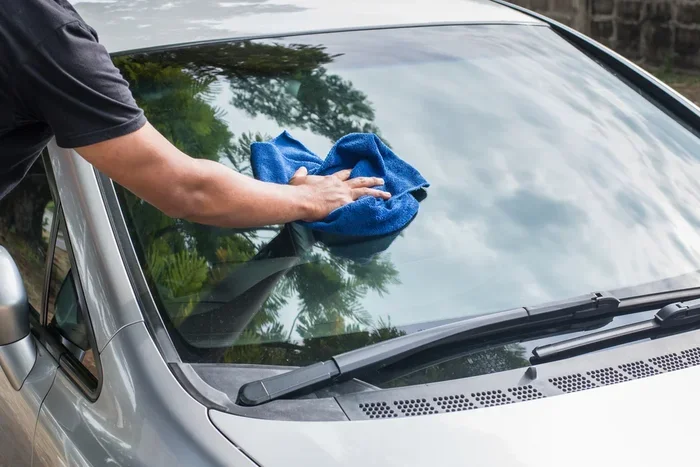
Using a clean microfiber cloth, wipe the glass in circular motions. Apply light pressure. You do not need to press hard. The cleaning solution does the heavy lifting. Circular motions help lift salt residue evenly and reduce streaking.
For tight spots around mirrors, edges, and corners, fold your cloth into a smaller size. This gives you better control and access to hard-to-reach areas.
Step 4: Rinse and Repeat if Needed
After scrubbing, rinse the glass thoroughly with clean water. Use a separate clean cloth to dry the surface. Inspect your work. If any salt stains remain, repeat the process. Most light to moderate stains will come off in a single pass.
For extremely stubborn white salt residue on car glass, you can try a second round with isopropyl alcohol. Spray it on the affected area, let it sit for 30 seconds, and wipe clean. This cuts through heavy buildup effectively.
Step 5: Apply a Protective Coating
Once your glass is clean and dry, apply a protective layer. A quality automotive glass cleaner with a hydrophobic coating works great. This creates a barrier that repels water and makes future salt removal much easier.
Some car owners also use ceramic glass coatings for long-term protection. These coatings bond to the glass surface and provide weeks of resistance against salt, dirt, and moisture. They are a bit more involved to apply but offer excellent results for winter car care.
Best Homemade Solutions for Salt Stain Removal
Commercial cleaners are effective, but homemade solutions are affordable, eco-friendly, and surprisingly powerful. Here are the best DIY options for tackling salt damage car windows at home.
Vinegar and Water Solution
This is the go-to method for most drivers. Mix equal parts white vinegar and distilled water in a spray bottle. Spray it on the glass, let it sit for 30 to 60 seconds, and wipe clean with a microfiber cloth. This solution dissolves salt quickly and leaves no streaks behind.
For heavy buildup, you can increase the vinegar ratio to two parts vinegar and one part water. Just be sure to rinse thoroughly afterward.
Baking Soda Paste
Baking soda is a gentle but effective abrasive. Mix three parts baking soda with one part water to form a thick paste. Apply it to stubborn salt stains and let it sit for two to three minutes. Scrub gently with a damp microfiber cloth and rinse clean.
This method works especially well on car windshield stains that have been sitting for a while and have bonded to the glass surface.
Rubbing Alcohol and Water
Isopropyl alcohol is a powerful solvent that cuts through salt and grime fast. Mix one part rubbing alcohol with one part distilled water. Spray it on the glass, wipe with a microfiber cloth, and buff dry. This solution also helps prevent fogging, which is a nice bonus during cold mornings.
Dish Soap and Warm Water
For light salt dusting, a simple mixture of dish soap and warm water does the trick. Add a few drops of dish soap to a bucket of warm distilled water. Dip your microfiber cloth, wring it out, and wipe the glass clean. Rinse with plain water and dry thoroughly.
This is a great everyday maintenance solution for drivers who face light salt exposure during shorter winter commutes.
How to Prevent Salt Stains on Car Glass
Cleaning is important, but prevention is even better. The less salt that stays on your car glass, the less work you have to do. Here are proven strategies to keep your windows clear and protected all winter long.
Rinse Your Car Regularly
Make it a habit to rinse your car at least once a week during winter. Focus on the glass surfaces, wheel wells, and undercarriage. Even a quick rinse with plain water removes fresh salt before it has a chance to bond to the glass.
If you do not have access to a hose, a quick trip through a car wash works too. Many car washes offer undercarriage rinses that are especially effective at removing road salt.
Apply a Rain-X or Glass Sealant
Before winter sets in, apply a quality rain repellent or glass sealant to all your windows. These products create a hydrophobic barrier that causes water and salt to bead up and roll off. They make your car detailing tips routine much simpler and faster.
Reapply every four to six weeks for best results. Most sealants are easy to apply and last through multiple washes and storms.
Keep Your Windows Closed During Storms
It sounds obvious, but many drivers leave their windows slightly cracked during winter. This lets salt spray and moisture directly onto the glass. Keep all windows fully closed during storms and when parked outdoors.
If you need ventilation, crack the window only slightly and use the defroster to keep the interior dry.
Use a Car Cover When Parked Outdoors
If you park your car outside overnight, a fitted car cover provides excellent protection against salt spray, snow, and ice. Look for covers made from breathable materials that prevent moisture buildup underneath.
This simple step can save you hours of cleaning time over the course of a winter season.
Wipe Down Your Glass After Driving
Take 60 seconds after every drive to wipe down your windshield and side windows. Use a dry microfiber cloth to remove any salt spray or moisture. This quick habit prevents buildup and keeps your glass looking great between deeper cleanings.
Common Mistakes to Avoid When Cleaning Salt Stains
Even with the best intentions, many people make mistakes that cause more harm than good. Here are the most common errors and how to avoid them.
- Using paper towels or rough cloths: These materials are too abrasive for car glass. They create fine scratches that trap dirt and make future cleaning harder. Always use microfiber cloths.
- Cleaning in direct sunlight: Cleaning solutions dry too fast in direct sun. This leaves streaks and residue. Always clean in a shaded area or in a garage.
- Using tap water in your solutions: Tap water contains minerals that leave spots on glass. Always use distilled water for mixing and rinsing.
- Scrubbing too hard: Aggressive scrubbing does not remove salt faster. It damages the glass surface and removes protective coatings. Use gentle, circular motions instead.
- Ignoring the rubber seals: Salt also attacks the rubber seals around your windows. Clean and condition these regularly to prevent cracking and leaks.
- Waiting too long to clean: The longer salt sits, the deeper it bonds. Make cleaning a regular part of your winter routine rather than a once-a-month emergency task.
Avoiding these mistakes will save you time, money, and frustration. It will also extend the life of your car glass and keep your visibility sharp all season long.
Expert Insights on Winter Car Glass Care
Professional detailers and automotive experts agree on a few key principles when it comes to winter glass care. Here is what the pros want you to know about how to remove salt stains from car glass and keep your windows in top shape.
Start early in the season. Do not wait until you notice heavy buildup. Begin your winter cleaning routine in early fall before the first salt treatments hit the roads. This proactive approach makes a huge difference.
Invest in quality microfiber cloths. Not all cloths are created equal. High-quality microfiber picks up salt and dirt without scratching. Look for cloths labeled for automotive use. They are worth every penny.
Use the two-bucket method. When washing your entire car, use one bucket for soapy water and one for rinsing your cloth. This prevents you from dragging salt particles across your glass and paint surfaces.
Do not forget the inside of your windows. Salt spray gets on the interior glass too. It mixes with condensation and creates a hazy film. Clean the inside of your windows at least once a week during winter.
Consider a ceramic glass coating. For drivers in heavy salt regions, a professional ceramic coating offers the best long-term protection. It creates a permanent bond with the glass that resists salt, water, and dirt for up to two years.
Quick Tips for Fast Salt Stain Removal
Need a quick fix before heading out? Here are some fast tips that get results in under a minute:
- Keep a spray bottle of vinegar and water in your trunk. Spray, wipe, and go.
- Carry a microfiber cloth in your glove box for on-the-go wipe downs.
- Use your defroster on low to gently heat the glass before cleaning. Warm glass releases salt residue more easily.
- Keep a small bag of baking soda in your trunk for emergency paste treatments.
- Apply a quick mist of isopropyl alcohol for fast-drying, streak-free results on light stains.
These quick tips make car glass cleaning part of your daily routine without adding any extra time to your schedule.
Comparing Cleaning Methods for Salt Stain Removal
Not all methods are created equal. Here is a quick comparison of the most popular approaches to removing salt stains from car glass.
- Vinegar and water: Best for light to moderate stains. Fast-acting, affordable, and safe for all glass types. Takes about one minute per window.
- Baking soda paste: Best for heavy, bonded salt buildup. Requires a bit more effort but handles the toughest stains effectively. Takes about three to five minutes per window.
- Rubbing alcohol: Best for quick jobs and light residue. Dries fast and prevents fogging. Takes about 30 seconds per window.
- Commercial automotive glass cleaner: Best for finishing and maintenance. Provides a streak-free shine and often includes protective coatings. Takes about one minute per window.
- Ceramic glass coating: Best for long-term prevention. Requires professional application or a DIY kit. Lasts up to two years and makes all future cleaning much easier.
For the best results, combine methods. Use vinegar for regular cleaning, baking soda for deep treatments, and a ceramic coating for long-term protection. This layered approach keeps your glass spotless with minimal effort.
When to Seek Professional Help for Salt Damage
Most salt stains can be handled at home with the methods described above. However, there are situations where professional help makes sense.
If you notice deep etching on your glass that no cleaning method can remove, a professional detailer or auto glass specialist can assess the damage. In some cases, etched glass may need to be replaced entirely. This is rare but worth knowing about.
Also, if you notice cracks or chips forming near salt-stained areas, have them inspected right away. Salt weakens glass over time, and existing damage can spread faster in cold temperatures. Many auto glass shops offer free inspections and same-day repairs.
Finally, if you are dealing with a large vehicle or have limited mobility, professional mobile detailing services can handle the job for you. Many detailers offer winter-specific packages that include full glass treatment and protective coatings.
Conclusion
How to remove salt stains from car glass does not have to be a difficult or time-consuming chore. With the right tools, the right solutions, and a consistent routine, you can keep your car glass looking perfect all winter long. The methods in this guide work fast, use affordable materials, and deliver real results.
Remember to rinse your glass regularly, clean early and often, and always use gentle techniques that protect the surface. Prevention is your best friend. A little effort now saves you hours of scrubbing later.
Start with the vinegar and water solution for everyday cleaning. Keep baking soda paste on hand for tough jobs. Apply a protective sealant before winter hits. And never underestimate the power of a quick wipe-down after every drive.
Your car glass protects you on the road. Take care of it, and it will take care of you. Follow these tips, share them with fellow drivers, and enjoy clear, streak-free windows all season long.
Frequently Asked Questions
What is the fastest way to remove salt stains from car glass?
The fastest method is a 50/50 mix of white vinegar and distilled water. Spray it on the glass, wait 30 seconds, and wipe with a microfiber cloth. Most light to moderate salt stains disappear in under a minute using this approach.
Can salt stains permanently damage car glass?
Yes, if left untreated for extended periods. Salt is corrosive and can cause etching and micro scratches on the glass surface. However, regular cleaning and protective coatings prevent long-term damage in most cases.
Is vinegar safe to use on car glass?
Absolutely. White distilled vinegar is one of the safest and most effective natural cleaners for car glass. It dissolves salt deposits without scratching or leaving streaks when used properly with distilled water.
How often should I clean salt off my car glass during winter?
You should rinse your car glass at least once a week during winter. If you drive daily on salted roads, wipe down your windows after every drive. Deep cleaning with a vinegar solution should happen every one to two weeks.
Can I use WD-40 to remove salt stains from car glass?
WD-40 can remove salt residue in a pinch, but it is not ideal for regular use on glass. It can leave an oily residue that attracts dirt. Stick to vinegar, rubbing alcohol, or dedicated automotive glass cleaners for the best results.
What prevents salt from sticking to car glass in the first place?
Applying a hydrophobic glass sealant or ceramic coating creates a barrier that repels water and salt. Regular rinsing, keeping windows fully closed during storms, and wiping down glass after driving also prevent salt from bonding to the surface.