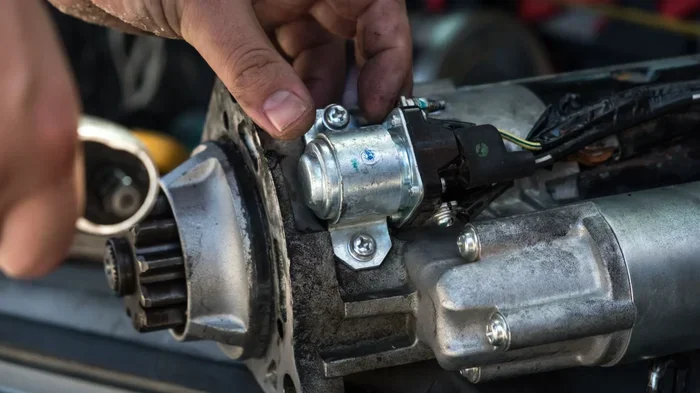
Can I Still Drive If My Key Battery Is Low Explained
Yes, you can still drive if your key battery is low, but you may face trouble starting the car or accessing the doors. Most modern vehicles have a backup mode that lets you keep driving safely. Replacing the key fob battery is quick, cheap, and easy to do at home.
This is a comprehensive guide about Can I Still Drive If My Key Battery Is Low?.
Key Takeaways
- You can still drive: Most cars allow limited operation when the key battery is low.
- Look for a backup start option: Many keyless cars have a physical slot or sensor workaround.
- Battery replacement is simple: A CR2032 or CR2025 battery costs under a few dollars.
- Warning signs exist: Reduced range, flickering lights, and error messages signal a low battery.
- Prevent surprises: Replace your key fob battery every 1 to 2 years before it dies completely.
- Know your car: Check your owner manual for the exact backup start procedure.
[FEATURED_IMAGE_PLACEHOLDER]
Can I Still Drive If My Key Battery Is Low?
The short answer is yes. You can still drive your car even when the key battery is low. But the experience may not be smooth. You might struggle to start the engine, unlock the doors, or use certain features. The good news is that most modern vehicles are designed with a backup plan. They account for the moment when your key fob battery dies at the worst possible time.
Understanding how your car responds to a low battery helps you stay calm and safe. Whether you drive a Toyota, Honda, Ford, or any other brand, the principles are similar. Your car uses a smart key system or a push button start to communicate with the key fob. When the battery weakens, that communication becomes spotty. But the vehicle does not shut down completely. It shifts into a fallback mode that keeps you moving.
This article covers everything you need to know. You will learn the warning signs, what to do when the battery dies, how to replace it, and when to seek help. Let us walk through it together.
How Does a Low Key Battery Affect Driving?
When the key fob battery starts to drain, your car notices before you do. The system checks for a strong signal from the remote. If the signal is weak, the car adjusts its behavior. Here is what typically happens:
Starting the engine becomes harder. The car may not detect the fob right away. You might need to hold the key fob closer to the start button. Some vehicles ask you to place the fob on a specific pad near the steering column.
Remote functions may fail. Locking, unlocking, and trunk release might stop working from a distance. You may need to press the physical key button harder or stand very close to the car.
Warning lights appear on the dashboard. A yellow or red indicator shaped like a key or fob may flash. This tells you the transponder signal is weak. Do not ignore it. It means your key battery replacement is overdue.
Range drops significantly. You may have noticed that you need to be right next to the car for it to respond. This is the most common early sign of a dying fob battery.
Can You Still Drive Long Distances?
Once the car is running, a low key battery does not stop you from driving. The engine runs on fuel and ignition systems that do not depend on the fob. You can drive to a nearby shop or home without major issues. However, turning the car off and back on might be tricky. The system needs to detect the fob again each time you start it.
If you are on a long road trip, keep the fob close to the start button. Carry a spare battery in your glove box. This small step saves a lot of stress. Also, if you ever face a situation where the car completely fails to start, remember that overheating and other issues can also cause starting problems, so it helps to stay aware of multiple possibilities.
Warning Signs Your Key Fob Battery Is Dying
Catching the warning signs early saves you from being stranded. Here are the most common signals that your key fob battery needs replacing:
- Increased distance needed: You must stand closer to the car for it to respond.
- Delayed response: Locks take longer to engage or disengage.
- Intermittent function: The fob works sometimes but not always.
- Dashboard warning light: A key-shaped icon appears on the instrument cluster.
- Multiple attempts to start: You need to press the start button more than once.
- Beeping sounds: The car beeps when you try to lock or unlock from a distance.
If you notice any of these signs, do not wait. Replace the battery right away. A dead battery leaves you stranded, especially if you do not know the backup start method. For more information on related car issues, check out how to start a keyless car with a key when the fob fails completely.
How Long Does a Key Fob Battery Last?
Most key fob batteries last between 1 and 3 years. The exact lifespan depends on usage, signal strength, and battery quality. If you use your remote daily, the battery drains faster. Cold weather also shortens battery life. Cars with proximity sensors that constantly search for the fob tend to use more power.
A quick tip: when you replace your watch battery or any other household battery, take a moment to check your key fob too. Keeping a spare CR2032 battery in your home or car is a smart habit. It costs almost nothing and prevents a lot of hassle.
How to Drive When Your Key Battery Is Dead
So your battery died completely, and you are standing outside your car. What now? You can still get inside and start the engine. Here is how most vehicles handle a dead fob situation:
Step 1: Look for a physical key slot. Many cars with push button start have a hidden slot. It is usually on the steering column, center console, or near the cup holders. Insert the key fob into this slot and press the start button.
Step 2: Place the fob on the designated pad. Some vehicles have a specific spot on the driver’s side. Place the fob flat on this pad and press the brake pedal, then hit start.
Step 3: Use the physical key blade. Most modern fobs contain a hidden metal key. Pull it out and use it to manually unlock the door. Once inside, place the fob as close to the start button as possible.
Step 4: Keep the fob close. Even with a dead battery, the car can read the fob through proximity if it is close enough. Hold it right next to the start button or on the dashboard.
Every car brand handles this differently. Check your owner manual for the exact steps. If you do not have it, search online for your specific model. The process is usually simple and takes less than a minute. If you are dealing with a car that has other issues, such as a muffler problem or steering concerns, those are separate matters but good to keep in mind.
What If the Car Does Not Start At All?
In rare cases, a completely dead fob may not work even with the backup method. This usually happens when the fob itself is damaged, not just the battery. Try these steps:
- Remove the battery from the fob and reinsert it firmly.
- Clean the battery contacts with a dry cloth.
- Try a different CR2032 battery to rule out a defective replacement.
- Stand very close to the start button and try again.
- Contact roadside assistance if nothing works.
Do not panic. Most of the time, a simple battery swap solves the problem instantly.
How to Replace Your Key Fob Battery
Replacing the battery in your key fob is one of the easiest car maintenance tasks you can do. You do not need a mechanic. You do not need special tools. Here is a step-by-step guide:
Step 1: Identify the Battery Type
Most key fobs use a CR2032 or CR2025 coin cell battery. Check your owner manual or look at the old battery to confirm. These batteries are available at any grocery store, pharmacy, or auto parts shop for under a few dollars.
Step 2: Open the Fob
Use a small flathead screwdriver or a coin to pry open the fob case. Look for a tiny seam along the edge. Slide the tool into the gap and twist gently. The case should pop apart. Be careful not to damage the circuit board inside.
Step 3: Remove the Old Battery
Note which side faces up in the old battery. The positive side (marked with a +) usually faces up. Use a non-metallic tool to pop the old battery out. Do not use metal tweezers, as they can short-circuit the fob.
Step 4: Insert the New Battery
Place the new battery in the same orientation as the old one. Push it gently until it clicks into place. Make sure it sits flat and secure.
Step 5: Test the Fob
Snap the fob case back together. Stand near the car and test the lock, unlock, and trunk functions. Then try starting the car. Everything should work normally again.
If you are unsure about any step, watch a quick video online for your specific fob model. It takes about 5 minutes and saves you a trip to the dealer.
Can You Prevent Key Battery Problems?
Absolutely. Prevention is always better than dealing with a dead battery at the worst moment. Here are some simple habits that extend your key fob battery life:
- Keep the fob away from other electronics. Phones, tablets, and other devices can interfere with the signal and drain the battery faster.
- Do not drop the fob. Physical damage can crack the circuit board and cause the battery to drain prematurely.
- Replace the battery on a schedule. Set a reminder every 18 months to swap in a fresh battery.
- Store the fob properly. Keep it in a dry place. Moisture can corrode the contacts.
- Carry a spare battery. Keep a CR2032 in your glove box or wallet for emergencies.
These small steps keep your smart key system working reliably. They also help you avoid the stress of a dead fob when you are rushing to work or running late.
When to Visit a Mechanic
Most key battery issues are simple to fix at home. But there are times when you should seek professional help. If you replace the battery and the fob still does not work, the fob itself may be faulty. The circuit board inside could be damaged. A dealership or locksmith can reprogram or replace the fob for you.
Also, if your car’s security system does not recognize the fob even after a battery change, there may be a deeper issue. The antenna that reads the fob signal could be malfunctioning. In this case, a mechanic can diagnose the problem with a scan tool.
If you are ever unsure, it is always safe to call roadside assistance. They can help you get to a nearby shop or even start your car on the spot. Do not try to hotwire or bypass the security system yourself. That can cause expensive damage.
Key Battery Types and Compatibility
Not all key fobs use the same battery. Here is a quick comparison of the most common types:
| Battery Type | Common In | Voltage | Lifespan |
|---|---|---|---|
| CR2032 | Most Toyota, Honda, Ford, and Hyundai models | 3V | 1-3 years |
| CR2025 | Some BMW, Audi, and Mercedes models | 3V | 1-3 years |
| CR2016 | Older or compact fobs | 3V | 6 months-2 years |
| CR1632 | Certain luxury and European models | 3V | 1-2 years |
Always match the battery type exactly. Using the wrong size or voltage can damage the fob. When in doubt, check the label on the old battery or consult your owner manual. You can also visit a local auto parts store and ask for help. They are usually happy to point you in the right direction.
Common Mistakes to Avoid
Here are mistakes many drivers make when dealing with a low key battery:
- Ignoring warning signs: Dismissing the dashboard key light can leave you stranded later.
- Using the wrong battery: A CR2025 will not work if your fob needs a CR2032.
- Forcing the fob open: Prying too hard can break the plastic case and damage internal components.
- Waiting too long: Replacing the battery only after it dies completely increases the risk of getting locked out.
- Not reprogramming after replacement: Some vehicles require a simple reprogramming step after a battery swap. Check your manual.
Avoiding these mistakes keeps your key fob working smoothly and your driving experience stress-free.
Expert Insight: Why Cars Still Work With a Dead Key Battery
Car engineers designed push button start systems with real-world scenarios in mind. They know that batteries die. They know that drivers get busy and forget to replace the battery on time. That is why every modern car with a smart key has a backup method. It is a safety feature, not a bug.
The proximity detection system in your car uses a low-frequency antenna. This antenna can read the fob even without a working battery, as long as the fob is close enough. The signal is weak but sufficient for the car to start. This is why holding the fob right against the start button works when the battery is dead.
Understanding this design helps you stay calm when the battery dies. You are not stuck. You have options. And the fix is almost always simpler than you think.
Final Thoughts
So, can you still drive if your key battery is low? The answer is a clear yes. Your car is smarter than you think. It has built-in backup systems that keep you moving even when the fob battery is weak or dead. The key is to know the warning signs, keep a spare battery handy, and learn the backup start method for your specific vehicle.
Replacing a key fob battery takes minutes and costs almost nothing. It is one of the easiest car maintenance tasks you will ever do. Do not wait until you are standing outside your car in the rain, unable to get in. Take action now. Replace your battery on schedule, and you will never face this problem.
Stay prepared, stay informed, and keep driving with confidence. Your car has your back, even when the fob does not.
FAQs
How do I start my car if the key battery is completely dead?
Place the dead key fob directly against the start button or on the designated pad near the steering column. Press the brake pedal and hit start. The car’s low-frequency antenna can still detect the fob even without a working battery. Check your owner manual for the exact location on your specific model.
What type of battery does my key fob use?
Most key fobs use a CR2032 coin cell battery, but some models use CR2025 or CR2016. Check the old battery or your owner manual to confirm the correct type. These batteries are widely available at any store and cost less than a few dollars each.
Can a low key battery cause my car not to start at all?
In most cases, a low battery makes starting harder but does not prevent it entirely. You may need to hold the fob closer to the start button or use a backup slot. If the car truly will not start, the battery may be completely dead or there could be another issue with the smart key system or ignition.
How often should I replace my key fob battery?
Replace your key fob battery every 1 to 2 years as a preventive measure. If you notice reduced range or delayed response, replace it immediately. Keeping a spare battery in your glove box ensures you are never caught off guard.
Can I drive long distances with a low key battery?
Yes, once the car is running, a low or dead key battery does not stop you from driving. The engine and drivetrain operate independently of the fob. However, you may have trouble restarting the car after turning it off, so keep the fob close and replace the battery soon.
Will replacing the key battery reset any car settings?
No, replacing the key fob battery does not reset any car settings. Your radio presets, seat position, and other saved data remain intact. The fob simply resumes normal communication with the car once the new battery is installed.
Frequently Asked Questions
What is Can I Still Drive If My Key Battery Is Low??
Can I Still Drive If My Key Battery Is Low? is an important topic with many practical applications.