Should New U-Joints Be Stiff Here Is What You Need To Know
Should new U-joints be stiff? The short answer is no. New universal joints should feel smooth and free-moving with minimal play. A stiff U-joint can cause vibration, wear, and even driveline failure. This guide covers everything you need to know about U-joint stiffness, installation, and maintenance.
You just bought a new set of U-joints. You are excited to get the job done. But then you notice something odd. The new joint feels stiff. It does not rotate the way the old one did. So you wonder, should new U-joints be stiff? The answer might surprise you.
U-joints, short for universal joints, are small but mighty parts. They connect your driveshaft to the transmission and rear axle. They let power flow from the engine to the wheels. When they work right, you never think about them. When they go wrong, you feel every bump and vibration.
In this guide, we will break down everything you need to know. We will cover what makes a U-joint stiff. We will explain why stiffness is bad. And we will walk you through how to fix it. Whether you are a weekend mechanic or just curious about your truck, this article has you covered.
Key Takeaways
- New U-joints should not be stiff: They need to rotate freely with smooth movement and minimal play.
- Stiffness causes real problems: Vibration, noise, and premature wear on your driveshaft and surrounding parts.
- Proper installation matters: Incorrect fitting is one of the top reasons new U-joints feel too tight.
- Lubrication is key: Fresh grease and a clean environment keep U-joints working the way they should.
- Know the warning signs: Clunking, vibration, and rust are clear signals your U-joint needs attention.
- Quality parts make a difference: Cheap U-joints often have tighter tolerances that feel stiff out of the box.
- Regular inspection saves money: Catching U-joint problems early prevents costly driveline repairs.
📑 Table of Contents
- What Are U-Joints and Why Do They Matter?
- Should New U-Joints Be Stiff? Understanding the Answer
- How to Tell If Your U-Joint Is Too Stiff or Too Loose
- Step-by-Step Guide to Installing New U-Joints
- Common Mistakes When Replacing U-Joints
- Expert Tips for U-Joint Longevity and Performance
- Comparison: New vs. Worn U-Joints
- When to See a Professional
- Key Takeaways
- Conclusion
What Are U-Joints and Why Do They Matter?
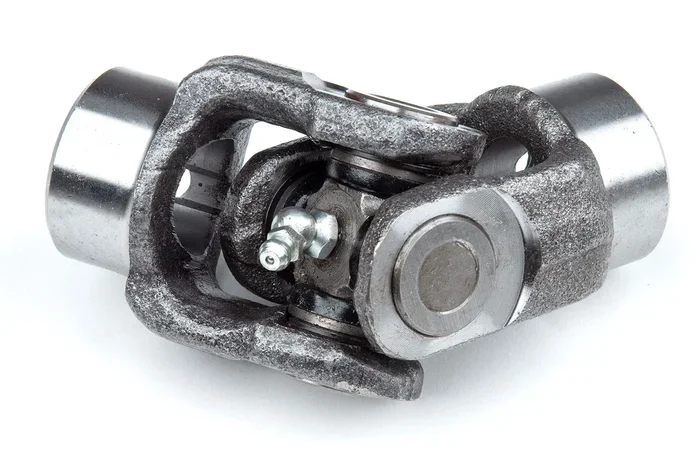
Let us start with the basics. A U-joint is a coupling device. It connects two shafts that are not in a straight line. In most rear-wheel-drive trucks and cars, the driveshaft uses U-joints at both ends. These joints allow the shaft to flex as the suspension moves up and down.
Without working U-joints, your drivetrain would crack under stress. The joint absorbs movement and keeps power flowing smoothly. Think of it like a ball joint in your steering system. It gives your wheels the range of motion they need. But unlike a ball joint, a U-joint relies on needle bearings and a cross-shaped center.
How U-Joints Work
The cross inside a U-joint has four arms. Each arm connects to a yoke. Needle bearings sit between the cross and the yokes. These bearings let the joint rotate freely. Grease keeps everything lubed and smooth. Over time, grease breaks down. Dirt gets in. The bearings wear out. That is when problems start.
When a U-joint goes bad, you will notice symptoms fast. A clunking noise when you shift from drive to reverse is a big red flag. Vibration at highway speeds is another common sign. Some people feel a shudder when they accelerate hard. These are all clues that your U-joint is wearing out.
Should New U-Joints Be Stiff? Understanding the Answer
Here is the direct answer. No, new U-joints should not be stiff. A healthy U-joint should rotate freely with very little resistance. You should be able to twist the yoke back and forth by hand without feeling any grinding or catching.
When a new U-joint feels stiff, something is wrong. It could be a manufacturing issue. It could be dirt or rust inside the joint. Or it could mean the joint was not installed correctly. Whatever the reason, driving with a stiff U-joint is a bad idea.
Why Stiffness Is a Problem
A stiff U-joint creates extra friction inside the joint. That friction generates heat. Heat breaks down grease faster. The needle bearings wear out sooner. Over time, you will feel vibration. The driveshaft may start to wobble. In worst cases, the joint can seize completely.
Think about it this way. Your driveshaft spins thousands of times per minute at highway speed. If the joint cannot rotate freely, it fights against itself. That puts stress on the transmission. It stresses the rear axle too. Small problems turn into big expensive repairs fast.
Normal vs. Abnormal Stiffness
Not all stiffness is bad, though. There is a difference between a snug fit and a truly stiff joint. A new U-joint might feel slightly tighter than the worn-out one you removed. That is normal. The old joint had worn bearings and loose tolerances. The new one is tight because everything is fresh and clean.
But if you cannot rotate the yoke at all, that is a problem. A good new U-joint should move smoothly. It should not grind or click. If it does, do not install it. Send it back or try a different brand. Quality U-joints from brands like Spicer or Moog should feel smooth right out of the package.
How to Tell If Your U-Joint Is Too Stiff or Too Loose
Knowing the difference between a good joint and a bad one is essential. You need to check both stiffness and play. Here is how to do it right.
Checking for Stiffness
Grab the driveshaft yoke with your hand. Try to rotate it back and forth. It should move freely with no resistance. If you feel catching or grinding, the joint is too stiff. Here are common reasons why:
- Rust or corrosion inside the joint: Moisture gets in and causes metal-to-metal contact.
- Excess grease or wrong grease: Too much grease can create drag inside the bearing caps.
- Manufacturing defects: Some joints come out of the box with tight tolerances that need breaking in.
- Damaged needle bearings: If the bearings are bent or misaligned, they create friction.
Checking for Excessive Play
On the other side of the coin, too much play is also bad. Grab the driveshaft and try to wiggle it up and down. There should be almost no movement. If you feel a lot of looseness, the U-joint is worn out. Here is how to test it:
- Jack up the rear of the vehicle and secure it on stands.
- Grab the driveshaft near the U-joint.
- Try to move it in a 12 o’clock to 6 o’clock direction.
- Any noticeable movement means the joint has too much play.
A healthy U-joint should have zero or near-zero play. If you can see or feel movement, replace it right away.
The Grease Test
One easy way to check a U-joint is the grease test. Pump fresh grease into the joint. Watch for old grease to come out the sides. If old grease comes out and the joint still feels stiff, the needle bearings are likely damaged. Fresh grease should make a smooth joint feel even smoother.
Step-by-Step Guide to Installing New U-Joints
Installing a new U-joint is not hard. But doing it right makes all the difference. A sloppy install can cause stiffness, vibration, and early failure. Follow these steps carefully.
What You Will Need
- New U-joints (match the exact size of your old ones)
- U-joint bearing cap tool or snap ring pliers
- Press or vise for pressing out old joints
- Clean rags and solvent
- High-quality U-joint grease
- Needle-nose pliers
- Safety glasses and gloves
Installation Steps
- Remove the old U-joint: Use a press or vise to push out the cross from the yoke. Do not hammer it out with a punch. You can damage the bearing caps.
- Clean everything: Wipe down the yokes and the driveshaft tube. Remove all old grease, dirt, and rust. Any debris left behind will shorten the life of your new joint.
- Inspect the yokes: Look for cracks, bends, or excessive wear in the yoke ears. If the yoke is damaged, replace it too.
- Press in the new cross: Use a proper press or a bearing cap installation tool. Make sure the cross goes in straight. A crooked install causes binding and stiffness.
- Secure the bearing caps: Install the snap rings or bearing caps. Make sure they are seated fully and flush.
- Grease the joint: Pump fresh grease into the fitting until you see clean grease come out the sides.
- Check for free movement: Rotate the yoke by hand. It should move smoothly with no catching or stiffness.
Taking your time with this process pays off. Rushing through it is the number one mistake people make. A proper install can make a U-joint last for years.
Common Mistakes When Replacing U-Joints
Even experienced mechanics make mistakes. Here are the most common ones and how to avoid them.
Using the Wrong Size U-Joint
U-joints come in different sizes. The most common are 1310, 1350, and 26. If you install the wrong size, it will not fit right. It may feel stiff or have too much play. Always check the part number before you buy. Match it to your old joint exactly.
Skipping the Grease Job
Some people install a new U-joint and call it done. That is a mistake. New joints need fresh grease. The factory grease is often minimal. Pumping in quality grease protects the needle bearings and extends the joint life significantly.
Forcing the Joint Into Place
If a U-joint does not go in easily, stop. Do not force it. Forcing it can bend the cross or damage the bearing caps. Check for alignment issues. Make sure the yoke ears are not bent. Sometimes a small misalignment causes big problems.
Ignoring the Driveshaft Balance
After replacing a U-joint, check your driveshaft balance. A new joint can change the dynamic balance of the shaft. If you feel vibration after installation, the driveshaft may need rebalancing. This is especially important for trucks with lifted suspensions.
Not Checking the Slip Yoke
If your U-joint is on the slip yoke end of the driveshaft, inspect the splines too. Worn splines can mimic U-joint symptoms. Grease the splines during installation. This prevents corrosion and ensures smooth engagement.
Expert Tips for U-Joint Longevity and Performance
Getting new U-joints is only half the battle. Keeping them healthy for the long haul takes some effort. Here are expert tips that make a real difference.
Grease Your U-Joints Regularly
Most experts recommend greasing U-joints every 5,000 miles or during every oil change. Use a high-quality lithium-based grease. Avoid cheap grease that thins out under heat. Regular greasing flushes out old contaminated grease and keeps the needle bearings happy.
Check for Rust and Corrosion
Rust is the enemy of U-joints. If you live in a snowy or coastal area, rust builds up fast. Inspect your U-joints regularly. Look for rust around the bearing caps and on the cross. A little surface rust is fine. Deep pitting means the joint needs replacement.
Listen for Unusual Noises
Your vehicle tells you when something is wrong. A clunking noise when you shift gears is a classic U-joint symptom. A squeaking sound when you first move is another sign. Do not ignore these noises. They get worse over time and can lead to a broken driveshaft.
Replace U-Joints in Pairs
If one U-joint is bad, the other one is not far behind. Both joints on the driveshaft experience the same conditions. Replacing them in pairs ensures even wear and prevents downtime. It is cheaper to replace two joints now than to replace a driveshaft later.
Consider Upgrading to Double-Cardan Joints
If you use your truck for towing or off-roading, consider upgrading to double-cardan joints. These joints handle more angular movement. They reduce vibration at extreme angles. They are more expensive but worth it for heavy-duty use.
Comparison: New vs. Worn U-Joints
Understanding the difference between a new and worn U-joint helps you make better decisions. Here is a quick comparison.
| Feature | New U-Joint | Worn U-Joint |
|---|---|---|
| Movement | Smooth and free | Grinding or catching |
| Play | Zero or minimal | Excessive wobble |
| Noise | Quiet operation | Clunking or squeaking |
| Grease Condition | Fresh and clean | Dark and gritty |
| Vibration | None | Noticeable at speed |
| Stiffness | Slightly snug, moves freely | Either too loose or seized |
This table shows you what to look for. A new U-joint should always feel smooth and quiet. If it does not, something is wrong with the part or the installation.
When to See a Professional
Replacing U-joints is a job most DIYers can handle. But some situations call for a pro. If your driveshaft needs rebalancing, go to a shop. If you are not sure about the right part size, ask a mechanic. And if you feel vibration after a new install, get it checked right away.
A professional has the tools and experience to do the job right. They can check your entire driveline system. They can spot problems you might miss. Sometimes paying a little extra upfront saves you from a costly repair later.
Key Takeaways
- New U-joints should not be stiff: They need to rotate freely with smooth movement and minimal play.
- Stiffness causes real problems: Vibration, noise, and premature wear on your driveshaft and surrounding parts.
- Proper installation matters: Incorrect fitting is one of the top reasons new U-joints feel too tight.
- Lubrication is key: Fresh grease and a clean environment keep U-joints working the way they should.
- Know the warning signs: Clunking, vibration, and rust are clear signals your U-joint needs attention.
- Quality parts make a difference: Cheap U-joints often have tighter tolerances that feel stiff out of the box.
- Regular inspection saves money: Catching U-joint problems early prevents costly driveline repairs.
Conclusion
So, should new U-joints be stiff? The answer is clear. New U-joints should feel smooth, free, and easy to rotate. A stiff joint is a sign of a problem. It could be a defective part, a dirty installation, or a mistake during fitting. Whatever the cause, you should not ignore it.
Your U-joints are small components that carry a huge load. They transfer engine power to the wheels thousands of times every minute. Treating them right with proper installation, regular greasing, and timely replacement keeps your driveline healthy. It also keeps you safe on the road.
Take the time to check your U-joints regularly. Feel for stiffness. Listen for unusual noises. Look for rust and wear. A few minutes of attention now can save you from a major repair later. Your truck, your wallet, and your peace of mind will all thank you.
If you ever feel unsure, ask a professional. There is no shame in getting expert help. The important thing is that you now know what to look for. You understand what a healthy U-joint should feel like. That knowledge puts you ahead of most drivers on the road.
Go out there and take care of your U-joints. They are small parts with a big job. And when they work right, you will never even think about them. That is exactly how it should be.
Frequently Asked Questions
Can a stiff U-joint cause vibration?
Yes, absolutely. A stiff U-joint creates extra friction that leads to vibration. You will usually feel this vibration at highway speeds or when accelerating. It is one of the most common symptoms of a tight or binding universal joint.
How do I know if my new U-joint was installed wrong?
Check for stiffness, noise, and vibration after installation. If the joint does not rotate freely by hand, it was likely installed incorrectly. Also check that the snap rings are fully seated and that the bearing caps are not misaligned.
How often should I replace my U-joints?
Most U-joints last between 100,000 and 150,000 miles with proper maintenance. If you tow heavy loads or drive in harsh conditions, you may need to replace them more often. Regular greasing extends their lifespan significantly.
Are expensive U-joints worth it?
Yes, in most cases. Premium U-joints like Spicer or Moog have better tolerances and smoother bearing surfaces. They are less likely to feel stiff out of the box and tend to last longer than budget options.
Can I drive with a bad U-joint?
You should not. A bad U-joint can fail completely and break the driveshaft. This can cause loss of vehicle control. If you notice clunking, vibration, or excessive play, replace the U-joint immediately.
What is the best grease for U-joints?
A high-quality lithium-based grease works best for most U-joints. Some mechanics prefer molybdenum disulfide grease for heavy-duty applications. Always use grease that is rated for U-joint needle bearings to ensure proper lubrication.