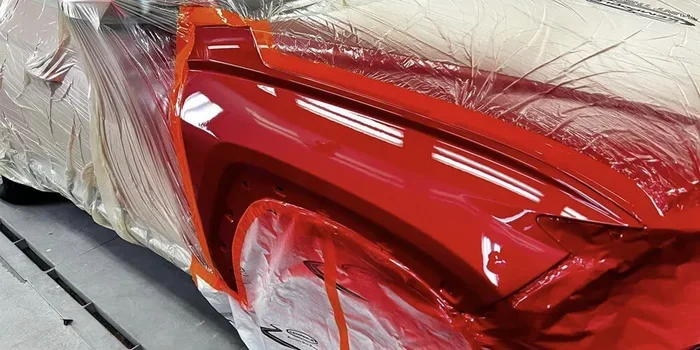
Should I Put Clear Coat Over Touch-Up Paint Heres Why
Yes, you should put clear coat over touch-up paint in most cases. A clear coat protects the repair from UV rays, moisture, and everyday wear. It also restores the deep shine and smooth finish that makes your car look factory fresh. However, timing and technique matter a lot. Apply the clear coat only after the touch-up paint has fully dried, and always work in the right conditions for the best results.
Have you ever wondered if you should put clear coat over touch-up paint after fixing a scratch on your car?
The short answer is yes, in most cases. Applying a clear coat over touch-up paint is one of the best ways to protect your repair and keep your car looking great.
But it is not always a simple yes or no answer. The right move depends on the type of scratch, the paint job, and how long you have waited after the touch-up. In this guide, we will walk you through everything you need to know. You will learn when to use a clear coat, when to skip it, and how to do it the right way.
By the end, you will feel confident about your next car scratch repair project. Let us dive in.
Key Takeaways
- Clear coat protects your repair: It shields touch-up paint from UV damage, rain, and daily use.
- Timing matters: Always let touch-up paint dry fully before applying clear coat.
- Not every repair needs clear coat: Very small chips may not require it.
- Proper technique is key: Spray in thin, even layers for a smooth finish.
- Avoid common mistakes: Don’t apply clear coat in direct sunlight or high humidity.
- Expert tips make a difference: Light sanding between coats creates a flawless result.
- Patience pays off: Let each layer dry completely before adding the next one.
📑 Table of Contents
- Should I Put Clear Coat Over Touch-Up Paint?
- Understanding Clear Coat and Touch-Up Paint
- When You Should Apply Clear Coat Over Touch-Up Paint
- When You Should Skip the Clear Coat
- Step-by-Step: How to Apply Clear Coat Over Touch-Up Paint
- Common Mistakes That Ruin Your Clear Coat
- Expert Tips for a Flawless Finish
- Final Verdict
Should I Put Clear Coat Over Touch-Up Paint?
The short answer is yes. Putting clear coat over touch-up paint is the standard practice in automotive paint touch up. The clear coat sits on top of the base color and protects everything underneath.
Think of it like this. Your car has multiple layers of paint. There is the primer, the base color, and the clear coat on top. When you do a touch-up paint repair, you are usually only fixing the color layer. The clear coat is what gives your car that glossy, deep look.
Without clear coat, your touch-up paint is exposed. It can fade, chip, or peel over time. A clear coat finish locks everything in place and adds durability. It also brings back the shine that makes the repair nearly invisible.
So yes, you should put clear coat over touch-up paint. But the way you do it matters just as much as the decision itself.
Why Clear Coat Is Important for Automotive Paint Repair
The automotive clear coat serves several important purposes. First, it acts as a shield against the elements. Sun, rain, road salt, and bird droppings can all damage bare paint. The clear coat takes the hit so your repair does not have to.
Second, it adds depth and shine. A clear coat application over touch-up paint makes the repair blend with the surrounding paint. This is especially important for dark-colored cars where scratches are more visible.
Third, it improves paint adhesion. When you apply clear coat properly, it bonds with the touch-up paint and creates a strong, lasting surface. This means your repair holds up much longer than it would without protection.
Understanding Clear Coat and Touch-Up Paint
Before you grab a can of spray clear coat, it helps to understand how your car’s paint system works. Most modern vehicles have a multi-layer paint structure. Each layer plays a specific role.
The Three Layers of Automotive Paint
Here is a quick look at the layers from bottom to top:
- Primer: This is the base layer that sticks to the metal body. It prevents rust and gives the paint something to grip onto.
- Base Coat: This is the colored layer. It gives your car its unique shade and finish.
- Clear Coat: This is the top layer. It is clear but provides gloss, protection, and durability.
When you use a paint touch-up kit, you are usually only replacing the base coat. The primer and clear coat may already be intact, or they may also need attention. Understanding this helps you decide whether a clear coat over primer is also needed.
How Touch-Up Paint Differs from Factory Paint
Factory paint is applied in a controlled environment with professional equipment. Touch-up paint comes from a small bottle or pen. It does not have the same consistency or coverage as factory paint.
This is exactly why clear coat over touch-up paint is so important. The clear coat helps even out the surface and adds a professional-looking finish. It bridges the gap between your DIY repair and the factory-quality original.
When You Should Apply Clear Coat Over Touch-Up Paint
Not every scratch needs clear coat. But here are the situations where you definitely should apply it.
Deep Scratches That Reach the Base Layer
If a scratch has gone through the clear coat and into the base color, you need to touch up the color first. Once the touch-up paint drying time has passed, apply a clear coat spray over it. This seals the repair and prevents moisture from getting in.
Paint Chips From Road Debris
Stone chips and road debris are common causes of paint damage. These spots expose bare metal or primer. After filling the chip with automotive touch-up paint, a clear coat layer adds essential paint protection.
Scratches That Affect the Car’s Appearance
If a scratch is visible and bothers you, clear coat can help. It restores the glossy finish and makes the repair less noticeable. This is especially true for clear coat repair on dark-colored vehicles like black or deep blue cars.
Before Waxing or Polishing
If you plan to wax or polish your car after a touch-up, you should apply clear coat first. The clear coat gives you a smooth, even surface to work with. It also ensures the wax adheres properly and lasts longer.
| Situation | Apply Clear Coat? | Why? |
|---|---|---|
| Deep scratch to base layer | Yes | Seals the repair and prevents moisture damage |
| Small surface scratch in clear coat only | Maybe | May only need polishing, not a full repair |
| Paint chip exposing primer or metal | Yes | Protects bare surfaces from rust and corrosion |
| Very small touch-up spot (under 1 inch) | Optional | May not be noticeable without clear coat |
| Before waxing or polishing | Yes | Creates a smooth, even surface for wax |
| Repair in a high-exposure area (hood, roof) | Yes | These areas face more UV and weather damage |
When You Should Skip the Clear Coat
There are times when you should not apply clear coat. Knowing when to skip it is just as important as knowing when to use it.
When the Touch-Up Paint Is Still Wet
Never apply clear coat over wet touch-up paint. The touch-up paint needs time to cure. Applying clear coat too soon can trap moisture and cause clear coat bubbling. This leads to an uneven, ugly finish.
Wait at least 24 to 48 hours before applying clear coat. Check the paint touch-up kit instructions for specific drying times. Some products cure faster than others.
When the Scratch Only Affects the Clear Coat
If the scratch is only in the clear coat layer and has not reached the base color, you may not need touch-up paint at all. In this case, a paint correction or light polishing might be all that is needed. Adding clear coat here could create a visible bump.
When Conditions Are Not Right
Do not apply clear coat in direct sunlight, high humidity, or dusty conditions. These factors can cause the clear coat to dry unevenly or trap debris. Find a shaded, clean, and dry area for the best results.
When the Surrounding Paint Is Severely Damaged
If the area around your touch-up has extensive damage, a simple clear coat may not be enough. You might need a professional automotive paint repair or even a full panel repaint. In these cases, a DIY clear coat over touch-up paint will not solve the problem.
Step-by-Step: How to Apply Clear Coat Over Touch-Up Paint
Now that you know when to apply clear coat, here is a simple step-by-step guide. Follow these steps for the best results.
Step 1: Clean the Area Thoroughly
Start by washing the repaired area with soap and water. Remove any dirt, wax, or grease. Use a microfiber cloth to dry the surface completely. Clean surfaces help the clear coat bond properly.
Step 2: Lightly Sand the Touch-Up Paint
Once the touch-up paint is fully dry, use a fine-grit sandpaper (around 2000 grit). Sand the area very lightly. This smooths out any bumps and helps the clear coat adhere better. Wipe away any dust with a tack cloth.
Step 3: Apply the First Coat of Clear Coat
Hold the clear coat spray can about 6 to 8 inches from the surface. Spray in thin, even passes. Do not spray too much at once. Multiple thin coats are always better than one thick coat.
Let the first coat dry for about 15 to 20 minutes. Check the clear coat drying time on the product label for guidance.
Step 4: Apply Additional Coats
Apply 2 to 3 coats of clear coat total. Wait 15 to 20 minutes between each coat. Each layer builds protection and shine.
After the final coat, let the area cure for at least 24 hours. Avoid touching or washing the car during this time.
Step 5: Buff and Polish
Once the clear coat is fully cured, use a polishing compound to blend the repair with the surrounding paint. Apply the polish with a soft cloth in gentle circular motions. This step creates a seamless finish.
Quick Tips for Better Results
- Work in a well-ventilated area to avoid fumes.
- Wear a mask and gloves for safety.
- Keep the can moving while spraying to avoid drips.
- Use a paint guide stick to check your spray pattern.
- Do not rush the drying time between coats.
Common Mistakes That Ruin Your Clear Coat
Even with the best intentions, mistakes happen. Here are the most common errors people make when applying clear coat over touch-up paint.
Applying Too Thick a Coat
This is the number one mistake. Thick coats dry unevenly and can sag or drip. They also take longer to cure and may crack over time. Always spray in light, even passes.
Skipping the Sanding Step
Some people skip sanding the touch-up paint before applying clear coat. This leads to poor adhesion. The clear coat may peel or flake off after a few weeks. Take the extra few minutes to sand lightly.
Applying Clear Coat in Bad Weather
High humidity, direct sunlight, and cold temperatures all affect how clear coat dries. In humid conditions, moisture can get trapped under the coat and cause bubbling. In direct sunlight, the coat may dry too fast and crack. Find a cool, shaded, dry spot to work.
Not Letting Each Coat Dry Fully
Patience is key. If you apply the next coat too soon, the layers will not bond properly. This can lead to peeling or a rough texture. Always wait the recommended drying time between coats.
Using the Wrong Type of Clear Coat
Not all clear coats are the same. Some are designed for specific paint types. Make sure the clear coat you buy is compatible with your car’s paint system. Using the wrong product can cause adhesion problems or color mismatch.
Expert Tips for a Flawless Finish
Here are some professional tips that make a real difference in the quality of your repair.
Match Your Clear Coat to Your Car’s Paint System
Modern cars use different paint systems. Some use urethane clear coats, while others use acrylic. Check your owner’s manual or ask a dealer for the right product. Using a compatible automotive clear coat ensures the best results.
Practice on a Hidden Area First
If you are new to this, practice on a less visible area of your car first. This helps you get comfortable with the spray technique and lets you see how the clear coat blends with your paint color.
Use a Clear Coat With UV Protection
UV rays are one of the biggest enemies of your car’s paint. A clear coat with UV protection adds an extra layer of defense. It keeps your touch-up paint from fading and helps the surrounding paint stay vibrant.
Consider a Clear Coat Over Primer for Deeper Damage
If the scratch or chip has reached the primer or bare metal, you need a different approach. Apply primer first, let it dry, then add touch-up paint, and finally apply the clear coat. This layered approach provides the strongest protection.
Know When to Call a Professional
Sometimes a DIY repair is not enough. If the damage is extensive, the paint is peeling in large areas, or you are not happy with the result, it is okay to seek professional help. A professional paint correction service can achieve results that are hard to match with a DIY approach.
Final Verdict
So, should I put clear coat over touch-up paint? In most cases, the answer is a clear yes. Applying clear coat over touch-up paint protects your repair, adds shine, and extends the life of the work. It is a simple step that makes a big difference.
Just remember to follow the right steps. Let the touch-up paint dry fully, apply thin coats of clear coat, and work in good conditions. Avoid the common mistakes that can ruin your finish. With patience and care, your repair will look nearly factory fresh.
Take your time, follow this guide, and enjoy the results. Your car deserves the best protection, and a proper clear coat application is the best way to give it.
Frequently Asked Questions
How long should I wait before applying clear coat over touch-up paint?
Wait at least 24 to 48 hours after applying touch-up paint. The paint needs to be fully dry and cured before you add clear coat. Check the instructions on your touch-up paint kit for specific drying times, as some products cure faster than others.
Can I apply clear coat over touch-up paint that is already waxed?
No, you should not. Wax creates a barrier that prevents the clear coat from bonding properly. Before applying clear coat, make sure the touch-up area is clean, dry, and free of any wax, polish, or grease.
Do I need to sand the touch-up paint before applying clear coat?
Yes, light sanding is recommended. Use fine-grit sandpaper (around 2000 grit) to smooth out any bumps or uneven spots. This helps the clear coat adhere better and creates a smoother final finish. Always wipe away dust with a tack cloth before spraying.
What happens if I apply clear coat too thick?
Applying too thick a coat can cause dripping, sagging, and uneven drying. Thick layers are also more prone to cracking over time. Always spray in thin, even passes and build up coverage with multiple light coats instead of one heavy one.
Can I use any clear coat spray over touch-up paint?
Not all clear coats are the same. You should use a clear coat that is compatible with your car’s paint system. Look for products designed for automotive use and check that they match the paint type on your vehicle, such as urethane or acrylic clear coats.
Is clear coat over touch-up paint permanent?
A proper clear coat application is very durable and can last for years. However, it is not permanent. The clear coat will naturally degrade over time due to UV exposure, weather, and general wear. Regular car washing and periodic waxing can help extend the life of the clear coat and your touch-up repair.