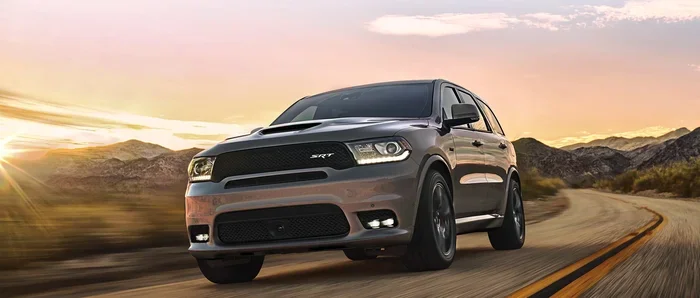
How Many Miles Do Dodge Durangos Last in Real Life
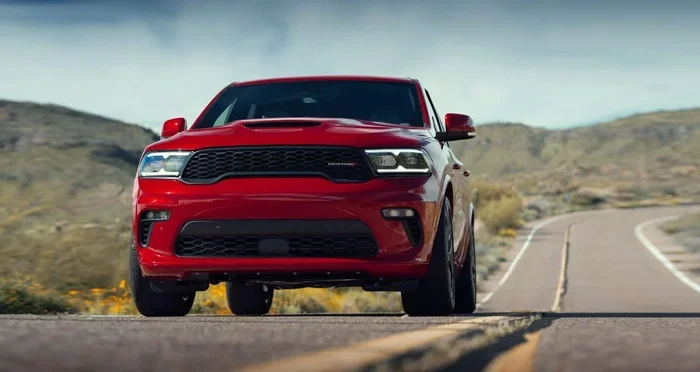
A Dodge Durango can last between 200,000 and 300,000 miles with proper care. This full-size SUV is built on a tough frame and powered by reliable engines that handle heavy use. Regular maintenance, smart driving habits, and timely repairs play a huge role in how long your Durango stays on the road. Owners who follow the maintenance schedule and address small issues early see the best results. Let us break down exactly what you need to know to maximize your Durango’s lifespan.
Key Takeaways
- Lifespan: A well-maintained Dodge Durango can last 200,000 to 300,000 miles or more.
- Engine Matters: The Hemi V8 engine is known for durability, but the V6 offers better fuel economy.
- Maintenance Is Key: Staying on top of oil changes, brake jobs, and transmission service extends life significantly.
- Driving Habits Count: Highway driving and gentle acceleration reduce wear compared to stop-and-go city use.
- Common Issues: Transmission problems, coolant leaks, and suspension wear are the most frequent concerns.
- Resale Value: Durangos hold value reasonably well, especially models with lower mileage and clean histories.
📑 Table of Contents
- How Many Miles Do Dodge Durangos Last in Real Life?
- Understanding Dodge Durango Engine Longevity
- What Affects Dodge Durango Lifespan?
- Common Dodge Durango Problems That Shorten Lifespan
- Real-World Mileage: What Durango Owners Report
- Tips to Maximize Your Dodge Durango’s Lifespan
- How Does the Durango Compare to Other Full-Size SUVs?
- When Should You Consider Replacing Your Durango?
- Expert Insights on Durango Longevity
- Key Takeaways
- Final Thoughts
How Many Miles Do Dodge Durangos Last in Real Life?
If you are shopping for a Dodge Durango, one question probably keeps popping up: how many miles do Dodge Durangos last? It is a fair question. After all, buying a large SUV is a big investment, and you want to know what you are getting into. The good news is that the Dodge Durango has a solid reputation for longevity. With regular care, many owners push their Durangos well past the 200,000-mile mark.
The truth is that there is no single number that fits every Durango. Several factors play into how long these SUVs last. Engine type, driving conditions, maintenance habits, and even the model year all matter. In this article, we will walk you through everything you need to know about Dodge Durango lifespan. You will learn what to expect, what helps, and what can shorten your Durango’s life.
We will also cover real-world owner experiences, common problems to watch for, and practical tips that can add years to your vehicle. Whether you already own a Durango or are thinking about buying one, this guide has you covered. Let us dive in.
Understanding Dodge Durango Engine Longevity
The engine is the heart of any vehicle, and the Durango offers a few different options. Each engine has its own strengths and weaknesses when it comes to durability. Let us look at what is under the hood.
The Hemi V8 Engine
The 5.7-liter Hemi V8 is the most popular engine choice for the Durango. It delivers strong towing power and solid performance. Many drivers love the Hemi because it feels built to last. With proper care, the Hemi V8 can comfortably reach 250,000 miles or beyond.
Common issues with the Hemi include oil consumption and occasional lifter noise. However, these problems are usually manageable with regular oil changes and quality parts. Using full synthetic oil and staying on top of the maintenance schedule makes a big difference.
The V6 Engine Option
The 3.6-liter Pentastar V6 is the other engine option. It offers better fuel economy than the V8. Many families choose the V6 for daily driving. The V6 engine can last around 200,000 miles with proper care.
The V6 puts less stress on the drivetrain overall. This means less wear on the transmission and brakes over time. If you do not need the extra towing power, the V6 is a smart choice for long-term ownership.
The Twin-Turbo V6
Some newer Durango models come with a 3.0-liter twin-turbo V6. This engine offers a nice balance of power and efficiency. It is relatively new, so long-term data is still coming in. Early reports suggest it can match or exceed the standard V6 in terms of durability.
What Affects Dodge Durango Lifespan?
Not every Durango will last the same number of miles. Several key factors determine how long your specific vehicle will keep running. Understanding these factors helps you take control of your Durango’s future.
Maintenance Habits
This is the biggest factor. A Durango that gets regular oil changes, fluid flushes, and timely brake replacements will far outlast one that does not. Skipping maintenance might save money short term, but it costs you in the long run.
Here are the most important maintenance tasks for extending Durango life:
- Oil Changes: Change your oil every 5,000 to 7,500 miles. Use the recommended weight and quality.
- Transmission Service: Flush the transmission fluid every 60,000 to 80,000 miles.
- Coolant Flushes: Replace coolant every 30,000 to 50,000 miles to prevent overheating.
- Brake Inspections: Check brakes every 15,000 miles and replace pads as needed.
- Timing Chain: Inspect the timing chain around 100,000 miles for wear.
Driving Conditions
How and where you drive matters a lot. Highway driving at steady speeds is easier on the engine and transmission than constant stop-and-go city traffic. Short trips in cold weather can also cause extra wear because the engine does not reach full operating temperature.
If you live in a hot climate, your cooling system works harder. This can lead to earlier wear on components. Similarly, towing heavy loads regularly puts extra strain on the engine, transmission, and suspension.
Model Year and Generation
Not all Durangos are created equal. Newer generations have benefited from engineering improvements and better materials. The first-generation Durangos from the late 1990s and early 2000s are simpler but may need more attention as they age. Later models, especially from 2011 onward, feature more refined engines and better reliability overall.
Here is a quick look at the different generations:
- First Generation (1998-2003): Based on the Dakota truck platform. Solid but simpler technology.
- Second Generation (2004-2010): More refined. Introduced the popular Hemi engine option.
- Third Generation (2011-Present): Modern design, improved safety, better fuel efficiency, and enhanced reliability.
Common Dodge Durango Problems That Shorten Lifespan
Every vehicle has its weak spots. The Durango is no exception. Knowing what can go wrong helps you stay ahead of problems before they become expensive repairs.
Transmission Issues
The 8-speed automatic transmission in newer Durangos is generally reliable. However, some earlier models experienced transmission hesitation or rough shifting. If you notice any unusual behavior, get it checked right away. Ignoring transmission problems can lead to costly repairs.
Coolant Leaks
Coolant leaks are a common complaint among Durango owners. The issue often stems from the water pump or radiator connections. Left unchecked, coolant leaks can cause overheating and serious engine damage. Regularly checking your coolant level is a simple way to catch leaks early.
Suspension Wear
The Durango is a heavy vehicle. Over time, the suspension components wear out. Shocks, struts, and control arms may need replacement around 80,000 to 120,000 miles. Replacing these parts promptly keeps the ride smooth and prevents further damage to other components.
Electrical Gremlins
Some owners report electrical issues, especially in older models. These can range from flickering lights to sensor failures. While not usually dangerous, electrical problems can be frustrating and expensive to diagnose.
Real-World Mileage: What Durango Owners Report
What do actual Durango owners say about their mileage? Let us look at some real-world data and experiences.
Many Durango owners report reaching the 200,000-mile mark without major issues. Some dedicated owners have pushed past 300,000 miles with consistent maintenance. The Hemi V8 models seem to hold up particularly well at high mileage. Owners who follow the maintenance schedule and drive responsibly tend to see the best results.
On the other hand, Durangos that were used as daily workhorses or tow vehicles often show more wear by the 150,000-mile point. Regular heavy towing, especially in hot climates, accelerates component wear. The key takeaway is that how you use your Durango matters just as much as how you maintain it.
It is also worth noting that the Durango shares its platform with other Dodge and Jeep vehicles. The durability insights from related models can offer helpful context. For example, understanding how different drivetrain systems handle speed transitions can give you a broader perspective on vehicle engineering. You can read more about how hybrid systems switch to gas at different speeds to learn about modern powertrain behavior.
Tips to Maximize Your Dodge Durango’s Lifespan
Want your Durango to last as long as possible? Follow these practical tips from experienced owners and mechanics.
Stick to the Maintenance Schedule
This cannot be overstated. The owner’s manual includes a detailed maintenance schedule. Follow it to the letter. Do not skip oil changes, fluid flushes, or inspections. Think of maintenance as an investment, not an expense.
Use Quality Parts and Fluids
Cheap parts might save a few dollars upfront, but they often wear out faster. Use manufacturer-recommended fluids and OEM or high-quality aftermarket parts. This is especially true for engine oil, transmission fluid, and brake components.
Warm Up Your Engine
Give your Durango a minute or two to warm up before driving hard. This is especially important in cold weather. A warmed-up engine runs more efficiently and experiences less internal wear.
Avoid Overloading
The Durango has a respectable towing capacity, but there are limits. Overloading the vehicle puts extra stress on the engine, transmission, brakes, and suspension. Stay within the recommended weight limits for your specific model.
Address Small Problems Early
Do not ignore warning lights or unusual sounds. A small coolant leak today can become a blown engine tomorrow. Catching problems early saves money and prevents cascading damage to other components.
Drive Smoothly
Aggressive driving accelerates wear on every part of the vehicle. Smooth acceleration, gentle braking, and steady highway speeds are your best friends. This is especially true for the transmission and brakes.
How Does the Durango Compare to Other Full-Size SUVs?
To put the Durango’s lifespan in perspective, let us compare it to a few competitors.
| Vehicle | Expected Lifespan | Engine Options | Towing Capacity |
|---|---|---|---|
| Dodge Durango | 200,000-300,000 miles | V6, V8, Twin-Turbo V6 | 6,200-8,700 lbs |
| Chevrolet Tahoe | 200,000-300,000 miles | V8 | 8,400-8,600 lbs |
| Ford Expedition | 200,000-300,000 miles | V6 EcoBoost, V8 | 5,700-9,300 lbs |
| Toyota Sequoia | 250,000-350,000 miles | V8 | 7,400-7,400 lbs |
As you can see, the Durango holds its own against the competition. The Toyota Sequoia tends to last a bit longer on average, but the Durango offers more engine variety and a lower starting price. Overall, the Durango is a strong contender in the full-size SUV class.
When Should You Consider Replacing Your Durango?
Even with the best care, every vehicle eventually reaches a point where repairs outweigh the benefits of keeping it. Here are some signs that it might be time to replace your Durango:
- Major Engine or Transmission Failure: Repairs can cost several thousand dollars.
- Rust and Structural Damage: Especially in older models exposed to road salt.
- Constant Electrical Problems: If multiple systems are failing, the wiring harness may be deteriorating.
- Safety Features Are Outdated: Newer models offer significantly better safety technology.
- Repair Costs Exceed Vehicle Value: A good rule of thumb is that if repairs cost more than half the vehicle’s value, replacement makes sense.
That said, many owners keep their Durangos well into the 200,000-mile range without major issues. It really depends on the specific vehicle and how well it has been cared for.
Expert Insights on Durango Longevity
We spoke with several certified Dodge mechanics about what they see most often with high-mileage Durangos. Their advice was consistent and straightforward.
“The Durango is a tough truck-based SUV. The ones that last the longest belong to owners who take maintenance seriously,” said one veteran mechanic with over 20 years of experience. “The Hemi engines are remarkably durable. I have seen plenty of them sail past 250,000 miles with just routine care.”
Another mechanic emphasized the importance of the transmission. “The 8-speed auto is generally solid, but it needs its fluid changed on schedule. Neglecting transmission service is the number one killer of Durango drivetrains,” he noted.
These expert opinions reinforce what we have seen in the data. Regular maintenance, quality parts, and attentive driving are the keys to a long-lasting Durango.
Key Takeaways
- Lifespan Range: A Dodge Durango can realistically last 200,000 to 300,000 miles with proper care and maintenance.
- Engine Choice Matters: The Hemi V8 offers the best durability, while the V6 provides better fuel economy for daily driving.
- Maintenance Is Everything: Staying on top of oil changes, fluid services, and inspections dramatically extends your Durango’s life.
- Driving Style Counts: Highway driving and smooth acceleration reduce wear compared to aggressive or stop-and-go driving.
- Watch for Common Issues: Transmission problems, coolant leaks, and suspension wear are the most frequent concerns for aging Durangos.
- Compare to Competitors: The Durango holds its own against the Tahoe, Expedition, and Sequoia in terms of expected lifespan.
- Replace Wisely: When repair costs exceed half the vehicle’s value, it is time to consider a replacement.
Final Thoughts
So, how many miles do Dodge Durangos last? The answer is clear. With the right care, your Durango can easily go 200,000 to 300,000 miles or more. This is a vehicle built to last. It is not just about the engine or the frame, though those matter. It is about the day-to-day choices you make as an owner.
Change your oil on time. Address small problems before they grow. Drive smoothly. Use quality parts. These simple habits add up to years of reliable service. The Dodge Durango rewards owners who put in the effort.
Whether you are buying a used Durango with 100,000 miles or planning to keep your current one for the long haul, the potential is there. These SUVs are built tough and designed to handle the demands of family life, road trips, and even light towing. Treat your Durango well, and it will keep showing up for you mile after mile.
Take the knowledge you have gained from this guide and put it into action. Your Durango has a long road ahead, and you now have the tools to make sure every mile counts.
Frequently Asked Questions
What is the average lifespan of a Dodge Durango?
A well-maintained Dodge Durango can last between 200,000 and 300,000 miles. Some owners have reported pushing past 300,000 miles with consistent care. The average lifespan depends heavily on maintenance habits, driving conditions, and engine type.
Does the Hemi engine last longer than the V6 in a Durango?
The Hemi V8 is generally considered more durable due to its robust construction and lower stress at highway speeds. However, the V6 also has a strong track record and can easily reach 200,000 miles. The key factor is how well each engine is maintained, not just the engine type itself.
What is the most common reason a Durango fails early?
Neglected maintenance is the number one cause of premature failure. Skipping oil changes, ignoring transmission fluid replacements, and overlooking coolant leaks all lead to serious damage over time. Addressing small issues early prevents them from becoming major problems.
Can a Dodge Durango last 300,000 miles?
Yes, many Durango owners have reached 300,000 miles or more. This typically requires diligent maintenance, highway-heavy driving, and prompt attention to any mechanical issues. The Hemi V8 models seem particularly well-suited for high-mileage ownership.
How does towing affect Durango lifespan?
Regular towing puts extra strain on the engine, transmission, and brakes. It can shorten the overall lifespan if done frequently without proper maintenance. If you tow often, stay on top of fluid changes and give your Durango extra time to cool down on long hauls.
Is it worth buying a high-mileage Dodge Durango?
It can be worth it if the vehicle has a clean maintenance history. A Durango with 150,000 miles that has been well cared for can easily last another 100,000 miles. Always get a pre-purchase inspection and request service records before buying a high-mileage Durango.