How Many Miles Does a Dodge Durango Last for Owners
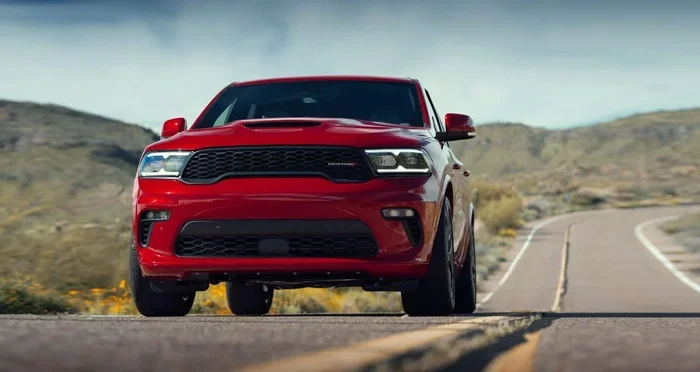
The Dodge Durango is a powerful full-size SUV built to last, with many owners reaching 200,000 to 300,000 miles when properly maintained. This guide covers everything you need to know about Durango lifespan, from engine durability to common issues and maintenance schedules. Whether you own a V6 or V8 model, you will learn how to maximize your Durango’s mileage and get the best long-term value from your investment.
Key Takeaways
- Longevity: A well-maintained Dodge Durango can last 200,000 to 300,000 miles or more.
- Engine Matters: The V8 engine tends to outlast the V6, but both are built for durability.
- Maintenance is Key: Regular oil changes, fluid flushes, and timely repairs dramatically extend lifespan.
- Best Years: 2011 and newer models show improved reliability and fewer common problems.
- Weight Impact: The Durango is a heavy vehicle, which affects wear on certain components over time.
- Hybrid Option: The Durango Hybrid offers different longevity considerations compared to gas-only models.
📑 Table of Contents
How Many Miles Does a Dodge Durango Last?
When you buy a Dodge Durango, one question dominates your mind. How many miles does a Dodge Durango last? The short answer is impressive. Most Durango owners report getting between 200,000 and 300,000 miles with proper care. Some dedicated owners even push past the 300,000-mile mark. But the real answer depends on several important factors.
The Durango is not just another SUV. It is a full-size, three-row powerhouse built by Stellantis (formerly Fiat Chrysler). Its frame, engine options, and build quality give it a strong foundation for long-term use. Still, every vehicle has limits. Understanding those limits helps you plan and prepare.
Your driving habits matter a lot. Highway driving tends to be gentler on the engine than stop-and-go city traffic. Climate plays a role too. Cold winters and hot summers both take a toll over time. But perhaps the biggest factor of all is maintenance. A Durango that gets regular service will easily outperform one that does not.
In this article, we break down everything you need to know. We cover engine life, common problems, maintenance schedules, and the best model years. By the end, you will have a clear picture of what to expect from your Durango. Let us dive in.
What Affects the Durango’s Lifespan?
Every vehicle ages differently. The same goes for the Durango. Several key factors determine how many miles your SUV will clock before it needs major repairs or replacement.
Engine Type and Configuration
The Durango comes in different engine options, and each one ages differently. The 3.6-liter V6 is the base engine. It delivers solid performance and decent fuel economy. Most V6 Durangos last well beyond 200,000 miles with proper care. The 5.7-liter HEMI V8 offers more power and towing capability. V8 engines generally handle high mileage better because they are built with heavier-duty components.
The 6.4-liter HEMI V8 is the performance option. It provides serious towing and hauling ability. These engines are robust but consume more fuel. The newer Durango Hybrid combines a V6 with an electric motor. At what point does a hybrid switch to gas is a common question among hybrid Durango owners. The hybrid system kicks in during acceleration and heavy loads, which can reduce wear on the gas engine over time.
Driving Habits and Usage
How you drive your Durango directly impacts its lifespan. Aggressive acceleration and hard braking wear out brakes, transmission, and engine components faster. Towing heavy loads puts extra stress on the engine and transmission. If you regularly haul trailers or boats, your Durango will need more frequent service.
Highway driving is actually the friendliest for the Durango. Steady speeds keep the engine in its optimal range. Short trips with frequent stops cause more wear because the engine does not fully warm up. If you live in a city with lots of traffic, consider taking occasional highway drives to clear out carbon buildup.
Climate and Environment
Where you live affects your Durango’s longevity. Salt and road chemicals cause rust and corrosion. Vehicles in northern states with harsh winters often show more body damage. Extreme heat can degrade hoses, belts, and coolant systems faster. Desert climates bring their own challenges with overheating and dust infiltration.
Garage-kept Durangos tend to last longer than those left outside. Even a simple car cover helps protect the paint and seals from UV damage. Temperature swings also matter. Frequent freezing and thawing cycles stress gaskets and seals over time.
Vehicle Weight and Load
The Durango is a big, heavy SUV. Its weight affects how quickly components wear out. The vehicle’s heft means more stress on suspension parts, brakes, and tires. 000 lbs heavy for a car is something to keep in mind when evaluating long-term costs. Heavier vehicles need more robust maintenance schedules.
The three-row seating adds weight when fully occupied. Towing capacity adds even more load. Understanding your Durango’s limits helps you avoid overstressing the drivetrain. Always check the owner manual for maximum towing and payload ratings.
Common Dodge Durango Problems to Watch For
No vehicle is perfect. The Durango has its share of known issues. Being aware of these problems helps you catch them early before they become expensive repairs.
Transmission Issues
The ZF 8-speed automatic transmission is used across many Durango models. While generally reliable, some owners report rough shifting or hesitation. Transmission fluid degradation is a common culprit. Changing the fluid on schedule prevents most of these problems. If you notice slipping or delay when shifting gears, get it checked immediately.
Engine Oil Consumption
Some Durango models, particularly those with the HEMI V8, consume more oil than expected. This is not unusual for larger displacement engines. Check your oil level regularly between changes. Burning oil past the recommended interval can lead to engine damage. Using the correct oil weight and quality makes a big difference.
Electrical Gremlins
Modern SUVs rely heavily on electronics. The Durango is no exception. Owners have reported issues with the infotainment system, power windows, and sensor failures. Most electrical problems are minor but annoying. Keeping connectors clean and replacing fuses promptly prevents bigger issues down the road.
Suspension Wear
The Durango’s size means its suspension works hard. Shock absorbers, control arms, and bushings wear out over time. Signs include clunking over bumps, uneven tire wear, and poor handling. Replacing suspension components on schedule keeps your ride smooth and safe. The heavy weight of the Durango accelerates this wear compared to lighter SUVs.
Maintenance Tips to Extend Your Durango’s Life
Proper maintenance is the single biggest factor in how long your Durango lasts. Following a consistent service schedule keeps everything running smoothly for years.
Oil Changes and Fluid Maintenance
Change your oil every 5,000 to 7,500 miles for conventional oil. Synthetic oil can extend intervals to 7,500 to 10,000 miles. Clean oil lubricates engine components and prevents premature wear. Do not skip oil changes, even if you drive fewer miles. Oil degrades over time regardless of mileage.
Transmission fluid, coolant, brake fluid, and power steering fluid all need regular attention. Flush and replace these fluids according to the maintenance schedule. Neglecting fluids is one of the fastest ways to shorten your Durango’s lifespan.
Brake System Care
The Durango is heavy, which means brakes work harder than on lighter vehicles. Inspect brake pads every 15,000 miles. Replace them when they reach the minimum thickness. Rotors should be checked for warping and scoring. High-quality brake pads and rotors last longer and provide better stopping power.
Tire Maintenance
Tires are your only contact with the road. Rotate them every 5,000 to 7,500 miles. Check alignment annually. Properly inflated tires improve fuel economy and handling. The Durango’s weight accelerates tire wear, so invest in quality tires rated for your vehicle’s load capacity.
Timing Belt and Chain
Some Durango engines use a timing chain while others use a timing belt. Check your owner manual for your specific engine. Replace timing components at the recommended interval. A broken timing belt or chain can cause catastrophic engine damage. This is one maintenance item you cannot afford to skip.
Quick Maintenance Tips
- Keep a detailed service log for your records.
- Use OEM or manufacturer-recommended parts.
- Address warning lights immediately.
- Wash your Durango regularly to prevent rust.
- Check all fluid levels monthly.
- Drive gently during the first 5,000 miles of a new engine break-in period.
Best Years for a Dodge Durango
Not all Durango model years are created equal. Some generations have known reliability issues while others prove much more durable. Choosing the right year makes a big difference in long-term ownership.
Model Year Comparison
The third-generation Durango debuted in 2011 and continues through today. This generation brought significant improvements in quality and reliability. Earlier models from 1998 to 2003 had more mechanical issues and lower build standards.
The 2011 to 2013 models addressed many problems from earlier years. The 2014 to 2016 updates refined the design further. Recent models from 2017 onward feature improved technology and better engine management systems. The 2021 and newer Durangos include updated safety features and more refined powertrains.
Years to Avoid
Early first-generation Durangos (1998-2003) are less reliable. They had more recalls and known defects. The 2004 to 2010 second-generation models had some transmission and electrical issues. If you are buying used, these years require extra scrutiny. Always get a pre-purchase inspection from a trusted mechanic before buying any older Durango.
Is the Dodge Durango Worth the Investment?
The Durango offers a unique blend of capability, comfort, and longevity. It seats up to seven passengers comfortably and tows up to 6,200 pounds with the base engine. The V8 models tow even more. For families who need space and power, the Durango is hard to beat.
Resale value is another strong point. Durangos hold their value reasonably well compared to competitors. The brand reputation and parts availability make maintenance more affordable than for some luxury SUVs. You can find qualified mechanics familiar with the Durango at most shops.
The upfront cost is higher than mid-size SUVs. But the long-term durability and capability justify the investment for many buyers. A Durango that receives proper care will serve you reliably for many years and high mileage.
Durango vs. Competitors
The Toyota Highlander and Ford Explorer are popular alternatives. The Highlander is known for exceptional reliability but offers less power and towing. The Explorer provides similar performance but has its own set of known issues. The Durango sits in the middle with a good balance of capability and durability.
When compared to the Chevrolet Tahoe or GMC Yukon, the Durango offers better fuel economy in many cases. It also has a more modern interior and tech features. Each full-size SUV has strengths, but the Durango holds its own in the competitive landscape.
Expert Insights on Durango Longevity
Experienced mechanics who specialize in American SUVs agree on a few key points. First, the Durango’s engine is fundamentally sound. The HEMI design has proven itself over decades of use. Second, owners who follow the maintenance schedule see far fewer major issues. Third, addressing small problems early prevents them from becoming expensive repairs later.
One mechanic shared that the most common mistake he sees is owners skipping fluid flushes. Another emphasized the importance of checking the cooling system regularly. Overheating is one of the fastest ways to destroy any engine, and the Durango is no exception.
Key Takeaways
- Longevity: A well-maintained Dodge Durango can last 200,000 to 300,000 miles or more with proper care.
- Engine Type Matters: V8 engines tend to outlast V6 engines, but both are durable when maintained.
- Maintenance Schedule: Following the recommended service intervals is the best way to maximize mileage.
- Best Years: 2011 and newer models offer improved reliability and fewer common problems.
- Driving Style: Gentle, steady driving extends engine and transmission life significantly.
- Climate Impact: Harsh environments accelerate wear, so extra care is needed in extreme conditions.
- Investment Value: The Durango offers strong capability and holds resale value well over time.
Conclusion
The Dodge Durango is a vehicle built to go the distance. With a potential lifespan of 200,000 to 300,000 miles, it offers excellent long-term value for families and adventurers alike. The key to reaching those high mileage numbers is straightforward: maintain it properly, drive it wisely, and address issues early.
Your Durango’s engine, transmission, and suspension all benefit from consistent care. Choose the right model year, stay on top of fluid changes, and treat your vehicle with respect. The Durango rewards owners who invest time and attention into its upkeep.
Whether you drive a V6 or a powerful HEMI V8, the principles are the same. Keep it maintained, keep it clean, and keep it on the road. The miles will add up, and your Durango will keep delivering the performance and comfort you expect. It is a SUV that truly stands the test of time when you give it the care it deserves.
Frequently Asked Questions
What is the average lifespan of a Dodge Durango?
Most Dodge Durangos last between 200,000 and 300,000 miles with proper maintenance. Some well-cared-for examples exceed 300,000 miles. The key factors are regular oil changes, timely repairs, and gentle driving habits. Following the manufacturer’s maintenance schedule gives your Durango the best chance at a long life.
Is the Dodge Durango reliable for long road trips?
Yes, the Durango is a reliable choice for long road trips. Its robust engine and sturdy build handle highway driving very well. Just make sure to check all fluids, tires, and brakes before a long journey. Regular maintenance keeps the Durango dependable mile after mile.
How often should I change the oil in my Dodge Durango?
For conventional oil, change it every 5,000 to 7,500 miles. Synthetic oil can extend the interval to 7,500 to 10,000 miles. Always refer to your owner manual for the manufacturer’s specific recommendation. Driving in severe conditions like extreme heat or heavy towing may require more frequent changes.
Which Dodge Durango engine lasts the longest?
The 5.7-liter HEMI V8 generally lasts the longest due to its heavier-duty construction and robust components. The 3.6-liter V6 also has a strong track record for longevity. The newer hybrid powertrain offers different longevity characteristics. Regular maintenance matters more than engine choice for overall lifespan.
What are the most common Durango problems at high mileage?
Transmission shifting issues, oil consumption, and suspension wear are the most common high-mileage problems. Electrical gremlins also appear as the vehicle ages. Regular fluid changes and timely repairs prevent most of these issues from becoming serious. Staying on top of maintenance is the best defense.
Should I buy a used Dodge Durango with over 100,000 miles?
A Durango with over 100,000 miles can be a great buy if it has been well maintained. Request full service records and get a pre-purchase inspection. Look for consistent oil changes and no major accident history. The Durango’s strong build quality means many examples remain reliable well past the 100,000-mile mark.