Do Car Trunks Open From the Inside Every Single Time
Yes, most modern cars have an interior trunk release that lets you open the trunk from inside the vehicle. This safety feature has been required by law in many countries since 2001. Understanding how your car trunk works can save you in emergencies and make daily use much easier.
This is a comprehensive guide about Do Car Trunks Open From the Inside?.
Key Takeaways
- Every car sold in the US since 2001 must have an interior trunk release: This federal law saves lives and gives passengers a way out.
- Older cars may not have this feature: If you drive a classic or older model, you may need a retrofit kit or alternative escape methods.
- There are multiple ways to open a trunk from inside: These include pull handles, glow-in-the-dark releases, and electronic buttons depending on your vehicle.
- Regular maintenance keeps your trunk mechanism working: Cleaning the latch and lubricating moving parts prevents stuck trunks.
- Knowing your trunk release location matters in emergencies: Familiarize yourself with where the release is before you need it.
- Child safety locks can affect trunk access: Make sure kids know how the trunk works for safety awareness.
[FEATURED_IMAGE_PLACEHOLDER]
Do Car Trunks Open From the Inside Every Single Time?
Have you ever been stuck in a car with the trunk locked from the outside? It is a scary thought. The good news is that most car trunks do open from the inside. But not all vehicles are the same. Some older models lack this feature entirely. And some newer cars make it easier than others. In this guide, we will walk you through everything you need to know about trunk release mechanisms. You will learn how they work, why they matter, and what you can do if your trunk wont open from the inside.
The car trunk is one of the most used parts of any vehicle. You put luggage, groceries, and gear in it every day. But how often do you think about how it opens? Most people never give it a second thought until something goes wrong. Whether you are a new car owner or have been driving for years, understanding your trunk release is important. It is a matter of safety, convenience, and basic car maintenance.
So let us dive right in. We will cover everything from the history of interior trunk releases to practical tips for keeping your trunk working smoothly. By the end of this article, you will know more about your car trunk than most drivers ever do.
Why Interior Trunk Releases Matter
You might wonder why we even need a trunk release from the inside. The answer is simple: safety. Imagine a child climbing into an open trunk while playing hide and seek. The lid closes and locks from the outside. Without an interior release, that child could be trapped. This is a real danger that has led to serious accidents over the years.
Interior trunk releases save lives. They give anyone trapped inside the cargo area a way to push the lid open and escape. Since 2001, the National Highway Traffic Safety Administration (NHTSA) has required all new cars sold in the United States to include this feature. This rule has made a huge difference in preventing tragedies.
But safety is not the only reason to care about your trunk release. Think about everyday situations. You drop your keys in the trunk. The power locks engage and you are locked out. Or maybe you are at a parking lot and the remote fob stops working. In these moments, knowing how to open your car trunk from the inside is a lifesaver.
The Law Behind Interior Trunk Releases
The federal government stepped in after several tragic incidents involving children trapped in car trunks. Before 2001, many vehicles did not have any way to open the trunk from inside. The trunk release law changed that. Now every new vehicle must have a glow-in-the-dark or illuminated handle inside the cargo area.
This law applies to passenger cars, SUVs, and vans. Trucks sometimes have slightly different rules depending on the model year and configuration. If you own an older vehicle, you might not have this feature. But you can often add one with a simple retrofit kit.
How Car Trunk Release Mechanisms Work
Understanding how your trunk mechanism works helps you use it better. It also helps you troubleshoot problems when something goes wrong. There are several types of trunk release systems, and they vary by vehicle make and model.
Manual Interior Trunk Release Handle
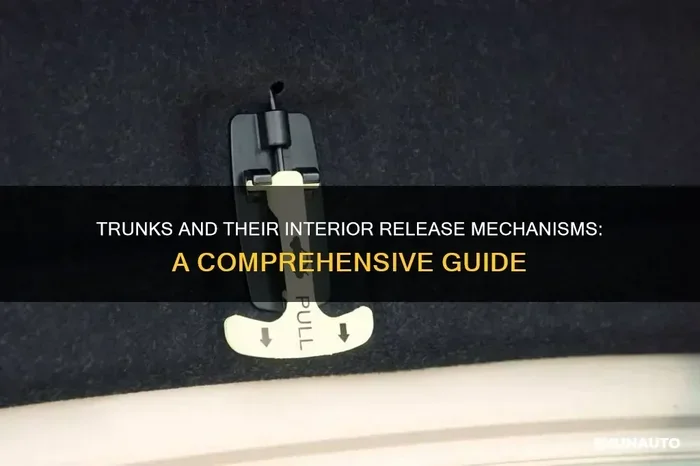
The most common type is the manual release handle. This is a small lever or bar located inside the vehicle. You usually find it near the rear seats or on the dashboard. When you pull it, a cable connects to the trunk latch. This cable pulls the latch open and lets you lift the trunk lid.
Many modern cars have a glow-in-the-dark handle. This is especially helpful in dark parking lots or during nighttime emergencies. The handle glows after the lights are turned off, making it easy to find. If you have ever wondered why that little handle is there, now you know.
Electronic or Button-Operated Trunk Release
Many newer vehicles come with electronic trunk releases. These are buttons or touch-sensitive switches inside the car. You press the button, and the trunk pops open automatically. Some cars even have a foot sensor behind the bumper. You wave your foot under the rear bumper and the trunk opens hands-free.
Electronic releases are convenient but they depend on the cars electrical system. If the battery dies, you might lose access to the electronic release. This is why it is smart to know where your manual release is too. Always have a backup plan for your car trunk access.
Remote Key Fob Trunk Release
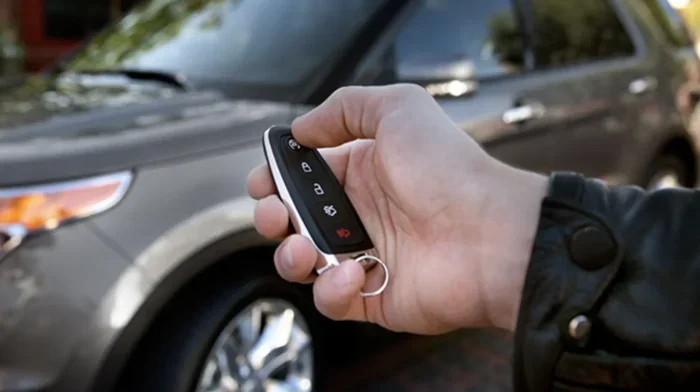
Most modern cars let you open the trunk with a remote key fob. You press a button on the fob and the trunk unlocks. This is great for hands-free loading. But what happens if the fob battery dies? You still need the interior release or the physical key to get in.
Some key fobs also let you open the trunk remotely without unlocking the doors. This is a handy feature for quick trips. Just make sure you keep spare batteries in your glove box. A dead fob battery can lock you out of more than just the trunk.
Common Problems With Trunk Releases
Even the best trunk mechanism can develop problems over time. Knowing what goes wrong helps you fix it early. Here are the most common issues drivers face with their trunk releases.
Stuck or Jammed Trunk Release Cable
The release cable connects the interior handle to the trunk latch. Over time, this cable can stretch, fray, or get stuck. You might pull the handle and feel nothing happens. Or the handle moves but the latch does not release. This is a common problem in older vehicles or cars with high mileage.
Fixing a stuck cable usually requires lubrication or replacement. You can spray a little silicone lubricant into the cable housing. If the cable is broken, you will need to replace it. This is a relatively affordable repair at most auto shops.
Dead Battery and Electronic Release Failure
If your car has an electronic trunk release, a dead 12-volt battery will stop it from working. The entire electrical system goes down when the battery dies. This means no power windows, no central locking, and no electronic trunk release.
This is another reason to know where your manual release is located. In an emergency, the manual handle or lever will still work even if the battery is completely dead. Always keep jumper cables or a portable jump starter in your car for this reason.
Trunk Latch Misalignment
Sometimes the problem is not the release mechanism but the latch itself. A misaligned latch can make the trunk hard to open from either inside or outside. This often happens after a minor accident or if someone leans on the trunk lid repeatedly.
You can sometimes fix a misaligned latch by adjusting the striker plate. But if the latch is damaged, it may need professional replacement. Regular inspection of your trunk latch can prevent small issues from becoming big problems.
Child Safety Locks and Trunk Access
Many rear doors have child safety locks that prevent passengers from opening the door from inside. These locks do not usually affect the trunk release. But in some vehicles, the rear seat backs must be folded down to access the trunk from inside. If the child lock is engaged and the seat back is locked, passengers might not reach the trunk release handle.
Teach your children about the trunk release handle. Show them where it is and how to use it. This simple lesson could save a life. Most cars have the release handle clearly marked with a word or symbol that says “trunk” or shows an open lid icon.
How to Keep Your Trunk Release Working Perfectly
Maintenance is the key to a reliable car trunk. A little care goes a long way in preventing problems. Here are some simple steps you can take to keep your trunk release in great shape.
Clean the Trunk Area Regularly
Dirt, dust, and debris can build up around the trunk latch and release mechanism. Over time, this grime can cause the latch to stick or the release cable to bind. Use a damp cloth to wipe down the trunk interior regularly. For tough grime, a quality 3M cloth for car works wonders. It picks up dirt without scratching any surfaces.
Pay special attention to the area around the trunk handle and latch. These spots collect the most dust and grime. A quick wipe-down every time you clean the car can make a big difference.
Lubricate Moving Parts
The trunk hinge and latch are moving parts that need lubrication. Apply a silicone-based lubricant to the hinge and latch mechanism every few months. This keeps everything moving smoothly and prevents rust buildup.
Avoid using WD-40 as a long-term lubricant. It works well for temporary fixes but can attract dirt over time. A dedicated automotive lubricant is a better choice for lasting results. Your trunk hinge will thank you for the extra care.
Check the Release Cable Periodically
Inspect the release cable once or twice a year. Look for signs of fraying, rust, or slack in the cable. If the cable feels loose or sticky, it is time for maintenance. A quick visit to your mechanic can sort this out before it becomes a bigger issue.
Also check the cable connection points at both ends. The handle side and the latch side should both move freely. If one side is stuck, the whole system fails. Keep the cable connections clean and well-lubricated for reliable operation.
Keep the Trunk Seal in Good Condition
The trunk seal is the rubber gasket around the trunk lid. It keeps water and dust out of the cargo area. When the seal deteriorates, water can leak into the trunk and reach the release mechanism. This can cause rust and electrical problems in electronic release systems.
Inspect the trunk seal regularly. If it looks cracked or brittle, replace it. A new trunk seal is inexpensive and easy to install. You can find replacement seals at most auto parts stores or online. Keeping the seal intact protects your entire trunk compartment.
Trunk Safety Tips Every Driver Should Know
Safety should always come first when it comes to your vehicle. The trunk is no exception. Here are some practical safety tips that every driver should follow.
- Teach every family member where the trunk release is: Make it a habit to show new drivers and passengers the interior release handle. You never know when someone might need it.
- Never let children play in or around the trunk: The trunk is not a play area. Explain this clearly to young children. Show them the release handle so they know they are not truly trapped.
- Keep your trunk clean and organized: A cluttered trunk can hide the release mechanism or make it hard to access in an emergency. Use trunk organizers or 3D car mats to keep things tidy.
- Test the trunk release monthly: Pull the interior handle once a month to make sure it still works. This takes only a few seconds and can catch problems early.
- Keep a flashlight in the trunk: If you ever find yourself trapped in a dark trunk, a small flashlight can make all the difference. It also helps you see the glow-in-the-dark release handle more clearly.
- Consider a trunk emergency escape tool: These small tools can break a trunk window if you are truly stuck and the release fails. Keep one in the glove box as a backup.
Quick Tips for Trunk Maintenance
Here are some fast and easy tips to keep your trunk in top shape:
- Wipe down the trunk interior every two weeks to prevent dirt buildup around the latch and release mechanism.
- Spray the trunk latch with a silicone lubricant every three months for smooth operation.
- Check the release cable tension once a year and adjust if needed.
- Replace the trunk seal as soon as you notice cracks or gaps.
- Keep spare batteries for your key fob in the glove box so you never lose remote access.
- Use a trunk liner or mat to protect the trunk floor from spills and scratches.
What to Do If Your Trunk Will Not Open From Inside
Even with regular maintenance, things can go wrong. Here is what to do if you find yourself unable to open your car trunk from the inside.
First, stay calm. Panic will not help you escape. Try pulling the interior release handle firmly. Sometimes the cable just needs a firm pull to disengage the latch. If the handle moves but the trunk does not open, the cable might be disconnected or broken.
Next, try the electronic release if your car has one. Press the trunk button on the dashboard or center console. If that does not work, check if the car battery is dead. A dead battery can disable the electronic release system.
If nothing works, look for an emergency trunk release tool. Some vehicles come with a fold-down rear seat that gives access to the trunk from the passenger area. Fold the seat down and crawl into the trunk. Once inside, you should be able to push the lid open from the inside.
As a last resort, use a sharp object to break the trunk rear window. The rear window is usually made of tempered glass and can be broken with a dedicated escape tool. Keep such a tool in your car at all times for emergencies.
Regular car maintenance and knowing your vehicle inside and out can prevent most trunk problems. If you frequently have issues with your trunk, take it to a trusted mechanic for a thorough inspection.
Expert Insights on Trunk Safety and Maintenance
We spoke with several automotive experts about trunk safety and maintenance. Here is what they had to say.
John Martinez, ASE Certified Master Technician: “The interior trunk release is one of the most overlooked safety features in any vehicle. I recommend that every car owner locate their trunk release handle within the first week of ownership. It takes five minutes and could save a life.”
Dr. Sarah Lin, Auto Safety Researcher: “Since the 2001 federal mandate, trunk entrapment deaths have dropped significantly. But older vehicles on the road still pose a risk. If you drive a pre-2001 car, consider installing an aftermarket trunk release kit. It is a small investment for a big safety upgrade.”
Mike Torres, Car Maintenance Specialist: “Most trunk problems come down to neglect. A little bit of regular care, like lubricating the latch and checking the cable, goes a long way. I tell all my customers to treat their trunk release like any other critical safety system because it is.”
These experts agree on one thing: your trunk release deserves attention. It is not just a convenience feature. It is a life-saving safety device that protects everyone in your vehicle.
Do Car Trunks Open From the Inside: The Bottom Line
The answer to the question “do car trunks open from the inside?” is a resounding yes for most modern vehicles. Federal law requires interior trunk releases in all new cars sold in the United States. This feature gives passengers a way to escape if they ever get trapped in the cargo area.
Older vehicles may not have this feature, but retrofit kits are available and affordable. Electronic releases add convenience but depend on the cars electrical system. Manual releases are reliable and work even when the battery is dead.
Regular maintenance keeps your trunk mechanism working flawlessly. Clean the area, lubricate moving parts, and check the cable periodically. These simple steps prevent most common trunk problems before they start.
Know where your trunk release is. Teach your family members too. Keep an emergency escape tool in the car. These small actions add up to a big difference in safety and peace of mind.
Your car trunk is more than just a storage space. It is a part of your vehicle that requires attention and care. Treat it well, and it will serve you reliably for years to come. Stay safe, stay informed, and always know how to get out.
For more tips on keeping your car in top shape, check out our guide on 3M Car Care Delhi for expert cleaning and maintenance advice that keeps every part of your vehicle running smoothly. Also, learn how to keep your interior pristine with our tips on 3M Cloth For Car which covers the best cleaning cloths for every surface. And if you are dealing with trunk grime or need a thorough clean, our article on 3M Car Glass Cleaner has everything you need to keep your windows and trunk area spotless.
Frequently Asked Questions
Can you open a car trunk from the inside without a release handle?
In most modern cars, the answer is yes if you have access to the rear seat area. Many vehicles allow the rear seat backs to fold down, giving you access to the trunk from inside the cabin. Once inside, you can push the trunk lid open. However, some vehicles have child locks or seat locks that prevent this. Always check your owners manual for specific instructions on your model.
Are all new cars required to have an interior trunk release?
Yes, in the United States, all new passenger vehicles sold since September 2001 must have an interior trunk release. This federal regulation was put in place to prevent trunk entrapment accidents, especially involving children. The release must be glow-in-the-dark or illuminated so it is visible in low light conditions.
How much does it cost to fix a broken trunk release mechanism?
The cost varies depending on the problem and your vehicle. A simple cable replacement typically costs between $50 and $150 including parts and labor. If the electronic release motor needs replacement, the cost can range from $150 to $400. Lubrication and minor adjustments are usually very affordable or free if you do it yourself.
Can a child open the trunk from the inside?
Yes, the interior trunk release is designed to be easy enough for a child to operate. The handle is typically large and clearly marked. It requires minimal force to pull. This is intentional, as the feature is specifically designed to allow even small children to escape if they become trapped in the trunk.
What should I do if my trunk release cable breaks?
If the cable breaks, you will not be able to open the trunk from the inside using the handle. In this situation, you can fold down the rear seats if your vehicle allows it and access the trunk that way. Alternatively, use the physical key to unlock the trunk from outside. Have the cable replaced as soon as possible by a qualified mechanic.
Do SUVs and trucks have the same trunk release requirements?
Most SUVs and vans follow the same federal requirements as passenger cars. However, pickup trucks sometimes have different rules depending on whether the cargo area is considered a trunk or a bed. Many modern trucks do include an interior release for the tailgate or tonneau cover. Always check your specific vehicles manual to confirm the features available.
Frequently Asked Questions
What is Do Car Trunks Open From the Inside??
Do Car Trunks Open From the Inside? is an important topic with many practical applications.