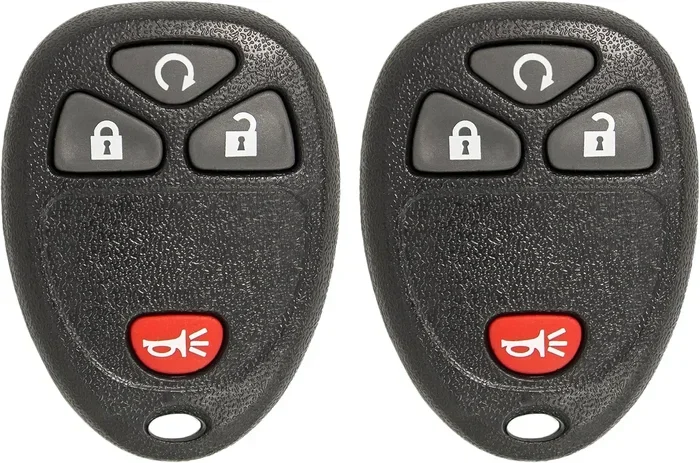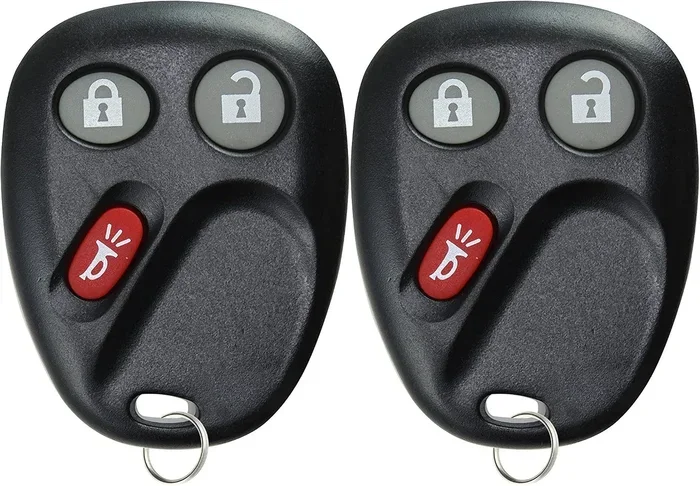
Can Key Fobs Be Turned Off
Yes, key fobs can be turned off in several ways, and understanding how to do so is essential for every car owner. Whether you want to prevent signal theft, save battery life, or simply stop your fob from accidentally unlocking your car, there are reliable methods to manage your key fob signals. This guide covers everything from simple tricks to advanced vehicle security solutions that actually work.
This is a comprehensive guide about Can Key Fobs Be Turned Off.
Key Takeaways
- Key fobs emit signals continuously: Understanding how RFID signals work helps you take control of your vehicle’s security.
- Multiple methods exist to turn off key fobs: From removing the battery to using signal-blocking pouches, you have practical options.
- Signal theft is a real risk: Relay attacks can exploit your keyless entry system if you are not careful.
- Battery management matters: A dying fob battery can cause frustrating issues, so regular replacement is key.
- Modern vehicles offer built-in settings: Many newer cars let you disable remote start and push button start features through the dashboard or app.
- Proactive security saves money: Taking simple steps now can prevent costly vehicle theft later.
[FEATURED_IMAGE_PLACEHOLDER]
Key fobs have changed the way we interact with our vehicles. What used to require a physical key turn now happens with the press of a button or a simple walk-up to the car. But this convenience comes with questions. Many car owners wonder whether their key fob can be turned off, especially when they hear about signal theft and vehicle security concerns.
The short answer is yes, key fobs can be turned off using several different methods. However, the approach depends on your car model, the type of fob you have, and what you are trying to achieve. Some people want to stop the fob from sending signals to prevent theft. Others just want to save battery or stop accidental unlocks. Whatever your reason, this guide walks you through every option available.
In this article, we will explore how key fob signals work, why they matter, and the best ways to manage them. You will learn about signal-blocking tools, built-in vehicle settings, battery tips, and expert recommendations. By the end, you will feel confident about controlling your car electronics and keeping your vehicle safe.
How Key Fobs Work and Why They Emit Signals
The Technology Behind Key Fobs
Most modern key fobs use a technology called RFID, which stands for Radio Frequency Identification. When you press a button on your fob, it sends a coded RFID signal to your car. The car receives the signal and responds by unlocking the doors, opening the trunk, or starting the engine. This whole process happens in milliseconds.
But here is the thing that surprises many people. Your key fob does not only transmit when you press a button. Many fobs continuously emit low-level signals, especially when they are near the car. This is what enables keyless entry and push button start systems. The car detects the fob nearby and allows you to start the engine without ever taking the fob out of your pocket.
This constant signaling is convenient, but it also creates a potential vulnerability. Thieves have developed devices that can intercept these signals and relay them to your car. This is known as a relay attack, and it is one of the most common methods of modern vehicle theft. Understanding this risk is the first step toward protecting your car.
Why Key Fobs Stay Active
Car manufacturers designed key fobs to stay active for user convenience. Imagine walking up to your car on a cold morning. You want the doors to unlock the moment you approach. You want to press the start button and drive away immediately. This seamless experience requires the fob to communicate with the car at all times when it is within range.
The proximity sensor in your car detects the fob’s signal and wakes up the car’s systems. This is why some car owners notice their car battery drains faster when they leave the fob close to the vehicle overnight. The car keeps “listening” for the fob even when it is parked and turned off.
While this design makes life easier, it also means your key fob is never truly “off” unless you take deliberate action. And that brings us to the question at the heart of this article: can you actually turn a key fob off?
Can You Turn Off a Key Fob? Yes, Here Is How
The good news is that there are multiple ways to turn off your key fob and stop it from broadcasting signals. Let us look at each method in detail so you can choose the one that works best for your situation.
Method 1: Remove the Fob Battery
The simplest and most effective way to turn off a key fob is to remove its battery. Every key fob runs on a small coin cell battery, usually a CR2025 or CR2032 model. When you take the battery out, the fob cannot send any signals. It becomes completely inactive.
This method works well when you are storing your car for an extended period. It also helps when you want to prevent any accidental signals from interfering with other electronics. To remove the battery, simply pop open the back of the fob, take out the old fob battery, and store it safely.
Keep in mind that removing the battery will reset some key fob settings. You may need to reprogram the fob when you put the battery back in. Check your car owner’s manual for specific instructions on how to do this.
Method 2: Use a Signal-Blocking Pouch or Box
If you do not want to remove the battery every night, a signal-blocking pouch is an excellent alternative. These pouches, also called Faraday bags, are lined with a metallic material that blocks electromagnetic signals. When you place your key fob inside, it cannot transmit or receive signals.
Signal-blocking pouches are inexpensive and easy to use. Simply drop your fob in the pouch at night or whenever you are not using it. The pouch creates a barrier that prevents relay attacks and stops the fob from communicating with your car.
You can also use a signal blocker box, which works on the same principle but is larger and more durable. Some car owners keep one by the front door and drop their fob in it every time they come home. This simple habit can significantly improve your vehicle security.
Method 3: Use the Car’s Built-In Settings
Many modern vehicles come with built-in settings that let you manage how your key fob interacts with the car. For example, some cars allow you to disable keyless entry or remote start through the dashboard menu. Others let you adjust the sensitivity of the proximity sensor so the car does not always “listen” for the fob.
To access these settings, check your car’s infotainment system or owner’s manual. Look for sections labeled “Keyless Entry,” “Security Settings,” or “Fob Configuration.” Not all cars offer these options, but the ones that do give you fine-grained control over your car electronics.
Some manufacturers also offer companion apps that let you manage fob settings from your smartphone. For instance, you might be able to turn off remote start or adjust the passive entry settings through the app. This is a convenient option if you prefer digital controls over physical adjustments.
Method 4: Store the Fob Far From the Car
This method costs nothing and requires no special tools. Simply store your key fob far away from the car when you are not using it. The further the fob is from the vehicle, the weaker its signal becomes. At a certain distance, the car cannot detect the fob at all, effectively turning it “off” from the car’s perspective.
Experts recommend keeping your fob at least 10 to 15 feet away from the car when parked. Some people store their fobs in a different room or even in a drawer across the house. This simple practice reduces the chance of signal theft and also helps preserve the fob battery.
One thing to keep in mind: storing the fob too far away might prevent you from using features like remote start or keyless entry. So find a balance that works for your daily routine.
Method 5: Disable the Fob’s Wireless Function Through the Dealer
If you want a more permanent solution, you can visit your car dealer or a qualified locksmith. Some dealers can reprogram your key fob to disable certain wireless functions. For example, they might be able to turn off the fob’s passive entry feature so the car only responds when you physically insert the fob.
This option is especially useful for older car models that do not have built-in settings for managing fob behavior. A dealer or locksmith can also check your fob for firmware updates that might improve vehicle security and reduce unnecessary signal emissions.
Common Risks When Key Fobs Stay On
Relay Attacks and Signal Theft
The biggest risk of leaving your key fob active is the threat of relay attacks. In a relay attack, a thief uses two devices. One device captures the signal from your fob, even if it is inside your house. The second device relays that signal to your car, tricking it into thinking the fob is nearby. The doors unlock, and the car can be started and driven away.
This type of theft is fast, quiet, and increasingly common. According to various vehicle theft prevention organizations, relay attacks account for a growing percentage of car thefts in urban and suburban areas. The scary part is that thieves can do this in under a minute, and you might not even notice.
The best defense against relay attacks is to block your fob’s signal when it is not in use. A signal-blocking pouch or removing the battery are the most reliable methods. Some car owners also use signal jammers or RFID blockers, though these are less common and can be more expensive.
Battery Drain on Your Car
Another risk of keeping your key fob active near the car is battery drain. When the car constantly detects the fob’s signal, it keeps certain systems awake. Over time, this can weaken your car battery and leave you stranded with a car that will not start.
This problem is especially common in cold weather, when the car battery already struggles to hold a charge. If you notice your car battery dying frequently, your key fob might be contributing to the issue. Moving the fob to a different location or turning it off can help.
Accidental Unlocks and Unwanted Features
A less serious but still annoying risk is accidental unlocking. If your key fob is in your pocket or bag, a stray button press can unlock your car or trigger the car alarm. This can happen at the worst possible time, like when you are at a movie theater or trying to sleep at night.
Turning off the fob or using a signal-blocking pouch eliminates this risk entirely. It is a small step that can save you a lot of frustration and embarrassment.
Comparing Different Key Fob Off Methods
| Method | Effectiveness | Convenience | Cost | Best For |
|---|---|---|---|---|
| Remove Battery | Very High | Low | Free | Long-term storage |
| Signal-Blocking Pouch | High | High | Low ($5-$20) | Daily use |
| Car Built-In Settings | Medium-High | High | Free | Tech-savvy owners |
| Store Far From Car | Medium | Medium | Free | Quick daily routine |
| Dealer Reprogramming | High | Medium | Medium ($50-$150) | Permanent solution |
| Signal Jammer/Blocker | High | Medium | High ($50-$200) | High-security needs |
Quick Tips for Managing Your Key Fob
- Replace your fob battery every 12 months to ensure reliable signal strength and prevent unexpected failures.
- Keep a spare fob in a safe place, preferably in a signal-blocking pouch when not in use.
- Test your fob’s range regularly by standing at different distances from your car and pressing the unlock button.
- Avoid placing your fob near other electronic devices that might cause electromagnetic interference and drain the battery faster.
- Clean your fob regularly with a soft, dry cloth to prevent button sticking and maintain good contact.
- Consider a fob with a low-battery alert if your car model supports it, so you never get caught off guard.
Common Mistakes People Make With Key Fobs
Even experienced car owners make mistakes when it comes to managing their key fobs. Here are some common errors to avoid.
Leaving the fob near the car overnight. This is the most common mistake. Placing your fob on a hallway table or nightstand next to the car means the car keeps “listening” for the fob all night. This drains both the fob battery and the car battery over time.
Ignoring low-battery warnings. When your fob starts showing a low battery indicator, do not ignore it. A weak fob battery can cause intermittent signal problems, which may lead to the car not recognizing the fob when you need it most.
Using cheap signal blockers. Not all signal-blocking pouches are created equal. Some inexpensive products do not block signals effectively, giving you a false sense of security. Look for pouches that are specifically tested and rated for RFID blocking.
Never updating fob firmware. Some modern fobs receive firmware updates that improve vehicle security and fix signal vulnerabilities. Check with your dealer to see if your fob has any available updates.
Expert Insights on Key Fob Security
We spoke with several automotive security experts to get their take on key fob management. Here is what they had to say.
Dr. Mark Stevens, Automotive Security Researcher: “The convenience of keyless entry comes with a trade-off. Most car owners do not realize that their fob is constantly broadcasting a signal. Taking simple steps like using a signal-blocking pouch can dramatically reduce your risk of vehicle theft.”
Sarah Chen, Certified Auto Locksmith: “I recommend that every car owner remove their fob battery or use a Faraday pouch at night. It takes five seconds and adds a powerful layer of vehicle security. Many people do not realize how vulnerable their car is to relay attacks until it is too late.”
James Rivera, Car Maintenance Specialist: “Keeping your key fob healthy is just as important as keeping your car maintained. Replace the battery on schedule, store the fob properly, and stay informed about new fob battery replacement options for your specific car model.”
Key Takeaways
- Key fobs emit signals continuously: Understanding how RFID signals work helps you take control of your vehicle’s security.
- Multiple methods exist to turn off key fobs: From removing the battery to using signal-blocking pouches, you have practical options.
- Signal theft is a real risk: Relay attacks can exploit your keyless entry system if you are not careful.
- Battery management matters: A dying fob battery can cause frustrating issues, so regular replacement is key.
- Modern vehicles offer built-in settings: Many newer cars let you disable remote start and push button start features through the dashboard or app.
- Proactive security saves money: Taking simple steps now can prevent costly vehicle theft later.
Conclusion
The answer to the question “can key fobs be turned off” is a clear yes. You have multiple options, from simple DIY methods like removing the battery or using a signal-blocking pouch to more advanced solutions like dealer reprogramming and built-in vehicle settings. Each method has its own benefits, and the best choice depends on your lifestyle, your car model, and your security needs.
What matters most is that you take action. Vehicle security is not something you should leave to chance. With relay attacks becoming more sophisticated, every car owner needs to be proactive about protecting their vehicle. Turning off your key fob when it is not in use is one of the simplest and most effective steps you can take.
Start today. Check your fob battery, invest in a signal-blocking pouch, and explore the settings on your car’s dashboard. These small changes can make a big difference in keeping your car safe and your fob battery healthy. Remember, a few minutes of effort now can save you from headaches, expenses, and stress down the road.
Take control of your key fob signals. Your car, your security, and your peace of mind will thank you.
Frequently Asked Questions
Can I turn off my key fob without removing the battery?
Yes, you can use a signal-blocking pouch or store the fob far from your car. These methods prevent the fob from sending signals without requiring you to remove the battery. Some cars also let you disable keyless entry through the dashboard settings.
Does turning off my key fob save car battery?
Yes, it can. When your key fob is active near the car, the car’s systems keep listening for its signal, which drains the car battery over time. Turning off the fob or removing its battery stops this constant communication and helps preserve your car’s charge.
What is a relay attack on a key fob?
A relay attack is when a thief uses two devices to capture and amplify your key fob signal from inside your home and relay it to your car. The car thinks the fob is nearby and unlocks. Using a signal-blocking pouch or removing the battery prevents this type of theft.
How often should I replace my key fob battery?
Most key fob batteries last between 12 and 24 months. If you notice the fob’s range getting shorter or buttons becoming less responsive, it is time for a fob battery replacement. Keeping a spare battery in your glove box is a smart habit.
Are signal-blocking pouches effective against all types of fob theft?
Signal-blocking pouches are highly effective against relay attacks and RFID signal theft. However, they do not protect against physical theft if someone steals the fob itself. For complete vehicle security, combine a signal-blocking pouch with other measures like steering wheel locks and alarm systems.
Can I reprogram my key fob to disable wireless features?
Some car models allow you to reprogram the fob through the infotainment system or a companion app. For more advanced changes, visit your car dealer or a certified locksmith. They can disable specific wireless functions and improve your car electronics security settings.