Why Is No Windshield Fluid Coming Out Simple Solutions
No windshield fluid coming out is a common and frustrating problem that can compromise your driving safety. The causes range from simple issues like an empty reservoir to more complex problems such as clogged nozzles, frozen fluid, or a faulty pump. This guide walks you through every possible reason and provides easy, actionable fixes you can do at home.
Key Takeaways
- Low or Empty Reservoir: The most common reason is simply running out of washer fluid.
- Clogged Nozzles and Hoses: Dirt and debris can block the spray path and prevent fluid from reaching your windshield.
- Frozen Fluid in Cold Weather: Using the wrong fluid type in winter can cause the system to freeze up completely.
- Faulty Washer Pump: A dead or failing pump won’t push fluid through the system, even when the reservoir is full.
- Leaking Lines or Connections: Cracked hoses or loose fittings can cause fluid to leak before it reaches the nozzles.
- Regular Maintenance Prevents Problems: Simple checks and seasonal fluid changes can keep your washer system working reliably.
- Most Fixes Are Easy and Affordable: You can troubleshoot and resolve most issues without visiting a mechanic.
📑 Table of Contents
- Why Is No Windshield Fluid Coming Out? Simple Solutions
- How the Windshield Washer System Works
- Common Reasons Why No Windshield Fluid Is Coming Out
- Step-by-Step Troubleshooting Guide
- Comparison: Windshield Fluid Types and Their Uses
- Quick Tips to Keep Your Washer System Working
- When to See a Professional Mechanic
- How to Choose the Best Windshield Fluid for Your Car
- Key Takeaways
- Conclusion
Why Is No Windshield Fluid Coming Out? Simple Solutions
You are driving down the road. A bug splats across your windshield. You reach for the washer lever and nothing happens. No spray. No sound. Just silence. It is one of those small moments that can turn into a big safety hazard fast.
Windshield fluid, also known as washer fluid, keeps your windshield clean and your view clear. When the system stops working, it is more than just an inconvenience. It can affect how well you see the road, especially at night or in bad weather.
The good news is that this problem is usually easy to fix. Most causes are simple and inexpensive to address. In this guide, we will walk through every reason why your windshield fluid might not be coming out. We will also give you step-by-step solutions you can do yourself. Let us get your washer system back in action.
How the Windshield Washer System Works
Before we dive into the fixes, it helps to understand how the system works. Knowing the basics makes troubleshooting much easier. The windshield fluid system has a few key parts that all need to work together.
Here are the main components of a typical washer system:
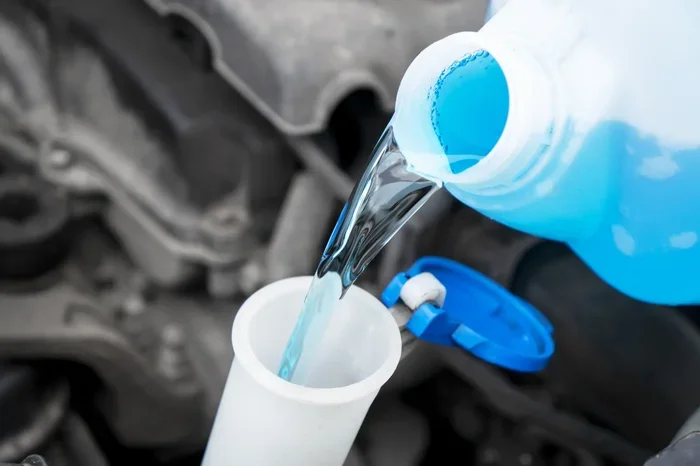
- Washer Fluid Reservoir: This is the plastic tank that holds the windshield fluid. You fill it up using a cap usually marked with a windshield symbol.
- Washer Fluid Pump: This small electric pump sits inside or near the reservoir. It pushes the fluid through the lines when you activate the system.
- Washer Fluid Hoses: Rubber or plastic tubes carry the fluid from the pump to the nozzles.
- Washer Nozzles: These are the small spray tips mounted near the base of your windshield. They spray the fluid onto the glass.
- Fuse and Wiring: The pump is powered by electricity. A blown fuse or disconnected wire can stop the whole system.
When you pull the windshield wiper lever, the pump activates. It sends fluid through the hoses and out of the nozzles. If any one of these parts fails, the whole system stops working. This is why understanding each component matters when you are troubleshooting.
Common Signs Your Washer System Needs Attention
Sometimes the problem does not show up all at once. You might notice small warning signs before the system completely fails. Watch for these indicators:
- The spray feels weaker than usual or comes out in a dribble.
- The fluid sprays in the wrong direction or misses the windshield.
- You hear the pump running but no fluid comes out.
- The pump makes no sound at all when you activate it.
- Fluid pools under your car near the front.
Catching these signs early can save you from a bigger problem later on. A little attention goes a long way with windshield fluid maintenance.
Common Reasons Why No Windshield Fluid Is Coming Out
This is the section you have been waiting for. Here are the most common reasons your windshield fluid system might not be working. We will go through each one in detail so you can pinpoint the issue quickly.
1. Empty or Low Washer Fluid Reservoir
This is the number one reason people find themselves with no windshield fluid coming out. It sounds obvious, but it is surprisingly easy to overlook. You might have used up all the fluid during a long road trip or after a messy drive through construction zones.
Check your reservoir first before anything else. The tank is usually located near the engine bay and has a cap with a windshield icon. Open it and look inside. If the level is low or completely empty, that is your answer.
Quick Tip: Make it a habit to check your windshield fluid level once a month. A quick glance can save you from an unexpected spray failure.
2. Clogged Washer Nozzles
Over time, dirt, grime, and mineral deposits can build up inside the nozzle holes. This creates a blockage that prevents the windshield fluid from spraying out properly. Even if the reservoir is full and the pump works fine, clogged nozzles will stop the spray.
The nozzles are tiny and easy to miss. They sit at the base of your windshield near the hood. You might notice the spray is going in the wrong direction or is very weak.
To fix this, try using a thin needle or a compressed air canister to clear the nozzle holes. Blow air through the nozzle or gently poke out any debris. This simple fix often solves the problem in seconds.
3. Frozen Washer Fluid
If you live in a cold climate, frozen windshield fluid is a real possibility. Water-based washer fluid can freeze inside the reservoir, hoses, and nozzles when temperatures drop below freezing. Once frozen, the fluid cannot flow through the system.
Using the wrong type of fluid for the season is the main cause of this problem. Summer-grade washer fluid contains a lot of water and will freeze in winter. Winter-grade fluid contains methanol or ethylene glycol, which lowers the freezing point significantly.
Expert Insight: Always check the temperature rating on your washer fluid bottle. Choose a fluid rated for temperatures well below what you expect to face. In very cold climates, use fluid rated for minus 20 degrees Fahrenheit or lower.
4. Faulty Washer Fluid Pump
The washer pump is a small electric motor that pushes fluid through the system. Like any electrical component, it can wear out or fail over time. If the pump is dead, you will hear nothing when you activate the washer system.
To test the pump, turn your ignition on and activate the windshield washers. Listen carefully. If you hear a humming or buzzing sound, the pump is working. If you hear nothing, the pump might be burned out or there could be an electrical issue.
Replacing a washer pump is usually affordable and straightforward. The pump is typically mounted near the reservoir and connects with a few clips and hoses. However, if you are not comfortable doing it yourself, a mechanic can handle it quickly.
5. Cracked or Disconnected Hoses
The hoses that carry windshield fluid from the pump to the nozzles can crack, split, or come loose over time. When this happens, fluid leaks out before it ever reaches the nozzles. You might notice wet spots under your car or a decrease in spray pressure.
Inspect the hoses visually. Look for cracks, holes, or loose connections. The hoses are usually rubber and can become brittle with age and exposure to heat. If you find damage, replacing the hose is usually a simple and cheap fix.
6. Blown Fuse
Every electrical system in your car has a fuse for protection. The windshield washer pump has its own fuse in the fuse box. If the fuse blows, the pump loses power and will not work, even if everything else is fine.
Check your car owner’s manual to find the location of the fuse box and the specific fuse for the washer system. A blown fuse is easy to replace and costs just a few cents. This is one of the quickest fixes you can do.
7. Defective Washer Fluid Level Sensor
Some newer vehicles have a sensor that detects the fluid level in the reservoir. If this sensor malfunctions, it might send a false signal that the tank is empty, even when it is full. This can prevent the pump from activating.
If you have ruled out all other causes, the sensor could be the culprit. A mechanic can diagnose this with a simple diagnostic tool. Replacing the sensor is usually inexpensive and resolves the issue quickly.
Step-by-Step Troubleshooting Guide
Now that you know the common causes, let us walk through a systematic troubleshooting process. Following these steps in order will help you find and fix the problem efficiently.
Step 1: Check the Fluid Level
Open the hood and locate the washer fluid reservoir. Remove the cap and look inside. If the level is low, simply fill it up with the appropriate windshield fluid. Use the correct type for the season. This alone solves the problem for many drivers.
Step 2: Test the Spray
After refilling, go outside and test the spray. Turn the ignition on and pull the washer lever. Watch the nozzles carefully. Do you see any fluid coming out? Is the spray strong or weak? Is it going in the right direction?
Step 3: Inspect the Nozzles
If fluid is not spraying or the spray is weak, check the nozzles for clogs. Use a needle, a pin, or compressed air to clear any blockages. You can also use warm water to flush the nozzles from the back side.
Step 4: Listen for the Pump
Activate the washer system and listen for the pump. If you hear it running but no fluid sprays, the issue might be a clogged hose or a disconnected line. If you hear nothing, move to the next step.
Step 5: Check the Fuse
Locate your fuse box and find the washer pump fuse. Inspect it visually or use a multimeter to test it. Replace the fuse if it is blown. Test the system again after replacing it.
Step 6: Inspect Hoses and Connections
If the fuse is fine and the pump is running, check the hoses. Look for cracks, leaks, or disconnected ends. Reattach or replace any damaged hoses. Make sure all connections are secure.
Step 7: Test the Pump Directly
If you have checked everything else and the pump still does not work, you may need to test or replace it. Disconnect the pump connector and apply power directly to see if it runs. If it does not, the pump needs to be replaced.
Comparison: Windshield Fluid Types and Their Uses
Choosing the right windshield fluid matters, especially for preventing system problems. Not all fluids are created equal, and using the wrong one can cause issues.
| Fluid Type | Best For | Freezing Point | Pros | Cons |
|---|---|---|---|---|
| Standard Summer Fluid | Warm weather, light cleaning | 32 F | Affordable, good cleaning power | Freezes in cold weather |
| Winter All-Season Fluid | Cold climates, year-round use | -20 F to -40 F | Works in freezing temps, prevents freezing | Slightly more expensive |
| Bug and Tar Remover | Summer driving, road trips | 32 F | Strong cleaning for bugs and tar | Not suitable for winter |
| Water-Free Fluid | Extreme cold, dust prevention | -50 F or lower | Will not freeze, lubricates seals | Less cleaning power on its own |
| DIY Mix (Water and Methanol) | Budget option | Varies by mix ratio | Cheap, customizable | Can cause corrosion, risk of freezing |
As a general rule, always use factory-recommended washer fluid when possible. It is formulated to work with your specific vehicle’s system and seals. Avoid using plain water as a long-term replacement. Water can cause corrosion, freeze in cold weather, and does not clean as well as proper washer fluid.
Quick Tips to Keep Your Washer System Working
Prevention is always better than repair. A little regular maintenance can keep your windshield fluid system in great shape all year long. Here are some quick and easy tips to follow:
- Refill Regularly: Do not wait until the tank is completely empty. Keep the level above the minimum mark at all times.
- Use the Right Fluid for the Season: Switch to winter-grade fluid before the first freeze. Switch back to summer fluid in spring.
- Clean the Nozzles Monthly: Use a pin or compressed air to clear any buildup in the nozzle holes.
- Inspect Hoses Every Few Months: Look for cracks, leaks, or loose connections. Replace damaged hoses right away.
- Run the Washer System Occasionally: Even if your windshield is clean, running the system once a month keeps the pump lubricated and prevents the fluid from sitting too long.
- Keep the Reservoir Cap Tight: A loose cap can cause fluid evaporation and introduce dirt into the system.
Common Mistake to Avoid: Never mix different types of washer fluid without checking compatibility. Some fluids can react with each other and create sludge that clogs the system.
When to See a Professional Mechanic
Most windshield fluid problems are easy to fix at home. But there are times when it is best to call in a professional. If you have gone through all the troubleshooting steps and the system still does not work, a mechanic can help.
You should also see a professional if you are not comfortable working with electrical components or if you suspect a deeper issue. Electrical problems in a car can sometimes be tricky and require specialized tools.
Signs that it is time for a professional visit include:
- The pump runs but no fluid reaches the nozzles despite clear hoses.
- You notice a burning smell when the pump activates.
- The washer fluid warning light stays on even after refilling.
- You have replaced the pump and the system still does not work.
- You are unsure about any step in the troubleshooting process.
A qualified mechanic can diagnose hidden electrical issues, internal blockages, and sensor problems that are not visible from a simple inspection. It is always better to be safe than sorry when it comes to your vehicle.
How to Choose the Best Windshield Fluid for Your Car
With so many products on the shelf, picking the right windshield fluid can feel overwhelming. Here are a few tips to help you make the best choice.
- Check Your Owner’s Manual: Your car manufacturer may recommend a specific type or brand of washer fluid.
- Consider Your Climate: If you live somewhere cold, prioritize a fluid with a low freezing point. If you live somewhere warm, a standard summer fluid works well.
- Look for Added Features: Some fluids include rain-repellent additives or bug-removal formulas. These can be helpful but are not essential.
- Buy in Bulk: Washer fluid is one of the cheapest car fluids you will buy. Buying in bulk saves money and ensures you never run out.
Remember, the cheapest option is not always the best. A quality washer fluid protects your system and cleans your windshield effectively. Investing in a good product pays off in the long run.
Key Takeaways
- Check the Reservoir First: An empty tank is the most common reason for no windshield fluid coming out.
- Clear Clogged Nozzles Regularly: Dirt and debris can block the spray path and reduce effectiveness.
- Use Season-Appropriate Fluid: Winter-grade fluid prevents freezing, while summer fluid offers strong cleaning power.
- Inspect the Pump and Fuses: A dead pump or blown fuse can stop the entire system from working.
- Look for Leaks in Hoses: Cracked or disconnected hoses cause fluid loss before it reaches the windshield.
- Maintain Your System Regularly: Simple monthly checks can prevent most washer system problems before they start.
- Know When to Call a Pro: Persistent issues or electrical concerns are best handled by a qualified mechanic.
Conclusion
Dealing with no windshield fluid coming out can be annoying, but it is almost always a fixable problem. Whether the cause is a simple empty reservoir, a clogged nozzle, or a more serious issue like a faulty pump, the solutions are within reach. Most fixes are quick, affordable, and easy to do at home with basic tools.
The key is to tackle the problem early. Ignoring a washer system issue can lead to a dirty windshield, reduced visibility, and unsafe driving conditions. By staying on top of your maintenance and using the right windshield fluid for each season, you can keep your system running smoothly all year long.
Now that you have the knowledge and the solutions, there is no reason to let this problem linger. Check your fluid level, inspect your nozzles, and keep your washer system in great shape. A clear view of the road starts with a working windshield fluid system. Take care of it, and it will take care of you every time you hit the road.
Frequently Asked Questions
Why Is My Windshield Fluid Not Spraying Even Though the Tank Is Full?
This usually means there is a clog in the nozzles or hoses, or the pump itself has failed. Start by checking the nozzles for blockages and testing the pump by listening for a hum when you activate the system. If the pump makes no sound, check the fuse and wiring first.
Can I Use Water Instead of Windshield Fluid?
You can use water in an emergency, but it is not recommended as a long-term solution. Water can freeze in cold weather, cause corrosion inside the system, and does not clean as effectively as proper washer fluid. Always use a dedicated windshield fluid product for best results.
How Often Should I Refill My Windshield Fluid Reservoir?
There is no set schedule. It depends on how much you drive and the conditions you encounter. As a general rule, check the fluid level once a month and refill as needed. Drivers who travel through dusty or buggy areas may need to refill more frequently.
What Happens If I Put Summer Windshield Fluid in Winter?
Summer fluid contains a high percentage of water, which can freeze in cold temperatures. When the fluid freezes, it can crack the reservoir, block the hoses, and stop the entire system from working. Always use winter-grade fluid in cold climates to avoid this problem.
Is It Expensive to Replace a Windshield Washer Pump?
No, it is one of the more affordable car repairs. A replacement pump typically costs between 20 and 50 dollars for the part. If you take it to a mechanic, labor costs may add another 50 to 100 dollars. Many car owners choose to replace the pump themselves to save money.
Can a Clogged Windshield Fluid Nozzle Be Fixed Without Replacing It?
Yes, in most cases a clogged nozzle can be cleared without replacement. Use a thin needle, a pin, or compressed air to remove debris from the nozzle hole. You can also flush the nozzle with warm water. If the nozzle is cracked or damaged beyond cleaning, then replacement is the best option.