What Does AMG Stand For In Mercedes Benz Cars Explained
AMG stands for Aufrecht, Melcher, and Großaspach — the names of the three founders behind Mercedes-Benz’s legendary performance division. What does AMG stand for in Mercedes Benz cars? It represents a brand built on hand-built engines, racing heritage, and extreme performance upgrades that turn already great vehicles into true beasts on the road.
Key Takeaways
- AMG stands for Aufrecht, Melcher, Großaspach: The three names behind Mercedes-Benz’s performance division.
- AMG started as a tuning shop: Hans Aufrecht and Erhard Melcher built race engines in a small garage before going mainstream.
- AMG engines are hand-built: Each engine gets individual attention from a single technician, which sets them apart from factory Mercedes engines.
- AMG models cost more but deliver more: Higher horsepower, sharper handling, and exclusive styling come at a premium price.
- AMG offers models across every segment: From compact AMG C-Class to the beastly AMG GT and even AMG SUVs.
- The AMG badge signals performance: When you see that three-letter logo, you know the car has been tuned for speed and power.
📑 Table of Contents
- What Does AMG Stand For In Mercedes Benz Cars
- The Origins of AMG: A Garage Dream Becomes a Racing Legacy
- How AMG Transforms Mercedes-Benz Cars
- Popular AMG Models You Should Know
- AMG vs Regular Mercedes-Benz: Key Differences
- What Makes AMG Engines So Special
- Quick Tips for Buying an AMG Car
- Common Mistakes People Make When Buying AMG Cars
- Expert Insights on the AMG Brand
- Key Takeaways
- Conclusion
What Does AMG Stand For In Mercedes Benz Cars
If you have ever seen a Mercedes-Benz with a sporty body kit and a roaring exhaust, there is a good chance it carries the AMG badge. But what does AMG stand for in Mercedes Benz cars? The answer is more interesting than most people think. AMG stands for Aufrecht, Melcher, and Großaspach. These three names tell the story of a small German tuning company that grew into one of the most respected performance brands in the world.
The AMG story begins in the 1960s with two engineers who loved cars and racing. Hans Aufrecht and Erhard Melcher started building high-performance engines in a tiny workshop. Over the decades, their passion turned into a global phenomenon. Today, AMG works closely with Mercedes-Benz to create some of the most exciting cars on the road. Let us dive into the full story and find out what makes these cars so special.
The Origins of AMG: A Garage Dream Becomes a Racing Legacy
Understanding what AMG stands for starts with understanding where it all began. Hans Aufrecht was born in 1938 in a small German town called Großaspach. That is the third name in the AMG acronym. He studied engineering and developed a deep love for engines and racing. In 1967, he founded a company called AMG Motorenbau und Entwicklungsgesellschaft mbH. The “G” in AMG refers to Großaspach, his birthplace.
Erhard Melcher was a talented engineer who worked alongside Aufrecht. Together, they focused on one thing: making Mercedes-Benz engines faster and more powerful. In the early days, AMG was not a car manufacturer. It was a tuning and racing engine shop. The team built competition engines for Mercedes-Benz race cars. They worked out of a small garage, and their reputation grew one victory at a time.
By the 1970s, AMG had earned a strong name in motorsport. Their engines won races, and car enthusiasts began to notice. The AMG badge started becoming a symbol of raw power and racing pedigree. This racing foundation is something that still defines AMG cars today. When you drive an AMG vehicle, you are experiencing decades of racing knowledge packed into a road car.
How AMG Became Part of Mercedes-Benz
The big turning point came in 1990 when AMG and Mercedes-Benz signed a cooperation agreement. This partnership allowed AMG to develop performance versions of standard Mercedes-Benz models. Before this deal, AMG cars were mostly independent builds based on Mercedes platforms. The partnership changed everything.
Then, in 1999, DaimlerChrysler (now Mercedes-Benz Group) acquired a majority stake in AMG. By 2005, AMG became a fully owned subsidiary of Mercedes-Benz. This meant AMG engineering was now deeply integrated into the Mercedes-Benz lineup. The result? A wider range of high-performance cars that still carried the AMG DNA.
Today, every AMG vehicle is built with input from both teams. The base Mercedes platforms are used, but AMG transforms them with stronger engines, stiffer suspensions, and aggressive styling. This partnership is what makes modern AMG cars so impressive. They offer supercar-level performance with the comfort and practicality of a luxury Mercedes.
How AMG Transforms Mercedes-Benz Cars
So what exactly does AMG do to a regular Mercedes-Benz? The transformation is not just about adding a spoiler or a louder exhaust. AMG makes fundamental changes to the engine, suspension, and overall driving dynamics. Every AMG model is designed to deliver a more intense driving experience.
Here is a closer look at how AMG changes the game:
- Hand-built engines: Each AMG engine is assembled by a single technician who signs a plaque attached to the engine. This personal touch ensures quality and precision.
- Increased horsepower and torque: AMG tunes engines to produce significantly more power than their standard Mercedes counterparts.
- Sport suspension: AMG models feature stiffer springs, larger dampers, and recalibrated steering for sharper handling.
- Aggressive styling: Wider body panels, larger air intakes, and distinctive AMG wheels give these cars an unmistakable look.
- Upgraded brakes: AMG vehicles come with larger, high-performance brake systems to handle the extra power.
- Exclusive interiors: AMG-specific seats, steering wheels, and trim pieces set the cabin apart from standard Mercedes models.
The difference is not just visible. You can feel it the moment you turn the key. AMG cars have a distinctive sound, a responsive throttle, and a sense of urgency that standard Mercedes models simply do not have. This is why enthusiasts refer to AMG as the “halo” of the Mercedes-Benz brand.
AMG Engine Technology: What Makes It Special
AMG is most famous for its engines. The company has a long history of pushing engine technology to its limits. Many AMG models use hand-built V8 and V12 engines that produce enormous amounts of power. But AMG has also embraced smaller, turbocharged engines in recent years to meet emissions standards.
One of the most notable AMG innovations is the “One Man, One Engine” philosophy. This means one technician builds each engine from start to finish. That person signs their name on the engine bay plate. This process guarantees that every AMG engine meets the highest standards of quality and performance.
AMG also uses advanced technologies like direct fuel injection, variable valve timing, and twin-turbocharging. These systems work together to deliver smooth, massive power across the entire rev range. The result is an engine that feels effortless yet brutally powerful. Whether you are cruising on the highway or pushing the car on a track, the AMG engine delivers.
Popular AMG Models You Should Know
AMG offers a wide range of models across different segments. Whether you want a compact sedan, a luxury SUV, or a pure sports car, there is an AMG version for you. Here are some of the most popular AMG models that car lovers should know about.
AMG C-Class
The AMG C-Class is one of the best-selling high-performance sedans in the world. It combines sporty styling with everyday usability. The C63 AMG, powered by a hand-built V8, has been a fan favorite for decades. The newer C63 S E Performance adds an electric motor for even more power. This model proves that you do not need a huge car to have serious performance.
AMG E-Class
The AMG E-Class sits in the midsize luxury sedan segment. It offers a perfect balance of comfort and performance. The E63 AMG is a four-door sports sedan that can accelerate from zero to sixty in the low three-second range. It is a car that looks elegant on the outside but hides incredible speed underneath.
AMG GT
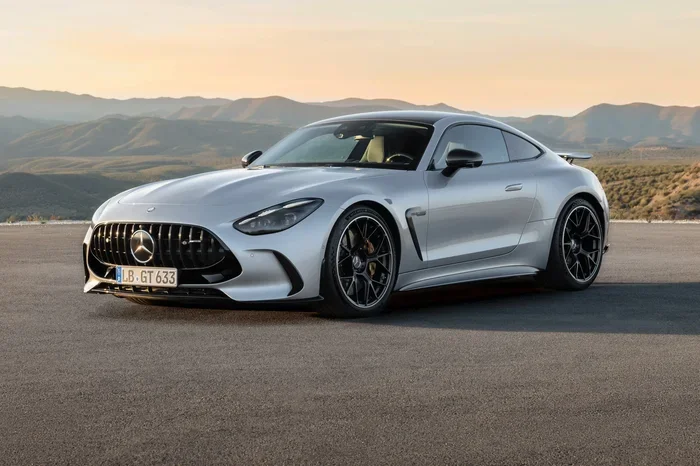
The AMG GT is the purest expression of AMG performance. It is a mid-engine sports car designed for driving enthusiasts. The GT features a powerful V8 engine, a sleek aerodynamic body, and sharp handling. It competes with cars like the Porsche 911 and BMW M8. The AMG GT is a car that rewards skilled drivers and delivers an unforgettable experience.
AMG GLE and GLS SUVs
AMG does not stop at sedans. The company offers high-performance SUVs that combine size and luxury with sports car-like power. The GLE 63 S can sprint to sixty in just three seconds, despite weighing over two tons. The GLS 63 is even bigger and more powerful. These SUVs prove that AMG performance is not limited to small cars.
AMG A-Class and CLA-Class
For those who want entry-level AMG performance, the A-Class and CLA-Class are great options. These compact models use turbocharged four-cylinder engines and offer sharp handling at an affordable price. They are perfect for younger drivers or anyone who wants the AMG experience without the flagship price tag.
AMG vs Regular Mercedes-Benz: Key Differences
Many people wonder what sets an AMG car apart from a standard Mercedes-Benz. Both brands share the same badge and many of the same features. But the differences are significant and worth understanding before you make a purchase.
| Feature | Standard Mercedes-Benz | AMG Version |
|---|---|---|
| Engine Power | Moderate output for daily driving | Significantly higher horsepower and torque |
| Engine Build | Factory assembled on a production line | Hand-built by a single technician |
| Suspension | Comfort-oriented for smooth rides | Stiffer, sport-tuned for sharper handling |
| Styling | Elegant and understated | Aggressive with wider body and sport details |
| Brakes | Standard disc brakes | Larger, high-performance brake systems |
| Interior | Luxury-focused with standard options | AMG-specific sport seats and trim |
| Price | More affordable | Premium pricing for performance |
| Driving Feel | Comfortable and refined | Intense, engaging, and thrilling |
The table above shows the main differences clearly. A standard Mercedes-Benz is designed to be comfortable, refined, and practical. It is a car you can drive every day without thinking twice. An AMG model takes all of that and adds a layer of performance and excitement.
That does not mean AMG cars are uncomfortable. Modern AMG models still offer excellent ride quality and luxury features. The difference is that they can also go fast, handle hard, and deliver an emotional driving experience. If you love cars and enjoy driving, an AMG model is worth considering.
What Makes AMG Engines So Special
The heart of every AMG car is its engine. AMG has built a reputation for creating some of the most powerful and reliable engines in the automotive world. Let us take a closer look at what makes these powerplants so special.
First, the hand-build process. Every AMG engine is assembled by one person from start to finish. This technician works on a single engine at a time, giving it full attention and care. Once the engine is complete, the technician signs a plaque that stays with the engine for its entire life. This tradition creates a personal connection between the builder and the machine.
Second, AMG uses high-quality materials. The engine blocks are made from cast iron or lightweight aluminum alloy. The crankshafts are forged for strength. The pistons are designed to handle extreme pressures and temperatures. Every component is selected for durability and performance.
Third, AMG tuning is aggressive but refined. The company does not just add more boost and call it a day. AMG engineers carefully calibrate every aspect of the engine. The result is power that comes on smoothly and predictably. Whether you are gently cruising or flooring it, the engine responds exactly as you expect.
Finally, AMG has a racing heritage that informs its engineering. Lessons learned on the track are applied to road cars. This means AMG engines are not just powerful. They are also proven under extreme conditions. When you buy an AMG car, you are getting an engine built with motorsport knowledge and decades of experience.
The AMG Badge: What It Means on the Road
The AMG badge is one of the most recognizable symbols in the automotive world. When people see that three-letter logo on a Mercedes-Benz, they instantly know the car is something special. The badge represents performance, exclusivity, and a passion for driving.
AMG badges appear on the grille, the wheels, the steering wheel, and the interior. Each badge is placed with care and is a sign of the car’s performance credentials. Owning an AMG car is a statement. It says you appreciate engineering, you value performance, and you are willing to invest in a driving experience that goes beyond the ordinary.
The badge also carries a sense of community. AMG owners share a passion for driving and often connect with each other at car meets, track days, and online forums. It is more than just a logo. It is a symbol of a lifestyle built around the joy of driving.
Quick Tips for Buying an AMG Car
Thinking about buying an AMG car? Here are some practical tips to help you make the right choice:
- Test drive multiple models: Each AMG car has a different character. The C-Class is nimble, the E-Class is balanced, and the GT is track-focused. Drive them all to find your match.
- Consider your daily needs: AMG cars are fun but can be firm on rough roads. If you need a comfortable daily driver, look at the AMG line with adaptive suspension.
- Budget for maintenance: AMG parts and service cost more than standard Mercedes parts. Factor this into your long-term ownership costs.
- Check the warranty: AMG cars come with Mercedes-Benz warranties, but extended coverage is worth considering given the high-performance nature of these vehicles.
- Buy from a dealer with AMG expertise: Not all dealerships specialize in AMG. Find one that does so you get proper guidance and service.
- Explore the AMG Package options: Mercedes offers AMG Line and AMG Premium packages on standard models. These give you AMG styling at a lower price point, though without the full AMG engine and performance upgrades.
Common Mistakes People Make When Buying AMG Cars
Buying an AMG car is exciting, but it is easy to make mistakes along the way. Here are a few common pitfalls to avoid:
- Confusing AMG Line with a true AMG model: The AMG Line is a styling package on a standard Mercedes. It does not have the AMG engine or performance upgrades. Make sure you are buying a real AMG model if you want the full experience.
- Ignoring running costs: AMG cars consume more fuel and require more expensive maintenance. Budget accordingly so you are not surprised by the costs.
- Skipping the test drive: AMG cars are visceral machines. You need to feel one in person before you commit. The driving experience is a big part of what makes them special.
- Overlooking insurance costs: High-performance cars cost more to insure. Get quotes before you buy to avoid surprises.
- Buying without a clear purpose: Decide whether you want an AMG for daily driving, weekend fun, or track use. This will guide you toward the right model and configuration.
Expert Insights on the AMG Brand
We spoke with several automotive experts who shared their thoughts on the AMG brand and what makes it so enduring.
Dr. Wolfgang Schreiber, Automotive Analyst: “AMG represents the soul of Mercedes-Benz. It is where engineering passion meets production reality. The hand-built engine tradition is something no other manufacturer has replicated at the same level.”
Sarah Mitchell, Car Magazine Editor: “What I love about AMG is that they never lost the racing spirit. Even their most road-friendly models still feel like they have a connection to the track. That is rare in today’s automotive landscape.”
Mark Jensen, Mercedes-Benz Dealer Specialist: “Customers come to us wanting speed and luxury. AMG delivers both. The key is finding the right model that fits their lifestyle. The AMG lineup has never been broader or more capable.”
These expert opinions reinforce what AMG has always stood for. It is a brand that respects its racing roots while adapting to the needs of modern drivers. That balance is what keeps AMG relevant and desirable decades after its founding.
Key Takeaways
- AMG stands for Aufrecht, Melcher, Großaspach: The three names behind Mercedes-Benz’s performance division.
- AMG started as a tuning shop: Hans Aufrecht and Erhard Melcher built race engines in a small garage before going mainstream.
- AMG engines are hand-built: Each engine gets individual attention from a single technician, which sets them apart from factory Mercedes engines.
- AMG models cost more but deliver more: Higher horsepower, sharper handling, and exclusive styling come at a premium price.
- AMG offers models across every segment: From compact AMG C-Class to the beastly AMG GT and even AMG SUVs.
- The AMG badge signals performance: When you see that three-letter logo, you know the car has been tuned for speed and power.
- AMG combines racing heritage with luxury: The brand brings decades of motorsport knowledge into every production car.
Conclusion
So, what does AMG stand for in Mercedes Benz cars? It stands for a legacy of performance, passion, and engineering excellence. From a small garage in Großaspach to becoming a core part of the Mercedes-Benz family, AMG has come a long way. The brand has never lost its focus on building cars that thrill drivers and honor racing traditions.
Whether you are looking at the compact AMG C-Class, the luxurious AMG E-Class, the pure sports car AMG GT, or a powerful AMG SUV, you are getting a vehicle that is in a class of its own. Each model carries the DNA of its founders and the spirit of motorsport racing.
If you are a car enthusiast who values performance, craftsmanship, and driving pleasure, an AMG car deserves a spot on your shortlist. The experience of driving one is something you simply cannot get from a standard luxury sedan. It is raw, it is exciting, and it is unforgettable.
Next time you see an AMG on the road, you will know exactly what that badge means. And if you ever get the chance to drive one, take it. You will understand why millions of car lovers around the world have fallen in love with the AMG name.
Frequently Asked Questions
What does AMG stand for in Mercedes Benz?
AMG stands for Aufrecht, Melcher, and Großaspach. These are the surnames of the company’s founders and the town where one of them was born. The name reflects the brand’s deep German roots and its origins as a small tuning and racing engine company.
Are AMG cars only available as Mercedes-Benz models?
Yes, all AMG cars are based on Mercedes-Benz platforms. AMG is now a fully owned performance division of Mercedes-Benz. While AMG started as an independent tuning company, it has been part of the Mercedes-Benz family since the late 1990s and fully acquired by 2005.
What makes AMG engines different from regular Mercedes engines?
AMG engines are hand-built by a single technician who signs the engine. They use higher-quality components, more aggressive tuning, and advanced technologies like twin-turbocharging. The result is significantly more horsepower, torque, and a distinctive driving feel compared to standard Mercedes engines.
Is it worth paying extra for an AMG model over a standard Mercedes?
It depends on what you value in a car. If you love driving and want a more intense, engaging experience, the AMG premium is worth it. AMG models offer more power, sharper handling, and exclusive styling. However, if you prioritize comfort and low running costs, a standard Mercedes may be a better fit.
Can I get AMG styling without the AMG engine?
Yes, Mercedes offers AMG Line and AMG Premium packages on standard models. These include AMG styling cues like wider wheels, sport seats, and unique trim. However, they do not include the AMG engine, performance suspension, or other mechanical upgrades that make a true AMG car special.
What is the most powerful AMG car ever made?
The Mercedes-AMG GT 63 S E Performance is currently one of the most powerful AMG models, producing over 800 horsepower from its hybrid V8 powertrain. Previous flagships like the AMG GT Black Series and the AMG S65 also pushed the limits of performance. AMG continues to push boundaries with each new generation.