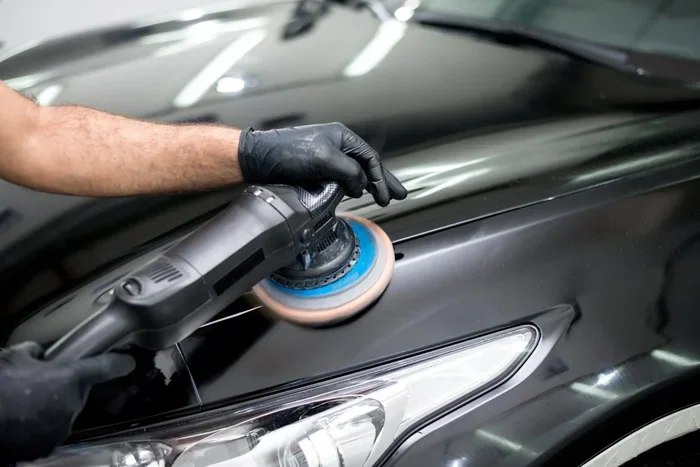
How to Protect Car Paint and Keep It Looking Great Always
Learning how to protect car paint is essential for every vehicle owner who wants to maintain a showroom-quality finish. This guide covers proven methods like waxing, ceramic coating, and paint protection film, along with daily habits that prevent damage. With the right approach, you can keep your car looking brand new for years.
Your car is more than just a vehicle. It is a reflection of your personality and pride. Over time, exposure to the elements can take a serious toll on your vehicle’s finish. Sun, rain, dirt, and even bird droppings can cause paint fade and long-term damage. But here is the good news. With the right approach, you can keep your car looking stunning for years to come.
Learning how to protect car paint does not have to be complicated. Whether you are a car enthusiast or someone who just wants to keep their daily driver in great shape, this guide covers everything you need to know. From simple washing habits to advanced ceramic coating options, we will walk you through every method. You will learn what works, what does not, and how to avoid common mistakes that ruin your finish.
The goal is simple. Give your car the protective layers it deserves so it stays looking showroom-fresh. Let us dive into the best strategies for automotive paint care and help you make an informed decision.
Key Takeaways
- Regular washing and drying prevent contaminants from etching into your clear coat.
- Ceramic coating and paint sealant offer long-lasting protection compared to traditional wax.
- Parking in shaded areas reduces UV damage and paint fade significantly.
- Avoid automatic car washes with harsh brushes that cause swirl marks.
- Address small chips and scratches immediately to prevent rust and corrosion.
- Use pH-balanced car soap and microfiber towels to preserve protective layers.
- Professional paint correction is the best solution for existing oxidation and damage.
📑 Table of Contents
Why Protecting Your Car Paint Matters
Many car owners overlook the importance of car paint protection until they notice dullness or scratches. Your vehicle’s paint does more than just look good. It acts as a shield against rust, corrosion, and environmental damage. Understanding why protection matters is the first step toward keeping your car in top shape.
Understanding Your Car’s Clear Coat
Most modern vehicles come with a clear coat layer over the base color. This transparent layer serves as the first line of defense. It protects the actual paint underneath from UV rays damage, chemicals, and minor scratches. When the clear coat wears away, the base paint becomes exposed and vulnerable.
Over time, this leads to paint oxidation, which causes a chalky, dull appearance. Once oxidation sets in, it is very difficult to reverse without professional paint correction. This is exactly why proactive care makes such a big difference.
The Hidden Threats to Your Vehicle’s Finish
Several everyday threats can damage your car’s finish without you even noticing. Here are the most common culprits:
- UV rays break down the paint’s molecular structure over time.
- Bird droppings contain acids that eat through the clear coat quickly.
- Tree sap is sticky and corrosive, leaving permanent marks if not removed.
- Road salt and chemicals accelerate rust formation on the undercarriage and edges.
- Dust and grit create swirl marks when wiped dry incorrectly.
- Automatic car washes with harsh brushes cause micro-scratches.
Each of these threats chips away at your finish gradually. The best defense is a combination of regular maintenance and strong protective layers.
How to Protect Car Paint With Proven Methods
Now that you understand the threats, let us look at the most effective ways to defend your vehicle. There are several methods available, ranging from budget-friendly options to premium solutions. Each one offers different levels of durability and protection for your car paint.
Traditional Car Wax
Waxing your car has been a staple of car detailing for decades. Traditional carnauba wax provides a warm, natural glow that many car owners love. It creates a sacrificial layer that absorbs damage instead of letting it reach your paint.
The car wax benefits include enhanced shine, water beading, and a smooth surface that repels dirt. However, wax typically lasts between two and four weeks. This means you need to reapply regularly to maintain protection. For many owners, this is a small price to pay for the beautiful finish it delivers.
Quick Tip: Always apply wax in the shade and on a cool surface. Hot sun causes wax to dry too quickly, leaving a hazy residue that is hard to remove.
Paint Sealant for Durable Shielding
If you want longer-lasting protection than wax, a paint sealant is an excellent choice. Paint sealants are synthetic products that bond chemically with the paint surface. They typically last three to six months, which is significantly longer than traditional wax.
Sealants offer a sleek, glossy finish and excellent durability. They are also easier to apply than wax in many cases. For those who want a balance between natural shine and lasting protection, a paint sealant is a great middle ground.
Expert Insight: Many professional detailers recommend using a sealant as a base layer and then applying a coat of wax on top. This combination gives you the durability of the sealant with the beautiful shine of wax.
Ceramic Coating: The Modern Solution
Ceramic coating has revolutionized the world of car paint protection. This liquid polymer bonds permanently with your vehicle’s clear coat, creating a hydrophobic and extremely durable shell. A quality ceramic coating can last two to five years with proper care.
The benefits of ceramic coating are impressive:
- Superior water repellency makes washing easier and faster.
- Exceptional resistance to UV rays and chemical contamination.
- Dramatic gloss enhancement that lasts for years.
- Reduced frequency of washing due to self-cleaning properties.
- Protection against light scratches and swirl marks.
However, ceramic coating requires thorough surface preparation. The paint must be completely free of contaminants, scratches, and oxidation before application. This often means investing in paint correction first, which adds to the overall cost. But the long-term results are well worth the effort.
Paint Protection Film (PPF)
Paint protection film, commonly known as PPF or clear bra, is the most robust form of automotive paint care. This transparent, thermoplastic urethane film is applied directly to the paint surface. It absorbs impacts from rocks, road debris, and minor scratches that would otherwise damage your paint.
PPF is especially popular for protecting high-impact areas like the front bumper, hood, and side mirrors. Modern self-healing PPF can even repair minor swirl marks when exposed to heat. This technology makes it one of the most advanced solutions available today.
While PPF offers the highest level of physical protection, it is also the most expensive option. Professional installation typically costs several thousand dollars. However, for luxury vehicles or daily drivers in harsh conditions, the investment pays off in preserving resale value and keeping your paint flawless.
Choosing the Right Products for Your Vehicle
Not all car paint protection products are created equal. Your choice depends on your budget, how much time you want to invest, and the level of protection you need. Here is a simple comparison of the most popular options to help you decide.
| Product Type | Durability | Cost Range | Best For |
|---|---|---|---|
| Traditional Wax | 2-4 weeks | $10 – $50 | Budget-friendly shine and light protection |
| Paint Sealant | 3-6 months | $20 – $80 | Long-lasting protection with easy application |
| Ceramic Coating | 2-5 years | $100 – $1,000+ | Maximum durability and hydrophobic performance |
| Paint Protection Film | 5-10 years | $1,000 – $5,000+ | Physical impact protection for high-wear areas |
As you can see, each option serves a different purpose. Many car owners choose to combine methods for comprehensive coverage. For example, applying a ceramic coating for long-term defense and using a quick detailer spray between washes keeps the surface pristine.
Quick Tip: Always read product reviews before purchasing. Not every ceramic coating or sealant lives up to its marketing claims. Stick with reputable brands that have proven track records in car detailing.
Daily Habits That Keep Your Paint Safe
Products alone cannot fully protect your vehicle. Your daily habits play an equally important role in maintaining a flawless finish. Small changes in your routine can prevent years of damage and keep your paint looking vibrant.
The Right Way to Wash Your Car
Washing your car the wrong way can cause more harm than good. Using a dirty sponge or harsh detergent strips away protective layers and introduces swirl marks into the paint. Here is how to do it correctly:
- Rinse your vehicle thoroughly with water to remove loose dirt and debris.
- Use the two-bucket method. One bucket with soapy water and one with clean rinse water.
- Use a soft microfiber wash mitt and gentle, pH-balanced car soap.
- Wash from top to bottom, starting with the roof and working downward.
- Rinse each section thoroughly before moving to the next.
- Dry with a clean, soft microfiber towel or a plush drying towel.
- Never let your car air dry, as mineral deposits can etch into the paint.
Always choose a hand wash car approach over an automatic car wash whenever possible. Brush-based automatic washes create fine scratches that accumulate over time and dull your finish. If you must use an automatic wash, choose a touchless option that uses only water and gentle detergents.
Smart Parking Strategies
Where you park matters more than most people realize. Parking in direct sunlight for years accelerates paint fade and UV rays damage. Here are some smart habits to adopt:
- Park in shaded areas or use a car cover when possible.
- Avoid parking under trees where bird droppings and tree sap fall frequently.
- Keep your car away from construction sites where debris and overspray can damage paint.
- Use a garage or carport for long-term storage whenever you can.
- Consider a UV-protective car cover for vehicles parked outdoors daily.
These small adjustments add up significantly over months and years. They are one of the easiest and most cost-effective ways to extend the life of your paint job. A little planning goes a long way toward preserving your finish.
Common Mistakes That Damage Car Paint
Even well-meaning car owners can accidentally harm their vehicle’s finish. Being aware of these mistakes helps you avoid them and keep your paint in excellent condition. Let us look at the most common errors people make.
Using Harsh Products
Household cleaners, dish soap, and abrasive towels are enemies of automotive paint. These products strip away the natural oils and clear coat protectant that keep your finish healthy. Always use products specifically formulated for automotive use.
Many people make the mistake of using household glass cleaner on their windows and paint. Glass cleaners contain ammonia, which can damage the paint’s protective layers over time. Stick with dedicated automotive products for every surface of your vehicle, including the interior and exterior.
Common Mistake: Using a single bucket of soapy water to wash your entire car. This just redeposits dirt and grime onto the paint, causing scratches. Always use the two-bucket method for the safest wash.
Ignoring Small Damage
A small chip or scratch might seem harmless, but it is an open invitation for rust and corrosion. Moisture enters through these tiny openings and attacks the metal underneath. Over time, a minor chip can turn into a major rust problem that is expensive to repair.
Many car owners ignore small paint chips until rust appears. At that point, the repair becomes much more involved and costly. Address minor damage immediately with touch-up paint or a clear coat pen. These inexpensive tools can save you hundreds of dollars in future repairs.
Skipping Regular Maintenance
Consistency is key when it comes to car paint protection. Skipping washes allows contaminants to bond with the paint and become increasingly difficult to remove. Dirt and grime that sit on the surface for weeks begin to etch into the clear coat.
Set a simple schedule. Wash your car every one to two weeks, apply a sealant every three months, and do a thorough detail at least twice a year. This routine keeps your paint healthy and looking great without requiring a huge time investment. Think of it as a small investment that pays off with a stunning finish.
When to Call a Professional
While DIY car detailing is rewarding and cost-effective, some situations call for professional help. Knowing when to seek expert assistance saves you time, money, and frustration in the long run. A skilled professional has the tools and experience to handle serious paint issues.
Paint Correction and Restoration
If your vehicle already shows signs of paint oxidation or heavy swirl marks, professional paint correction is the best solution. A skilled detailer uses specialized machines and compounds to remove a thin layer of damaged paint, revealing a smooth, glossy surface underneath.
Professional paint correction is not a DIY job for beginners. It requires experience, the right tools, and a deep understanding of paint thickness and structure. A professional can also assess whether your clear coat is thick enough to handle correction safely. Attempting correction without proper knowledge can make damage worse.
Expert Insight: Before applying any long-term protection like ceramic coating, always ensure the paint is in its best condition. Applying a coating over oxidized or damaged paint traps the defects underneath and makes them more visible. Start with paint correction, then layer on your protection for the best results.
Professional detailers also have access to industrial-grade products that are not available to consumers. These products can achieve results that are simply impossible with DIY methods. For vehicles with heavy damage or neglected paint, a professional treatment can be truly transformative.
Conclusion
Protecting your car’s paint is one of the smartest investments you can make. It preserves your vehicle’s appearance, maintains its resale value, and shields the metal from corrosion. Whether you choose traditional wax, a paint sealant, advanced ceramic coating, or full paint protection film, the key is consistency.
Now that you know how to protect car paint effectively, you have the tools to make informed decisions. Start with the basics, build a routine, and upgrade your protection as your budget allows. Your car will thank you with a stunning finish that turns heads for years to come.
Remember, every wash, every wax, and every smart parking choice adds up. Take pride in your vehicle and give it the automotive paint care it deserves. Your efforts today will pay off with a beautiful, protected finish tomorrow. Start protecting your car paint now, and enjoy the results for miles to come.
Frequently Asked Questions
How often should I wax my car to keep the paint protected?
Most experts recommend waxing your car every two to four weeks for optimal protection. However, the frequency depends on your driving conditions and the type of wax you use. If you park outdoors frequently or live in an area with harsh weather, you may need to wax more often. A good rule of thumb is to wax whenever water no longer beads smoothly on the surface.
Is ceramic coating worth the investment for everyday drivers?
Ceramic coating is absolutely worth it if you want long-term protection with minimal maintenance. While the upfront cost is higher than traditional wax, the durability of two to five years makes it cost-effective over time. Everyday drivers benefit greatly from the hydrophobic properties and UV resistance that ceramic coating provides.
Can I apply paint protection film myself at home?
While DIY PPF kits exist, professional installation is highly recommended for the best results. PPF requires precise cutting, heat application, and bubble-free installation. Improper application can lead to peeling, bubbling, and trapped moisture. If you are experienced with film application, start with a small area like the hood before tackling the entire vehicle.
What is the best way to remove bird droppings without damaging paint?
The key is to act quickly and soften the droppings before wiping. Spray a dedicated bug and tar remover or a quick detailer spray onto the affected area. Let it sit for a minute or two to break down the acids. Then gently wipe away with a soft microfiber towel. Never pick or scrape dried droppings, as this will scratch the clear coat.
How does an automatic car wash damage car paint?
Brush-based automatic car washes use abrasive materials that create fine swirl marks and micro-scratches over time. The harsh chemicals used in some washes can also strip away wax and sealant layers. Touchless automatic washes are a safer alternative, but hand washing remains the gentlest and most effective method for preserving your paint.
Can paint oxidation be reversed without professional help?
Light oxidation can sometimes be reversed with a compound and polish at home. However, severe oxidation that has eaten through the clear coat cannot be fully repaired without professional paint correction. In advanced cases, a professional detailer or body shop may need to repaint the affected panels. Regular waxing and sealant application are the best prevention against oxidation.