How to Defog Your Tesla Windshield Quickly and Easily
Foggy Tesla windshields are a common annoyance, especially in cold or humid weather. This guide shows you exactly how to defog your Tesla windshield quickly and easily using built-in climate controls, simple tricks, and preventive habits. You will learn the science behind windshield fog, the best defogging settings, and expert tips to keep your view crystal clear all year round.
There is nothing more frustrating than stepping up to your Tesla on a cold morning and finding the windshield completely fogged over. You wipe it, you wait, and the fog just keeps coming back. It is a problem every Tesla owner faces, especially during the winter months or in humid climates. The good news is that defogging your Tesla windshield does not have to be a daily battle. With the right settings and a few simple habits, you can clear your view in seconds and keep it clear all day long.
In this guide, we will walk you through every method for how to defog your Tesla windshield quickly and easily. You will learn why fog forms in the first place, which Tesla settings work best, and what you can do to prevent fog from returning. Whether you drive a Model 3, Model Y, Model S, or Model X, these tips will help you see clearly and stay safe on the road.
Key Takeaways
- Use Tesla’s auto-defog setting: The built-in defog button on the touchscreen activates the climate system to clear fog fast.
- Reduce interior humidity: Simple habits like wiping down wet seats and using moisture absorbers prevent fog from forming in the first place.
- Adjust fan speed and temperature: Warm air and higher fan speeds clear fog faster than cold air in most situations.
- Prevention is easier than clearing: Keeping your Tesla’s interior dry and using the recirculate function wisely stops fog before it starts.
- Know your Tesla model differences: Different Tesla models have slightly different defogging features and vent configurations.
- Avoid common mistakes: Turning off the AC or using the wrong temperature settings can make fog worse.
📑 Table of Contents
- Why Does Your Tesla Windshield Fog Up?
- How to Defog Your Tesla Windshield Quickly and Easily
- Preventing Fog on Your Tesla Windshield
- Common Mistakes That Make Fog Worse
- Tesla Model Differences in Defogging Performance
- Expert Tips for Year-Round Windshield Clarity
- How Tesla Defogging Compares to Other Vehicles
- Quick Tips Summary
- Final Thoughts
Why Does Your Tesla Windshield Fog Up?
Understanding why fog appears on your windshield is the first step to solving the problem. Fog forms when warm, moist air touches a cold surface. In your Tesla, this usually happens when the outside temperature drops and the humidity inside your car rises. Your breath, wet clothing, and even the moisture in the air all contribute to the problem.
The Science Behind Windshield Fog
Here is a simple way to think about it. Warm air holds more moisture than cold air. When that warm, moist air hits your cold windshield, the water vapor turns into tiny droplets. Those droplets scatter light and create that hazy, opaque layer you see in the morning. This is the same reason a bathroom mirror fogs up after a hot shower.
Tesla vehicles are especially prone to this because they are well-sealed for aerodynamics and noise reduction. While that seal keeps your cabin quiet and efficient, it also traps moisture inside. The lack of natural airflow means humidity can build up faster than in a traditional car with more ventilation gaps.
When Fog Is Most Likely to Appear
Fog tends to show up at the worst possible times. Here are the most common situations where you will notice it:
- Cold mornings: The temperature difference between your warm cabin and the frozen glass creates perfect fog conditions.
- Rainy days: Wet shoes and jackets bring extra moisture into the car.
- After a car wash: Standing water inside the car increases humidity levels.
- Humid climates: High ambient moisture makes fogging a year-round issue in places like Florida or the Pacific Northwest.
- Multiple passengers: More people in the car means more breath moisture and body heat.
Knowing when fog is likely to hit helps you get ahead of it. Prevention is always easier than clearing, so keep these triggers in mind.
How to Defog Your Tesla Windshield Quickly and Easily
Now that you understand the cause, let us look at the solutions. Tesla gives you several built-in tools to clear fog fast. Here are the most effective methods, ranked by speed and convenience.
Method 1: Use the Auto Defog Button
The quickest way to clear fog is by tapping the auto-defog button on your Tesla touchscreen. This button looks like a curved windshield with three wavy lines. When you press it, Tesla automatically adjusts the fan speed, temperature, and air direction to clear the windshield as fast as possible.
Here is what happens when you tap it:
- The system turns on the air conditioning compressor.
- Fan speed increases to maximum or near-maximum.
- Air is directed toward the windshield.
- The cabin temperature adjusts to reduce humidity.
This method works in both hot and cold weather. The AC compressor removes moisture from the air, which is the key to clearing fog. Many Tesla owners do not realize that the defog setting uses the AC even in winter, which is why it works so well.
Method 2: Manually Adjust Climate Controls
If you prefer more control, you can manually set your climate system for defogging. Here is the step-by-step process:
- Set the temperature to warm. Warm air holds more moisture and absorbs fog faster than cold air.
- Increase the fan speed. Higher airflow pushes more air across the windshield surface.
- Direct vents toward the windshield. Use the vent controls to point airflow at the front glass.
- Turn off recirculate mode. Fresh outside air brings in drier air, which helps absorb moisture faster.
- Keep the AC on. Even in winter, the AC removes humidity from the air. Do not turn it off thinking it wastes energy.
This manual approach gives you more flexibility. You can fine-tune the settings based on how bad the fog is and how fast you need it cleared.
Method 3: Use the Tesla App to Pre-Condition
One of the best features of owning a Tesla is the ability to control your car from your phone. Before you even step outside, open the Tesla app and start the defog setting remotely. Your windshield will be clear by the time you walk to the car.
This is especially useful on cold winter mornings. Instead of standing in the cold waiting for the fog to clear, you can let your Tesla do the work while you finish your coffee. The app lets you turn on the climate system, set the temperature, and direct airflow to the windshield from anywhere.
Just make sure your Tesla is connected to Wi-Fi or has cellular data. The remote features rely on a stable connection to work properly.
Preventing Fog on Your Tesla Windshield
Clearing fog is important, but preventing it is even better. These simple habits can keep your windshield clear all day long, so you never have to deal with that annoying haze again.
Keep Your Interior Dry
Moisture is the enemy of clear glass. The drier your Tesla cabin stays, the less likely fog is to form. Here are some practical ways to reduce interior moisture:
- Wipe down wet seats and floor mats after rainy days or when passengers bring in damp clothing.
- Use a small towel or absorbent mat on the driver and passenger floors during wet seasons.
- Avoid leaving wet items inside the car like umbrellas, gym bags, or snow-covered jackets.
- Use silica gel packets or moisture absorbers in the footwells. These are inexpensive and very effective at pulling excess humidity out of the air.
Small changes like these make a big difference over time. Your Tesla cabin will stay drier, and your windshield will stay clearer.
Use the Recirculate Setting Wisely
Tesla’s recirculate mode is great for keeping cabin air clean and maintaining a consistent temperature. However, it can trap moisture inside the car. When you notice fog starting to form, switch off recirculate and let fresh outside air flow in. Fresh air is typically drier and helps absorb moisture from the windshield faster.
On the other hand, during heavy rain or when driving through tunnels, recirculate mode can prevent humid outside air from entering the cabin. Use it strategically depending on the conditions.
Keep Your Ventilation System Clean
A clean ventilation system works better and helps prevent fog. Over time, dust and debris can clog your Tesla’s air filters and vents, reducing airflow and trapping moisture. Make sure to:
- Replace your cabin air filter regularly according to Tesla’s maintenance schedule.
- Clean your vent openings with a soft cloth to remove dust buildup.
- Run the ventilation system on fresh air for a few minutes before bed to circulate dry air through the cabin.
These small maintenance tasks keep your Tesla’s climate system running at peak performance and reduce fogging incidents significantly.
Common Mistakes That Make Fog Worse
Sometimes the way we react to fog actually makes it worse. Here are the most common mistakes Tesla owners make when dealing with a foggy windshield.
Turning Off the Air Conditioning
Many people think the AC is only for summer. This is a big mistake when it comes to defogging. The AC compressor acts as a dehumidifier. It pulls moisture out of the air, which is exactly what you need to clear fog. Turning off the AC in winter might save a little energy, but it will extend the time it takes to clear your windshield.
Using Cold Air Instead of Warm Air
Cold air feels like it should clear fog, but it actually makes the problem worse in cold weather. Cold air cannot hold as much moisture, so it condenses faster on the cold glass. Warm air is more effective at absorbing moisture and clearing fog quickly. Once the fog is gone, you can switch to your preferred temperature.
Leaving the System on Recirculate
As mentioned earlier, recirculate mode traps moisture inside the cabin. If you leave it on while defogging, you are essentially recycling humid air over and over. Switch to fresh air mode to bring in drier outside air and speed up the clearing process.
Ignoring the Rear Windshield Defog
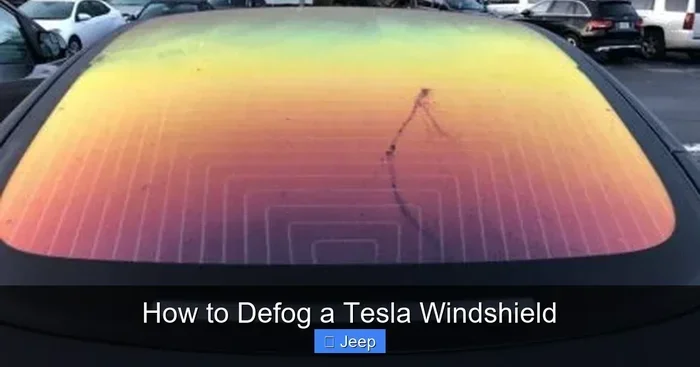
Fog does not just appear on the front windshield. The rear window and side mirrors can fog up too, especially when multiple passengers are in the car. Tesla has a rear defogger built into the climate system. Make sure to activate it if the back window is also hazy. This is especially important for visibility when driving in reverse or changing lanes.
Tesla Model Differences in Defogging Performance
Not all Teslas defog the same way. Each model has slightly different features that affect how quickly and effectively the windshield clears.
Model 3 and Model Y
The Model 3 and Model Y are the most popular Teslas on the road, and they both have excellent defogging systems. The touchscreen interface makes it easy to access the auto-defog button and adjust climate settings. These models also benefit from Tesla’s heat pump system, which provides faster cabin heating and more efficient defogging in cold weather.
Model S and Model X
The Model S and Model X are larger vehicles with more cabin space, which means more room for moisture to accumulate. They also have more vents and a more complex airflow system. The good news is that their more powerful climate systems can move air more effectively, which helps clear fog faster once the settings are adjusted correctly.
Accessories That Help with Defogging
Some Tesla owners like to use accessories to improve defogging performance. One popular option is a 12V to 230V car inverter, which lets you plug in small dehumidifiers or portable fans to improve cabin airflow. You can also use a 12V car socket to 3 pin adapter to power moisture-absorbing devices or small heaters that direct warm air toward the windshield.
These accessories are not necessary for most Tesla owners, but they can be helpful in extreme humidity or cold climates where built-in defogging is not quite enough. Just make sure any accessory you use is compatible with your Tesla’s electrical system and does not interfere with safety features.
Expert Tips for Year-Round Windshield Clarity
Defogging is not just a winter problem. Humidity and temperature changes throughout the year can cause fog at any time. Here are some expert tips to keep your Tesla windshield clear no matter the season.
In Winter
- Pre-condition your Tesla using the app before you leave the house.
- Set the temperature to warm and direct airflow to the windshield 5 minutes before you start driving.
- Keep a small microfiber cloth in the car for quick wipe-downs if fog forms unexpectedly.
- Avoid parking under trees or in damp areas where moisture can settle on the glass.
In Summer
- Use the AC on recirculate mode before you start driving to cool the cabin glass.
- Keep the temperature slightly cooler than the outside air to prevent condensation.
- If fog forms on the outside of the glass, use the windshield wipers and a quick burst of warm air from the defroster.
During Rainy Seasons
- Dry off your shoes and jacket before getting into the car.
- Crack a window slightly for a minute after loading wet items to let moisture escape.
- Run the defog setting for a few minutes after the rain stops to clear any residual humidity.
These seasonal tips are simple but effective. They take just a few minutes and can save you from dealing with foggy glass throughout the year.
How Tesla Defogging Compares to Other Vehicles
Tesla vehicles handle defogging differently than traditional cars and especially differently from hybrids. Hybrid vehicles often rely on waste heat from the combustion engine to warm the cabin and clear fog. This means that at certain speeds, the engine generates enough heat to help defog the windshield without needing the climate system. You can learn more about when hybrids switch to gas and how that affects cabin heating.
Tesla, on the other hand, uses an electric heating system powered by the battery. This means the defogging system is always available regardless of driving speed or engine status. It is a significant advantage because you do not need to wait for the engine to warm up. The climate system responds instantly, and the auto-defog feature kicks in the moment you activate it.
However, because Tesla does not have a combustion engine generating waste heat, it relies more heavily on the battery and climate system to manage cabin temperature. In very cold conditions, this can slightly reduce your driving range. It is a trade-off for the convenience of instant, reliable defogging at any speed.
Quick Tips Summary
Here is a quick recap of the fastest and easiest ways to defog your Tesla windshield:
- Tap the auto-defog button on the touchscreen for instant clearing.
- Use warm air and high fan speed for the fastest results.
- Keep the AC on even in winter to remove moisture from the air.
- Switch off recirculate mode when fog starts to form.
- Pre-condition your car using the Tesla app before you drive.
- Keep your cabin dry by removing wet items and using moisture absorbers.
- Clean your vents and replace cabin filters regularly for optimal airflow.
These tips are easy to remember and even easier to implement. Within a few days, they will become second nature, and you will never have to deal with a foggy windshield again.
Final Thoughts
Knowing how to defog your Tesla windshield quickly and easily is one of those small skills that makes a big difference in your daily driving experience. A clear windshield means better visibility, safer driving, and less stress every time you get behind the wheel. The methods in this guide work for all Tesla models and all seasons, so you can use them year-round.
Start by using the auto-defog button and adjusting your climate settings. Then build simple prevention habits like keeping your cabin dry and using the recirculate setting wisely. Over time, you will notice that fog becomes a rare occurrence rather than a daily frustration.
The best part is that most of these tips take zero extra time. They are just small adjustments to how you use your Tesla’s existing features. Once you make them part of your routine, you will wonder how you ever drove with a foggy windshield.
Stay safe, stay clear, and enjoy every drive in your Tesla with a windshield that is always ready for the road ahead.
Frequently Asked Questions
Why does my Tesla windshield fog up so quickly?
Tesla windshields fog up quickly because the vehicle is well-sealed for aerodynamics, which traps moisture inside the cabin. Combined with temperature differences between the warm interior and cold glass, this creates the perfect conditions for condensation. High humidity from wet clothing, breath, and rainy weather makes it even worse.
Does the Tesla auto-defog feature use a lot of battery?
The auto-defog feature uses the climate system, which does draw some energy. However, the impact on your driving range is minimal for short defogging sessions. The AC compressor runs for a short period to remove moisture, and then the system returns to normal. Pre-conditioning while plugged in is even more efficient since it uses grid power instead of battery power.
Can I defog my Tesla windshield without using the AC?
You can, but it will take longer. The AC compressor acts as a dehumidifier, which is the fastest way to remove moisture from the air. Without it, you rely solely on warm air to absorb humidity, which is less effective. For the quickest results, keep the AC on when defogging regardless of the outside temperature.
What is the difference between defrost and defog on a Tesla?
On most Teslas, the defrost and defog settings are similar and both direct warm air toward the windshield. The auto-defog button automatically adjusts fan speed, temperature, and vent direction for optimal clearing. Defrost is typically used for ice buildup, while defog targets condensation and humidity. In practice, Tesla’s system often blends both functions together for the best results.
How can I prevent fog on my Tesla windshield during long road trips?
To prevent fog on long trips, keep the cabin humidity low by avoiding wet items inside the car. Use the recirculate mode when driving through humid areas, but switch to fresh air periodically to let dry air in. Pre-set your climate controls using the Tesla app before starting your trip, and set the airflow to the windshield for the first few minutes of driving.
Is there a way to defog the rear windshield of a Tesla?
Yes, Tesla vehicles have a rear defogger that works with the climate system. You can activate it through the touchscreen controls. The rear defogger uses heating elements embedded in the glass to evaporate moisture and clear fog. It is especially useful when you have multiple passengers in the back seats, as their breath moisture can quickly fog the rear window.
=== CONCLUSION ===
Defogging your Tesla windshield does not have to be a struggle. With the built-in auto-defog feature, simple climate adjustments, and a few preventive habits, you can keep your windshield clear in any weather. The key is understanding what causes fog and using the right settings at the right time. Whether you are dealing with a cold morning, a rainy afternoon, or a humid summer drive, the tips in this guide will help you see clearly and drive safely. Start using these methods today, and you will never have to worry about a foggy windshield again.