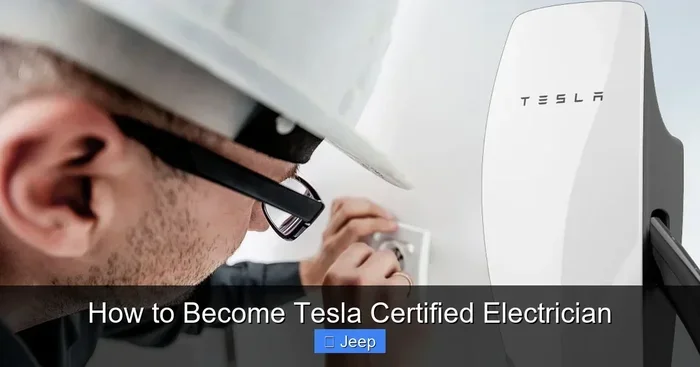
How to Become a Tesla Certified Electrician Roadmap
Becoming a Tesla certified electrician requires a mix of formal education, hands-on training, and passing Tesla-specific exams. This roadmap walks you through every step, from foundational electrical coursework to landing your first role at a Tesla service center.
The electric vehicle revolution is not slowing down. Every day, more drivers make the switch to EVs, and companies like Tesla continue to lead the charge. Behind every Tesla vehicle on the road is a skilled professional who keeps it running safely and efficiently. That professional is a Tesla certified electrician.
If you have ever thought about building a career around electric vehicles, now is the perfect time. The demand for qualified EV technicians is growing fast. Tesla has created a structured path for electricians who want to specialize in their vehicles. This roadmap will show you exactly how to get there, step by step.
Whether you are just starting out in the electrical trade or you are already a licensed electrician looking to expand your skills, this guide covers everything you need to know. We will walk through the education requirements, the certification process, the skills that matter most, and what you can expect from a career as a Tesla certified electrician. Let us dive in.
Key Takeaways
- Foundational Education: You need a solid background in electrical theory, wiring, and safety protocols before pursuing Tesla certification.
- Tesla-Specific Training: Tesla offers its own certification program that covers high-voltage systems, diagnostic tools, and model-specific repair techniques.
- Hands-On Experience: Real-world experience with electric vehicles is essential and often required before you can sit for Tesla exams.
- Career Growth: Certified Tesla electricians enjoy strong job demand, competitive pay, and opportunities to work with cutting-edge EV technology.
- Continuous Learning: Tesla updates its systems frequently, so ongoing education is a must for staying current in the field.
📑 Table of Contents
What Does a Tesla Certified Electrician Do?
A Tesla certified electrician is a licensed professional who specializes in the electrical systems of Tesla vehicles and charging infrastructure. These technicians handle everything from routine maintenance to complex diagnostic repairs on high-voltage components.
Unlike traditional automotive electricians, Tesla certified professionals work with advanced computer systems, battery packs, and software-driven components. Tesla vehicles are essentially computers on wheels. The electrical systems are far more complex than what you find in a standard gasoline car.
Here is a quick look at common duties:
- Diagnosing electrical faults in Tesla models
- Repairing and replacing battery modules
- Installing and servicing home charging equipment
- Working on high-voltage safety systems
- Performing software updates and system resets
- Inspecting charging ports and 12v to 230v car inverter systems
Tesla certified electricians also need to understand how different vehicle systems interact. For example, when a Tesla switches between electric and gas power in hybrid models, the electrical systems must coordinate perfectly. Understanding these transitions is a key part of the job.
Education and Training Requirements
Before you can even think about Tesla certification, you need a strong foundation in electrical work. Most Tesla service centers expect candidates to have formal education and hands-on experience. Here is what the typical path looks like.
Step 1: Complete High School or GED
This sounds obvious, but it is the starting point. Focus on math, physics, and any shop or technical classes you can take in high school. These subjects build the analytical skills you will use every day as an electrician.
Step 2: Attend a Technical School or Community College
Many aspiring Tesla electricians enroll in a technical program focused on electrical systems or automotive technology. Programs typically last six months to two years. You will learn about wiring, circuits, electrical safety, and basic vehicle systems.
Look for programs that include hands-on lab work. Theory alone will not prepare you for the real demands of working on a Tesla vehicle. Some schools also offer specialized courses in electric vehicle technology, which give you a head start.
Step 3: Get Licensed as an Electrician
In most states, you need a journeyman or master electrician license to work on vehicle electrical systems professionally. Licensing requirements vary by location, but they usually involve:
- Completing an approved electrical apprenticeship
- Logging a set number of work hours (typically 4,000 to 8,000)
- Passing a state licensing exam
Do not skip this step. Tesla takes licensing seriously. You will need proof of your credentials before you can apply for their certification program.
Step 4: Gain Automotive Electrical Experience
Tesla wants to see that you already have experience working on vehicles. Many certified electricians start by working at general auto repair shops or dealerships. This gives you exposure to vehicle electrical systems, diagnostic equipment, and repair workflows.
Some professionals also gain experience by working on hybrid vehicles first. Understanding how hybrids switch to gas at certain speeds or under specific conditions gives you a broader understanding of vehicle electrical systems. This knowledge transfers directly to Tesla work.
The Tesla Certification Process
Once you have the right education and experience, you can pursue Tesla-specific certification. Tesla offers a structured program through its Service Partner network. Here is how the process works.
Apply Through Tesla Service Partners
Tesla does not accept direct applications from individuals in most cases. You typically need to be employed by or partnered with a Tesla-authorized service center. If you are already working in the automotive industry, ask your employer about Tesla partnership opportunities.
Some independent shops have become Tesla-certified service partners. If you own or manage a shop, this could be a path worth exploring.
Complete Tesla Training Modules
Tesla provides online and in-person training modules that cover vehicle-specific systems. The training includes:
- High-voltage safety procedures
- Battery system architecture
- Motor and powertrain diagnostics
- Autopilot and sensor systems
- Charging infrastructure installation
The training is intensive. You will need to demonstrate both theoretical knowledge and practical skills. Tesla expects a high level of competence from its certified technicians.
Pass the Certification Exam
After completing the training, you must pass a certification exam. The exam tests your knowledge of Tesla-specific systems, safety protocols, and repair procedures. You may also need to perform hands-on tasks in front of a Tesla evaluator.
Once you pass, you are officially a Tesla certified electrician. Your credentials are recognized across the Tesla service network, which opens doors to employment opportunities nationwide.
Maintain Your Certification
Tesla certification is not a one-and-done deal. The company releases software updates and new vehicle models regularly. Certified electricians must complete continuing education to stay current. This ensures that you can service the latest Tesla vehicles with confidence.
Essential Skills for a Tesla Certified Electrician
Technical knowledge alone is not enough. Tesla looks for electricians who combine hard skills with soft skills. Here is what sets apart the best professionals in this field.
Technical Skills
- High-voltage electrical safety: Working on Tesla vehicles means handling systems that carry thousands of volts. Safety is non-negotiable.
- Diagnostic software proficiency: Tesla uses proprietary diagnostic tools. You must be comfortable navigating these systems.
- Battery management knowledge: Understanding how battery packs charge, discharge, and degrade is critical.
- Wiring and circuit analysis: You need to read complex wiring diagrams and trace electrical paths quickly.
- Charging station installation: Many Tesla electricians also install home and commercial charging equipment.
Soft Skills
- Problem-solving: Every Tesla repair is a puzzle. You need to think critically and systematically.
- Communication: You will explain technical issues to customers who may not understand EV systems.
- Attention to detail: A single loose connection can cause major problems in a high-voltage system.
- Adaptability: Tesla updates its technology constantly. You must be willing to keep learning.
Career Opportunities and Earnings
One of the biggest draws to this career path is the strong job outlook. Electric vehicle adoption is accelerating, and Tesla remains the most recognized EV brand in the world. Certified Tesla electricians are in demand across the country.
Most Tesla certified electricians work at authorized service centers. Some also find opportunities with independent shops that have earned Tesla partnership status. A few experienced professionals even start their own Tesla-focused repair businesses.
When it comes to pay, the numbers are encouraging. According to industry data, Tesla certified electricians earn between $55,000 and $95,000 per year, depending on experience, location, and specialization. Those who also handle charging station installations often command higher rates.
Here is a quick comparison of what you might earn at different career stages:
- Entry-level Tesla technician: $45,000 to $55,000 per year
- Mid-level certified electrician: $55,000 to $75,000 per year
- Senior Tesla specialist: $75,000 to $95,000+ per year
- Independent shop owner: Varies widely based on business volume
The career growth potential is significant. Many Tesla certified electricians move into supervisory roles, training positions, or specialized areas like battery diagnostics. Some transition into roles supporting Tesla’s charging network infrastructure.
It is also worth noting that the skills you build as a Tesla certified electrician are transferable. As more automakers produce electric vehicles, the demand for EV-trained electricians will only grow. Your expertise will remain valuable even if you decide to work outside the Tesla ecosystem.
Common Mistakes to Avoid
The path to becoming a Tesla certified electrician is straightforward, but many people make avoidable mistakes along the way. Here are some pitfalls to watch out for.
Skipping the Basics
Some people jump straight into Tesla training without building a strong electrical foundation. This is a mistake. Tesla expects you to already understand core electrical principles. If your basics are weak, the advanced training will be overwhelming.
Ignoring Safety Protocols
High-voltage systems are dangerous. Never skip safety training or take shortcuts with protective equipment. Tesla enforces strict safety standards, and for good reason. One mistake with high-voltage current can be fatal.
Not Keeping Up with Updates
Tesla releases over-the-air updates that change vehicle systems regularly. If you stop learning after you get certified, you will fall behind quickly. Make continuing education a habit.
Overlooking Soft Skills
Technical skill gets you hired, but communication and customer service skills determine how far you go. Tesla service centers value technicians who can explain complex issues in simple terms.
Underestimating the Time Investment
Becoming a Tesla certified electrician is not a quick process. It takes years of education, training, and hands-on experience. Set realistic expectations and be patient with your progress.
Quick Tips for Success
- Start early: Get involved in electrical apprenticeships while you are still in school.
- Practice on different vehicle types: Exposure to hybrids and other EVs builds a well-rounded skill set.
- Stay curious: Follow Tesla news, read technical blogs, and join EV enthusiast communities.
- Network: Attend industry events and connect with other Tesla service professionals.
- Document everything: Keep records of your training, certifications, and work experience. Tesla will want to verify your background.
Final Thoughts
Becoming a Tesla certified electrician is a rewarding career path that combines hands-on technical work with cutting-edge technology. The road requires dedication, but the payoff is significant. You gain skills that are in high demand, earn competitive pay, and get to work with some of the most advanced vehicles on the planet.
Start by building your electrical foundation. Get licensed. Gain real-world experience. Then pursue Tesla certification through the proper channels. Stay committed to lifelong learning, and you will thrive in this exciting field.
The EV industry is not a trend. It is the future of transportation. By becoming a Tesla certified electrician today, you are positioning yourself for a long and fulfilling career in one of the fastest-growing industries in the world.
Frequently Asked Questions
How long does it take to become a Tesla certified electrician?
The timeline varies depending on your starting point. If you already have an electrical license and automotive experience, the Tesla certification process itself may take a few months. However, the full journey from education to certification typically takes three to five years.
Do I need to work at a Tesla service center to get certified?
In most cases, yes. Tesla certification is generally tied to employment or partnership with an authorized Tesla service center. Independent electricians can explore becoming Tesla service partners, but this requires meeting specific business and technical requirements.
Is Tesla certification worth it for electricians?
Absolutely. Tesla certification opens up specialized career opportunities with strong earning potential. As electric vehicle adoption grows, certified Tesla electricians will continue to be in high demand across the country.
Can I become a Tesla certified electrician if I already work on other car brands?
Yes, your existing automotive experience is valuable. However, you will still need to complete Tesla’s specific training and certification program. Tesla vehicles have unique electrical systems that require model-specific knowledge.
What is the difference between a Tesla certified electrician and a regular automotive electrician?
A regular automotive electrician works on traditional vehicles with standard 12-volt systems. A Tesla certified electrician specializes in high-voltage EV systems, advanced diagnostics, and Tesla-specific software. The training and scope of work are significantly different.
How much does Tesla certification cost?
Tesla does not publicly list a flat fee for certification. If you are employed by a Tesla service partner, the training is typically provided at no cost to you. Independent professionals pursuing partnership may need to cover training expenses, which can vary.