How Much Can a GMC 1500 Tow And What You Should Know
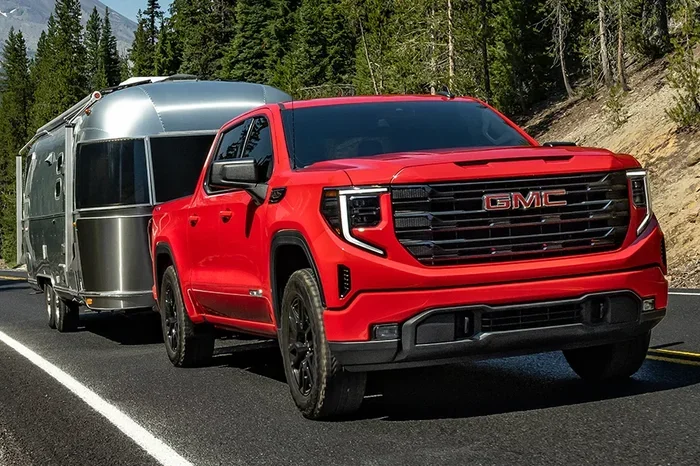
The GMC 1500 towing capacity reaches up to 13,200 pounds when properly equipped, making it a powerful hauler for trailers, boats, and RVs. Understanding your truck’s towing specs, payload limits, and required towing packages is essential for safety and performance. This guide covers everything you need to know about maximizing your GMC 1500’s towing potential.
If you own a GMC 1500 or are thinking about buying one, you probably want to know exactly how much weight it can pull. The answer is not as simple as just looking at a single number. GMC 1500 towing capacity varies based on the engine, axle ratio, cab style, bed length, and whether you have the right towing package installed. Some configurations tow over 13,000 pounds, while others fall well short of that mark.
Towing the wrong weight can damage your truck, compromise braking, and create dangerous driving conditions. That is why understanding your truck’s maximum towing weight and the factors that affect it is so important. Whether you are hauling a small trailer to the lake or a large fifth-wheel RV across the country, this guide breaks down everything you need to know.
We will walk you through every towing spec, explain the different engine options, and share practical tips to keep you safe on the road. By the end, you will have a clear picture of what your GMC 1500 can handle and how to get the most out of it.
Key Takeaways
- Max Towing Capacity: The GMC 1500 can tow up to 13,200 pounds with the right engine and towing package.
- Engine Options Matter: The 6.2L V8 and Duramax diesel deliver the highest torque for heavy towing.
- Payload Is Critical: Your truck’s payload capacity directly affects how much weight you can safely tow.
- Towing Packages Are Essential: Factory towing packages include upgraded cooling, brakes, and hitch systems.
- Safety First: Always use weight distribution hitches, towing mirrors, and brake controllers for stability.
- Know Your Numbers: GCWR, GVWR, and payload ratings all play a role in determining your safe towing limit.
- Regular Maintenance: Towing puts extra stress on your truck, so frequent checks are a must.
📑 Table of Contents
- Understanding GMC 1500 Towing Capacity
- Engine Options and Their Towing Power
- Towing Packages and Essential Features
- Payload Capacity vs. Towing Capacity
- Safety Tips for Towing with a GMC 1500
- Common Towing Mistakes to Avoid
- Comparing GMC 1500 Towing Configurations
- Expert Insights on Maximizing Your GMC 1500’s Towing Potential
- Key Takeaways
- Conclusion
Understanding GMC 1500 Towing Capacity
The GMC 1500 towing capacity is not one fixed number. It changes depending on the specific configuration of your truck. GMC offers several engine choices, bed lengths, cab styles, and axle ratios, and each one affects how much weight your truck can safely pull. The base towing capacity starts around 7,700 pounds for the standard 5.3L V8 engine with a short bed and two-wheel drive. But when you step up to the 6.2L V8 engine or add the Duramax diesel option, that number climbs significantly.
Here is the key thing most people miss: towing capacity is not the only number you need to watch. Your truck also has a payload capacity, which is the maximum weight it can carry in the cab and bed combined. If your payload is exceeded, your truck will struggle to tow safely, even if the trailer weight is within the towing limit. Always check both numbers before hauling anything heavy.
What Affects Towing Capacity?
Several factors determine your GMC 1500’s actual towing capability. Let us break them down:
- Engine Type: The 5.3L V8, 6.2L V8, and 3.0L Duramax diesel all produce different levels of torque and horsepower, which directly impact towing power.
- Axle Ratio: A higher axle ratio, like 3.73 or 4.10, gives your truck more pulling muscle but can reduce fuel efficiency.
- Cab and Bed Configuration: Crew cab models with longer beds tend to have slightly different towing ratings than extended cab or short bed versions.
- Towing Package: Factory towing packages add essential features like upgraded cooling systems, stronger brakes, and integrated trailer brake controllers.
- Hitch Type: The hitch receiver class and weight rating also play a role in how much you can safely tow.
Engine Options and Their Towing Power
The engine under your hood is the biggest factor in determining your GMC 1500 towing capacity. Each engine option delivers a different balance of power, torque, and fuel economy. Let us look at what each engine brings to the table.
5.3L V8 Engine
The 5.3L V8 is the most popular engine in the GMC 1500 lineup, and for good reason. It produces around 355 horsepower and 383 lb-ft of torque. This engine handles light to medium towing with ease. With the proper towing package, the 5.3L V8 can handle a maximum towing weight of about 13,200 pounds in the right configuration. It is a great all-around engine for families who need to tow a boat, a utility trailer, or a small camper.
6.2L V8 Engine
The 6.2L V8 steps up the power game significantly. It delivers 420 horsepower and 460 lb-ft of torque, making it the strongest gas engine option in the GMC 1500 lineup. This engine is ideal for owners who regularly tow heavy loads or need extra power for steep inclines. The 6.2L V8 also pairs with the 10-speed automatic transmission, which shifts smoothly and helps maximize towing efficiency.
3.0L Duramax Diesel Engine
The 3.0L Duramax diesel is the torque king of the GMC 1500 lineup. It produces 277 horsepower but delivers an impressive 460 lb-ft of torque. Diesel engines excel at towing because they produce peak torque at lower RPMs, which means stronger pulling power from a standing start. The Duramax also offers excellent fuel economy for a truck in this class, making it a smart choice for owners who tow frequently and cover long distances.
Towing Packages and Essential Features
GMC offers several towing packages that add critical features to make hauling safer and easier. If you plan to tow regularly, choosing the right package is one of the most important decisions you will make.
Max Trailering Package
The Max Trailering package is designed for serious haulers. It includes a heavy-duty cooling system for the engine and transmission, a trailer brake controller, and upgraded wiring harnesses. This package also comes with a high-strength steel trailer hitch receiver and integrated tie-downs for securing your load. The Max Trailering package is available on higher trim levels and is essential if you plan to tow near your truck’s maximum capacity.
Tow Package
The base Tow Package is a more affordable option that still adds important towing features. It includes a trailer brake controller, an upgraded radiator, and a high-capacity alternator. While it does not include all the heavy-duty upgrades of the Max Trailering package, it is a solid choice for owners who tow occasionally and need reliable performance without the extra cost.
Integrated Trailer Brake Controller
One of the most important features in any towing package is the integrated trailer brake controller. This system allows you to adjust the braking power of your trailer independently from your truck’s brakes. Without a brake controller, your trailer’s brakes may not engage properly, which can lead to dangerous stopping distances and jackknifing. The GMC 1500’s brake controller is easy to adjust from the driver’s seat, giving you precise control over your trailer’s braking.
Payload Capacity vs. Towing Capacity
Many people confuse payload capacity with towing capacity, but they are two very different numbers. Payload capacity is the maximum weight your truck can carry in the cab and bed, including passengers, cargo, and any equipment. Towing capacity is the maximum weight your truck can pull behind it on a trailer.
Here is why this matters: if you load your truck bed with heavy gear and have four adults in the cab, you are already using a significant portion of your payload. That leaves less capacity for the tongue weight of your trailer. Tongue weight is the downward force the trailer puts on the hitch, and it should typically be about 10-15% of the total trailer weight. If your payload is exceeded, your truck will sag at the rear, which affects steering, braking, and overall stability.
Think of it this way: your truck has a total weight budget, and both the cargo it carries and the trailer it pulls draw from that budget. Staying within both limits is essential for safe towing.
Quick Tip: Weigh Your Load
Before every towing trip, weigh your truck and trailer at a public scale. This ensures you are within the safe limits for both payload and towing. Many truck stops and weigh stations offer this service, and it only takes a few minutes.
Safety Tips for Towing with a GMC 1500
Towing a trailer changes how your truck handles on the road. The added weight affects braking, turning, and sway control. Following these safety tips will help you stay safe and confident while hauling.
Use Weight Distribution Hitches
A weight distribution hitch helps spread the trailer’s tongue weight evenly across all four wheels of your truck. This improves steering control and prevents the rear of your truck from sagging under heavy loads. If you are towing close to your truck’s maximum capacity, a weight distribution hitch is almost essential.
Install Towing Mirrors
Standard side mirrors may not give you a clear view of your trailer, especially if it is wide or long. Towing mirrors extend your field of vision and help you see other vehicles, lane changes, and blind spots. Many GMC 1500 models offer power-adjustable towing mirrors as part of the towing package, but aftermarket options work well too.
Check Your Tires
Proper tire pressure is critical when towing. Underinflated tires can overheat, leading to blowouts, especially under heavy loads. Always check your tire pressure before every trip and follow the manufacturer’s recommended PSI for towing. Also, make sure your tires are rated for the weight you are carrying.
Use a Towing Controller
Even if your truck has an integrated trailer brake controller, it is worth understanding how to use it properly. Set the controller to match the weight of your load, and test it in a safe area before hitting the highway. A properly adjusted brake controller can mean the difference between a smooth stop and a dangerous skid.
Be Aware of Wind Resistance
Large trailers catch a lot of wind, which can cause swaying and instability. If you feel your trailer starting to sway, do not slam on the brakes. Instead, ease off the accelerator and let your truck slow down gradually. Some GMC 1500 models come with trailer sway control technology, which automatically applies the brakes to individual wheels to stabilize the trailer.
Common Towing Mistakes to Avoid
Even experienced towers can make mistakes that put themselves and others at risk. Here are some common errors to watch out for:
- Exceeding Towing Capacity: This is the most dangerous mistake. Overloading your truck can cause engine overheating, brake failure, and loss of control.
- Ignoring Payload Limits: Focusing only on towing capacity and forgetting about payload can lead to an unbalanced and unsafe setup.
- Skipping the Brake Controller: Towing without a proper brake controller is illegal in many states and extremely dangerous.
- Not Checking Hitch Compatibility: Always make sure your hitch receiver matches the trailer coupler size and weight rating.
- Neglecting Maintenance: Towing puts extra strain on your brakes, transmission, and engine. Skipping regular maintenance can lead to costly breakdowns on the road.
One thing many owners overlook is that the weight of their truck itself matters. For context, when a vehicle approaches a certain weight threshold, it starts to behave differently on the road. If you are curious about how weight impacts vehicle dynamics, you can read more about how much weight is considered 000 lbs heavy for a car and why it matters for safe driving.
Comparing GMC 1500 Towing Configurations
To help you understand the differences between configurations, here is a comparison table of the key towing specs for the GMC 1500.
| Engine | Max Towing Capacity | Torque | Payload Capacity (Approx.) |
|---|---|---|---|
| 4.3L V6 | 7,700 lbs | 310 lb-ft | 1,400-1,700 lbs |
| 5.3L V8 | 13,200 lbs | 383 lb-ft | 1,800-2,200 lbs |
| 6.2L V8 | 13,200 lbs | 460 lb-ft | 1,900-2,300 lbs |
| 3.0L Duramax Diesel | 13,200 lbs | 460 lb-ft | 1,800-2,200 lbs |
As you can see, the 5.3L V8, 6.2L V8, and Duramax diesel all share the same maximum towing capacity of 13,200 pounds when properly equipped. However, the 4.3L V6 is limited to 7,700 pounds, making it better suited for lighter loads.
Expert Insights on Maximizing Your GMC 1500’s Towing Potential
Experienced truck owners and towing experts agree that preparation is the key to a successful towing experience. Before every trip, walk around your truck and trailer to check tire pressure, hitch connections, and lighting. Make sure your load is evenly distributed and securely fastened. Overloading one side of the trailer can cause dangerous pulling in that direction.
Another expert tip is to practice towing in an empty parking lot before hitting busy roads. Get a feel for how your truck handles with the extra weight, practice turning, and test your braking distance. This simple step can build your confidence and help you avoid mistakes on the road.
Fuel efficiency also takes a hit when towing. A loaded GMC 1500 can see a drop of 5-10 miles per gallon depending on the weight of the trailer and driving conditions. Planning your fuel stops and choosing routes with fewer steep hills can help you manage fuel consumption more effectively. If you are curious about how different powertrains affect fuel use, check out this guide on when a hybrid switches to gas to understand how powertrain transitions impact fuel economy.
Finally, always remember that your truck’s towing capacity is a maximum, not a target. Towing at or near the maximum limit for extended periods puts extra stress on your engine, transmission, and brakes. If possible, stay 10-15% below the maximum towing capacity to give yourself a safety margin and extend the life of your truck.
Key Takeaways
- GMC 1500 towing capacity ranges from 7,700 to 13,200 pounds depending on the engine and configuration.
- The 5.3L V8, 6.2L V8, and 3.0L Duramax diesel all offer the highest towing ratings when properly equipped.
- Payload capacity is just as important as towing capacity, and both must be respected for safe hauling.
- Factory towing packages add essential features like brake controllers, upgraded cooling, and stronger hitches.
- Safety equipment like weight distribution hitches, towing mirrors, and trailer sway control make a big difference.
- Avoid common mistakes like exceeding weight limits and skipping maintenance checks.
- Stay below the maximum towing capacity when possible to protect your truck and ensure long-term reliability.
Conclusion
The GMC 1500 is a capable and versatile truck that can handle a wide range of towing needs. Whether you are pulling a small utility trailer or a large fifth-wheel camper, understanding your truck’s towing capacity, payload limits, and the features that support safe hauling is essential. Always choose the right engine, towing package, and hitch setup for the weight you plan to carry.
Remember that towing safety should always come first. Follow the tips in this guide, respect your truck’s limits, and invest in the right equipment. With the proper setup and a little preparation, your GMC 1500 will deliver reliable, confident towing performance for years to come. Now go out there and haul with confidence!
Frequently Asked Questions
What is the maximum towing capacity of a GMC 1500?
The maximum towing capacity of a GMC 1500 is 13,200 pounds when equipped with the 5.3L V8, 6.2L V8, or 3.0L Duramax diesel engine and the appropriate towing package. Always verify the exact rating for your specific configuration.
Do I need a brake controller to tow with a GMC 1500?
Yes, a trailer brake controller is essential for safe towing. It allows you to control the braking power of your trailer independently from your truck. Most GMC 1500 towing packages include an integrated brake controller as standard equipment.
How does payload capacity affect towing?
Payload capacity affects towing because the tongue weight of your trailer adds to the weight your truck carries. If your payload is already maxed out with passengers and cargo, you will have less capacity for towing. Always check both numbers before hauling.
Can the GMC 1500 tow a fifth-wheel trailer?
Yes, the GMC 1500 can tow a fifth-wheel trailer, but you will need the appropriate fifth-wheel hitch setup and the maximum towing package. Fifth-wheel towing typically requires a higher payload capacity and a properly rated hitch receiver.
What is the difference between GCWR and towing capacity?
GCWR stands for Gross Combined Weight Rating, which is the maximum total weight of your truck, passengers, cargo, and trailer combined. Towing capacity is just the weight your truck can pull. Your GCWR includes everything.
How often should I maintain my GMC 1500 when towing frequently?
If you tow regularly, you should follow a more frequent maintenance schedule. Check your brakes, transmission fluid, tires, and cooling system more often than the standard maintenance intervals. Towing puts extra stress on every component of your truck.