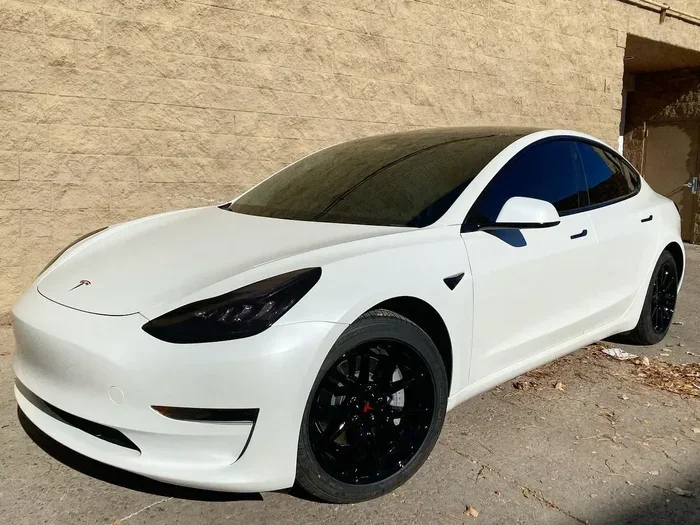
How Much to Tint a Tesla Model 3 Complete Cost Guide
The cost to tint a Tesla Model 3 typically ranges from $200 to $800 depending on film type, number of windows, and whether you go professional or DIY. Ceramic tint offers the best heat rejection and durability, while carbon and dyed films are more budget-friendly options. This guide breaks down every cost factor so you can make an informed decision.
Tinting your Tesla Model 3 is one of the smartest upgrades you can make. It keeps your car cooler, protects the interior from sun damage, and adds a sleek look. But before you commit, you need to know the cost. How much to tint a Tesla Model 3 depends on several factors that we will break down in this guide.
This article covers every price detail you need. From film types to professional vs DIY costs, you will find everything here. Whether you are a Tesla enthusiast or a first-time tint buyer, this guide helps you make the best choice. Let us dive into the numbers and options.
Key Takeaways
- Average Cost Range: Professional tinting for a Tesla Model 3 costs between $200 and $800 based on film quality and window count.
- Film Type Matters: Ceramic, carbon, and dyed films each offer different performance levels and price points.
- DIY Saves Money: A DIY tint kit can cost as low as $50 to $150 but requires patience and skill.
- Legal Limits Apply: Each state has specific tint darkness laws you must follow to avoid fines.
- Quality Installation Is Key: Poor installation leads to bubbling, peeling, and reduced UV protection.
- Tesla-Specific Kits Exist: Pre-cut kits designed for the Model 3 save time and reduce installation errors.
📑 Table of Contents
- Why Tint Your Tesla Model 3?
- Types of Tint Film for Tesla Model 3
- How Much Does It Cost to Tint a Tesla Model 3?
- Factors That Affect Tesla Model 3 Tint Cost
- Legal Tint Limits for Tesla Model 3
- Tips for Saving Money on Tesla Model 3 Tinting
- How Long Does Tesla Model 3 Tint Last?
- Common Mistakes to Avoid When Tinting Your Tesla Model 3
- Expert Insights on Tesla Model 3 Tinting
- Is Tinting a Tesla Model 3 Worth It?
- Conclusion
Why Tint Your Tesla Model 3?
Tinting is not just about looks. It serves real practical purposes that enhance your daily driving experience. The Tesla Model 3 features large glass surfaces that let in plenty of light. While that is great for visibility, it also means more heat and UV exposure inside the cabin.
Window tinting blocks a significant portion of solar energy from entering your car. This keeps the interior cooler during hot summer days. It also protects your dashboard, seats, and steering wheel from fading due to prolonged sun exposure. Many Tesla owners notice their interior looks newer for longer after tinting.
Another major benefit is privacy. Tinted windows make it harder for people outside to see into your car. This is especially useful when you park in public areas or leave valuables inside. UV protection from quality tint film also reduces glare, making driving safer and more comfortable.
Types of Tint Film for Tesla Model 3
Not all tint films are the same. The type of film you choose directly affects the cost, performance, and longevity of your tint. Here is a breakdown of the most popular options available for the Tesla Model 3.
Ceramic Tint Film
Ceramic tint is the premium option in the market. It uses nano-ceramic particles to block heat without interfering with electronic signals. This means your GPS, phone connectivity, and Tesla sensors work perfectly with ceramic film installed. Ceramic tint cost for a Tesla Model 3 typically ranges from $400 to $800 when professionally installed.
The main advantage of ceramic film is its superior heat rejection. It can block up to 80% of solar heat while maintaining high visibility. Ceramic tint also offers excellent UV protection, blocking over 99% of harmful rays. The downside is the higher price point, but the durability and performance justify the investment for many owners.
Carbon Tint Film
Carbon tint film is a popular mid-range option. It offers strong heat rejection and a matte finish that many Tesla owners love. Carbon tint for a Tesla Model 3 usually costs between $250 and $500 for professional installation.
Carbon film does not fade over time like cheaper alternatives. It maintains its color and performance for many years. The matte finish also gives your Tesla a sophisticated, non-reflective look. However, carbon film may slightly reduce signal strength for some electronic devices, though the impact is minimal.
Dyed Tint Film
Dyed tint is the most affordable option available. It uses a dye layer to absorb solar heat and reduce glare. Dyed film pricing for a Tesla Model 3 can be as low as $100 to $250 for professional installation or $50 to $150 for a DIY kit.
The trade-off is durability and performance. Dyed tint fades over time, often turning purple or bubbling after a few years. It also offers less heat rejection compared to ceramic or carbon options. However, for budget-conscious owners, dyed tint still provides basic privacy and UV protection.
Crystalline Tint Film
Crystalline tint is a newer option that uses multiple layers of optical film to reject heat without darkening the glass. It is an excellent choice for Tesla owners who want maximum heat rejection with minimal color change. Crystalline tint cost tends to be higher, similar to ceramic, at around $350 to $700 for a full Model 3 setup.
This film type is ideal for people who want to maintain the factory look of their Tesla while still gaining heat protection. It is also one of the clearest tint options available, preserving excellent visibility day and night.
How Much Does It Cost to Tint a Tesla Model 3?
The Tesla Model 3 tint cost varies widely based on the film type, the number of windows you tint, and your location. Below is a detailed breakdown to help you understand what to expect.
Full Window Tint Cost Breakdown
A full tint job means tinting all windows including the front, sides, and rear windshield. Here is what you can expect to pay:
- Full Ceramic Tint: $500 to $800
- Full Carbon Tint: $300 to $550
- Full Dyed Tint: $150 to $300
- Full Crystalline Tint: $450 to $700
These prices include professional installation. The front windshield is often not tintable due to legal restrictions in most states. Most tint jobs focus on the side windows and rear windshield.
Partial Tint Cost Options
You do not have to tint every window. Many owners choose to tint only the rear windows or the side windows. Here is what partial tinting costs:
- Rear Windows Only: $100 to $300
- Side Windows Only: $150 to $350
- Sunroof Tint: $50 to $100 additional
Partial tinting is a great way to save money while still gaining the benefits of UV protection and heat rejection. If you are on a tight budget, start with the rear windows and add more later.
DIY vs Professional Installation Cost
Doing it yourself can significantly reduce your tinting costs. DIY tint kits for the Tesla Model 3 range from $50 to $200 depending on the film quality. However, DIY installation requires patience, the right tools, and a clean workspace.
Professional installation ensures a bubble-free, long-lasting finish. The labor cost is included in the overall price, which is why professional jobs cost more. If you have never tinted a car before, professional installation is the safer choice. You can also check your garage setup and tools, like using a 12V car socket to 3 pin adapter for powering heat guns or dryers during installation.
| Option | Cost Range | Best For |
|---|---|---|
| Full Professional Ceramic | $500 – $800 | Maximum performance and durability |
| Full Professional Carbon | $300 – $550 | Great balance of cost and quality |
| Full Professional Dyed | $150 – $300 | Budget-friendly basic tinting |
| DIY Kit (All Windows) | $50 – $200 | Experienced DIYers saving on labor |
| Partial Professional Tint | $100 – $350 | Targeted heat and privacy needs |
Factors That Affect Tesla Model 3 Tint Cost
Several factors influence the final price of tinting your Tesla Model 3. Understanding these helps you budget accurately and avoid surprises.
Film Quality and Brand
Premium brands like Llumar, 3M, and SunTek charge more but offer better warranties and performance. Budget brands are cheaper but may not last as long. The quality of the film is the single biggest factor in determining cost. Investing in a reputable brand ensures your tint lasts 5 to 10 years without issues.
Number of Windows Tinted
More windows mean higher cost. Tinting all windows will cost more than tinting just the rear set. Decide which windows matter most to you and plan your budget accordingly. Some shops offer discounts when you tint multiple windows at once.
Your Geographic Location
Tint shops in major cities often charge more than those in smaller towns. Labor costs vary by region, so it is worth getting quotes from multiple shops in your area. A quick search for local tint professionals can save you hundreds of dollars.
Additional Services
Some tint shops offer extras like paint protection, interior cleaning, or window etching. These add-ons increase the total cost. If you are also considering car maintenance tools, items like 3 ton car jack stands can be useful if you plan to do any undercarriage work alongside your tinting project.
Legal Tint Limits for Tesla Model 3
Before you tint your Tesla Model 3, you need to know the legal requirements in your state. Tint laws vary widely across the United States and differ from country to country.
Most states allow tinting on the side and rear windows but restrict how dark the tint can be. The Visible Light Transmission (VLT) percentage measures how much light passes through the glass. Lower VLT means darker tint.
Common legal limits include:
- Front Side Windows: Usually must allow 70% or more VLT
- Rear Side Windows: Often 20% to 50% VLT depending on the state
- Rear Windshield: Typically limited to the top 4 to 6 inches
Violating tint laws can result in fines and even mandatory removal of the tint. Always check your local regulations before purchasing tint film. Some states require a medical exemption for darker tints.
Tips for Saving Money on Tesla Model 3 Tinting
Tinting your Tesla does not have to break the bank. Here are practical tips to help you save money without sacrificing quality.
Get Multiple Quotes
Always get at least three quotes from different tint shops. Prices can vary by 30% or more between shops. Do not automatically choose the cheapest option. Look for a balance of price, quality, and warranty.
Choose the Right Film for Your Needs
You do not always need the most expensive ceramic film. If you live in a mild climate, a quality carbon or dyed film might be all you need. Match the film type to your actual needs rather than going for the premium option by default.
Consider Seasonal Timing
Tint shops are often busiest in spring and summer. Booking during the off-season can sometimes get you a discount. Some shops run promotions during slower months, so it pays to ask.
Buy a Quality DIY Kit
If you are handy and patient, a DIY tint kit can save you a significant amount. You will need a heat gun, squeegee, and cleaning solution. Make sure you have a clean, dust-free workspace. You can also use a 12V to 230V car inverter to power your heat gun if you are working in a garage without an outlet.
Look for Bundle Deals
Some tint shops offer bundle deals when you combine tinting with other services like paint protection or ceramic coating. These packages can save you 10% to 20% compared to booking each service separately.
How Long Does Tesla Model 3 Tint Last?
The lifespan of your tint depends on the film type, installation quality, and how well you maintain it. Here is what to expect from each film type.
Ceramic tint typically lasts 8 to 10 years. Carbon tint lasts 5 to 8 years. Dyed tint has the shortest lifespan at 3 to 5 years before it starts fading or bubbling. Proper maintenance can extend the life of any tint film.
To keep your tint looking great, avoid rolling down your windows for the first 3 to 5 days after installation. Use a non-ammonia cleaner when wiping your windows. Avoid harsh chemicals or abrasive cloths on the tinted surfaces. If you are looking for other car customization options, some owners also explore options like a 3D printed car model for decorative or functional accessories that complement their tinted Tesla.
Common Mistakes to Avoid When Tinting Your Tesla Model 3
Avoiding common mistakes can save you money and frustration. Here are the pitfalls that many Tesla owners encounter when tinting their car.
- Choosing the cheapest film: Budget films often fade quickly and provide poor UV protection. You will end up replacing them sooner.
- Skipping the warranty: Always get a warranty from your tint shop. It protects you against bubbling, peeling, and discoloration.
- Ignoring legal limits: Tinting too dark can lead to fines and failed inspections. Know your state laws before you buy.
- DIY without practice: If you are new to tinting, practice on an old window first. Rushing a DIY job often leads to bubbles and misalignment.
- Not cleaning the windows properly: Dirty windows cause the film to stick unevenly. Always use a professional-grade cleaning solution before application.
Expert Insights on Tesla Model 3 Tinting
Professional tint installers recommend starting with the rear windows if you are tinting for the first time. This gives you a practice area without affecting the front windows, which are more visible and subject to stricter legal limits.
Many experts also suggest choosing a ceramic or carbon blend for the best balance of performance and cost. These films offer excellent heat rejection, do not interfere with electronics, and maintain their appearance for years. If you are also managing other Tesla maintenance costs, understanding the overall picture of Tesla upkeep expenses helps you budget more effectively for upgrades like tinting.
One often-overlooked tip is to ask your tint shop about the curing time. Most tints need 2 to 4 weeks to fully cure, during which time you may notice slight haziness or water pockets. This is normal and clears up as the film cures completely.
Is Tinting a Tesla Model 3 Worth It?
The answer is a strong yes for most Tesla owners. The benefits of window tinting go far beyond aesthetics. You get better heat control, UV protection, privacy, and interior preservation. These benefits translate to a more comfortable driving experience and long-term savings on interior repairs.
When you consider that the Tesla Model 3 has extensive glass surfaces, tinting becomes even more valuable. The large windshield and glass roof expose the interior to significant solar energy. Quality tinting reduces this exposure and keeps your cabin comfortable in all seasons.
The cost of tinting is a one-time investment that pays off over many years. With proper care, a quality tint can last a decade or more. That makes it one of the best value upgrades you can make for your Tesla.
Conclusion
Tinting a Tesla Model 3 costs between $200 and $800 depending on your film choice, the number of windows, and whether you go professional or DIY. Ceramic film offers the best performance but comes at a higher price. Carbon and dyed films provide solid alternatives at lower cost points. Always check your local tint laws and choose a reputable installer or high-quality DIY kit. With the right approach, you can enjoy a cooler, more private, and better-protected Tesla for years to come.
Take your time, compare options, and invest in quality. Your Tesla Model 3 deserves the best protection, and a great tint job makes a noticeable difference every time you get behind the wheel.
Frequently Asked Questions
How much does it cost to tint all windows of a Tesla Model 3?
Professional tinting for all windows of a Tesla Model 3 typically costs between $300 and $800. The exact price depends on the film type you choose. Ceramic film costs more but offers superior heat rejection and durability.
Can I tint the front windshield of my Tesla Model 3?
Most states do not allow tinting the front windshield, or they restrict it to the top 4 to 6 inches. Check your local laws before planning your tint job. Some states allow medical exemptions for darker front windshield tints.
How long does Tesla Model 3 tint take to install?
A professional tint job usually takes 2 to 4 hours for all windows. DIY installation can take longer, especially if you are a first-timer. The curing process takes an additional 2 to 4 weeks before the film reaches full clarity.
What is the best tint film for a Tesla Model 3?
Ceramic tint is the best option for most Tesla Model 3 owners. It offers excellent heat rejection, does not interfere with electronics, and lasts up to 10 years. Carbon film is a great mid-range alternative that balances cost and performance.
Does tinting affect my Tesla’s sensors or autopilot?
Ceramic and crystalline tints do not interfere with Tesla sensors or Autopilot systems. However, some metallic tints can cause minor signal disruption. Always choose non-metallic film options to ensure all your Tesla’s technology works perfectly.
Is DIY tinting a Tesla Model 3 worth the savings?
DIY tinting can save you $150 to $400 compared to professional installation. However, it requires patience, the right tools, and a clean workspace. If you have never tinted a car before, professional installation is recommended to avoid bubbles and peeling.