How Much Are Brakes for a 2015 Nissan Altima Really
Brake replacement for a 2015 Nissan Altima typically runs between $150 and $400 per axle, depending on pad type and rotor condition. Front brakes wear faster than rear brakes because they handle most of the stopping power. Getting a free diagnostic at your local shop can help you understand exactly what your Altima needs without spending a dime upfront.
Key Takeaways
- Average Cost Range: Brake pad replacement for a 2015 Nissan Altima usually costs between $150 and $400 per axle.
- Front Brakes Wear Faster: The front brake pads do more work and typically need replacing before the rear pads.
- Pad Material Matters: Ceramic pads cost more but last longer and are gentler on rotors compared to semi-metallic options.
- Rotor Condition Is Key: Worn rotors add $100 to $300 per rotor to the total bill if resurfacing or replacement is needed.
- DIY Is Possible: Experienced car owners can save on labor by replacing pads themselves, but rotor work is more complex.
- Warning Signs Help: Squealing, grinding, or a shaking pedal are clear signals that your Altima brakes need immediate attention.
- Regular Maintenance Saves Money: Catching brake issues early prevents costly damage to calipers and rotors.
📑 Table of Contents
- How Much Are Brakes for a 2015 Nissan Altima Really?
- Understanding Brake Costs for the 2015 Nissan Altima
- Front vs Rear Brake Pad Costs
- Ceramic vs Semi-Metallic Brake Pads
- Brake Rotor Replacement: Do You Really Need It?
- DIY vs Professional Brake Replacement
- Signs Your 2015 Altima Brakes Need Attention
- How to Save Money on Brake Repairs
- Common Brake Repair Mistakes to Avoid
- Expert Insights on Altima Brake Maintenance
- Final Thoughts on 2015 Nissan Altima Brake Costs
How Much Are Brakes for a 2015 Nissan Altima Really?
If you own a 2015 Nissan Altima, you have probably wondered about brake costs at some point. Maybe you heard a squeal when you hit the brakes last week. Or maybe your mechanic dropped a number on you that made your jaw drop. Either way, you are not alone. Brake replacement is one of the most common maintenance jobs for any car, and the 2015 Nissan Altima is no exception.
The truth is, there is no single price tag for brakes on this vehicle. The cost depends on several factors, including pad material, rotor condition, and whether you go to a dealership or an independent shop. In this guide, we will walk you through every cost breakdown so you know exactly what to expect. You will also learn how to save money and spot warning signs before the damage gets worse.
Let us be real for a second. Nobody loves spending money on car repairs. But brakes are not something you want to cheap out on. They are literally what keeps you safe on the road. So let us break down the numbers and give you the full picture.
Understanding Brake Costs for the 2015 Nissan Altima
When people ask about brake costs, they are usually referring to a full brake pad replacement. But the actual scope of work can vary quite a bit. Let us look at what goes into the total bill.
What Makes Up the Total Brake Replacement Cost?
Your brake system has several parts that work together. Each one can affect the final price. Here is a simple breakdown of the main components:
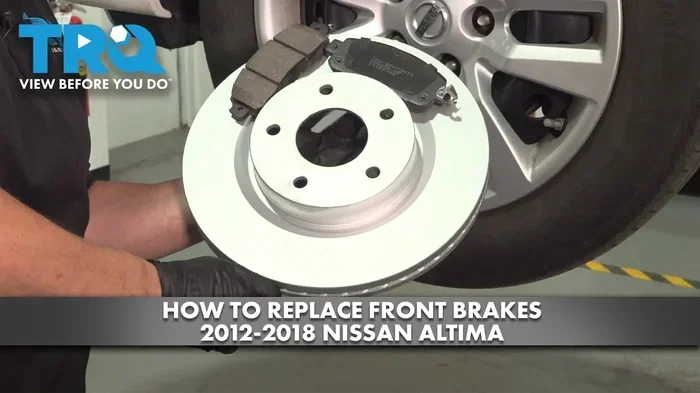
- Brake Pads: These are the friction material that presses against the rotor to slow your car. They wear down over time and need regular replacement.
- Brake Rotors: These are the metal discs your pads clamp onto. Rotors can warp or wear thin over time.
- Brake Calipers: These house the pads and apply pressure when you press the pedal. Calipers rarely need replacement but can be expensive when they do.
- Brake Fluid: This hydraulic fluid transfers force from your pedal to the calipers. A fluid change is often recommended during brake service.
- Hardware Kit: Small clips, shims, and springs that hold everything in place. These are usually included with new pads.
For a basic brake pad replacement on a 2015 Nissan Altima, you can expect to pay somewhere in the range of $150 to $300 per axle. If rotors need resurfacing or replacing, add another $100 to $300 per rotor. Labor costs typically run $80 to $150 per hour, and most brake jobs take one to two hours.
Front vs Rear Brake Pad Costs
Here is something many car owners do not realize. Your front and rear brakes wear at different rates. The front brakes do the heavy lifting when it comes to stopping power. This means they wear out faster and need replacement more often.
Why Front Brakes Wear Faster
When you hit the brakes, your car’s weight shifts forward. This puts more pressure on the front wheels. As a result, the front brake pads on your 2015 Altima wear down quicker than the rear ones. Most drivers find they need front pad replacements every 30,000 to 50,000 miles. Rear pads can last 50,000 to 70,000 miles or more.
Cost Comparison by Axle
Here is a rough cost comparison for brake pad replacement on a 2015 Nissan Altima:
- Front Axle (Pads Only): $100 to $200
- Rear Axle (Pads Only): $80 to $150
- Front Axle (Pads + Rotors): $250 to $450
- Rear Axle (Pads + Rotors): $200 to $350
Keep in mind that these are average estimates. Your actual cost may be higher or lower depending on your location and the shop you choose. If you also need a brake fluid flush, budget an extra $50 to $100 for that service.
Ceramic vs Semi-Metallic Brake Pads
Not all brake pads are created equal. The material your pads are made from has a big impact on both performance and cost. For the 2015 Nissan Altima, you generally have two main options.
Ceramic Brake Pads
Ceramic pads are the premium choice. They are made from a composite of ceramic fibers and other materials. Here is why many Altima owners prefer them:
- Longer Lifespan: Ceramic pads typically last longer than organic or semi-metallic options.
- Quieter Operation: They produce less dust and noise during braking.
- Gentler on Rotors: Ceramic pads are less abrasive, which helps your rotors last longer.
- Better Heat Handling: They perform well under high temperatures without fading.
The downside? Ceramic pads cost more upfront. You can expect to pay an additional $20 to $50 per axle compared to semi-metallic pads. But many owners feel the extra cost is worth it for the improved comfort and longevity.
Semi-Metallic Brake Pads
Semi-metallic pads are the most common option. They contain a mix of metal fibers, friction modifiers, and filler materials. They offer solid stopping power and are more affordable than ceramic pads. However, they tend to be noisier and produce more brake dust. They also wear rotors slightly faster over time.
If you are looking for the best balance of cost and performance for your 2015 Altima, semi-metallic pads are a solid choice. Just be prepared for a bit more noise and dust than ceramic pads produce.
Brake Rotor Replacement: Do You Really Need It?
This is one of the biggest questions when getting brake work done. Your mechanic might tell you that your rotors need to be replaced or resurfaced. But do you really need it?
When Rotors Can Be Resurfaced
Brake rotor resurfacing involves shaving a thin layer off the rotor surface to restore a smooth, flat contact area. This is a good option when your rotors are still thick enough and have not warped severely. Resurfacing typically costs $20 to $50 per rotor. It is a great way to save money if your rotors are still in usable condition.
When Rotors Must Be Replaced
There are times when resurfacing is not enough. You should consider full rotor replacement if:
- The rotors are below the minimum thickness specification.
- The rotors are severely warped and cause vibration when braking.
- There are deep grooves or scoring on the rotor surface.
- The rotors have been resurfaced multiple times already.
New rotors for a 2015 Nissan Altima typically cost $50 to $150 each. If you need all four rotors replaced, that adds $200 to $600 to your brake job. This is why catching brake issues early matters. The sooner you address worn pads, the better your chances of avoiding a full rotor replacement.
DIY vs Professional Brake Replacement
Can you save money by doing the brake job yourself? The short answer is yes, but it depends on your skill level and tools.
What You Need for a DIY Brake Job
If you are handy with tools, replacing brake pads on your 2015 Altima is a manageable DIY project. Here is what you will need:
- A jack and jack stands or a lift
- A lug wrench and socket set
- A C-clamp or caliper piston tool
- New brake pads (front and/or rear)
- Brake grease and anti-seize compound
- A torque wrench
DIY brake pad replacement can save you $100 to $200 in labor costs. However, rotor work is more involved and requires a lathe for resurfacing. Most DIYers skip rotor resurfacing and simply replace worn rotors. If you are not confident in your mechanical skills, it is always safer to let a professional handle the job.
Also, keep in mind that working on your brakes affects your safety. If you are not sure about any step, it is worth paying for professional service. A properly installed brake job is worth every penny.
Signs Your 2015 Altima Brakes Need Attention
Waiting too long to replace your brakes can lead to more expensive repairs down the road. Here are the most common warning signs that your Altima needs brake service:
- Squealing or Squeaking Noises: This is often the first sign of worn brake pads. Many pads have a built-in wear indicator that makes a high-pitched sound when the pad material is low.
- Grinding Sounds: If you hear a grinding noise when braking, your pads may be completely worn through. This means metal is grinding against metal, which can damage your rotors quickly.
- Vibrating Brake Pedal: A shaking or pulsing feeling in the pedal usually indicates warped rotors. This should be addressed promptly.
- Longer Stopping Distances: If your Altima takes longer to stop than it used to, your pads may be worn thin.
- Brake Warning Light: If the brake light on your dashboard comes on, do not ignore it. It could signal low brake fluid or a sensor issue.
- Pulling to One Side: If your car pulls to one side when you brake, it could be a caliper issue or uneven pad wear.
Ignoring these signs is never a good idea. Worn brakes affect your ability to stop safely, especially in wet or emergency conditions. If you notice any of these symptoms, get your brakes inspected as soon as possible.
How to Save Money on Brake Repairs
Brake repairs do not have to break the bank. Here are some practical tips to keep your costs down without sacrificing safety.
1. Get Multiple Quotes
Always get at least two or three quotes before committing to a brake job. Prices can vary significantly between dealerships and independent shops. Independent mechanics often charge less for labor, and many offer free brake inspections.
2. Ask About Warranty Coverage
Some shops offer warranties on their brake work. This can save you money if something goes wrong shortly after the repair. Ask about the warranty terms before you agree to the work.
3. Consider Aftermarket Parts
OEM (Original Equipment Manufacturer) parts are designed specifically for your Altima, but aftermarket parts can offer similar quality at a lower price. Look for reputable aftermarket brands with good reviews and solid warranties.
4. Stay on Top of Regular Maintenance
Regular maintenance is the best way to avoid costly brake repairs. Have your brakes inspected at every oil change. Catching a worn pad early can prevent damage to more expensive components like rotors and calipers.
5. Drive Habits Matter
Your driving style directly impacts how fast your brakes wear. Avoid hard braking when possible. Maintain a safe following distance so you can coast to a stop instead of slamming on the brakes. These small changes can extend the life of your brake pads significantly.
6. Know When to Walk Away from a Deal
If a shop recommends a full brake system overhaul and the estimate seems very high, it is okay to get a second opinion. Some shops may recommend replacing parts that still have plenty of life left. A second opinion can save you hundreds of dollars.
Common Brake Repair Mistakes to Avoid
Even well-meaning car owners can make mistakes when it comes to brake maintenance. Here are a few common ones to watch out for:
- Ignoring the Brake Warning Light: Many drivers dismiss this light, but it is there for a reason. It could indicate a serious issue that needs immediate attention.
- Skpping Caliper Inspection: When replacing pads, always have the calipers checked. A stuck caliper can cause uneven pad wear and premature rotor damage.
- Using the Wrong Pad Material: Not all brake pads are suitable for every vehicle. Make sure the pads you choose are compatible with your 2015 Altima.
- Forgetting to Bleed the Brakes: If you open any brake lines during a repair, you must bleed the system to remove air bubbles. This is essential for safe braking.
- Delaying Repairs: Putting off brake repairs never saves money. It only makes the problem worse and increases the final bill.
Avoiding these mistakes can help you get the most out of your brake system and keep repair costs as low as possible.
Expert Insights on Altima Brake Maintenance
Experienced mechanics who work on Nissan vehicles regularly share a few insights that every Altima owner should know:
- Stop-and-go driving wears brakes faster. If you commute in heavy traffic, expect to replace your pads more frequently than someone who drives primarily on highways.
- Brake fluid should be flushed every two years. Brake fluid absorbs moisture over time, which can reduce braking performance and cause corrosion inside the system.
- Always replace pads in pairs. Replace both front pads together and both rear pads together. Mixing old and new pads can cause uneven braking.
- Check your spare tire kit. Some 2015 Altima models come with a small spare tire and a jack. Make sure you know how to use it in case of a roadside emergency.
These tips come from years of real-world experience working on Nissan vehicles. Following them can help you stay ahead of brake problems and keep your Altima running safely for years to come.
Final Thoughts on 2015 Nissan Altima Brake Costs
So, how much are brakes for a 2015 Nissan Altima really? The answer depends on what your specific vehicle needs. For a standard brake pad replacement, expect to pay between $150 and $400 per axle. Add rotors, and the cost can climb to $400 to $700 or more for a full four-wheel job. The good news is that staying proactive with your brake maintenance can help you avoid the most expensive scenarios.
Your brakes are one of the most important safety features on your car. Never compromise on quality when it comes to replacing them. Whether you choose ceramic or semi-metallic pads, OEM or aftermarket rotors, make sure the work is done right. A well-maintained brake system gives you peace of mind every time you get behind the wheel.
If you are unsure about what your Altima needs right now, consider getting a free diagnostic at a trusted local shop. This lets you understand the exact condition of your brakes before committing to any repairs. Being informed puts you in control of your maintenance decisions and your budget.
Take care of your brakes, and they will take care of you. Safe driving starts with a well-maintained vehicle.
Frequently Asked Questions
How long do brake pads last on a 2015 Nissan Altima?
Brake pads on a 2015 Nissan Altima typically last between 30,000 and 70,000 miles, depending on driving habits and pad material. Front pads usually wear out faster than rear pads. Regular inspections can help you track pad life and plan replacements before they become a safety issue.
Can I drive my 2015 Altima with worn brake pads?
It is not recommended. Worn brake pads reduce your stopping power and can cause damage to your rotors. Driving on severely worn pads is dangerous and can lead to more expensive repairs. If you suspect your pads are worn, get them checked immediately.
How often should I replace brake fluid on my 2015 Altima?
Most manufacturers recommend flushing and replacing brake fluid every two years. Brake fluid absorbs moisture over time, which can reduce braking performance and cause internal corrosion. Check your owner’s manual for the specific maintenance schedule for your Altima.
Are ceramic brake pads worth the extra cost for a 2015 Altima?
Ceramic pads are worth the extra cost for many drivers. They last longer, produce less dust, and are quieter than semi-metallic pads. If you prioritize comfort and longevity, ceramic pads are a great investment for your Altima.
What happens if I ignore grinding brakes on my 2015 Altima?
Ignoring grinding brakes can lead to serious and expensive damage. The grinding noise usually means your pads are completely worn through, and metal is grinding against metal. This can destroy your rotors, damage calipers, and significantly increase your repair bill. Address grinding brakes right away.
Can I replace just one brake pad at a time on my Altima?
It is best to replace brake pads in pairs, either both front or both rear. Replacing only one pad can lead to uneven braking and inconsistent pad wear. Matching the new pad with the existing pad on the other side ensures balanced performance and safer stops.