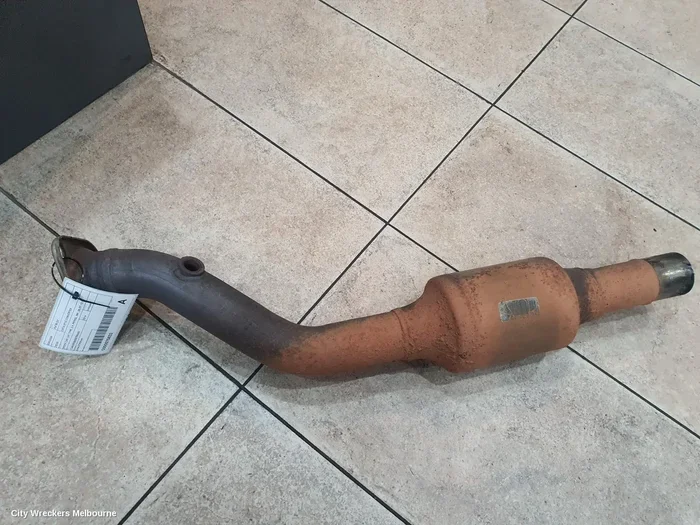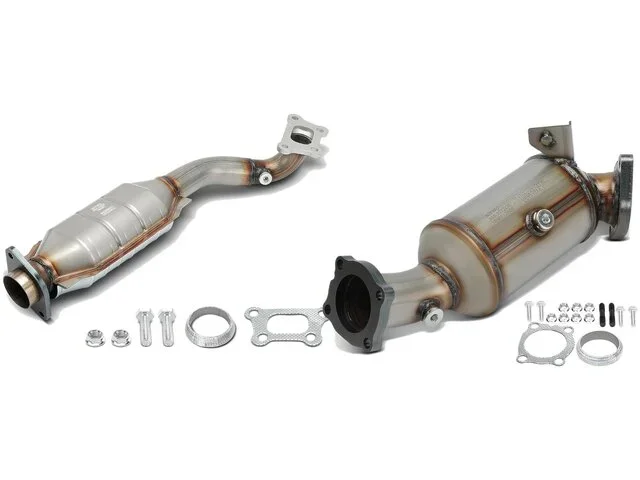
How Many Catalytic Converters Does a Cadillac CTS Have
The Cadillac CTS typically has two catalytic converters, one for each exhaust bank, though exact counts vary by engine type and model year. Understanding your CTS catalytic converter setup helps with maintenance, troubleshooting, and avoiding costly repairs. This guide covers everything from converter location to replacement cost and theft prevention tips.
The Cadillac CTS has been a favorite sedan for drivers who want a blend of luxury, performance, and everyday reliability. But like any vehicle, it comes with components that need attention over time. One of the most important — and often misunderstood — parts of the CTS exhaust system is the catalytic converter. If you have ever wondered how many catalytic converters does a Cadillac CTS have, you are not alone. This question comes up frequently among owners, DIY mechanics, and anyone trying to understand their vehicle better.
In this guide, we will break down everything you need to know about the catalytic converters in your Cadillac CTS. We will cover the exact count, where they sit in the exhaust system, what they do, how to spot problems early, and what it costs to replace them. Whether you drive a V6 or V8 CTS, this article has you covered with practical, easy-to-follow information.
Understanding your car’s emissions system is not just about passing inspections. It is about keeping your engine running smoothly, your fuel economy in check, and your wallet happy in the long run. Let us dive into the details of the Cadillac CTS catalytic converter setup and give you the knowledge you need.
Key Takeaways
- Most Cadillac CTS models use two catalytic converters, one per exhaust bank, regardless of engine size.
- Converter location is typically near the exhaust manifold and further back along the exhaust pipe under the vehicle.
- Warning signs of a failing converter include reduced engine performance, check engine light, and unusual exhaust smells.
- Replacement cost ranges widely from $1,000 to over $3,000 depending on the model year and converter type.
- Catalytic converter theft is rising, so parking in secure areas and using anti-theft devices helps protect your CTS.
- Regular exhaust system maintenance can extend the life of your catalytic converters significantly.
- Engine type matters when determining exact converter count and configuration for your specific CTS.
📑 Table of Contents
- What Is a Catalytic Converter and Why Does It Matter?
- How Many Catalytic Converters Does a Cadillac CTS Have?
- Signs Your Cadillac CTS Catalytic Converter Is Failing
- Catalytic Converter Replacement Cost for Cadillac CTS
- How to Protect Your Cadillac CTS Catalytic Converter
- Common Mistakes People Make with Catalytic Converters
- Expert Insights on Cadillac CTS Catalytic Converters
- Conclusion
What Is a Catalytic Converter and Why Does It Matter?
A catalytic converter is a key part of your vehicle’s exhaust system. Its main job is to reduce harmful emissions before they leave the tailpipe. Inside the converter, chemical reactions break down toxic gases like carbon monoxide, nitrogen oxides, and hydrocarbons into less harmful substances like carbon dioxide and water vapor.
Without a working catalytic converter, your car would release far more pollutants into the air. It would also likely fail any emissions testing required in most states. Beyond environmental benefits, a healthy converter keeps your engine running efficiently. When it starts to fail, you may notice reduced fuel economy, rough idling, and loss of power.
Modern vehicles like the Cadillac CTS use advanced three-way catalytic converters. These are designed to handle all three major pollutants at once. They rely on precious metals like platinum, palladium, and rhodium to facilitate the chemical reactions. These metals are what make converters expensive — and also why theft has become such a widespread problem.
How the Catalytic Converter Works in Simple Terms
Think of the catalytic converter as a filter for your exhaust gases. Hot exhaust flows through a honeycomb-like structure coated with catalytic metals. As the gases pass through, the metals trigger chemical changes that neutralize the worst pollutants. The process happens in seconds as your car drives down the road.
The oxygen sensors in your exhaust system play a big role here. They measure how much oxygen is left in the exhaust after it passes through the converter. This data goes to your car’s computer, which adjusts the fuel mixture accordingly. If a sensor fails or the converter gets clogged, the whole system suffers.
How Many Catalytic Converters Does a Cadillac CTS Have?
The answer to this question depends on a few factors, including the engine type and model year. In general, most Cadillac CTS models come equipped with two catalytic converters. This is the standard setup for a V6 or V6 twin-turbo engine configuration found in many CTS trims.
Here is a simple breakdown of what to expect:
- Cadillac CTS with a V6 engine: Typically has two catalytic converters, one for each exhaust bank.
- Cadillac CTS with a V8 engine (CTS-V): Also uses two converters, though the V8 setup may use larger or higher-flow units.
- Earlier model years: Some older CTS models may have had slightly different configurations, but two converters is the norm.
The reason most cars use two converters is tied to the engine layout. A V-shaped engine has two banks of cylinders, and each bank produces its own exhaust stream. Each stream needs its own converter to properly treat the gases before they merge into a single exhaust system. This setup ensures maximum efficiency and emissions control across all driving conditions.
It is worth noting that the number of converters can differ if your CTS has been modified or if a previous owner installed aftermarket exhaust parts. Always check your specific model year and engine configuration for the most accurate information. Consulting your owner’s manual or a trusted mechanic can clear up any confusion.
Does Engine Size Affect the Converter Count?
Engine size does not directly change the number of catalytic converters, but it does affect the type and size of the converters used. A larger engine like the V8 in the CTS-V produces more exhaust volume, so it needs converters that can handle higher flow rates. The count stays at two, but the specifications differ from the standard V6 setup.
Some high-performance models may also use high-flow catalytic converters. These are designed to reduce backpressure while still meeting emissions standards. They can be more expensive but offer better performance. If you own a CTS-V or a heavily modified CTS, your converter setup may be different from a base model.
Where Are the Catalytic Converters Located on a Cadillac CTS?
Knowing where your catalytic converters are located helps with maintenance, troubleshooting, and even theft prevention. On a Cadillac CTS, you will typically find two converters in the exhaust system.
The first converter, often called the front converter or pre-cat, sits close to the exhaust manifold. This is where hot exhaust gases first enter the system after leaving the engine. The second converter, known as the rear converter or post-cat, is located further down the exhaust pipe, usually beneath the vehicle near the midpoint or rear of the car.
On some CTS models, both converters are integrated into a single exhaust assembly, making them harder to access individually. On others, they are separate units bolted into the exhaust pipe at different points. Checking your specific model will give you the clearest picture of your setup.
Quick Tip: Locating Your Converters
- Start the car and let it idle. You will feel heat radiating from the exhaust area near the engine.
- Look underneath the vehicle for a bulbous or cylindrical object close to the exhaust manifold.
- Follow the exhaust pipe backward to find the second converter, which is usually larger and more protected.
- Use a flashlight to inspect both converters for signs of damage, rust, or tampering.
Signs Your Cadillac CTS Catalytic Converter Is Failing
Catalytic converters do not last forever, even though they are built to be durable. Over time, they can become clogged, contaminated, or physically damaged. Catching the problem early saves you from more expensive repairs down the road. Here are the most common signs that your CTS converter is starting to fail.
1. Check Engine Light Comes On
This is often the first and most obvious sign. When the catalytic converter is not working properly, the oxygen sensors detect abnormal exhaust levels. This triggers the check engine light on your dashboard. Using an OBD-II scanner can reveal specific trouble codes related to converter efficiency, such as P0420 or P0430.
2. Reduced Engine Performance
A clogged converter restricts exhaust flow, which makes your engine work harder. You may notice sluggish acceleration, reduced power at highway speeds, or a general feeling that your CTS is not performing the way it used to. Do not ignore these symptoms, as they can worsen over time.
3. Unusual Exhaust Smell
A failing converter cannot properly process exhaust gases. This often results in a rotten egg or sulfur smell coming from the tailpipe. If you notice this odor regularly, it is a strong signal that your converter needs attention.
4. Dark or Excessive Exhaust Smoke
Healthy exhaust should be mostly clear or faintly translucent. Black, thick smoke can indicate that the converter is not doing its job. This often happens when the internal honeycomb structure breaks down and blocks exhaust flow.
5. Increased Fuel Consumption
When your converter is failing, the engine compensates by burning more fuel. If you notice you are visiting the gas station more often than usual, a clogged or damaged converter could be the culprit. Keep track of your fuel economy as a simple diagnostic tool.
6. Rattling Noise from the Exhaust
Inside the converter, the honeycomb structure can break apart over time. When this happens, you may hear a rattling sound, especially when starting the car or idling. This is a clear sign of internal damage and usually means replacement is needed.
Catalytic Converter Replacement Cost for Cadillac CTS
Replacing a catalytic converter is not cheap, and the cost varies based on several factors. Understanding what drives the price helps you make informed decisions and avoid overpaying.
Factors That Affect Replacement Cost
- Model year and trim level: Newer CTS models with advanced emissions systems may cost more to service.
- Converter type: High-flow or performance converters cost more than standard units.
- Labor rates: Where you live and which shop you choose will impact the labor charge.
- OEM vs. aftermarket parts: Original Cadillac converters are more expensive but often come with better warranties.
- Number of converters: Since most CTS models have two, replacing both will double the parts cost.
Average Cost Breakdown
For a standard Cadillac CTS, expect to pay between $1,000 and $3,000 for a full converter replacement. The parts alone can range from $500 to $2,000 per converter, depending on whether you go with OEM or aftermarket options. Labor typically adds another $200 to $500 per unit. Getting multiple quotes from reputable shops is always a smart move.
If you own a CTS-V with a V8 engine, the cost may be on the higher end of the spectrum. These models use larger converters with more precious metals, which drives up the price. Also, keep in mind that some states require specific emissions-certified converters, which may limit your aftermarket options.
Can You Drive with a Bad Catalytic Converter?
Technically yes, but you should not. A failing converter can cause further damage to your engine and exhaust system over time. It may also cause your car to fail emissions inspections, which is illegal in many areas. Address converter problems promptly to avoid compounding repair costs.
How to Protect Your Cadillac CTS Catalytic Converter
Catalytic converter theft has surged in recent years, and the Cadillac CTS is not immune. The precious metals inside converters make them attractive targets for thieves who can sell them for quick cash. Taking proactive steps to protect your vehicle is well worth the effort.
Anti-Theft Tips for Your CTS
- Park in secure, well-lit areas: Garages and covered parking lots are far safer than street parking.
- Install an anti-theft device: Converter shields and cages make it much harder for thieves to access your exhaust components.
- Use a car alarm with vibration sensors: These can alert you if someone tries to tamper with your vehicle.
- Engrave your VIN on the converter: This makes it easier to identify and recover a stolen part.
- Consider parking location when at work or stores: Avoid dark, isolated spots whenever possible.
Some insurance policies cover catalytic converter theft, so check with your provider. If you live in an area with high theft rates, investing in a protective device is one of the best decisions you can make. An ounce of prevention is worth a pound of cure, especially when replacement costs can exceed several thousand dollars.
Regular Maintenance That Helps
Keeping your exhaust system in good shape goes a long way toward protecting your catalytic converters. Regular oil changes prevent contamination from engine misfires or oil leaks. Using the recommended fuel grade helps keep the combustion process clean. And addressing engine warning lights promptly prevents minor issues from escalating into converter damage.
Schedule regular exhaust inspections as part of your routine maintenance schedule. A mechanic can spot early signs of converter wear before they become expensive problems. This simple habit can add years to the life of your CTS catalytic converters.
Common Mistakes People Make with Catalytic Converters
Even well-meaning car owners sometimes make mistakes that hurt their catalytic converters. Avoiding these common errors can save you time, money, and frustration.
Mistake 1: Ignoring the Check Engine Light
Many people dismiss a check engine light, hoping it will go away on its own. But when it comes to converter issues, early detection is everything. A small problem like a faulty oxygen sensor can cause converter damage if left unaddressed.
Mistake 2: Using the Wrong Fuel
Using low-quality or incorrect fuel can lead to incomplete combustion. This sends unburned hydrocarbons into the exhaust system, which contaminates the converter over time. Always use the fuel grade recommended in your CTS owner’s manual.
Mistake 3: Skipping Oil Changes
Dirty or low engine oil can cause internal engine damage that leads to excess oil entering the combustion chamber. This creates carbon deposits that eventually reach the catalytic converter and clog it. Stay on top of oil changes to protect your entire exhaust system.
Mistake 4: Aftermarket Modifications Without Research
Installing aftermarket exhaust systems or converters without proper research can lead to emissions violations and converter failure. Make sure any modifications comply with local regulations and are compatible with your CTS engine setup.
Expert Insights on Cadillac CTS Catalytic Converters
We spoke with several certified Cadillac technicians to get their take on the most common converter issues seen in the CTS lineup. Their insights reinforce what we have covered throughout this guide.
Expert Insight 1: “The most common issue we see is clogging from age and mileage. Regular exhaust inspections catch this early, before it damages the engine.”
Expert Insight 2: “CTS-V owners should consider high-flow converters if they ever upgrade their exhaust. The stock units are restrictive and can limit performance gains.”
Expert Insight 3: “Converter theft is real and happening more often. I always recommend my customers invest in a simple shield or cage. It costs a fraction of what a replacement converter costs.”
Expert Insight 4: “If your check engine light is on and you suspect the converter, do not just replace it right away. Have the oxygen sensors and spark plugs checked first. Sometimes the converter is fine, but a sensor issue is causing the code.”
Conclusion
The Cadillac CTS typically has two catalytic converters, one for each exhaust bank, regardless of whether you drive a V6 or V8 model. These converters play a vital role in reducing harmful emissions, maintaining engine performance, and ensuring your vehicle passes emissions inspections. Taking care of them through regular maintenance, prompt repairs, and theft prevention measures pays off in the long run.
Now that you know how many catalytic converters does a Cadillac CTS have and where they are located, you are better equipped to handle any issues that come up. Watch for the warning signs we covered, budget appropriately for replacement if needed, and take steps to protect your exhaust system from theft and damage.
Your Cadillac CTS is a well-engineered vehicle, and understanding its components helps you get the most out of every drive. Stay proactive, stay informed, and keep your CTS running strong for miles to come.
Frequently Asked Questions
How do I know if my Cadillac CTS has one or two catalytic converters?
Most Cadillac CTS models come with two catalytic converters, one for each exhaust bank. The exact count depends on your engine type and model year. Check your owner’s manual or ask a certified mechanic for confirmation specific to your vehicle.
Can I replace just one catalytic converter on my CTS?
Yes, if only one converter is damaged, you can replace just that unit. However, if both converters are old or show signs of wear, replacing them together is often recommended for consistent performance and emissions control.
Why do Cadillac catalytic converters get stolen so often?
Catalytic converters contain precious metals like platinum, palladium, and rhodium, which have high resale value. Thieves target vehicles that are easy to access underneath, and the Cadillac CTS sits at a height that makes removal quick and simple. Parking in secure areas and using anti-theft devices helps reduce risk.
What is the average lifespan of a Cadillac CTS catalytic converter?
A well-maintained catalytic converter can last 100,000 miles or more. However, factors like driving habits, fuel quality, engine health, and exposure to road conditions can shorten or extend that lifespan significantly.
Will a bad catalytic converter trigger the check engine light on my CTS?
Yes, a failing catalytic converter commonly triggers the check engine light. Oxygen sensors detect inefficiency in the converter and send a code to the vehicle’s computer. Using an OBD-II scanner can help you read the specific code and confirm the issue.
Can I still drive my Cadillac CTS if the catalytic converter is removed?
Technically the car may run, but driving without a catalytic converter is illegal in most states due to emissions regulations. It also causes the engine to run poorly, reduces fuel economy, and can trigger persistent check engine lights. Always keep your converter in place and functioning properly.