How Long Do Subaru CVT Transmissions Actually Last
Subaru CVT transmissions are designed for smooth driving, but how long do they really last? Most Subaru CVTs can survive between 100,000 and 150,000 miles with proper care. Learn the real lifespan, common failure points, and simple steps to keep your CVT running strong.
If you own a Subaru, you know these cars are built to last. But what about the Subaru CVT transmission? Many drivers wonder how long this smooth-shifting gearbox will actually survive.
The truth is, a Subaru CVT can last a long time, but it depends on how you treat it. If you’ve ever asked, do Japanese cars last longer than American cars, you’re not alone. Do Japanese cars last longer than American cars is a question that comes up often with Subaru owners, and the CVT plays a big role in that story.
In this guide, we’ll break down the real lifespan of a Subaru CVT transmission. You’ll learn what mileage to expect, what problems to watch for, and how to keep your gearbox running strong for years. We’ll also cover common failure points, driving habits that help or hurt, and when it makes sense to rebuild instead of replace.
Key Takeaways
- Subaru CVTs typically last 100,000–150,000 miles with regular maintenance and gentle driving habits.
- Transmission slip and hesitation are the earliest warning signs of CVT wear.
- CVT fluid changes every 30,000–60,000 miles are the single most important maintenance task.
- Highway driving puts less strain on a CVT than heavy stop-and-go city traffic.
- Rebuilding a CVT costs $3,000–$5,000, so prevention and early detection save thousands.
- Do Japanese cars last longer than American cars? Subaru’s CVT reliability suggests they often do, especially when maintained well.
📑 Table of Contents
- Understanding the Subaru CVT Transmission
- How Long Do Subaru CVT Transmissions Last?
- Common Subaru CVT Problems to Watch For
- Driving Habits That Shorten or Extend CVT Life
- Maintenance Schedule for a Long-Lasting CVT
- Repair or Replace: What to Do When Your CVT Fails
- Final Verdict: How Long Will Your Subaru CVT Last?
Understanding the Subaru CVT Transmission
What Is a CVT?
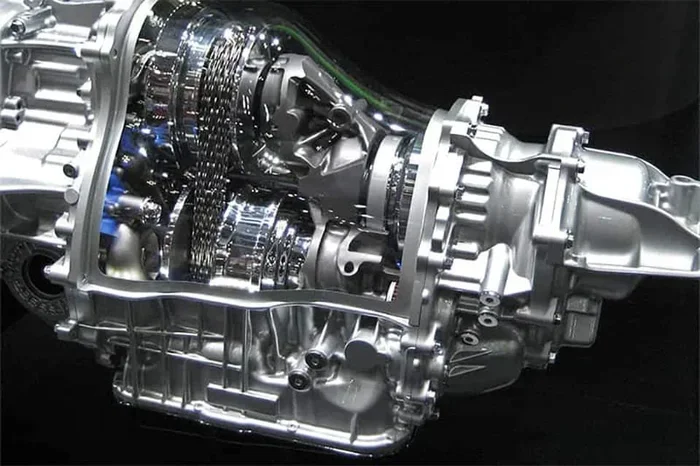
A continuously variable transmission (CVT) doesn’t use traditional gears. Instead, it uses two pulleys connected by a steel belt or chain. One pulley connects to the engine, the other to the wheels. The pulleys change their width to create an infinite number of gear ratios. This lets the engine stay at its most efficient RPM, which improves fuel economy and makes acceleration feel smooth.
Subaru uses CVTs in many of its popular models, including the Outback, Forester, Legacy, and Crosstrek. The system works well for daily driving, but it does have unique needs. The steel belt runs inside a fluid bath, and that fluid must stay clean and at the right level.
Why Subaru Uses CVTs
Subaru chose CVTs for several reasons. First, they help the boxer engine deliver power smoothly. Second, CVTs improve fuel economy, which matters to many buyers. Third, they reduce the number of moving parts compared to a traditional automatic. Fewer parts can mean fewer things to break, at least in theory. In practice, the CVT belt and pulleys need proper care to reach their full potential.
How Long Do Subaru CVT Transmissions Last?
Mileage and Age Expectations
Most Subaru CVT transmissions last between 100,000 and 150,000 miles. Some well-maintained units push past 200,000 miles. Age also matters. A CVT that’s 10 years old with 80,000 miles may still be healthy, while one with 150,000 miles at 8 years might show wear. The key is to look at both numbers together.
Here is a quick look at average CVT lifespan by Subaru model:
| Model | Average CVT Lifespan (Miles) | Common Issues |
|---|---|---|
| Subaru Outback | 100,000–150,000 | Fluid leaks, occasional slip |
| Subaru Forester | 100,000–140,000 | Overheating in stop-and-go traffic |
| Subaru Legacy | 110,000–160,000 | Belt wear if fluid is neglected |
| Subaru Crosstrek | 90,000–130,000 | Shudder during low-speed acceleration |
These numbers are averages. Your actual experience depends on maintenance, driving style, and climate.
Real-World Owner Reports
Many Subaru owners report their CVT transmissions lasting well beyond 150,000 miles. Forums and owner surveys show that regular fluid changes are the biggest common factor. Cars that skipped fluid changes often developed slip or shudder by 80,000 miles. On the other hand, cars that followed the maintenance schedule often felt just as smooth at 150,000 miles as they did on day one.
Common Subaru CVT Problems to Watch For
Transmission Slip and Hesitation
The most common sign of a failing CVT is transmission slip. You might feel the engine rev up without a corresponding increase in speed. This often happens under hard acceleration or when climbing a hill. Hesitation during takeoff is another red flag. If your Subaru feels like it’s struggling to find the right ratio, don’t ignore it.
Slip usually starts small. You might notice it only when the engine is cold. Over time, it becomes more frequent and more severe. Catching it early gives you a chance to fix the problem before the belt or pulleys suffer permanent damage.
Fluid Leaks and Overheating
CVT fluid does more than lubricate. It also cools the system and helps the pulleys grip the belt. When fluid levels drop, the CVT can overheat. Overheating breaks down the fluid faster and creates a vicious cycle. You might see a reddish puddle under your car or notice a burning smell while driving.
Overheating is especially common in Subaru models that spend a lot of time in heavy traffic. The CVT works hard at low speeds, and without enough fluid, the temperature spikes quickly. Keeping an eye on your fluid level and temperature gauge can prevent major damage.
Driving Habits That Shorten or Extend CVT Life
Stop-and-Go vs. Highway Driving
Stop-and-go city traffic is harder on a CVT than steady highway driving. In city traffic, the pulleys are constantly adjusting. The belt slips and grabs repeatedly, which creates heat and wear. Highway driving lets the CVT settle into a single ratio, reducing strain.
If you commute in heavy traffic, you can still protect your CVT. Avoid aggressive launches. Ease onto the accelerator instead of flooring it. These small changes reduce the stress on the belt and pulleys significantly.
The Cruise Control Question
Many drivers wonder if cruise control helps or hurts the CVT. If you’re wondering do you set cruise control while driving, the answer depends on the situation. Do you set cruise control while driving on long, flat highway stretches can actually reduce CVT strain. It keeps your speed steady and prevents unnecessary ratio changes. However, on hilly terrain, cruise control may cause the CVT to work harder as it tries to maintain speed on inclines. Use cruise control wisely, and your CVT will thank you.
Maintenance Schedule for a Long-Lasting CVT
Fluid Changes and Flushes
The most important thing you can do for your Subaru CVT transmission is change the fluid. Subaru recommends changing CVT fluid every 30,000 to 60,000 miles, depending on your driving conditions. If you drive in hot climates or tow heavy loads, stick to the shorter interval.
Use only Subaru-approved CVT fluid. Aftermarket fluids can cause the pulleys to slip or the belt to wear prematurely. A fluid change is a relatively cheap service that can add tens of thousands of miles to your transmission’s life. Don’t skip it.
When to See a Professional
If you notice any slipping, shuddering, or unusual noises, take your car to a qualified technician. You might ask, do auto mechanics make good money? Do auto mechanics make good money is a fair question, but the real point is that skilled technicians who specialize in CVTs provide valuable expertise. A proper diagnosis can save you from a full rebuild. Many shops offer a free or low-cost inspection for transmission concerns.
During a service visit, ask the mechanic to check the fluid condition, inspect for leaks, and scan for error codes. Early detection of a small problem can prevent a costly repair later.
Repair or Replace: What to Do When Your CVT Fails
Signs It’s Time for a Rebuild
A CVT that slips constantly, makes grinding noises, or leaks fluid from the housing is likely beyond simple service. At that point, you have two main options: rebuild or replace. A rebuild involves opening the transmission, replacing worn belts, pulleys, seals, and clutch packs, and reinstalling it. A replacement means swapping in a remanufactured unit or a used transmission from a salvage yard.
Most experts recommend a rebuild over a replacement when possible. A rebuild uses new parts and is often backed by a warranty. A used transmission carries the wear history of the previous vehicle, which is unknown.
Cost vs. Value
Rebuilding a Subaru CVT typically costs between $3,000 and $5,000. Replacing it with a remanufactured unit can run $4,000 to $7,000 including labor. If your Subaru has high mileage and other issues, you might weigh the repair cost against the car’s overall value. For a beloved Outback or Forester with a solid body, the rebuild is usually worth it.
Before committing, get a detailed quote from a trusted shop. Ask about warranty coverage on the work. A good shop will stand behind its labor and parts for at least 12 months or 12,000 miles.
Final Verdict: How Long Will Your Subaru CVT Last?
The answer to how long do Subaru CVT transmissions actually last comes down to care. With regular fluid changes, gentle driving habits, and prompt attention to warning signs, most Subaru CVTs will easily reach 150,000 miles. Some will go beyond 200,000 miles. The Subaru CVT transmission is a capable, efficient gearbox, but it is not indestructible. Treat it well, and it will reward you with years of smooth, reliable driving.
Remember, the small effort of staying on top of maintenance pays off big. Check your fluid, watch for slip, and use cruise control wisely. Your CVT will keep you moving for miles to come.
Frequently Asked Questions
Can a Subaru CVT transmission last 200,000 miles?
Yes, with diligent maintenance and gentle driving, some Subaru CVTs can reach 200,000 miles. However, the average lifespan is between 100,000 and 150,000 miles, so reaching 200,000 requires extra care.
How much does it cost to replace a Subaru CVT transmission?
Replacing a Subaru CVT typically costs between $4,000 and $7,000 including parts and labor. Rebuilding is usually cheaper, ranging from $3,000 to $5,000. The exact cost depends on your model and the shop you choose.
What is the main cause of Subaru CVT failure?
The most common cause is neglected fluid changes. Dirty or low CVT fluid leads to overheating, belt wear, and eventual slip. Stop-and-go driving and aggressive acceleration also accelerate wear.
Are Subaru CVT transmissions reliable?
Subaru CVTs are generally reliable when maintained properly. They have fewer moving parts than traditional automatics, but the belt and pulley system needs clean fluid and regular inspections to stay healthy.
Does Subaru still use CVT transmissions?
Yes, Subaru continues to use CVTs in most of its current models, including the Outback, Forester, Legacy, and Crosstrek. The company has refined the design over the years, but the basic CVT principle remains.
Can I drive my Subaru with a slipping CVT?
You should avoid driving a slipping CVT for long distances. Slipping indicates internal wear and can lead to complete failure. Get the car inspected as soon as possible to prevent further damage.