How Do You Take Windshield Wipers Off Without Damage
Removing your windshield wipers the right way keeps your blades and windshield safe from scratches and cracks. Whether you are replacing old blades or storing your car for winter, knowing the proper windshield wiper removal technique is essential. This guide walks you through every step with clear instructions and expert tips to prevent damage.
Windshield wipers are one of the most overlooked parts of your car until they stop working properly. When rain hits your windshield and the wipers start chatting, skipping, or smearing, it is time to take action. But before you rush out to buy new ones, you need to know how to safely remove the old blades. Learning how to take windshield wipers off without damage is a simple skill every car owner should have.
Whether you are swapping out worn blades, storing your vehicle for winter, or just cleaning your windshield, the removal process matters. A wrong move can scratch your glass, bend the wiper arm, or crack the windshield itself. The good news is that removing wipers is quick, easy, and does not require any special tools. In this guide, we will walk you through each step so you can do it confidently at home.
Proper windshield maintenance starts with understanding how your wipers work and how to handle them safely. Let us dive into the details and make sure you never damage your windshield during a simple blade swap.
Key Takeaways
- Always lift the wiper arm away from the windshield before detaching the blade to prevent glass damage.
- Use the correct removal method for your specific wiper type — hook, side-lock, or pin-style.
- Never let the wiper arm snap back onto the windshield, as this can cause cracks or scratches.
- Clean the windshield and wiper area before installing new blades for optimal performance.
- Store removed wipers properly if you are not replacing them immediately.
- Replace wiper blades every 6 to 12 months to maintain clear visibility and safe driving.
- Refer to your vehicle owner’s manual for model-specific wiper removal instructions.
📑 Table of Contents
- Why Removing Windshield Wipers Without Damage Matters
- Tools and Materials You Will Need
- Step-by-Step Guide to Removing Windshield Wipers
- Common Mistakes to Avoid When Removing Windshield Wipers
- How to Choose the Right Replacement Wiper Blades
- Installing New Wiper Blades Correctly
- When to Replace Your Windshield Wipers
- Expert Tips for Long-Lasting Wiper Performance
- Conclusion
Why Removing Windshield Wipers Without Damage Matters
Your car windshield is made of laminated safety glass. While it is designed to resist impact, it is still vulnerable to scratches and cracks from metal or hard plastic parts. The wiper arm, especially, is a spring-loaded metal piece that can cause serious damage if it snaps back onto the glass.
When you learn how to take windshield wipers off correctly, you protect both the blade and the windshield. Here is why this matters:
- Prevents windshield scratches — Metal wiper arms can leave deep marks on glass if they slam back down.
- Extends blade life — Handling the rubber blade carefully prevents premature tearing or warping.
- Saves money — A cracked windshield repair costs far more than a new set of wipers.
- Improves driving safety — Clean, properly installed wipers give you better visibility during rain and snow.
- Protects your investment — Your car’s windshield is a critical safety component, not just a piece of glass.
The Cost of Ignoring Proper Removal
Many people simply pull the wiper blade off without lifting the arm first. This seems harmless but it is one of the most common causes of windshield damage. A spring-loaded arm that releases suddenly can chip or crack the glass, especially in cold weather when the glass is more brittle. Repairing a windshield crack can cost anywhere from $50 to $300 or more, depending on the size and location of the damage.
Taking a few extra seconds to follow the proper removal process can save you hundreds of dollars and a lot of headaches. If you are also interested in keeping your windshield clean and protected, check out our guide on car windshield sunshade benefits to learn how simple accessories can extend the life of your glass.
Tools and Materials You Will Need
One of the best things about removing windshield wipers is that you do not need a lot of tools. Most of the time, your hands will do the job. However, having a few items on hand makes the process smoother and safer.
Essential Items for Wiper Removal
- Soft microfiber cloth — To protect the windshield and blade during removal.
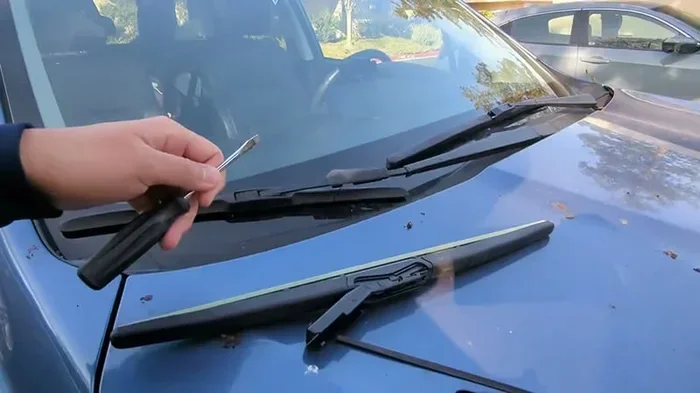
- Flathead screwdriver or release tool — Some wiper models require a small tool to release the blade.
- Gloves — Protect your hands from sharp edges on the wiper arm and blade frame.
- New replacement wipers — Have these ready if you are swapping out old blades.
- Vehicle owner’s manual — Check for model-specific wiper instructions and sizes.
- Glass cleaner — Useful for cleaning the windshield before installing new blades.
Before you start, make sure your car is turned off and the ignition is in the accessory or off position. This prevents the wipers from accidentally activating while your hands are near the windshield. If you are working in cold weather, warm up the car briefly so the rubber becomes more flexible and less prone to cracking.
Also, make sure you have the correct replacement wipers ready. Wiper blade sizes vary by vehicle, so check your owner’s manual or use an online wiper blade size finder before purchasing new ones. If you want to learn more about keeping your entire car clean during this process, our article on can you wash your car too much offers great tips on proper car washing frequency and techniques.
Step-by-Step Guide to Removing Windshield Wipers
Now let us get into the actual process. Every vehicle is slightly different, but the general steps apply to most cars, trucks, and SUVs. Follow along carefully and you will have your old wipers off in no time.
Step 1: Lift the Wiper Arm Away from the Windshield
This is the most important step and the one most people skip. Start by lifting the wiper arm away from the windshield until it stands upright. Go slowly and gently. Do not let the arm snap back — if it does, it can crack the windshield or scratch the glass surface.
To prevent accidental snapping, you can place a folded cloth between the wiper arm and the windshield. This soft cushion catches the arm if it slips and protects your glass. Some people also wedge the wiper arm in an upright position using a rolled-up towel or a wiper arm prop.
Step 2: Locate the Release Mechanism
Wiper blades attach to the wiper arm using different mechanisms depending on the vehicle model. The three most common types are:
- Hook-style (bayonet) connectors — The most common type. The blade slides onto a hooked arm and clicks into place.
- Side-lock adapters — A small tab or lever on the connector that you slide or press to release the blade.
- Pin-style connectors — Less common, these use a small pin or button that you press to detach the blade.
Check your vehicle’s owner manual to identify which type your car uses. If you are unsure, look closely at where the blade meets the arm. You will usually see a small tab, button, or sliding mechanism.
Step 3: Release the Wiper Blade
Once you have identified the connector type, it is time to release the blade. For hook-style connectors, look for a small tab or button on the side of the connector. Press or slide it while gently pulling the blade downward along the arm. The blade should slide right off.
For side-lock adapters, slide the locking tab to the unlocked position. Then pull the blade straight down to remove it. For pin-style connectors, simply press the pin inward while pulling the blade away from the arm.
Be gentle throughout this process. Do not force the blade if it does not come off easily. Double-check that you have found the correct release point. Forcing the connection can damage both the wiper arm and the blade.
Step 4: Repeat for the Second Wiper
Most vehicles have two wipers — one for the driver side and one for the passenger side. Repeat the same process for the second wiper. Lift the arm, locate the release mechanism, and slide the blade off carefully.
Note that driver and passenger side wipers are often different sizes, so keep track of which blade came from which side. This will make installing the new blades much easier later.
Step 5: Clean and Inspect
With both blades removed, take a moment to clean the windshield and the wiper arm area. Use a soft microfiber cloth and glass cleaner to wipe away any dirt, debris, or old rubber residue. Inspect the wiper arms for any signs of bending or corrosion.
This is also a great time to clean the area where the new blades will sit. A clean connection point ensures the new wipers attach securely and perform at their best. If you want to learn more about keeping your windshield clear and streak-free, check out our guide on defogging a car windshield for helpful tips on maintaining clear visibility.
Common Mistakes to Avoid When Removing Windshield Wipers
Even though removing wipers is a straightforward task, people still make mistakes that lead to damage. Here are the most common errors and how to avoid them.
Letting the Wiper Arm Snap Back
This is the number one mistake. When you release the blade from the connector, the wiper arm will naturally want to spring back down onto the windshield. If you are not holding it, it can crash onto the glass and cause a chip or crack. Always hold the arm steady as you remove the blade.
Forcing the Blade Off
If the blade does not come off easily, do not pull harder. Instead, double-check that you have found the correct release mechanism. Some connectors have a small plastic cover that needs to be removed first. Forcing the connection can bend the wiper arm or break the blade adapter.
Removing Wipers in Cold Weather Without Preparation
Cold temperatures make rubber brittle and more likely to crack or tear. If you need to remove wipers in freezing weather, warm up the car first. You can also use a hair dryer on a low setting to gently warm the rubber blade before removal. This makes the rubber more pliable and less likely to break.
Forgetting to Replace the Wiper Arms
Sometimes the problem is not the blade but the wiper arm itself. If your wipers are chattering, skipping, or not making proper contact with the windshield, the arm may be bent or weakened. When removing old blades, inspect the arm carefully. A damaged arm will ruin even the best new wiper blade.
Mixing Up Wiper Sizes
Driver and passenger side wipers are often different lengths. Installing the wrong size can result in poor coverage, streaking, or the blade hitting the windshield edges. Always double-check the size before installation and keep the blades organized by side.
For more maintenance tips that keep your car in top shape, read our article on can you use Windex on leather seats to learn which cleaning products are safe for different car surfaces.
How to Choose the Right Replacement Wiper Blades
Once you have safely removed your old wipers, the next step is choosing the right replacement blades. Not all wipers are created equal, and picking the wrong ones can lead to poor performance and premature wear.
Understanding Wiper Blade Types
There are several types of wiper blades available on the market today:
- Standard frame wipers — The traditional design with a metal frame and multiple pressure points. Affordable and widely available.
- Beam wipers (bracketless) — A sleek, frameless design that provides even pressure across the blade. Better for aerodynamics and visibility.
- Hybrid wipers — Combine the durability of a frame with the sleek design of a beam blade. A popular choice for all-season performance.
- Winter wipers — Designed with a protective boot to prevent ice and snow buildup. Ideal for cold climates.
Matching Blades to Your Vehicle
To find the right size and type, consult your vehicle owner’s manual. You can also check online retailers that offer vehicle-specific wiper recommendations. Enter your make, model, and year, and the system will show you the exact blade sizes you need.
Consider your driving conditions when choosing new wipers. If you live in an area with heavy rain, snow, or extreme heat, invest in high-quality all-season or winter blades. Premium wipers may cost a bit more upfront, but they last longer and perform better, which means fewer replacements over time.
If you are storing your car or parking it outside during harsh weather, consider using a car windshield cover for sun and snow protection. This simple accessory can reduce the workload on your wipers and extend their lifespan significantly.
Installing New Wiper Blades Correctly
Once you have your new blades ready, installation is the reverse of removal. But there are a few tips that will make the process go smoothly and ensure a secure fit.
- Align the blade with the arm connector — Make sure you are attaching the correct blade to the correct side.
- Slide the blade onto the arm until it clicks — You should feel or hear a distinct click when the connector locks into place.
- Gently lower the arm back onto the windshield — Go slowly to prevent the arm from snapping down and damaging the glass.
- Test the wipers before driving — Turn on the wipers and spray washer fluid to verify smooth, even movement across the windshield.
After installation, wipe down the windshield with a clean microfiber cloth to remove any fingerprints, dust, or debris that could interfere with wiper performance. Clean blades also last longer because they are not grinding against dirt particles every time they sweep across the glass.
Proper wiper maintenance goes beyond just replacement. Regularly cleaning your wiper blades with a damp cloth helps remove built-up grime and extends their life. If you want to keep your entire car interior and exterior in great shape, our article on can you wash your car too much provides practical advice on how often and how to wash your car properly without causing damage.
When to Replace Your Windshield Wipers
Knowing when to replace your wipers is just as important as knowing how to remove them. Most manufacturers recommend replacing wiper blades every 6 to 12 months, but actual lifespan depends on your driving conditions and usage frequency.
Watch for these signs that your wipers need replacing:
- Streaking or smearing — The blade is no longer making clean contact with the glass.
- Chattering or skipping — The blade bounces or skips across the windshield instead of gliding smoothly.
- Visible wear on the rubber — Cracks, tears, or hardened edges on the blade indicate it is time for a new one.
- Reduced visibility in rain — If your wipers are not clearing water effectively, it is time for a replacement.
- Wiper blade age — If you cannot remember the last time you replaced them, it has probably been too long.
Replacing your wipers proactively — before they fail completely — is the best approach for safety and convenience. Keep a spare set of wiper blades in your garage or trunk, especially before rainy or winter seasons. This way, you are always prepared and never stuck with poor visibility.
Expert Tips for Long-Lasting Wiper Performance
Want to get the most out of your new wiper blades? Follow these expert-backed tips:
- Clean your windshield every time you replace the blades — A clean surface reduces friction and extends blade life.
- Lift the wipers away from the windshield in winter — This prevents the blades from freezing onto the glass and tearing when you turn them on.
- Avoid using wipers on a dry windshield — Always use washer fluid or water to lubricate the glass before sweeping.
- Wipe the rubber blade with a damp cloth weekly — This removes pollen, dirt, and oil buildup that causes streaking.
- Replace both blades at the same time — Even if only one looks worn, replacing both ensures even performance and clear visibility.
These small habits make a big difference over time. Your wipers work hard every time it rains, snows, or even when your windshield has a light mist. Treating them well means they will treat your windshield well in return.
For additional windshield care advice, explore our guide on defogging a car windshield to learn how to maintain clear visibility in all weather conditions.
Conclusion
Knowing how to take windshield wipers off without damage is a valuable skill that every car owner should have. It protects your windshield from cracks and scratches, saves you money on expensive repairs, and ensures your wipers perform at their best when you need them most. The process is simple — lift the arm, release the blade, and handle everything with care.
By following the steps outlined in this guide, you can remove and replace your windshield wipers safely and confidently. Remember to avoid common mistakes, choose the right replacement blades, and maintain your wipers regularly for the best results. Your windshield is one of the most important safety features on your vehicle, and taking care of it starts with proper wiper maintenance.
Whether you are a seasoned DIYer or a first-time car owner, these tips will help you keep your windshield clear and your visibility sharp all year round. Take a few minutes today to check your wipers, and you will thank yourself the next time a storm rolls in.
Frequently Asked Questions
Can I remove windshield wipers without any tools?
Yes, most wiper blades can be removed by hand. You simply lift the arm, press or slide the release tab, and pull the blade off. A soft cloth is helpful to protect the windshield, but no special tools are required for standard hook-style or side-lock connectors.
Is it bad to leave windshield wipers up in the winter?
Lifting wipers up in winter can prevent them from freezing to the windshield. However, doing this repeatedly can wear out the wiper arm spring over time. It is best to lift them only when needed and use a windshield cover for extended cold-weather parking.
How do I know which wiper blade size I need?
Check your vehicle owner’s manual for the exact wiper blade sizes. You can also look up your make, model, and year on most auto parts retailer websites. Many stores also have reference charts near the wiper display that list sizes by vehicle.
Can a wiper arm scratch my windshield?
Yes, a wiper arm can scratch your windshield if it snaps back or is forced against the glass. Always hold the arm steady when removing the blade, and place a cloth between the arm and windshield as a cushion. This simple precaution prevents costly glass damage.
How often should I replace my windshield wipers?
Most experts recommend replacing wiper blades every 6 to 12 months. If you notice streaking, chattering, or reduced visibility, replace them sooner. Regular inspection and cleaning can also help extend their lifespan.
What is the best way to store removed windshield wipers?
Store removed wipers in a cool, dry place away from direct sunlight. Place them in a plastic bag or wrap them in a soft cloth to prevent the rubber from drying out. Keep them separate from metal tools or sharp objects that could damage the rubber blade.