How Do I Turn On Automatic Headlights For Beginners
Automatic headlights make driving safer and more convenient. This guide shows you exactly how to turn on automatic headlights in any vehicle. You will learn about light sensors, headlight switch positions, and common problems.
Have you ever driven into a tunnel and realized your headlights were off? It happens to the best of us. The good news is that automatic headlights exist to save you from this exact problem. They turn your lights on and off based on how bright or dark it is outside. In this guide, we will walk you through everything you need to know about how to turn on automatic headlights. Whether you drive a sedan or an 8 seater car on rent in Pune, the process is similar across most vehicles.
Automatic headlights are one of the most useful features in modern cars. They use a light sensor to detect surrounding brightness. When it gets dark enough, the system activates your headlights automatically. You do not need to fiddle with any switches. This makes driving safer, especially during early mornings, late evenings, and bad weather. Many drivers do not even know their car has this feature. That is where this guide comes in handy.
Turning on automatic headlights is simpler than most people think. In most cases, you just need to move the headlight switch to the AUTO position. But there is more to it than that. Different car brands have slightly different setups. Some vehicles have a dedicated button. Others use a touchscreen interface. We will cover all of these scenarios in detail below. By the end of this article, you will feel confident about using your car’s lighting system.
Let us dive into the details and explore everything about automatic headlight activation.
Key Takeaways
- Auto Headlight Mode: Most modern cars have an AUTO setting on the headlight switch that activates lights based on ambient light.
- Light Sensor Location: The sensor is usually found near the windshield or dashboard and detects surrounding brightness.
- Common Issues: Dirty sensors, faulty switches, and blown fuses are the top reasons automatic headlights fail.
- Manual Override: You can always switch to manual mode if the automatic system does not respond.
- Daytime Running Lights: These are different from automatic headlights and serve a distinct safety purpose.
- Maintenance Matters: Keeping your sensor and headlights clean ensures reliable auto light activation.
📑 Table of Contents
- What Are Automatic Headlights?
- How to Turn On Automatic Headlights
- Benefits of Using Automatic Headlights
- Common Problems with Automatic Headlights
- Tips for Maintaining Your Automatic Headlight System
- Quick Tips for Beginners
- Expert Insights on Automatic Headlights
- How Automatic Headlights Compare Across Car Brands
- When to Use Manual Headlights Instead
- Key Takeaways
- Frequently Asked Questions
- Conclusion
What Are Automatic Headlights?
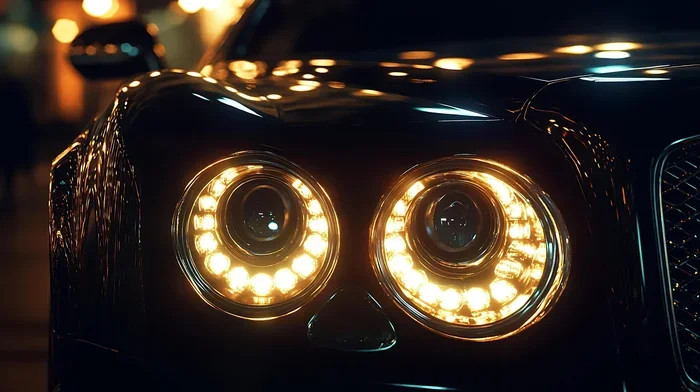
Automatic headlights are a smart lighting feature found in most modern vehicles. They use a sensor to measure the amount of light around your car. When the light level drops below a certain point, the system turns your headlights on. When there is enough light, it turns them off. This happens without any input from you.
The technology behind auto light mode has improved a lot over the years. Older cars relied on manual switches. Today, vehicles come equipped with advanced automatic brightness systems. Some cars even adjust the headlight angle based on driving conditions. This is called adaptive lighting, and it is a game changer for night driving.
How Do Automatic Headlights Work?
The headlight sensor is the brain behind this feature. It is usually located on the dashboard or near the windshield. The sensor sends a signal to the car’s computer. The computer then decides whether to turn the lights on or off. Here is a simple breakdown of the process:
- The sensor detects the ambient light level around your vehicle.
- The car’s computer analyzes the data in real time.
- If the light is below a certain threshold, the headlights activate.
- If the light is sufficient, the headlights turn off automatically.
This entire process happens in seconds. You will barely notice it happening. But it makes a huge difference in visibility and safety.
Automatic Headlights vs. Daytime Running Lights
Many people confuse automatic headlights with daytime running lights. They are not the same thing. Daytime running lights stay on whenever the engine is running. They make your car more visible during the day. Automatic headlights, on the other hand, turn on only when it is dark enough. Understanding this difference is important for proper car light settings.
Some cars have both features. Others have only one. Check your vehicle’s manual to understand what your specific model offers. Knowing the difference helps you use each feature correctly.
How to Turn On Automatic Headlights
Now let us get to the main question: how do I turn on automatic headlights? The answer depends on your car model. But the general process is similar for most vehicles. Let us walk through the steps.
Step-by-Step Guide to Activating Auto Headlights
Follow these simple steps to activate automatic headlight mode in your car:
- Locate the headlight switch. It is usually on the left side of the steering column. Some newer cars have it on the dashboard or touchscreen.
- Look for the AUTO symbol. It is usually a small light bulb icon with the letter “A” next to it.
- Rotate the switch to the AUTO position. You will feel a click when it locks into place.
- Wait for the sensor to activate. The headlights should turn on or off based on the surrounding light.
That is it! Your automatic headlights are now active. You do not need to do anything else. The system handles everything for you.
Different Headlight Switch Types
Not all headlight switches look the same. Here are the most common types you will encounter:
- Rotary Dial: The most common type. You twist it to select AUTO, OFF, or manual positions.
- Toggle Switch: A simple up-and-down switch found in some older models.
- Touchscreen Controls: Found in luxury and modern vehicles. You tap the screen to change settings.
- Button Controls: Some cars have a dedicated button for automatic mode.
If you drive a 2nd hand automatic car in Mumbai, you might find any of these switch types. The good news is that the process for turning on automatic headlights is the same regardless of the switch type.
What If Your Car Does Not Have an AUTO Setting?
Some older or basic cars do not have an automatic headlight feature. In that case, you will need to turn the headlights on manually. Look for the ON position on the headlight switch. You can also check if your car has a retrofit kit for adding automatic headlights. These kits are affordable and easy to install.
Benefits of Using Automatic Headlights
Automatic headlights offer several advantages that make them worth using. Let us look at the key benefits.
Improved Safety
The biggest benefit of auto headlight feature is improved safety. You do not have to remember to turn your lights on. The system does it for you. This is especially helpful during sudden weather changes or when driving through shaded areas. Better visibility means fewer accidents.
Convenience
Imagine driving home after a long day at work. It is getting dark, but you are focused on the road. With automatic headlights, you do not need to reach for the switch. The lights come on automatically. This small convenience adds up over time and makes your driving experience much more pleasant.
Energy Efficiency
Automatic headlights also help save energy. The lights turn off when they are not needed. This prevents unnecessary battery drain. In the long run, this can extend the life of your headlights and reduce fuel consumption slightly.
Better Visibility in Variable Conditions
Driving through tunnels, under bridges, or during heavy rain can be challenging. Automatic headlight activation ensures your lights are always on when you need them most. You do not have to worry about adjusting settings in the middle of a drive.
Common Problems with Automatic Headlights
Even though automatic headlights are reliable, they can sometimes have issues. Here are the most common problems and how to fix them.
Headlights Not Turning On Automatically
If your headlight sensor is not working, the lights may not turn on when it gets dark. This could be caused by a dirty sensor, a blown fuse, or a faulty switch. Try cleaning the sensor area first. If that does not work, check the fuse box. You may need a mechanic to inspect the wiring.
Headlights Staying On During the Day
Sometimes the system gets confused and keeps the lights on even when it is bright outside. This usually happens when the sensor is blocked by dirt or a sticker. Clean the sensor area thoroughly. If the problem persists, the sensor may need replacement.
Flickering or Intermittent Lighting
If your automatic brightness system flickers, it could indicate a loose connection or a failing sensor. Check the wiring harness behind the dashboard. If you are not comfortable doing this yourself, take your car to a trusted mechanic.
Delayed Activation
Some cars have a slight delay before the headlights turn on. This is normal in most vehicles. However, if the delay is very long, the sensor sensitivity might need adjustment. Check your car manual for instructions on adjusting the sensor threshold.
Tips for Maintaining Your Automatic Headlight System
Taking care of your automatic headlights ensures they work reliably for years. Here are some simple maintenance tips.
- Keep the sensor clean: Wipe the sensor area with a soft cloth during car washes.
- Check the bulbs regularly: Replace dim or burnt-out bulbs promptly.
- Inspect the wiring: Look for frayed or corroded wires near the headlight assembly.
- Update your software: Some modern cars have software updates that improve auto light mode performance.
- Avoid placing stickers near the sensor: Stickers can block the sensor and cause malfunctions.
Remember, a little maintenance goes a long way. Your automatic headlights will serve you well if you take care of them properly.
Quick Tips for Beginners
Here are some quick tips to help you get started with automatic headlight activation:
- Always set your headlight switch to AUTO before starting your drive.
- Test the system by covering the sensor with your hand. The headlights should turn on.
- Do not rely solely on daytime running lights for visibility at night.
- If you are renting a car, check the headlight settings before you start driving.
- Keep a pair of spare headlight bulbs in your trunk for emergencies.
These simple tips can save you from unexpected situations on the road. They also help you get the most out of your car’s lighting system.
Expert Insights on Automatic Headlights
Automotive experts agree that automatic headlights are one of the most underrated safety features in modern cars. According to road safety organizations, proper use of headlights reduces nighttime accident risk by a significant margin. Many drivers do not realize how much their visibility improves when the headlights are on before it is fully dark.
Experts also recommend that drivers familiarize themselves with their vehicle’s lighting controls. If you recently bought a used car or are driving a friend’s vehicle, take a few minutes to locate the headlight switch and understand its settings. This small effort can make a big difference in your daily driving safety.
For families who frequently travel with multiple passengers, knowing your vehicle’s features is especially important. Whether you are driving a compact car or an 8 seater car on rent in Pune for a family trip, having reliable automatic headlights adds peace of mind on long journeys.
How Automatic Headlights Compare Across Car Brands
Different car brands implement automatic headlights in slightly different ways. Here is a quick comparison of how some popular brands handle this feature:
- Toyota: Uses a rotary dial with a clearly marked AUTO position. Very intuitive and easy to use.
- Honda: Often places the AUTO setting next to the parking light position. Simple and straightforward.
- BMW: Offers advanced automatic headlights with adaptive beam control for superior night visibility.
- Maruti Suzuki: Common in Indian models with a basic AUTO toggle that works reliably for daily driving.
- Hyundai: Uses a combination of touchscreen and physical controls depending on the model year.
Regardless of the brand, the core function remains the same. The auto headlight feature detects light levels and activates the headlights accordingly. If you are unsure about your specific model, always refer to the owner’s manual.
When to Use Manual Headlights Instead
While automatic headlights are great, there are times when manual control is better. For example, when driving through a long tunnel, you might want the lights on even if the sensor thinks it is bright enough. Similarly, if you are parked on a dimly lit street, manually turning on the headlights ensures maximum visibility.
Many drivers prefer to use manual mode during heavy rain or fog. The automatic system might not always respond quickly enough in extreme conditions. Switching to manual mode gives you full control over your vehicle lighting system when you need it most.
It is always good to know how to switch between automatic and manual modes. Practice doing this in a safe, well-lit area before you need it in an emergency situation. Being prepared makes you a more confident and safer driver.
Key Takeaways
- Automatic Headlight Activation Is Easy: Simply move the headlight switch to the AUTO position and the system handles the rest.
- Light Sensors Do the Work: A sensor near the windshield detects ambient light and triggers the headlights automatically.
- Maintenance Keeps It Working: Clean the sensor regularly and replace bulbs promptly for reliable performance.
- Safety Benefit Is Significant: Automatic headlights improve visibility and reduce accident risk during low-light conditions.
- Manual Override Is Always Available: You can switch to manual mode anytime if the automatic system does not respond as expected.
- Know Your Vehicle: Different car brands have different switch layouts. Familiarize yourself with your specific model.
Frequently Asked Questions
Can I install automatic headlights in an older car that does not have them?
Yes, you can. Aftermarket automatic headlight kits are widely available and easy to install. They typically cost between 1,000 and 3,000 rupees. Most kits come with detailed instructions. If you are not comfortable with DIY installation, a mechanic can do it for you quickly.
Why do my automatic headlights stay off even when it is dark?
This usually happens when the headlight sensor is dirty or blocked. Clean the sensor area on your dashboard or near the windshield. If cleaning does not help, the sensor may need replacement. A blown fuse or a faulty switch can also cause this issue.
Do automatic headlights drain the car battery?
No, they do not. Automatic headlights are designed to be energy efficient. They turn off automatically when there is enough light, which prevents unnecessary battery drain. In fact, they can save battery life compared to forgetting to turn off manual headlights.
Are daytime running lights the same as automatic headlights?
No, they are different. Daytime running lights stay on whenever the engine is running. Automatic headlights turn on only when the ambient light is low enough. Both features improve safety but serve different purposes.
How do I know if my car has automatic headlights?
Look at your headlight switch. If you see an AUTO symbol or position, your car has automatic headlight mode. You can also check your vehicle’s manual or look for a light sensor on the dashboard. Most cars made after 2010 have this feature as standard.
Can I adjust the sensitivity of automatic headlights?
Some vehicles allow you to adjust the headlight sensor sensitivity through the settings menu. Check your car’s manual for instructions. If your car does not have this option, the sensitivity is usually pre-set at the factory and cannot be changed.
Conclusion
Turning on automatic headlights is one of the simplest things you can do to improve your driving experience. It takes just a few seconds and makes a huge difference in safety and convenience. Whether you are driving a brand new car or a 2nd hand automatic car in Mumbai, the process is the same. Find the AUTO setting on your headlight switch and let the system do the work for you.
Remember to maintain your automatic headlight system for reliable performance. Keep the sensor clean, replace bulbs when needed, and understand the difference between automatic and manual modes. With these tips, you will be well on your way to becoming a confident and safe driver.
Take a few minutes today to check your car’s lighting settings. It is a small action that can make a big difference every time you get behind the wheel. Safe travels and enjoy the convenience of your automatic headlights!