Car Gear Shifting Speed How To Shift Faster And Smoother
Car gear shifting speed is a skill that can transform your driving experience, making every gear change feel effortless and precise. Whether you drive a manual or automatic transmission, learning to shift faster and smoother saves time, reduces wear on your vehicle, and boosts confidence behind the wheel. This guide covers proven techniques, common mistakes, and actionable tips to help you master the art of shifting gears like a pro.
Have you ever watched someone shift gears in a car and thought, “How do they make it look so easy?” You are not alone. car gear shifting speed is one of those skills that separates casual drivers from people who truly enjoy being behind the wheel. The good news is that anyone can learn to shift faster and smoother with the right knowledge and a bit of practice.
Whether you drive a five-speed manual or a modern automatic with paddle shifters, this guide will walk you through everything you need to know. We will cover the basics, explore advanced techniques, and highlight the mistakes that hold most drivers back. By the end, you will have a clear roadmap to improve your gear shifting speed and make every drive more enjoyable.
Let us be real for a moment. Shifting gears might not seem like a big deal on the surface. But here is the truth: smooth, fast shifts make your car feel more responsive, protect your engine and transmission, and give you a real sense of control. It is the kind of skill that pays dividends every single time you turn the key. So let us dive in.
Key Takeaways
- Smooth shifting protects your transmission: Gentle, deliberate gear changes reduce wear and extend the life of your vehicle’s drivetrain components.
- Rev matching is the foundation of fast shifting: Matching engine RPMs between gears makes every shift feel seamless and prevents unnecessary strain.
- Clutch control is everything: How you use the clutch pedal directly impacts both the speed and smoothness of your gear changes.
- Common mistakes slow you down: Over-revving, resting your hand on the gear stick, and skipping maintenance all hurt your shifting performance.
- Practice makes permanent: Consistent, mindful practice on empty roads or tracks builds muscle memory for faster and smoother shifts.
- Automatic drivers benefit too: Understanding shift logic and using manual mode can improve gear shifting speed even in automatic vehicles.
📑 Table of Contents
- What Is Car Gear Shifting Speed?
- Why Shifting Faster And Smoother Matters
- The Basics Of Smooth Gear Shifting
- Advanced Techniques For Faster Shifting
- Common Mistakes That Slow You Down
- How To Practice And Improve Your Shifting
- Automatic Transmission Shifting Tips
- Quick Tips For Better Shifting
- Conclusion
What Is Car Gear Shifting Speed?
Before we get into the how-to, let us make sure we understand what we are talking about. Car gear shifting speed refers to how quickly and smoothly you move between gears while driving. It is not just about raw speed. It is about the quality of the transition from one gear to the next.
A fast shift means the time between gears is minimal. A smooth shift means there is no jerk, no lurch, and no disruption to the flow of power. The best drivers combine both. They shift quickly without sacrificing smoothness, and that combination is what makes driving feel so satisfying.
Think of it like typing on a keyboard. You want to press the right keys quickly, but you do not want to hit them so hard that you make mistakes. The same principle applies to shifting gears. Speed without control leads to grinding gears, worn clutch components, and a rough ride. Control without speed leads to a sluggish, unresponsive driving experience.
The Role Of Your Transmission
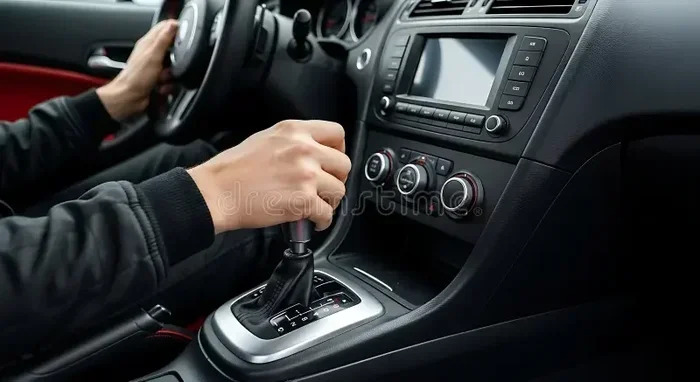
Your transmission plays a huge role in how your car shifts. A manual transmission puts you in full control of every gear change. You decide when to shift, how fast to move the gear stick, and how much clutch engagement to use. This gives you the most room to improve your shifting technique.
An automatic transmission handles the shifting for you. Modern automatics are incredibly fast, but they still follow a programmed logic. If you understand how your transmission thinks, you can work with it instead of against it. Both types of transmission benefit from better shifting habits, though the techniques differ.
Why Gear Ratios Matter
Every gear in your car has a specific gear ratio. This ratio determines how much power goes to the wheels at any given speed. Lower gears give you more power for acceleration, while higher gears let you cruise efficiently at speed. Understanding gear ratios helps you know exactly when to shift, which is the first step toward faster and smoother changes.
Why Shifting Faster And Smoother Matters
You might wonder why shifting gears smoothly deserves so much attention. Does it really make a difference? The answer is a resounding yes. Here is why investing time in better shifting technique is worth your effort.
1. It Protects Your Vehicle
Rough, jerky shifts put stress on your clutch, gearbox, and drivetrain. Over time, this stress leads to premature wear and expensive repairs. Smooth shifts reduce that wear significantly. Your transmission components last longer, and you avoid costly maintenance bills down the road.
2. It Improves Performance
When you shift quickly and cleanly, your car accelerates more efficiently. There is less time spent in between gears with no power delivery. This matters whether you are merging onto a highway, passing another car, or pushing your vehicle on a track. Every tenth of a second counts.
3. It Makes Driving More Enjoyable
Let us not forget the simple joy of driving. A car that shifts like butter feels amazing to drive. It responds to your inputs instantly and gives you a real connection to the road. Once you experience smooth, fast shifts, you will never want to go back to clumsy, hesitant gear changes.
The Basics Of Smooth Gear Shifting
Before you try to shift faster, you need to master the fundamentals. These basics form the foundation of every smooth gear change, and skipping them will only slow your progress.
Master The Clutch Pedal
The clutch pedal is the heart of manual gear shifting. How you use it determines everything about the quality of your shifts. The key is to find the bite point, which is the exact point where the clutch starts to engage. Practice finding this point in a safe, empty parking lot.
When shifting up, release the clutch smoothly and gradually. Do not slam it out. When shifting down, ease the clutch in gently. The smoother your clutch work, the smoother your shifts will be. This single tip alone will transform your driving.
Listen To Your Engine
Your engine gives you all the clues you need to know when to shift. Listen for the sound. Feel the vibration. When the engine starts to work harder and the pitch rises, it is time to shift up. When the engine sounds strained and the car feels slow, it is time to shift down.
Experienced drivers shift by feel and sound without even thinking about it. This comes from hours of practice and paying attention to the vehicle. Start by being intentional about listening to your engine during every drive.
Use The Right Gear For The Right Situation
One of the biggest mistakes new drivers make is staying in too high a gear or too low a gear. Driving in the wrong gear forces your engine to work harder, which makes shifting rougher and slower. Always match your gear to your speed and the road conditions. This sounds obvious, but you would be surprised how many drivers ignore this basic principle.
The Art Of Rev Matching
Rev matching is one of the most important skills for smooth shifting. It involves adjusting the engine RPM to match the speed of the gear you are shifting into. This is especially important when downshifting.
Here is how it works. When you need to drop to a lower gear, you blip the throttle to raise the engine RPM before engaging the gear. This prevents the wheels from dragging against the engine, which causes a jerky transition. Rev matching takes practice, but once you get the hang of it, your downshifts will feel effortless.
Double Clutching Explained
Double clutching is an advanced technique used in older vehicles without synchromesh gears. It involves pressing the clutch twice during a single shift. First, you press the clutch and move the gear to neutral. Then you release the clutch briefly to match the engine speed to the gear you want to engage. Finally, you press the clutch again and move into the new gear.
Modern cars with synchromesh do not require double clutching, but the technique is still valuable knowledge. It is especially useful in trucks, older vehicles, and racing situations where precision matters. Learning double clutching gives you a deeper understanding of how gears work and improves your overall feel for the transmission.
Heel-Toe Shifting
Heel-toe shifting is a technique used by drivers who need to brake and downshift at the same time. You use one foot to press the brake pedal while simultaneously blipping the throttle with the side of your other foot. This keeps the engine revs up during the downshift, resulting in a smooth transition.
This technique is essential for spirited driving and track days. It takes time to develop, so start slowly and focus on coordination. Once you can do it without thinking, it becomes second nature and dramatically improves your shifting quality.
Advanced Techniques For Faster Shifting
Once you have the basics down, you can start working on speed. Faster shifting is about reducing the time between gears while maintaining smoothness. Here are the techniques that make it possible.
Skip Shifting
Skip shifting means jumping over one or more gears during an upshift. For example, you might go directly from second gear to fourth gear. This reduces the number of shifts you need to make and keeps your car in the power band more efficiently.
Skip shifting works best when you are cruising at a steady speed and do not need maximum acceleration. It is a great technique for fuel efficiency and smooth driving. However, it requires good judgment about which gears to skip and when.
Paddle Shifter Techniques
If you drive a car with paddle shifters, you have a significant advantage when it comes to speed. Paddle shifters allow you to change gears without taking your hands off the steering wheel. This means faster shifts and better control during aggressive driving.
Use the left paddle to downshift and the right paddle to upshift. Practice quick, decisive pulls rather than hesitant taps. The best paddle shifter drivers can complete a full gear change in less than a second.
Throttle Modulation For Better Shifts
Throttle modulation is the art of controlling how much gas you give the engine during a shift. When shifting up, a slight lift off the throttle helps the clutch engage more smoothly. When shifting down, a quick blip of the throttle ensures a clean engagement.
Learning to modulate the throttle while simultaneously working the clutch and gear stick takes coordination. Start slow and build up speed as you become more comfortable. The payoff is shifts that feel buttery smooth and incredibly fast.
Timing Your Shifts
Timing is everything when it comes to fast gear changes. Shifting too early robs you of power. Shifting too late can overwork your engine. The sweet spot is just before the engine reaches its peak power band. This is where you get the best acceleration with the least effort.
Use your tachometer to help you find the right shift points. Most engines produce their best power between 4,000 and 6,000 RPM. Shifting around this range gives you the ideal balance of speed and smoothness.
Reduce Gear Throw Distance
Gear throw is the distance the gear stick travels between positions. A shorter throw means less time spent moving the stick and faster shifts. Some drivers install short-throw shifters or shift knobs to reduce this distance.
A quality shift knob can make a noticeable difference in how the gear lever feels. Look for knobs that are lightweight and easy to grip. They reduce the effort needed to move between gears and help you shift with more confidence.
Common Mistakes That Slow You Down
Even experienced drivers develop bad habits over time. Here are the most common mistakes that hurt your shifting speed and smoothness.
Riding The Clutch
Resting your foot on the clutch pedal while driving is one of the worst habits you can have. It causes partial clutch engagement, which wears out the clutch disc prematurely and makes your shifts rougher. Keep your foot completely off the clutch unless you are actively shifting.
Resting Your Hand On The Gear Stick
It might feel natural to rest your hand on the gear stick, but it puts unnecessary pressure on the shift mechanism. Over time, this can cause wear on the internal linkage and make your shifts less precise. Keep both hands on the steering wheel whenever possible.
Shifting Without Looking
While muscle memory is important, you should always be aware of what gear you are in. Shifting without looking increases the risk of selecting the wrong gear, which can damage your transmission. Take a quick glance at the gear position if you are unsure.
Ignoring Transmission Maintenance
Your transmission needs regular care to perform at its best. Transmission fluid degrades over time and loses its ability to lubricate and cool the internal components. Change your fluid at the intervals recommended by your vehicle manufacturer. Fresh fluid makes shifts smoother and extends the life of your transmission.
Over-Revving The Engine
Shifting at too high an RPM stresses both the engine and the drivetrain. It also makes shifts jerky and uncomfortable. Learn to recognize the right shift points for your engine and stick to them. Your car will thank you with smoother performance and better longevity.
How To Practice And Improve Your Shifting
Improving your car gear shifting speed is all about deliberate practice. Here is how to get better, one drive at a time.
Find A Safe Practice Space
Start by practicing in an empty parking lot or on quiet back roads. You need a safe environment where you can focus on your technique without worrying about traffic. Early mornings on weekends are ideal.
Focus On One Skill At A Time
Do not try to master everything at once. Pick one technique, such as rev matching or clutch control, and practice it until it feels natural. Then move on to the next skill. This focused approach builds competence faster than trying to improve everything simultaneously.
Record Your Progress
It sounds simple, but taking note of what you practiced and how it felt helps you improve faster. Did your shifts feel smoother today? Did you notice any jerky transitions? Tracking your progress keeps you motivated and helps you identify areas that need more work.
Take A Driving Course
If you are serious about improving your skills, consider taking a performance driving course. These courses teach advanced techniques in a controlled environment with expert instructors. The feedback you receive is invaluable and can accelerate your progress dramatically.
Be Patient And Consistent
Rome was not built in a day, and neither are your shifting skills. Improvement takes time and consistent effort. Celebrate small victories along the way. Every smooth shift is a step in the right direction. Stay patient, stay curious, and enjoy the journey.
Automatic Transmission Shifting Tips
Even if you drive an automatic, you can still improve your gear shifting speed and experience. Modern automatics are incredibly sophisticated, but understanding how they work gives you an edge.
Use manual mode when you want more control over gear selection. Most automatic transmissions offer a manual or sport mode that lets you upshift and downshift using the gear lever or paddle shifters. This is especially useful when you want to hold a lower gear for engine braking on a steep descent.
Avoid riding the brake and accelerator at the same time. This creates unnecessary strain on the transmission and can cause rough shifts. Be deliberate with your inputs, and your automatic car will reward you with smooth, quick changes every time.
Keep your transmission fluid fresh and at the proper level. Automatic transmissions rely on fluid pressure to shift gears, and degraded fluid leads to sluggish, hesitant changes. A simple fluid change can make a world of difference in how your automatic transmission performs.
Quick Tips For Better Shifting
- Always press the clutch fully before moving the gear stick. Partial clutch engagement causes grinding and wear.
- Move the gear stick with a light touch. Forceful movements lead to imprecise shifts and potential gear damage.
- Practice rev matching every time you downshift. It becomes automatic with enough repetition.
- Keep your eyes on the road and your mind focused on the driving experience.
- Warm up your car before pushing it hard. Cold transmission fluid is thicker and shifts less smoothly.
- Invest in a quality shift knob that feels good in your hand and reduces gear throw distance.
- Stay calm and relaxed. Tension in your hands and arms makes shifting stiffer and less precise.
Conclusion
Improving your car gear shifting speed is one of the most rewarding skills you can develop as a driver. It protects your vehicle, enhances performance, and makes every drive more enjoyable. From mastering the basics of clutch control and rev matching to exploring advanced techniques like heel-toe shifting and skip shifting, there is always room to grow.
Remember that smooth shifting always comes before speed. Build a solid foundation of clean, deliberate gear changes, and then gradually work on reducing the time between shifts. Avoid the common mistakes that slow you down, take care of your transmission through regular maintenance, and practice consistently in safe environments.
Whether you drive a manual or an automatic, these principles apply. The goal is not just to shift fast. The goal is to shift with confidence, precision, and control. Start applying these tips on your next drive, and you will notice the difference immediately. Your car will feel more responsive, more connected, and more fun to drive. And that is what great driving is all about.
Frequently Asked Questions
What Is The Best Way To Shift Gears Faster?
The best way to shift faster is to master rev matching and clutch control. These two skills reduce the time between gears and make every shift smoother. Practice in a safe, empty area until the movements feel natural and effortless.
Does Shifting Faster Damage My Transmission?
Shifting faster does not damage your transmission if you do it correctly. The key is smoothness. Rough, jerky shifts cause wear, but clean, quick shifts actually reduce stress on your drivetrain components. Focus on quality over raw speed.
Can I Improve My Shifting Skills In An Automatic Car?
Absolutely. Automatic cars benefit from better shifting habits too. Use manual mode, avoid resting your foot on the brake and accelerator simultaneously, and keep your transmission fluid fresh. These simple steps improve shift quality significantly.
How Long Does It Take To Get Better At Shifting?
Most drivers notice improvement within a few weeks of focused practice. However, mastering advanced techniques like rev matching and heel-toe shifting can take several months. The key is consistent, mindful practice every time you drive.
What Gear Oil Should I Use For Smoother Shifts?
Use the gear oil recommended by your vehicle manufacturer. High-quality synthetic transmission fluid can improve shift smoothness in both manual and automatic transmissions. Check your owner’s manual for the correct specification and change interval.
Is Double Clutching Necessary For Modern Cars?
No, modern cars with synchromesh transmissions do not require double clutching. However, learning the technique gives you a deeper understanding of your transmission and can improve your overall shifting feel. It is especially useful in older vehicles and performance driving situations.
=== CONCLUSION ===
Improving your car gear shifting speed is a journey, not a destination. Every drive is an opportunity to practice, refine, and get better. The techniques covered in this article give you a clear path forward, from the fundamentals of clutch control to advanced methods like rev matching and heel-toe shifting.
Start where you are. Focus on one skill at a time. Be patient with yourself and enjoy the process. The difference in how your car feels and responds will motivate you to keep improving. Smooth, fast shifts are within your reach, and once you experience them, you will never look back.