How Big Is the Toyota 4Runner and What You Need to Know
How Big Is the Toyota 4Runner? With a length of around 199 inches, width near 75 inches, and height close to 72 inches, the Toyota 4Runner size offers generous space for passengers and gear. The 4Runner dimensions make it ideal for families, off-road trips, and everyday driving. The Toyota 4Runner delivers a perfect balance of compact maneuverability and roomy comfort.
Key Takeaways
- Length and Width: The Toyota 4Runner measures roughly 199 inches long and 75 inches wide, giving it a solid midsize footprint.
- Interior Space: Five passengers enjoy ample headroom and legroom, while cargo space reaches up to 89.7 cubic feet with seats folded.
- Ground Clearance: With up to 9.6 inches of ground clearance, the 4Runner handles rough terrain with ease.
- Towing Capacity: The 4Runner can tow up to 5,000 pounds when properly equipped, making it great for trailers and gear.
- Multiple Trims: Different trim levels offer varying sizes and features, so choosing the right one matters for your needs.
- Parking Considerations: The 4Runner size requires thoughtful parking planning, especially in tight garages or urban spots.
📑 Table of Contents
- Toyota 4Runner Dimensions Explained
- Interior Space and Seating Capacity
- Ground Clearance and Off-Road Size Advantages
- Towing Capacity and What It Means for Overall Size
- Parking and Garage Considerations
- Choosing the Right 4Runner Trim for Your Size Needs
- Safety Features That Complement the 4Runner’s Size
- Real-World Ownership: What the Size Means Day to Day
- Conclusion
Toyota 4Runner Dimensions Explained
When people ask how big is the Toyota 4Runner, they usually want the numbers. The Toyota 4Runner is a midsize SUV that has earned its reputation through decades of reliable performance. Its dimensions give it a strong presence on any road or trail. Let us break down the key measurements so you can picture the vehicle clearly.
Length, Width, and Height Breakdown
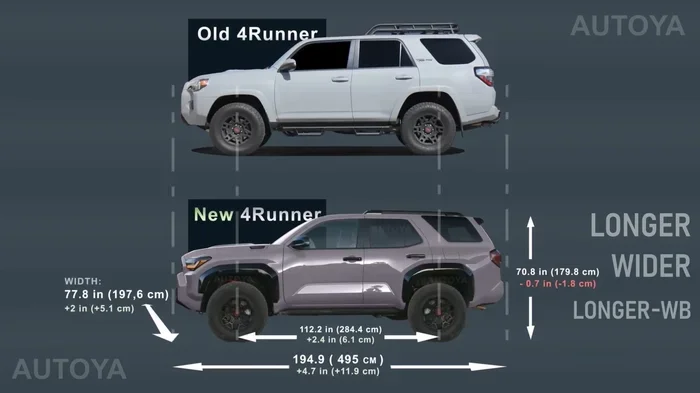
The Toyota 4Runner length sits at approximately 199 inches, or about 16.6 feet. That makes it longer than a compact SUV but shorter than full-size models. The width measures around 75 inches without mirrors, which gives it a sturdy stance. With mirrors folded in, you are still looking at a fairly wide vehicle.
The height of the 4Runner comes in at roughly 72 inches, or about 6 feet tall. This vertical clearance is one reason the interior feels so roomy. The 4Runner dimensions also include a wheelbase of around 109.8 inches, which contributes to a stable and smooth ride. These numbers place the 4Runner firmly in the midsize SUV category.
Here is a quick look at the core measurements:
- Length: Approximately 199 inches
- Width: About 75 inches (mirrors included, closer to 83 inches)
- Height: Around 72 inches
- Wheelbase: Roughly 109.8 inches
- Curb Weight: Between 4,300 and 4,700 pounds depending on trim
These Toyota 4Runner dimensions have remained fairly consistent across recent generations. The vehicle has a boxy shape that maximizes interior space without adding excessive length. That boxy design is not just for looks. It also helps with cargo capacity and structural strength.
How Does the 4Runner Compare to Other SUVs?
The Toyota 4Runner size puts it right in the middle of the SUV lineup. It is bigger than compact SUVs like the Toyota RAV4 but smaller than full-size models like the Chevy Tahoe. Here is a simple comparison:
- The RAV4 is shorter and narrower, making it easier to park in tight spaces.
- The 4Runner is wider and taller, giving it more interior room.
- Full-size SUVs like the Tahoe are significantly longer and heavier.
- The 4Runner strikes a sweet spot between maneuverability and space.
For many buyers, this middle-ground size is exactly what they need. You get enough room for a family without the bulk of a larger vehicle. The Toyota SUV size comparison also matters when thinking about fuel economy and daily driving comfort.
Interior Space and Seating Capacity
The exterior numbers tell part of the story, but the interior is where the Toyota 4Runner size really shines. The cabin has been designed with both function and comfort in mind. Whether you are hauling the whole family or just yourself, the 4Runner delivers a welcoming space.
Passenger Room and Comfort
The 4Runner seats five passengers comfortably. Front seats offer generous legroom and headroom. Taller drivers will appreciate the vertical space, which allows for easy adjustment without feeling cramped. Second-row passengers also enjoy plenty of room, especially in newer models that have been refined over the years.
The seat cushions are supportive and come with adequate padding for long drives. Rear passengers can stretch out without bumping knees against the seat in front. The 4Runner passenger room is one of the best in its class for a midsize SUV. Many competitors feel tighter in the back seat.
Here are some highlights of the interior space:
- Front headroom: Over 40 inches, making it easy for tall drivers
- Front legroom: Around 42 inches, comfortable for most body types
- Rear headroom: Close to 39 inches, suitable for most passengers
- Rear legroom: Approximately 35 inches, enough for adults on longer trips
These numbers might seem modest compared to luxury SUVs, but they are very competitive for a rugged midsize model. The Toyota 4Runner prioritizes durability and practicality over luxury excess, and that shows in how the space is used.
Cargo Space and Storage Options
Cargo space is where the 4Runner really flexes its muscles. Behind the second row, you get about 47.2 cubic feet of cargo room. That is enough for several large suitcases, grocery bags, or camping gear. When you fold the second-row seats down, the total 4Runner cargo volume jumps to around 89.7 cubic feet.
This makes the 4Runner an excellent choice for road trips and outdoor adventures. You can fit coolers, tents, bikes, and still have room to spare. The 4Runner cargo space is one of the reasons it remains so popular among families and adventure enthusiasts.
A few things to keep in mind about cargo:
- The cargo floor is flat when seats are folded, making loading easier
- There are multiple tie-down points for securing gear
- The rear cargo area is deep and wide, accommodating bulky items
- The 4Runner trunk size is larger than many competitors in its class
The boxy shape of the 4Runner is a huge advantage here. Unlike sloped-back SUVs that sacrifice cargo room for style, the 4Runner keeps every inch of space usable. This practical design has been a hallmark of the model for years.
Ground Clearance and Off-Road Size Advantages
One of the biggest reasons people choose the Toyota 4Runner is its off-road capability. The 4Runner ground clearance plays a major role in that ability. With up to 9.6 inches of clearance, the 4Runner can tackle obstacles that would stop many other SUVs in their tracks.
This height also benefits everyday driving. Speed bumps, steep driveways, and rough roads become much less of a concern. The vehicle sits high enough to feel confident on uneven terrain without scraping the undercarriage. For anyone who lives in a rural area or enjoys weekend adventures, this clearance is a real-world advantage.
The 4Runner off-road capability is closely tied to its overall size. The wide track and sturdy frame provide stability on uneven ground. The vehicle does not tip or wobble when navigating rocky trails. This combination of height, width, and structural strength makes the 4Runner a genuine off-road performer.
Here is what the ground clearance means in practical terms:
- Clearance over most speed bumps and speed tables
- Ability to navigate shallow streams and muddy trails
- Confidence on steep inclines and rocky terrain
- Reduced risk of undercarriage damage on rough roads
If you are comparing the 4Runner to lower-profile SUVs, the difference is immediately noticeable. The Toyota 4Runner size gives it an edge that many drivers value deeply. It is not just about looks. It is about real-world utility and confidence behind the wheel.
Towing Capacity and What It Means for Overall Size
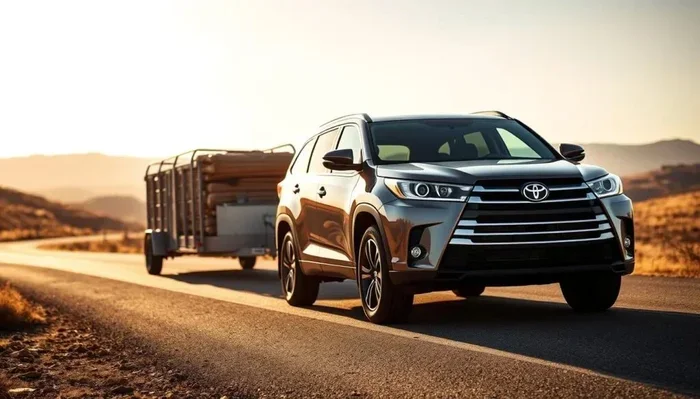
The Toyota 4Runner towing capacity reaches up to 5,000 pounds when properly equipped. This is a significant capability for a midsize SUV. Towing capacity is closely tied to the overall size and weight of the vehicle, so the 4Runner’s dimensions play a direct role.
With 5,000 pounds of towing power, the 4Runner can handle small boats, utility trailers, and camping gear trailers. This opens up a world of possibilities for weekend getaways and outdoor adventures. The towing capacity also makes the 4Runner a practical choice for homeowners who need to haul materials or equipment.
A few important towing tips to keep in mind:
- Always check your specific trim, as towing packages vary
- Make sure your hitch and wiring are properly installed
- Consider the weight of cargo and passengers when towing
- The 4Runner towing capacity is competitive but not class-leading
The towing capability adds to the overall utility of the vehicle. It is not just about how big the 4Runner is in terms of length and width. It is also about what that size allows it to do. The combination of strong frame, reliable drivetrain, and solid towing capacity makes the 4Runner a versatile choice for many lifestyles.
Parking and Garage Considerations
Owning a vehicle as substantial as the 4Runner comes with practical considerations. The Toyota 4Runner size means you need to think about where and how you park it. This is especially important for urban drivers or those with attached garages.
The 4Runner is not a compact car. It takes up a fair amount of space in a parking lot. However, its midsize classification means it is still manageable for most standard parking spots. Parallel parking is doable with a little patience, and the turning radius is reasonable for a vehicle of this size.
If you have a garage, you need to make sure it can accommodate the 4Runner. The length of nearly 17 feet means you need a garage that is at least 20 feet deep for comfortable fit. Many standard two-car garages work fine, but older or smaller garages might feel tight. If you are considering a garage door opener system, it is worth checking that it works smoothly with the 4Runner’s height and width.
Here are some practical parking tips for 4Runner owners:
- Choose parking spots with extra room on both sides
- Be mindful of low-clearance parking garage ramps
- Use your mirrors effectively when navigating tight spaces
- Consider a long-term parking solution if you travel frequently
The 4Runner is a vehicle that rewards thoughtful parking habits. A little extra planning goes a long way in keeping your vehicle safe and scratch-free. Over time, these small adjustments become second nature.
Choosing the Right 4Runner Trim for Your Size Needs
The Toyota 4Runner comes in several trim levels, and each one offers slightly different dimensions and features. Understanding these differences helps you choose the right model for your lifestyle. The Toyota 4Runner trim levels range from the base SR5 to the premium TRD Pro and Limited editions.
While the core dimensions remain similar across trims, some differences do exist. The TRD Off-Road and TRD Pro trims come with upgraded suspension and skid plates that add a bit of height. The Limited trim offers more luxury features without changing the fundamental 4Runner dimensions. Here is a quick look at the main trims:
- SR5: The workhorse trim with solid standard features and the full 4Runner size
- TRD Off-Road: Adds off-road suspension and enhanced ground clearance
- TRD Pro: The top-tier off-road package with the most rugged setup
- Limited: Focuses on comfort and luxury while maintaining the same footprint
No matter which trim you choose, the Toyota 4Runner size remains consistent. You get the same spacious interior, generous cargo room, and strong towing capacity across the lineup. The differences are mostly about features and suspension tuning rather than overall dimensions.
If you are deciding between trims, think about how you will use the vehicle most. A daily commuter might prefer the Limited trim. An outdoor enthusiast will gravitate toward the TRD Pro. The 4Runner size works for all of them equally well.
The drivetrain is another consideration. The 4Runner comes standard with all-wheel drive, and you may wonder if the AWD light on your dash means something is wrong. Understanding your drivetrain indicators helps you stay confident on the road. For more details, check out our guide on what it means when your AWD light is on.
Safety Features That Complement the 4Runner’s Size
The Toyota 4Runner comes loaded with safety technology that works hand in hand with its size. The vehicle’s strong frame and substantial dimensions provide a solid foundation for advanced safety systems. These features help protect everyone inside the cabin.
The pre-collision assist system is one of the standout safety features. It uses sensors to detect potential frontal collisions and can apply the brakes automatically. The pre-collision assist is active at various speeds, and understanding when it engages helps you drive more confidently. For a detailed breakdown of the speed ranges, see our article on when pre-collision assist is active.
Other safety highlights include:
- Standard Toyota Safety Sense suite with lane departure alert
- Adaptive cruise control for highway driving
- Blind spot monitoring with rear cross-traffic alert
- Multiple airbags positioned throughout the cabin
- Stability control and traction control systems
The 4Runner’s size contributes to its safety profile. The heavy frame and high seating position give drivers better visibility of the road ahead. Other drivers can also see the 4Runner more easily, which reduces the risk of accidents. The combination of size, structure, and technology makes the 4Runner a safe choice for families.
Real-World Ownership: What the Size Means Day to Day
Owning a Toyota 4Runner is a hands-on experience, and the size affects your daily routine more than you might think. From fuel stops to grocery runs, the Toyota 4Runner size shapes how you interact with the vehicle every single day.
Fuel economy is one area where size matters. The 4Runner is not the most fuel-efficient SUV on the market. Its large frame and heavy weight mean it uses more gas than smaller crossovers. However, the trade-off is a vehicle that is durable, capable, and spacious. Most owners find the fuel cost worth the utility they get in return.
Daily driving also involves getting used to the vehicle’s dimensions. The 4Runner is not small, but it is not unwieldy either. After a few weeks, most drivers develop a natural feel for where the vehicle sits on the road. Turning, merging, and navigating tight spaces all become second nature.
Maintenance and repairs are another consideration. The 4Runner is known for its reliability, but its size means some services cost more than they would for a smaller vehicle. Tires, for example, are larger and more expensive than those on compact SUVs. However, the Toyota 4Runner durability means you will visit the shop less often overall.
Here are some real-world ownership tips:
- Budget a little extra for fuel compared to smaller SUVs
- Invest in quality tires that match the 4Runner’s size and intended use
- Take advantage of the high seating position for better visibility
- Use the spacious cargo area to organize gear and essentials
The 4Runner size is not just a number on a spec sheet. It is a daily reality that shapes how you live with the vehicle. And for most owners, that reality is a positive one. The space, capability, and presence of the 4Runner make every drive feel more capable and confident.
Conclusion
The Toyota 4Runner is a midsize SUV that delivers impressive dimensions in every direction. From its length of nearly 17 feet to its generous cargo volume and strong towing capacity, the Toyota 4Runner size is designed for real-world utility. Whether you are hauling a family, camping gear, or a small trailer, the 4Runner has the space and strength to handle the job.
The 4Runner dimensions have proven their worth over decades of production. The boxy design maximizes interior space. The high ground clearance enables off-road confidence. The solid frame supports strong towing and rugged use. Every aspect of the Toyota 4Runner size serves a purpose.
If you are considering adding a 4Runner to your life, understanding its size is the first step. The vehicle offers a rare combination of capability and practicality that few competitors can match. The Toyota 4Runner remains one of the most popular SUVs on the road, and its size is a big reason why. Take the time to explore the dimensions, sit in the cabin, and picture how the 4Runner fits into your daily routine. The right SUV is out there, and the 4Runner might just be the one.
Frequently Asked Questions
How long is the Toyota 4Runner?
The Toyota 4Runner is approximately 199 inches long, which is about 16.6 feet. This length places it firmly in the midsize SUV category, making it longer than compact SUVs but shorter than full-size models.
How much cargo space does the 4Runner have?
Behind the second row, the 4Runner offers about 47.2 cubic feet of cargo space. With the second-row seats folded down, the total cargo volume expands to around 89.7 cubic feet, making it excellent for road trips and hauling gear.
Can the Toyota 4Runner tow a trailer?
Yes, the 4Runner can tow up to 5,000 pounds when properly equipped with the towing package. This capacity makes it suitable for small boats, utility trailers, and camping gear trailers.
Is the Toyota 4Runner big enough for a family of five?
Absolutely. The 4Runner seats five passengers comfortably with generous legroom and headroom in both the front and rear rows. The interior space is one of the best in the midsize SUV segment.
How does the 4Runner size compare to the Toyota RAV4?
The 4Runner is significantly larger than the RAV4 in every dimension. It is longer, wider, taller, and heavier. The RAV4 is a compact SUV, while the 4Runner is midsize, offering more interior space and off-road capability.
What should I consider when parking a Toyota 4Runner?
The 4Runner is nearly 17 feet long, so you need adequate parking space. Standard parking spots work fine, but you should be mindful of low-clearance garages and tight parallel parking spots. Choosing spots with extra room on both sides helps keep the vehicle safe.