Does Car Insurance Affect Your Credit Score Explained
Yes, car insurance can affect your credit score in many states. Insurance companies use a credit-based insurance score to set your rates, which is different from your regular credit score. Understanding how this works helps you shop smarter and protect your finances.
Car insurance is something every driver needs. But did you know that your credit score can impact how much you pay for coverage? Many people are surprised to learn that does car insurance affect credit score in real and measurable ways. In this guide, we break it all down in plain language. You will learn how insurance companies use your credit, which states say no to this practice, and what you can do to protect yourself.
The connection between car insurance and credit is not always clear. Insurance companies say it helps them predict risk. But consumers often feel it is unfair. Whether you are buying a new policy or just trying to understand your current rates, this article has you covered. Let us dive in and explore everything you need to know about car insurance and credit score together.
Key Takeaways
- Insurance companies check your credit: They use a credit-based insurance score to help determine your premium rates.
- It is not the same as a regular credit check: A soft credit check does not lower your credit score.
- Several states ban the practice: California, Hawaii, and Massachusetts prohibit using credit for insurance pricing.
- Your driving record still matters: Credit is just one factor among many that insurers consider.
- You can shop around: Comparing auto insurance quotes from different companies can help you find fair rates.
- Improving credit helps your insurance score: Paying bills on time and reducing debt can lower your premiums.
📑 Table of Contents
- What Is a Credit-Based Insurance Score?
- How Does Car Insurance Affect Your Credit?
- Which States Ban Credit-Based Insurance Pricing?
- What Factors Matter More Than Credit?
- How to Protect Your Credit and Lower Your Insurance Costs
- Common Mistakes People Make With Insurance and Credit
- Expert Insights on Insurance and Credit
- Conclusion
What Is a Credit-Based Insurance Score?
When you apply for car insurance, the company often pulls your credit. But they are not looking at your regular credit score the same way a bank does. Instead, they use something called a credit-based insurance score. This is a special number that helps insurers decide how risky you are as a policyholder.
Here is the key difference. A regular credit score predicts whether you will pay back a loan. An insurance score predicts whether you are likely to file a claim. Insurers believe that people with higher insurance scores file fewer claims. This does not mean you are a bad driver. It just means your financial history gives them data to work with.
What Goes Into an Insurance Score?
Your insurance score is built from several parts of your credit report. These include:
- Payment history: Do you pay your bills on time?
- Credit utilization: How much of your available credit do you use?
- Length of credit history: How long have you had your accounts open?
- Types of credit: Do you have a mix of credit cards, loans, and other accounts?
- New credit inquiries: Have you opened several new accounts recently?
None of these factors have anything to do with your driving skills. They are purely financial. But insurers have data that shows a connection between credit habits and claim frequency. This is why they use it as one piece of the puzzle when setting your insurance premium.
How Does Car Insurance Affect Your Credit?
So, does car insurance affect credit score directly? The answer is no. But the relationship is more nuanced than that. Let us look at the different ways insurance and credit interact.
Soft Credit Checks vs. Hard Credit Checks
When an insurance company checks your credit, it is called a soft credit check. A soft check does not hurt your credit score. It is just a background review. You will not see your score drop because of it.
This is very different from a hard credit check. A hard check happens when you apply for a loan or a credit card. That can lower your score by a few points. Insurance companies only do soft checks, so your score stays safe during the quoting process.
If you have ever wondered, “can I pay my car payment with a credit card,” you know that credit and cars go hand in hand. The same applies to insurance. Your credit plays a role behind the scenes, but it does not damage your score in the process.
How Premium Rates Are Affected
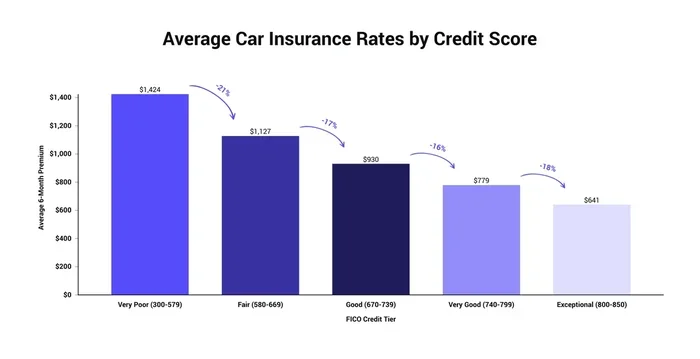
Even though your credit score does not drop, your wallet might feel it. People with lower insurance scores often pay higher premiums. This is the main way that does car insurance affect credit score indirectly. Your credit affects how much you pay, not your actual credit number.
For example, two drivers with the same clean driving record might pay very different rates. One has a strong credit history and the other does not. The driver with better credit will likely get a lower quote. This can feel frustrating, but it is the current standard in most states.
Does Leasing a Car Change Things?
If you lease a vehicle instead of owning it, your credit still matters. Leasing companies check your credit before approving you. And once you have the lease, your insurance rates may also be tied to your credit. If you want to learn more about this connection, check out our article on does leasing a car affect your credit. It covers how lease agreements and insurance interact with your financial profile.
Which States Ban Credit-Based Insurance Pricing?
Not everyone agrees that using credit for insurance is fair. Because of this, several states have put laws in place to ban the practice. If you live in one of these states, your credit score cannot be used to set your car insurance rates.
States That Prohibit Credit-Based Insurance Scoring
The following states do not allow insurers to use credit when pricing policies:
- California
- Hawaii
- Massachusetts
These states believe that credit should not determine how much someone pays for essential coverage. They argue that it can unfairly affect low-income families and communities. Other states are considering similar laws, but for now, the list remains short.
In all other states, insurers can and do use credit-based insurance scores. This means that understanding your credit health is important if you want to keep your auto insurance quotes competitive.
What Factors Matter More Than Credit?
While credit plays a role, it is not the only thing insurers look at. In fact, several other factors often matter more when determining your rate. Here is what goes into your premium besides your insurance score.
Your Driving Record
This is the big one. Have you had accidents or traffic violations? A clean driving record will almost always lead to lower rates. Insurers want to see that you are a safe driver. Even one DUI or at-fault accident can raise your premiums significantly.
Your Vehicle Type
The car you drive matters too. A family sedan usually costs less to insure than a sports car. This is because sports cars are statistically more likely to be involved in accidents and theft. If you are curious about how vehicle features affect value, our article on does vinyl wrap increase car value explores how car modifications can influence worth and perception.
Your Age and Experience
Younger drivers typically pay more. This is because they have less experience on the road. As you get older and build a clean record, your rates should come down. Married drivers also tend to pay less than single drivers, believe it or not.
Your Location
Where you live plays a big role. Drivers in busy cities pay more than those in rural areas. More cars on the road means more accidents. It also means a higher chance of theft or vandalism.
How to Protect Your Credit and Lower Your Insurance Costs
If you are worried about the link between credit and insurance, there is good news. You can take steps to improve both at the same time. Here are some practical tips that actually work.
1. Pay Your Bills on Time
Payment history is the biggest factor in both your credit score and insurance score. Set up automatic payments or reminders. Even one missed payment can hurt your score and push your premiums higher.
2. Reduce Your Credit Card Balances
Credit utilization matters a lot. Try to keep your balances below 30% of your available credit. If you can get it under 10%, even better. This simple step can boost your credit score and help you qualify for lower insurance rates.
3. Check Your Credit Report Regularly
Errors on your credit report can drag your score down without you knowing. Pull your free report from each bureau once a year. Dispute anything that looks wrong. A clean report means a better insurance score.
4. Shop Around for Insurance
Not all insurers weigh credit the same way. Some companies use it heavily, while others focus more on your driving record. Get quotes from at least three different companies before you buy. You might be surprised by the price differences.
5. Ask About Discounts
Many insurers offer discounts you might not know about. Safe driver discounts, bundling discounts, and loyalty discounts can all add up. Always ask your agent what options are available to you.
Quick Tips to Remember
- A soft credit check from an insurer will never lower your score.
- Improving your credit can lower your insurance premiums over time.
- Living in a state that bans credit-based pricing gives you an advantage.
- Your driving record often matters more than your credit for insurance rates.
- Always compare quotes before you commit to a policy.
Common Mistakes People Make With Insurance and Credit
There are a few mistakes that many drivers make when it comes to the relationship between insurance and credit. Avoiding these can save you money and stress.
Mistake 1: Assuming your credit does not matter. Even if you are a perfect driver, a poor credit history can still raise your rates. Do not ignore this factor.
Mistake 2: Letting your policy lapse. If you let your insurance lapse to save money, it can hurt you in the long run. Gaps in coverage lead to higher rates when you reapply.
Mistake 3: Not asking about payment plans. Some insurers let you pay your premium monthly without checking your credit. This can help you manage cash flow without any hard inquiries.
Mistake 4: Only checking one company. Rates vary wildly between insurers. One company might charge you 50% more than another for the same coverage. Always compare.
Expert Insights on Insurance and Credit
Insurance experts generally agree that credit-based scoring is here to stay, at least for now. The industry argues that it helps create fairer pricing overall. Actuarial data supports the idea that financial responsibility correlates with fewer claims.
However, consumer advocates point out that this system can penalize people going through tough financial times. A job loss or medical emergency can tank your credit score, even if you are a great driver. This is why several states have stepped in to regulate the practice.
Industry professionals also note that the credit-based insurance score is not the same as your FICO score. They use different models and weigh factors differently. This means you could have a great FICO score but a mediocre insurance score, or vice versa.
If you are managing car-related expenses alongside your insurance costs, it helps to understand your full financial picture. Learning about how different car-related decisions affect your finances, such as paying your car payment with a credit card, can help you make smarter choices across the board.
Conclusion
The question “does car insurance affect credit score” is more complex than a simple yes or no. Your credit does not drop because of an insurance check. But your credit score does influence how much you pay for coverage. This connection exists in most states and affects millions of drivers every day.
The good news is that you have control over this. By maintaining good credit habits, shopping around for the best rates, and understanding your rights, you can keep both your score and your premiums in check. Remember, your driving record, vehicle type, and location all play major roles too. Credit is just one piece of the puzzle.
Take action today. Check your credit report, compare insurance quotes, and make sure you are not overpaying. A little effort now can save you hundreds of dollars every year. Your future self will thank you.
Frequently Asked Questions
Does car insurance affect your credit score directly?
No, car insurance does not directly affect your credit score. Insurance companies perform a soft credit check, which does not lower your score. However, your credit-based insurance score can influence how much you pay for premiums.
What is the difference between a credit score and an insurance score?
A regular credit score predicts your ability to repay loans. An insurance score predicts the likelihood of filing a claim. They use different models and weigh factors differently, even though both are based on your credit report.
Can a bad credit score make car insurance more expensive?
Yes, in most states, a lower insurance score can lead to higher premiums. Insurers view lower credit as a higher risk factor. This means you may pay more for the same coverage compared to someone with better credit.
Which states do not allow insurance companies to use credit?
California, Hawaii, and Massachusetts are the three states that prohibit the use of credit-based insurance scoring. In these states, insurers must set rates based on driving record, location, and other factors, not credit history.
Will getting multiple insurance quotes hurt my credit?
No, getting multiple quotes will not hurt your credit. Each quote involves a soft credit check, which has no impact on your score. You can compare as many insurers as you want without any negative effect.
How long does it take to improve an insurance score?
Improving your insurance score follows the same timeline as improving your credit score. Positive changes can appear within a few months of consistent on-time payments and reduced debt. However, major improvements usually take six months to a year to fully reflect in your score.