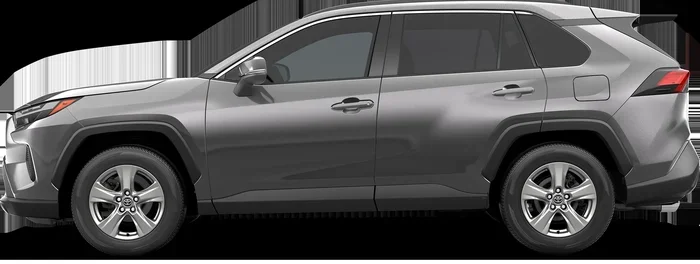
Does a Toyota RAV4 Hold Its Value Compared to Others
Does a Toyota RAV4 Hold Its Value? The answer is a strong yes. The RAV4 consistently ranks among the top compact SUVs for resale, losing value slower than most rivals. This guide breaks down depreciation, compares it to competitors, and explains what keeps its resale price high.
If you are shopping for a compact SUV, you have probably noticed the Toyota RAV4 everywhere. It is one of the best-selling cars in America for good reason. But the real question is: Does a Toyota RAV4 Hold Its Value after you drive it off the lot? Many buyers worry about depreciation. They want a vehicle that will not lose its worth too quickly. The RAV4 has a strong track record here. It consistently ranks near the top for resale in its class. In this article, we will look at exactly how the RAV4 holds up compared to others. We will cover depreciation rates, reliability, hybrid models, and what you can do to protect your investment.
Choosing a car is about more than just the sticker price. You also need to think about what it will be worth in three or five years. A vehicle that holds its value saves you money over time. The RAV4 is known for being a solid choice in this area. But how does it stack up against the Honda CR-V, Ford Escape, and Mazda CX-5? Let us dive into the numbers and find out.
Key Takeaways
- Strong Resale: The Toyota RAV4 depreciates less than the average compact SUV, keeping more of your purchase price.
- Hybrid Edge: RAV4 Hybrid models often hold value even better than the gas-only version.
- Reliability Factor: Toyota’s reputation for durability and low repair costs boosts resale.
- Competitive Comparison: The RAV4 matches or beats the Honda CR-V and Ford Escape in value retention.
- Market Demand: High demand for used RAV4s keeps prices firm and selling fast.
- Cost of Ownership: Lower depreciation means you get more money back when you sell or trade in.
📑 Table of Contents
- Does a Toyota RAV4 Hold Its Value? The Short Answer
- Understanding Depreciation and How It Affects the RAV4
- RAV4 vs. Competitors: Resale Value Comparison
- Why the RAV4 Retains Value So Well
- The Role of Maintenance and Ownership Costs
- Should You Buy a Used Toyota RAV4?
- Final Thoughts: The RAV4’s Value Advantage
Does a Toyota RAV4 Hold Its Value? The Short Answer
The short answer is yes. The Toyota RAV4 holds its value remarkably well. According to industry data, the RAV4 loses about 15% of its value in the first year. By year five, it retains roughly 60% of its original purchase price. That is better than the average for compact SUVs, which lose around 20% in the first year and 45% by year five. The RAV4’s strong resale comes from a mix of reliability, brand trust, and high consumer demand. When you buy a RAV4, you are buying a vehicle that many people want used. This demand keeps prices from dropping too fast.
If you are comparing models, the RAV4 Hybrid often does even better. Hybrid versions of popular SUVs tend to hold value because they offer better fuel economy. The RAV4 Hybrid is no exception. It appeals to buyers who want both efficiency and utility. So, when you ask, Does a Toyota RAV4 Hold Its Value, the answer is a clear yes, and the hybrid version adds even more value.
Understanding Depreciation and How It Affects the RAV4
Depreciation is the biggest cost of owning a car. It is the difference between what you pay and what you sell it for. Some cars lose value fast, while others hold steady. The RAV4 falls into the latter category. Several factors drive its slow depreciation.
What Makes Depreciation Slow for the RAV4?
Toyota builds the RAV4 with a reputation for lasting a long time. Buyers know they can purchase a used RAV4 and expect many more miles without major repairs. This trust translates directly into higher resale prices. Here are the key reasons the RAV4 depreciates slowly:
- Reliability Ratings: The RAV4 consistently scores high in reliability surveys from Consumer Reports and J.D. Power.
- Strong Brand Image: Toyota is synonymous with durability. That brand halo lifts the value of every model, including the RAV4.
- High Demand: Compact SUVs are always in demand on the used market. The RAV4 is one of the most searched models.
- Low Maintenance Costs: Owners spend less on repairs, which makes used RAV4s more attractive to buyers.
When you compare this to some competitors, the difference is clear. A car that needs frequent repairs will lose value faster. The RAV4 avoids that trap. It also helps that Toyota offers a strong warranty. The basic warranty covers 3 years or 36,000 miles, and the powertrain covers 5 years or 60,000 miles. This coverage gives buyers confidence, which supports resale.
How the RAV4 Compares to the Average Compact SUV
To put the RAV4’s depreciation in perspective, consider the average. Most compact SUVs lose about 50% of their value in five years. The RAV4 loses roughly 40%. That 10% difference can mean thousands of dollars back in your pocket. Over the life of the vehicle, holding value is one of the smartest financial moves you can make.
RAV4 vs. Competitors: Resale Value Comparison
How does the RAV4 do against other popular compact SUVs? Let us look at the main rivals. The Honda CR-V, Ford Escape, and Mazda CX-5 are the biggest competitors. Each has strengths, but the RAV4 often comes out on top in resale.
Honda CR-V vs. Toyota RAV4
The Honda CR-V is the RAV4’s closest rival. Both are reliable, practical, and popular. When it comes to resale, they are very close. The CR-V also holds its value well. In most years, the RAV4 edges out the CR-V by a small margin. The difference is often just a few percentage points. Both vehicles are excellent choices if you care about long-term value.
Ford Escape vs. Toyota RAV4
The Ford Escape has improved a lot in recent years. It offers a sleek design and strong tech features. However, its resale value typically trails the RAV4. Ford vehicles in general depreciate a bit faster than Toyotas. This is partly due to brand perception and partly due to historical reliability ratings. The Escape is still a great car, but if holding value is your top priority, the RAV4 wins.
Mazda CX-5 vs. Toyota RAV4
The Mazda CX-5 is a stylish and fun-to-drive compact SUV. It holds value better than the Ford Escape but usually not as well as the RAV4. Mazda has a loyal following, but Toyota’s broader reputation gives the RAV4 a slight edge in resale. The CX-5 is a strong competitor, though, and worth considering if you prioritize driving feel.
| Vehicle | 5-Year Residual Value | Avg. Annual Depreciation | Reliability Rating |
|---|---|---|---|
| Toyota RAV4 | ~60% | ~8% | Excellent |
| Honda CR-V | ~58% | ~8.5% | Excellent |
| Ford Escape | ~52% | ~9.5% | Good |
| Mazda CX-5 | ~55% | ~9% | Good |
As the table shows, the RAV4 leads in residual value. That means a used RAV4 commands a higher price than its rivals after the same number of years. This is a big advantage if you plan to sell or trade in later.
Why the RAV4 Retains Value So Well
Several specific traits make the RAV4 a value retention champion. Let us break them down so you can see exactly why this SUV keeps its worth.
Reliability and Durability
Toyota does not build cars to fail. The RAV4 is engineered for longevity. Owners regularly report crossing 200,000 miles with only routine maintenance. When a car is known to last, buyers are willing to pay more for it used. This reliability also means fewer surprises for the second owner. That confidence drives up demand on the used market.
Another factor is the RAV4’s simple, proven engineering. Toyota avoids overcomplicating the design. This means fewer things can go wrong. A simpler vehicle is cheaper to maintain, which makes it more attractive to used car shoppers. The result is a steady stream of buyers willing to pay top dollar.
The Hybrid Advantage
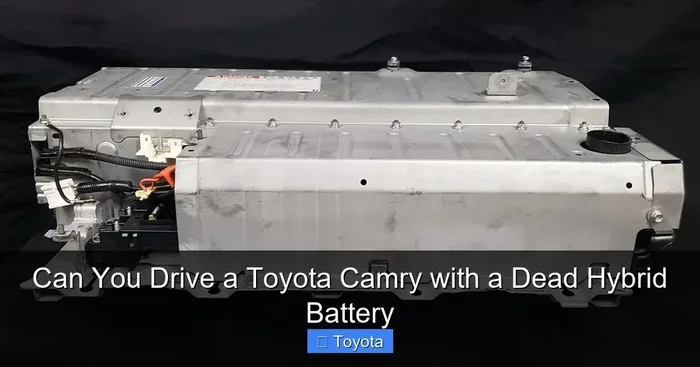
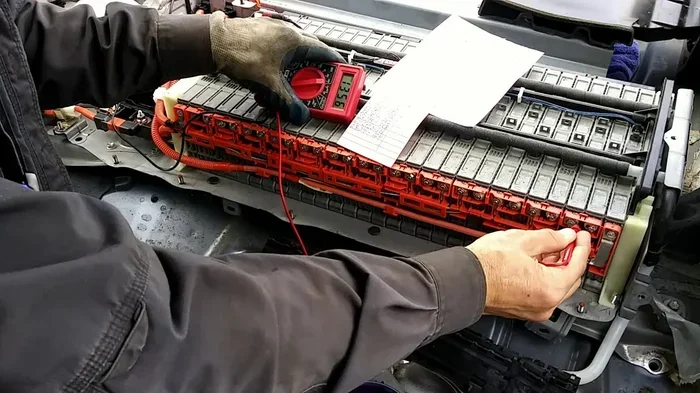
The RAV4 Hybrid adds another layer of value retention. Hybrid technology appeals to buyers who want to save on fuel. But the hybrid system also brings a perception of modernity and efficiency. When you wonder, does a hybrid burn gas when idling, the answer for the RAV4 Hybrid is that it uses very little gas at idle. This efficiency translates into lower running costs, which buyers factor into their purchase decision. The hybrid badge alone can boost resale.
Some people ask, can a hybrid run without gas. The RAV4 Hybrid cannot run on electric power alone for long distances. It uses the electric motor to assist the gas engine and to capture energy through regenerative braking. This system improves fuel economy and reduces wear on the gas engine. Both benefits help the RAV4 Hybrid hold its value.
Fuel Economy and Running Costs
Fuel economy is a major selling point. The RAV4 gets an estimated 27 mpg in the city and 35 mpg on the highway for the gas model. The hybrid version delivers around 40 mpg combined. Over years of ownership, those savings add up. Buyers looking at a used RAV4 see a car that will not drain their wallet at the pump. This practicality keeps demand high.
Even something as simple as the air conditioning has an impact. You might wonder, does AC burn gas in a hybrid car. In a hybrid like the RAV4, the AC system is often powered electrically, so it places less strain on the gas engine. This means better fuel economy and a more comfortable drive. These small efficiencies make the RAV4 more appealing to used buyers.
Strong Brand Loyalty and Trust
Toyota has built decades of trust. Many buyers choose a RAV4 because they know someone who owns one and loves it. Word of mouth is powerful. When a brand is associated with quality, its vehicles hold value better. The RAV4 benefits from this loyalty. It is not just a car; it is a proven choice that people feel confident buying used.
The Role of Maintenance and Ownership Costs
How you maintain your RAV4 directly affects its resale value. A well-cared-for RAV4 will command a higher price than one with neglect. Here is what you need to know.
Quick Tips to Maximize Resale Value
- Keep up with oil changes: Regular oil changes are the cheapest way to protect your engine. They also show buyers the car was cared for.
- Store records: Keep all service receipts. A full service history proves the vehicle was maintained properly.
- Address small issues early: A small crack in a windshield or a squeaky brake can become a bigger problem. Fixing them quickly shows diligence.
- Keep it clean: A clean interior and exterior make a huge difference in perceived value. Consider regular washing and detailing.
- Avoid modifications: Aftermarket parts can turn off some buyers. Stick to OEM accessories if you want to add value.
Common Mistakes That Hurt Resale
Many owners unknowingly hurt their resale value. Avoid these common mistakes:
- Ignoring the maintenance schedule: Skipping oil changes or tire rotations can lead to bigger problems later. Buyers will notice missing service records.
- Smoking inside the vehicle: Smoke odor is hard to remove and can significantly reduce the price a buyer is willing to pay.
- Neglecting tires: Worn or mismatched tires make the car look unkempt. New tires before a sale can actually pay for themselves.
- Modifying the engine or suspension: Performance mods can void warranties and scare off conservative buyers.
Expert Insight: The Secret to Long-Term Value
According to automotive analysts, the best way to hold value is to treat the car as a long-term investment. The RAV4 is built to last, but it still needs proper care. Regular washing, timely repairs, and gentle driving all contribute. When it is time to sell, a clean, well-documented RAV4 will stand out in a crowded used market. The difference in resale price can be hundreds or even thousands of dollars.
Should You Buy a Used Toyota RAV4?
If you are considering a used RAV4, you are in luck. The used market for this SUV is strong. You can find models from just a few years old at a significant discount from new. Because the RAV4 holds its value so well, the depreciation curve is gentle. This means a three-year-old RAV4 has already taken the biggest hit in value, and you can enjoy the rest of the ownership period with less worry about further drops.
What to Look For When Buying Used
When shopping for a used RAV4, focus on these key areas:
- Service history: Ask for the complete maintenance record. A RAV4 with regular oil changes and tire rotations is a better buy.
- Accident history: Use a vehicle history report to check for accidents. Even minor collisions can affect structural integrity and resale.
- Condition of the drivetrain: Whether you choose gas or hybrid, test the drivetrain thoroughly. Listen for unusual noises and check for smooth shifting.
- Tire condition: Tires with plenty of tread add value. Check the manufacturing date to ensure they are not old.
- Interior wear: Check the seats, dashboard, and steering wheel for excessive wear. A well-kept interior signals a well-kept car.
Buying a used RAV4 is one of the smartest moves for value-conscious buyers. You get a reliable, efficient SUV that will continue to hold its worth. The RAV4’s reputation for durability means you can drive it for years and still get a good price when it is time to move on.
Final Thoughts: The RAV4’s Value Advantage
So, does a Toyota RAV4 hold its value? The evidence is clear. The RAV4 consistently outperforms its rivals in resale. It loses value slower than the average compact SUV. Its reliability, brand trust, and high demand all work together to keep prices firm. Whether you choose the gas model or the hybrid, you are making a smart financial decision. The RAV4 is not just a great SUV to drive; it is a great SUV to own over the long term.
If you are still asking yourself, Does a Toyota RAV4 Hold Its Value, the answer is yes. It holds its value better than most competitors. The RAV4 gives you a combination of practicality, efficiency, and long-term savings that is hard to beat. When you are ready to buy or sell, the RAV4 will serve you well. It is a vehicle that rewards you for choosing quality and reliability.
Frequently Asked Questions
How fast does a Toyota RAV4 depreciate?
A Toyota RAV4 typically loses about 15% of its value in the first year and around 40% after five years. This is slower than the average compact SUV, which loses about 50% in five years. The RAV4’s strong resale comes from its reliability and high demand.
Is the RAV4 Hybrid better at holding value than the gas model?
Yes, the RAV4 Hybrid generally holds its value slightly better than the gas-only version. Hybrid SUVs are in high demand because of their fuel efficiency. The RAV4 Hybrid’s electric assist system also reduces engine wear, which adds to its long-term appeal.
How does the RAV4 compare to the Honda CR-V in resale?
The RAV4 and Honda CR-V are very close in resale value. The RAV4 usually edges out the CR-V by a small margin, often retaining about 60% of its value after five years compared to the CR-V’s 58%. Both are excellent choices if you want a compact SUV that holds its worth.
What is the best way to keep a RAV4’s resale value high?
Keep up with all scheduled maintenance and store the service records. Wash and detail the car regularly, and address small issues before they become big problems. Avoid smoking inside and keep the mileage reasonable. A well-documented, clean RAV4 will always fetch a higher price.
Can a Toyota RAV4 last over 200,000 miles?
Absolutely. The RAV4 is known for its durability. With regular oil changes and proper care, many owners report crossing 200,000 miles without major engine or transmission issues. This longevity is a key reason the RAV4 holds its value so well on the used market.
Does the RAV4’s all-wheel drive system help with resale?
Yes, all-wheel drive is a desirable feature, especially in regions with snow or rain. AWD RAV4 models often sell faster and at higher prices than front-wheel drive versions. It adds practical value that buyers are willing to pay for, which supports stronger resale.