Best Car Refrigerator With Compressor For Camping And Travel
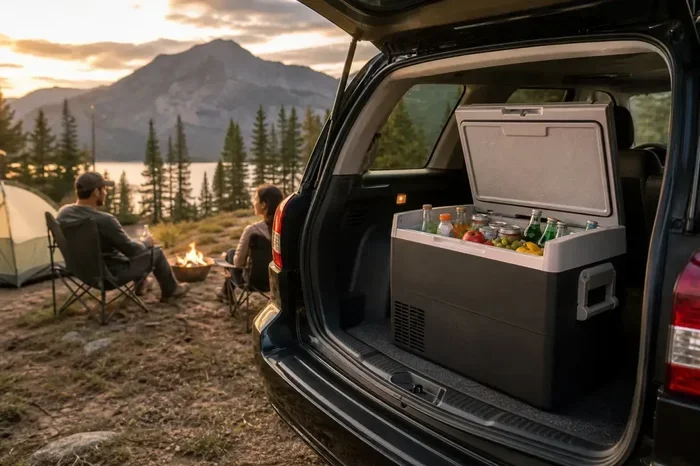
A car refrigerator with compressor is the best way to keep your food and drinks cold on camping trips and road adventures. Unlike regular coolers that melt ice fast, compressor fridges run on 12V or 24V power and maintain precise temperatures all day long. This guide covers top models, key features, and practical tips so you can pick the perfect portable fridge for your next trip.
Nothing kills the fun of a camping trip faster than warm food and melted ice. You pack your cooler the night before, load it with ice, and by midday everything is soggy and lukewarm. A car refrigerator with compressor changes all of that. These portable fridges use a real compressor cooling system, just like your home fridge, to keep your food and drinks cold for hours — even days.
If you love camping, overlanding, road trips, or just need a reliable way to store food on the go, a compressor car fridge is a game-changer. In this guide, we will walk you through everything you need to know. We cover how they work, what to look for, top models, and real-world tips from experienced campers. By the end, you will know exactly which portable car refrigerator fits your needs and budget.
Key Takeaways
- Compressor car fridges cool much faster and colder than thermoelectric or absorption coolers, reaching temperatures as low as -4°F.
- Look for models with dual-zone capability so you can store frozen and fresh items at different temperatures in one unit.
- Battery protection features are essential to prevent your car battery from dying when the engine is off.
- Top brands like Dometic, Alpicool, and Mobicool offer reliable compressor fridges with great energy efficiency.
- Size matters — choose between 20L for solo trips and 50L+ for family camping or overlanding adventures.
- Compressor fridges use less power than you think, often running on just 30-60 watts per hour on a standard car outlet.
📑 Table of Contents
- Why a Compressor Car Refrigerator Is Worth It
- How Does a Car Compressor Refrigerator Work
- Key Features to Look For When Buying
- Top Car Refrigerator With Compressor Models Reviewed
- Tips for Using Your Car Fridge on the Road
- Car Compressor Fridge vs Other Cooling Options
- Common Mistakes People Make With Car Compressor Fridges
- Expert Tips for Maximizing Your Car Fridge Performance
- Final Thoughts
Why a Compressor Car Refrigerator Is Worth It
You might wonder why you need a car refrigerator with compressor when a regular cooler works fine. The truth is, compressor fridges offer a completely different level of cooling performance. Here is why they are worth the investment.
They Cool Much Faster and Colder
A standard cooler relies on ice to keep things cold. Ice melts, and the temperature rises. A compressor fridge for camping can reach temperatures as low as -4°F or -20°C, depending on the model. That means you can actually freeze food and make ice packs inside the unit. No more worrying about warm drinks on a hot afternoon.
Compared to a thermoelectric cooler, which only drops the temperature a few degrees below the outside air, a compressor model is far superior. It uses a vapor compression cycle to actively pull heat out of the interior. This is the same technology used in household refrigerators and freezers.
They Keep a Steady Temperature
One of the best things about a portable car refrigerator is temperature consistency. A compressor fridge maintains your set temperature whether it is 80°F outside or 100°F. This matters a lot for food safety. Perishable items like meat, dairy, and leftovers stay fresh much longer in a stable cold environment.
With a regular cooler, the temperature fluctuates constantly. By evening, your food might be in the danger zone where bacteria grow fast. A compressor fridge eliminates this worry entirely.
They Save You Money Over Time
Yes, a car fridge with compressor costs more upfront than a basic cooler. But think about how much you spend on bags of ice every camping season. A compressor fridge pays for itself over time. You also waste less food because items stay fresh longer. For frequent campers and travelers, this is a smart long-term investment.
How Does a Car Compressor Refrigerator Work
Understanding how a car refrigerator with compressor works helps you appreciate what it can do. The process is simpler than it sounds.
The Compressor Cycle
A compressor fridge uses a small compressor, just like the one in a home air conditioner. Here is the basic cycle:
- The compressor pressurizes a special refrigerant gas.
- The hot, pressurized gas flows through a condenser coil on the back or bottom of the fridge, releasing heat.
- The gas cools and turns into a liquid.
- The liquid passes through an expansion valve, which drops the pressure.
- The low-pressure liquid absorbs heat from inside the fridge, cooling the interior.
- The gas returns to the compressor, and the cycle repeats.
This cycle runs continuously, which is why compressor fridges are so effective at maintaining low temperatures. The whole process is quiet and energy-efficient.
Power Sources and Flexibility
Most 12V car fridge models come with a DC power cable that plugs into your vehicle’s cigarette lighter or auxiliary outlet. Many also support AC power, so you can use them at home or at a campsite with a generator. Some advanced models even work with solar panels, making them perfect for off-grid overlanding adventures.
This flexibility is a huge advantage. You are not stuck relying on ice or a single power source. As long as you have electricity — from your car, a battery pack, or a wall outlet — your food stays cold.
Key Features to Look For When Buying
Not all car refrigerator compressor models are created equal. Before you buy, consider these important features to find the best fit for your needs.
Cooling Capacity and Size
The size you need depends on how many people you are traveling with and how long your trips last. Here is a quick guide:
- 20L to 30L: Great for solo campers or couples on weekend trips. Fits a few meals, snacks, and drinks comfortably.
- 35L to 45L: Ideal for small families or longer trips. Can store meals for three to five people.
- 50L and above: Best for large families, group camping, or overlanding expeditions where you need to store bulk supplies.
Also consider the interior layout. Some models have removable shelves, hanging baskets, and dividers that make organizing easy. A car fridge freezer combo gives you the most versatility since you can set one zone to freezing and another to refrigeration.
Power Consumption and Efficiency
One concern people have is whether a car refrigerator with compressor will drain their vehicle battery. Most quality models use between 30 and 60 watts per hour. That is less than a light bulb. A typical car battery can power a compressor fridge for 10 to 15 hours without starting the engine.
Look for models with battery protection features. These automatically shut off the fridge when your battery voltage drops to a safe level, preventing you from getting stranded with a dead battery.
Temperature Range and Control
A good compressor car fridge should offer a wide temperature range. The best models let you set temperatures from about -4°F to 68°F or higher. Digital controls make it easy to adjust the temperature precisely. Some fridges also have a fast freeze mode that drops the temperature quickly when you first load warm food inside.
Build Quality and Portability
Since you will be moving this fridge around, it needs to be durable and portable. Look for models with sturdy handles, compact designs, and materials that can handle bumps and vibrations. A car fridge for overlanding should also be low-profile enough to fit in tight spaces like truck beds, RV storage compartments, or under a car seat.
Noise Level
Compressor fridges do make some noise, but modern models are surprisingly quiet. Most run at around 35 to 45 decibels, which is about as loud as a whisper. If you are a light sleeper, look for models specifically marketed as ultra-quiet or whisper-quiet operation.
Top Car Refrigerator With Compressor Models Reviewed
Now let us look at some of the best car refrigerator with compressor options available right now. These models represent the top picks across different budgets and sizes.
Dometic CFX3 Series
The Dometic CFX3 is widely considered the gold standard in portable compressor fridges. It offers excellent cooling performance, a digital touchscreen, and Wi-Fi connectivity through a companion app. Available in 35L, 55L, and 75L sizes, it handles everything from weekend camping to extended expeditions. The dual-zone model lets you set different temperatures in each compartment. It is pricier than competitors, but the build quality and performance justify the cost.
Alpicool C20
The Alpicool C20 is a fantastic budget-friendly option that punches well above its price. This 20L compressor car fridge cools down fast, runs quietly, and uses very little power. It has a simple digital display and comes with both a DC cable and an AC adapter. It is an excellent choice for couples or solo campers who want reliable cooling without spending a fortune.
Mobicool U40
Mobicool has been making portable fridges for years, and the U40 is a solid performer. It holds 40 liters of food and drinks and offers a temperature range from -4°F to 50°F. The compressor is efficient, and the build feels sturdy. It is a great middle-ground option for families who need decent capacity at a reasonable price.
Alpicool C150
For those who need serious storage, the Alpicool C150 offers a massive 150L capacity. This is ideal for overlanders, full-time van dwellers, or large families on extended road trips. It features dual zones, a powerful compressor, and excellent energy efficiency. It takes up more space, but the cooling performance is outstanding.
Comparison Table
| Model | Capacity | Temp Range | Power Use | Price Range |
|---|---|---|---|---|
| Dometic CFX3 | 35L – 75L | -4°F to 68°F | 35-55W | Premium |
| Alpicool C20 | 20L | -4°F to 50°F | 29-45W | Budget |
| Mobicool U40 | 40L | -4°F to 50°F | 35-50W | Mid-Range |
| Alpicool C150 | 150L | -4°F to 50°F | 60-100W | Premium |
Tips for Using Your Car Fridge on the Road
Getting a car refrigerator with compressor is only half the battle. Using it correctly makes a big difference in performance and longevity. Here are practical tips that experienced campers swear by.
Pre-Chill Before You Load Food
Plug your fridge in at least 1 to 2 hours before you load food. This pre-chilling step lets the compressor reach the target temperature faster. If you load warm food directly, the compressor works overtime and uses more power. A little planning saves energy and keeps your food safer.
Keep the Lid Closed as Much as Possible
Every time you open the lid, warm air rushes in and the compressor has to work harder to cool things back down. Try to plan your snack grabs and organize items so you minimize how often you open the fridge. A good habit is to have everything ready before you open the door.
Position the Fridge Properly
Place your compressor cooler for car on a flat, stable surface. The compressor needs proper ventilation to work efficiently. Most models have ventilation grilles on the back or sides, so make sure those are not blocked. If you are using it in a car trunk, try to keep it upright and avoid tilting it more than 45 degrees.
Use a Pure Lead or Deep Cycle Battery for Off-Grid Use
If you plan to run your fridge overnight or when the car is off, invest in a quality deep cycle battery or a portable power station. A standard car battery is not designed for long discharge cycles and could be damaged. A 12V camping fridge battery setup lets you enjoy cold food and drinks even when you are parked and sleeping.
Clean and Maintain Regularly
Keep the interior clean by wiping it down after each trip. Check the door seal regularly to make sure it is tight and free of debris. A good seal prevents cold air from escaping and keeps the compressor from working harder than needed. Defrost the unit periodically if you notice ice buildup on the walls.
Car Compressor Fridge vs Other Cooling Options
To really understand the value of a car refrigerator with compressor, it helps to compare it against the other types of portable coolers on the market.
Compressor vs Thermoelectric Coolers
Thermoelectric coolers use a Peltier element to transfer heat. They are quieter and cheaper, but they can only cool about 20°F below the ambient temperature. On a 90°F day, the best you can expect is 70°F inside. A compressor fridge can reach freezing temperatures no matter the outside heat.
Thermoelectric models also use less power in mild conditions, but they struggle in hot weather. For serious camping and travel, a compressor car fridge is the clear winner.
Compressor vs Absorption Fridges
Absorption fridges use heat (often propane) to create cooling. They are popular in RVs because they can run on gas, electricity, or 12V. However, they are less efficient, heavier, and cannot reach freezing temperatures reliably. A DC car refrigerator with a compressor is lighter, more efficient, and more versatile for most camping situations.
Compressor vs Regular Ice Coolers
A regular ice cooler is the most affordable option, but it is also the least reliable. Ice melts, temperatures rise, and you constantly need to buy more ice. A compressor fridge eliminates all of these hassles. The convenience and performance difference is enormous once you make the switch.
Common Mistakes People Make With Car Compressor Fridges
Even experienced campers sometimes make mistakes that reduce the performance of their car refrigerator with compressor. Here are some common errors to avoid.
- Overpacking the fridge too tightly: Air needs to circulate inside. Leave some space between items so cold air can flow freely.
- Ignoring the power source: Not all car outlets provide continuous power while the engine is off. Check your vehicle’s manual to understand your setup.
- Placing the fridge in direct sunlight: Direct sun forces the compressor to work much harder. Shade it with a blanket or tarp for better efficiency.
- Forgetting to drain the water tank: Some models have a drain plug for condensate water. If you ignore it, water can leak inside your vehicle.
- Buying the wrong size: A fridge that is too small leads to frustration. A fridge that is too large wastes power and space. Measure your available space and plan your food storage needs carefully.
Expert Tips for Maximizing Your Car Fridge Performance
Expert Insight: “The biggest secret to getting the most out of a compressor car fridge is pre-planning,” says Jake Morrison, a seasoned overlanding guide with over 10 years of experience. “I pre-chill everything — drinks, food, even the fridge itself — before loading. I also use frozen water bottles instead of loose ice. They keep things cold longer and double as drinking water as they melt.”
Another pro tip is to organize your food in clear, stackable containers. This makes it easy to find what you need without rummaging and letting cold air escape. Label your containers so everyone in the group knows what is inside.
If you are going on a multi-day trip, freeze your meals ahead of time. Frozen food acts as extra cooling mass, helping the compressor maintain temperature with less effort. It also gives you ready-to-eat meals that thaw by mealtime.
Final Thoughts
A car refrigerator with compressor is one of the best upgrades you can make for your camping and travel setup. It keeps food fresh, drinks cold, and gives you peace of mind on the road. Whether you are a weekend warrior or a full-time overlander, the right compressor fridge makes a noticeable difference in comfort and convenience.
Take the time to choose the right size, check the key features, and follow the usage tips in this guide. You will enjoy cold food and drinks on every trip, no matter how long or how far you go. Invest in a quality car fridge compressor model, and you will never go back to regular coolers again.
Happy camping, and stay cool out there!
Frequently Asked Questions
What is the main advantage of a compressor car fridge over a regular cooler?
A car refrigerator with compressor uses active cooling technology to maintain consistent cold temperatures for much longer. Unlike regular coolers that depend on ice, compressor fridges can reach freezing temperatures and keep food fresh for days without needing ice replacement.
Will a car compressor fridge drain my vehicle battery?
Most modern 12V car fridge models are designed to be energy-efficient and use only 30 to 60 watts per hour. With a quality battery protection feature, the fridge will automatically shut off before your car battery drops to a dangerous level. Using a deep cycle battery or portable power station is recommended for extended off-grid use.
Can I use a car compressor fridge while driving?
Yes, you can absolutely use a portable car refrigerator while driving. It plugs into your car’s 12V outlet and runs on the vehicle’s electrical system. Just make sure the fridge is securely placed and the power cable is routed safely to prevent any hazards while driving.
How cold can a car compressor fridge get?
Most quality car fridge freezer combo models can reach temperatures as low as -4°F or -20°C. This is cold enough to freeze water and keep meat safely frozen for extended periods. The exact temperature range varies by model, so check the specs before purchasing.
What size car compressor fridge do I need for a family camping trip?
For a family of four on a weekend camping trip, a 35L to 45L compressor cooler for car is usually ideal. It provides enough space for meals, snacks, and drinks for several people. For longer trips or larger families, consider a 50L or larger model.
Are car compressor fridges noisy?
Modern compressor fridges are designed to run quietly, typically producing 35 to 45 decibels of noise. This is comparable to a quiet whisper or soft background music. Many campers report that they barely notice the fridge is running, especially once they fall asleep at the campsite.
=== CONCLUSION ===
A car refrigerator with compressor is a must-have for anyone who loves camping, road trips, or overlanding. It keeps your food fresh, your drinks cold, and your meals safe — all without the hassle of melting ice. From compact 20L models for solo adventurers to spacious 150L units for families, there is a perfect compressor fridge for every type of trip. Focus on the features that matter most to you, pick a trusted brand, and enjoy the freedom of having a real fridge wherever the road takes you.