Why You Need a Car Rear Camera with Display Right Now
A car rear camera with display transforms how you drive and park by giving you a clear view behind your vehicle. Backup camera systems reduce accidents, protect pedestrians, and make reversing effortless. Whether you drive a sedan or an SUV, this rearview monitor setup is a simple yet powerful car safety feature everyone should consider.
Driving a car feels simple on the surface. You turn the key, press the gas, and steer. But anyone who has spent time behind the wheel knows the truth. There are blind spots everywhere. The area directly behind your car is one of the biggest trouble zones. A car rear camera with display solves this problem in a big way. It gives you eyes where you normally have none. The result is safer driving, easier parking, and far less stress every time you hit the road.
If you have never used a backup camera with monitor, you might wonder what all the fuss is about. Think of it this way. Would you drive a car with no side mirrors? Of course not. A rear camera system works the same way. It fills in a gap that factory mirrors simply cannot cover. Today, these systems are more affordable and easier to install than ever. Whether you drive a compact car or a full-size truck, a rear camera display setup belongs in your vehicle.
Key Takeaways
- Enhanced Safety: A car rear camera with display eliminates blind spots and helps you see what’s behind you clearly.
- Easy Installation: Most systems are DIY-friendly and can be set up in under an hour without professional help.
- Parking Made Simple: Reverse parking becomes stress-free with a live feed on your dashboard monitor.
- Affordable Upgrade: You don’t need to spend a fortune to get a reliable vehicle backup camera system.
- Insurance Benefits: Many drivers see lower premiums after adding proven car safety accessories like rear cameras.
- Works in All Conditions: Modern rearview camera displays perform well in rain, fog, and low light.
📑 Table of Contents
- What Is a Car Rear Camera with Display?
- Why a Car Rear Camera with Display Matters for Safety
- Types of Car Rear Camera with Display Systems
- Key Features to Look For
- Step-by-Step Installation Guide
- Common Mistakes to Avoid
- Expert Insights on Car Rear Camera Technology
- Cost vs. Benefit: Is It Worth It?
- Final Thoughts
What Is a Car Rear Camera with Display?
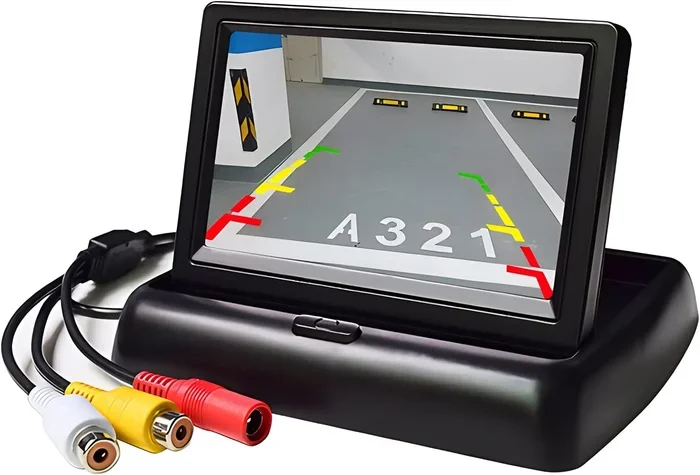
A car rear camera with display is a safety system that includes two main parts. The first part is a small camera mounted at the back of your vehicle. The second part is a screen that shows you the live feed from that camera. When you shift into reverse, the camera activates automatically. The image appears on the screen, giving you a full view of what is behind you.
These systems have come a long way over the years. Early versions offered blurry, low-resolution images. Today’s rearview camera systems deliver crisp, high-definition video even at night. Many models also include helpful extras like grid lines, wide-angle lenses, and motion sensors. The goal is simple. Make backing up safer for everyone on the road.
How Does It Work?
The technology behind a vehicle backup camera system is straightforward. The camera sends a live video signal to a dashboard monitor. This signal activates when you put the car in reverse gear. Some systems also turn on when you press a dedicated button on the dashboard. The whole process takes less than a second. You get instant visual feedback that helps you steer with precision.
Most modern car backup camera displays also include dynamic guide lines. These lines adjust based on your steering input. They show you exactly where your car will go. This feature alone has helped countless drivers avoid costly bumps and scrapes. It is one of the main reasons parking assistance technology has become so popular.
Why a Car Rear Camera with Display Matters for Safety
Safety is the number one reason to add a car rear camera with display to your vehicle. Backing-up accidents are more common than most people realize. According to safety studies, thousands of injuries happen every year from reverse collisions. Many of these involve children and pets who are hard to see from the driver’s seat. A rearview monitor changes that equation completely.
When you can see behind your car in real time, you make fewer mistakes. You spot obstacles before it is too late. You notice kids running behind the vehicle. You see low walls, curbs, and small objects that would otherwise go unnoticed. This kind of driver assistance technology does not just protect your car. It protects the people around you.
Blind Spot Reduction
Every vehicle has blind spots. These are areas around the car that you cannot see through your mirrors or by turning your head. The rear blind zone is especially dangerous because it is completely hidden from view. A car backup camera eliminates this blind zone entirely. You get a wide, clear view that covers the entire area behind your vehicle.
Some advanced car safety features combine the rear camera with sensors. These systems alert you when an object is too close. The camera feed on your dashboard screen shows you exactly what is happening. Together, the camera and sensors create a powerful safety net that every driver deserves.
Protecting Pedestrians and Children
Driveways, parking lots, and school zones are high-risk areas for children. A small child can be completely hidden from a driver’s view. A rear camera display gives you the visibility you need to spot them. This simple car accessory can prevent tragic accidents and save lives. No price tag can measure the value of that kind of protection.
Many countries now require new cars to include rearview cameras. This rule change proves how important this technology is. If your older vehicle does not have one, adding a car rear camera with display is one of the best upgrades you can make. It brings your vehicle up to modern safety standards.
Types of Car Rear Camera with Display Systems
Not all backup camera systems are the same. Different drivers have different needs, budgets, and preferences. Understanding the options helps you choose the right one. Here are the most common types of rearview camera displays available today.
Built-In Factory Systems
Some newer cars come with a rear camera with display already installed. These factory systems are often integrated into the infotainment screen. They look clean and work seamlessly. However, they only come with the car. If you drive an older model, you will need an aftermarket solution.
Aftermarket Retrofit Kits
Aftermarket car camera systems are the most popular choice for upgrading older vehicles. These kits include everything you need. You get a camera, a wiring harness, and a small monitor. The installation is usually straightforward. Many car owners complete the setup in their garage over a weekend. These vehicle backup camera systems are also very affordable compared to factory options.
Mirror-Mounted Displays
A mirror-mounted display replaces your existing rearview mirror with a smart screen. The camera feed appears right in your line of sight. This design keeps your dashboard clean and uncluttered. It is a great option for drivers who want a rearview monitor without a bulky add-on screen. Many car tech enthusiasts prefer this sleek, modern approach.
GPS-Enabled Camera Systems
Some premium car rear camera with display units include GPS navigation. These all-in-one systems give you a camera and a map in one device. You get route guidance and a live rearview feed on the same screen. They cost more but offer excellent value for drivers who want multiple features in one unit.
Key Features to Look For
Shopping for a car rear camera with display can be overwhelming. There are so many brands, models, and features to consider. Here are the most important things to look for when choosing your system.
Image Quality and Resolution
The whole point of a rear camera is visibility. You need a clear, sharp image to make good decisions. Look for a car backup camera with at least 720p resolution. Higher is better, especially if you drive in low-light conditions. A high-quality rearview camera display makes it easy to see small objects, curbs, and pedestrians clearly.
Night Vision Capability
You back up at night more often than you might think. Leaving a parking lot after dark, pulling into your garage, or reversing out of a driveway at dusk. A car rear camera with display that includes night vision uses infrared technology. It captures clear images even in total darkness. This feature is a game-changer for driving safety.
Wide-Angle Lens
A wide-angle lens gives you a broader view behind your car. Most rear cameras offer a 120 to 170-degree field of view. The wider the angle, the more you can see. Just be aware that wide lenses can distort the edges of the image. Choose a camera with a balanced field of view that minimizes distortion while maximizing coverage.
Dynamic Guide Lines
Dynamic guide lines are one of the most useful features on any car rear camera with display. These lines move as you turn the steering wheel. They show you the projected path of your vehicle. This feature makes parallel parking and tight-space maneuvering much easier. It is a small detail that makes a huge difference.
Weather Resistance
Your rear camera will face rain, snow, and extreme temperatures. Make sure the camera housing is rated IP67 or higher for water and dust resistance. A durable car accessory like this should last for years without issues. Check the build quality before you buy.
Easy Installation
Not everyone is a mechanic. Look for a vehicle backup camera system that comes with clear instructions and plug-and-play wiring. Many modern kits require no cutting or splicing. You can install them in 30 to 60 minutes with basic tools. If you are not comfortable doing it yourself, a local auto shop can handle the job for a reasonable fee.
Step-by-Step Installation Guide
Installing a car rear camera with display is easier than most people think. With the right tools and a little patience, you can have it done in an afternoon. Here is a simple walkthrough of the process.
What You Will Need
- Your backup camera kit (camera, monitor, and wiring harness)
- A Phillips head screwdriver
- A drill with appropriate bits (for mounting the camera)
- Electrical tape and zip ties
- A helper to test the camera feed
Step 1: Mount the Camera
Start by choosing the right spot for the camera. Most drivers mount it on the license plate bracket or the tailgate. Make sure the camera is centered and at the right height. Use the provided screws to secure it in place. Run the wiring harness along the underside of the car toward the front.
Step 2: Connect the Wiring
Route the camera cable through the trunk or under the rear trim panel. Connect it to the reverse light power source. This ensures the camera turns on automatically when you shift into reverse. Use zip ties to secure the cable neatly. Avoid leaving loose wires that could get caught or damaged.
Step 3: Install the Monitor
Mount the dashboard monitor in your preferred location. Common spots include the windshield, the dashboard, or the rearview mirror. Make sure it does not block your forward view. Connect the monitor to the camera cable and test the feed. You should see a clear image when you put the car in reverse.
Step 4: Test Everything
Before you call it done, test the system thoroughly. Put the car in reverse and check the image quality. Look at the brightness, color, and clarity. Adjust the camera angle if needed. Make sure the guide lines align properly with your vehicle’s path. A quick test now saves headaches later.
Common Mistakes to Avoid
Adding a car rear camera with display is simple, but mistakes can happen. Here are the most common errors drivers make and how to avoid them.
Skipping the Manual
Every car camera system comes with an installation manual. Skipping it is the fastest way to make a mistake. Read through the instructions before you start. Understand each step before moving on. This small investment of time saves you from miswiring or mounting the camera at the wrong angle.
Choosing the Wrong Camera Location
Where you mount the camera matters a lot. Placing it too low can block the lens with dirt and debris. Placing it too high can distort your view of the ground directly behind the car. Find the sweet spot that gives you the clearest, most accurate image of the area behind your vehicle.
Ignoring Cable Management
Loose cables are a safety hazard. They can rattle while driving, catch on things, or work loose over time. Use zip ties and cable clips to keep everything secure. Neat cable management also makes your car interior look cleaner and more professional.
Forgetting to Test in All Conditions
Test your rearview camera display in different lighting conditions. Check it during the day, at night, and in the rain. This ensures the system works reliably whenever you need it. A camera that only works in perfect daylight is not very useful in the real world.
Expert Insights on Car Rear Camera Technology
We spoke with automotive safety experts about the impact of car rear camera with display technology. Their insights reinforce what the data shows. These systems are one of the most effective driving safety tools available today.
“A rearview camera is one of the simplest yet most impactful safety upgrades a driver can make,” says automotive safety researcher Dr. Sarah Chen. “It reduces backup collisions significantly and gives drivers confidence in tight spaces.”
Industry analysts also point to the growing adoption of driver assistance technology in vehicles of all ages. What was once a luxury feature is now an affordable necessity. The National Highway Traffic Safety Administration has made rearview cameras mandatory in new cars, and that trend is driving innovation across the aftermarket market.
The car tech industry continues to evolve rapidly. New features like object detection, motion-activated recording, and smartphone integration are making rearview camera systems even more valuable. If you have not yet upgraded your vehicle, now is the best time to do it.
Cost vs. Benefit: Is It Worth It?
The cost of a car rear camera with display varies widely. Basic kits start around $30 and go up to $300 or more for premium models. Professional installation adds another $50 to $150 depending on your location and vehicle type. Compared to the cost of a bumper repair or a collision claim, the investment is very small.
Beyond the financial aspect, consider the peace of mind a vehicle backup camera system provides. You know exactly what is behind you every time you reverse. You protect your family, your car, and others on the road. That kind of security is priceless. Many insurance companies also offer discounts for vehicles equipped with proven car safety features like rear cameras.
Think of it this way. A car rear camera with display costs less than a single trip to the body shop. It pays for itself the first time it helps you avoid a bump, a scrape, or a more serious accident. The return on investment is undeniable.
Final Thoughts
A car rear camera with display is one of the smartest upgrades you can make to any vehicle. It is affordable, easy to install, and delivers real safety benefits every single time you drive. Whether you parallel park daily, have a busy family, or simply want more confidence behind the wheel, this technology has something to offer everyone.
The road is unpredictable. Blind spots are real. Accidents happen in seconds. A backup camera with monitor gives you the edge you need to stay safe and avoid costly mistakes. Do not wait for an incident to remind you how valuable this simple car safety feature can be. Upgrade your vehicle today and enjoy the confidence that comes with a clear view of what is behind you.
Take the time to research your options, choose a quality rearview camera display system, and install it properly. Your future self, your family, and everyone on the road will thank you. A car rear camera with display is not just a gadget. It is a smart, practical investment in your safety and your driving experience.
Frequently Asked Questions
Is a car rear camera with display hard to install?
No, most car rear camera with display kits are designed for easy DIY installation. They come with clear instructions and plug-and-play wiring. If you can handle basic car tasks, you can install one yourself in under an hour.
Can I add a rear camera to an older car?
Absolutely. Aftermarket vehicle backup camera systems work with vehicles of any age. You can find kits that fit sedans, SUVs, trucks, and even classic cars. The installation process is the same regardless of the vehicle model.
Do rear cameras work at night?
Yes, most quality car backup camera displays include night vision or infrared capabilities. These cameras capture clear images in low-light and dark conditions. Look for a model with this feature if you frequently drive or park at night.
How much does a car rear camera with display cost?
Prices range from about $30 for basic kits to $300 or more for advanced systems with GPS and smart features. Professional installation typically adds $50 to $150. Overall, it is one of the most affordable car safety upgrades you can make.
Will a rear camera lower my car insurance?
Some insurance companies offer discounts for vehicles equipped with proven car safety accessories like rear cameras. Contact your insurance provider to ask about available discounts. Even if there is no discount, the safety benefits alone make it worthwhile.
What resolution should I look for in a rear camera?
Aim for at least 720p resolution for a clear and sharp image. Higher resolutions like 1080p provide even better detail, especially at night. A good rearview camera display with HD resolution makes a noticeable difference in visibility and safety.
=== CONCLUSION ===
A car rear camera with display is a simple upgrade that delivers powerful results. It boosts your safety, makes parking easier, and gives you confidence every time you reverse. With affordable options and straightforward installation, there is no reason not to make this upgrade. Choose the right backup camera system for your needs, install it properly, and enjoy the peace of mind that comes with a clear view of the road behind you.