Why Your Car Front Bumper Camera Is a Game Changer
A car front bumper camera is one of the smartest upgrades you can make to your vehicle. It gives you a clear view of what’s ahead, helps you park with ease, and boosts overall road safety. Whether you drive a sedan, SUV, or truck, this small device can make a big difference. Keep reading to learn why this simple add-on is changing the way we drive.
A car front bumper camera is a small but powerful tool that changes how you see the road. It mounts on the front of your vehicle and gives you a live feed of what’s ahead. This tiny camera can help you avoid accidents, park better, and feel more confident behind the wheel.
More drivers are adding this device to their cars every day. The reason is simple. A front bumper camera fills the blind spots that mirrors can’t cover. It also records everything happening on the road, which can be a lifesaver in tricky situations. In this guide, we will walk you through everything you need to know about car front bumper cameras. From the benefits to the types available, we have you covered.
Whether you are a new driver or a seasoned one, this article will help you make a smart choice. Let’s dive in and explore why a car front bumper camera might be the best upgrade you ever make.
Key Takeaways
- Enhanced Safety: A car front bumper camera gives you a clear view of the road ahead, helping you avoid collisions and react faster to hazards.
- Easier Parking: With a live feed on your dashboard, parking and low-speed maneuvers become much simpler and more precise.
- Legal Protection: Recorded footage from your front bumper camera system can serve as valuable evidence in accidents and insurance claims.
- Multiple Types Available: From single-lens to dual-lens, wired to wireless, there is a car front bumper camera to fit every budget and vehicle type.
- Easy to Install: Most kits are plug-and-play and can be set up in under an hour with basic tools.
- Night Vision Matters: Choose a model with good low-light performance and HDR for clear footage around the clock.
- Worth the Investment: The small cost of a car front bumper camera pays off in safety, convenience, and long-term peace of mind.
📑 Table of Contents
- What Is a Car Front Bumper Camera and How Does It Work?
- Top Benefits of Having a Car Front Bumper Camera
- Types of Car Front Bumper Cameras Available
- How to Choose the Right Front Bumper Camera for Your Vehicle
- Installation Tips and Common Mistakes to Avoid
- Final Thoughts: Why a Car Front Bumper Camera Is Worth It
What Is a Car Front Bumper Camera and How Does It Work?
How a Front Bumper Camera System Works
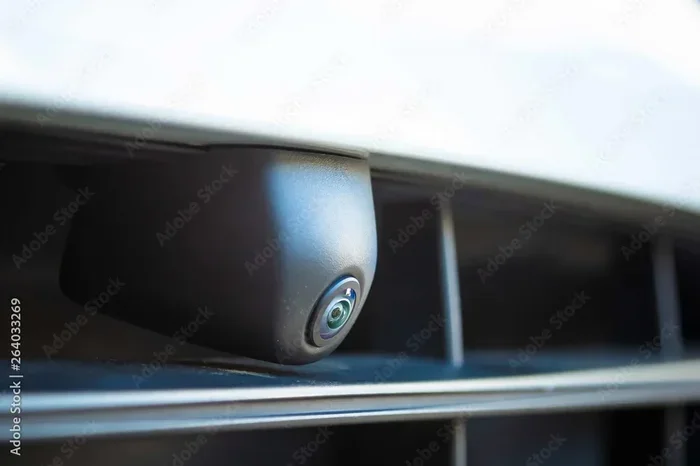
A car front bumper camera is a small camera that attaches to the front bumper of your vehicle. It captures video of the road ahead and sends it to a screen inside your car. Some systems connect to your existing infotainment display. Others come with their own small monitor.
The camera lens sits at the front of the bumper. It is usually waterproof and built to handle bumps and weather. When you turn on the ignition, the camera powers up and starts feeding live video to your screen. This gives you a clear view of the road, even in tight spaces or low light.
Most front bumper camera systems use a wide-angle lens. This lets you see more of the road ahead. Some models also include built-in sensors or radar to help with collision warnings. The whole setup is designed to make driving safer and easier.
Key Components of a Car Front Bumper Camera
Here are the main parts you will find in a typical bumper camera for car setup:
- Camera Unit: This is the part that mounts on the bumper. It houses the lens and sensor.
- Display Screen: Shows the live feed from the camera. It can be a standalone unit or your car’s built-in screen.
- Wiring Harness: Connects the camera to the power source and display. Most kits come with all the wires you need.
- Mounting Bracket: Holds the camera securely in place on the front bumper.
- Built-In Sensors (in advanced models): These can detect obstacles and give you audio or visual alerts.
All of these parts work together to give you a clear view of the road ahead. A good car front bumper camera kit includes everything you need for a smooth setup.
Top Benefits of Having a Car Front Bumper Camera
Safer Driving and Collision Prevention
The biggest reason to add a car front bumper camera is safety. Driving can be unpredictable. Other drivers make sudden moves. Pedestrians step out without looking. A front bumper camera gives you an extra set of eyes.
With a live feed on your dashboard, you can see what is coming before it becomes a problem. This is especially helpful in heavy traffic or on narrow roads. Many car safety camera systems also include forward collision warnings. These alerts give you precious seconds to react and avoid a crash.
Studies show that driver assistance tools like front cameras can reduce accidents. A car front bumper camera is a simple way to add this protection to your daily drive.
Easier Parking and Low-Speed Maneuvers
Parking can be stressful, especially in tight spaces. A front bumper camera for car makes it much easier. You can see curbs, walls, and other vehicles clearly. This helps you park perfectly every time, without guessing.
It is also very useful when navigating narrow driveways or crowded parking lots. Instead of leaning forward to see the front of your car, you just look at the screen. This small change makes a big difference in confidence and control.
For truck and SUV drivers, this benefit is even greater. Larger vehicles have bigger blind spots. A bumper mounted camera helps you see the full picture, especially when loading or unloading.
Insurance and Legal Protection
Another great benefit of a car front bumper camera is the legal protection it offers. If you are ever in an accident, the recorded footage can be your best friend. It shows exactly what happened and who was at fault.
Insurance companies often look at dashcam and bumper camera footage to settle claims faster. Having clear video evidence can save you from disputes and higher premiums. A car front bumper camera is like having a witness that never forgets what it saw.
Quick Tips
- Always format your memory card regularly to keep footage clear.
- Set your camera to auto-record so it never misses an event.
- Place the camera lens where it has a clear, unobstructed view of the road.
Types of Car Front Bumper Cameras Available
Single-Lens vs Dual-Lens Cameras
Single-lens front bumper cameras are the most common type. They have one camera lens that faces forward. These are simple, affordable, and easy to install. They work great for most drivers who just want a clear view of the road ahead.
Dual-lens cameras offer more coverage. They have two lenses: one facing forward and one facing backward or to the side. This gives you a wider field of view. Dual-lens systems are great for drivers who want full front and rear coverage in one unit.
Wired vs Wireless Systems
Wired front bumper camera systems connect directly to your car’s electrical system. They tend to be more reliable and offer a cleaner setup. The downside is that installation can be more involved. You may need to route wires behind the dashboard.
Wireless systems send the video signal from the camera to the display without wires. They are easier to install and look cleaner. However, wireless signals can sometimes face interference. For most drivers, a wired car front bumper camera kit offers the best balance of reliability and performance.
Comparison Table
| Feature | Single-Lens | Dual-Lens |
|---|---|---|
| Number of Lenses | 1 (front-facing) | 2 (front and rear/side) |
| Price Range | $30 – $150 | $80 – $300 |
| Installation Difficulty | Easy | Moderate |
| Field of View | Narrow to Wide | Wide (front + rear) |
| Best For | Budget-conscious drivers | Full coverage seekers |
| Night Vision | Common in mid-range models | Standard in most models |
When choosing between these types, think about your budget and what you need most. A simple front bumper camera for car setup can cost as little as $30. More advanced car front bumper camera systems with dual lenses can run $200 or more. Both options offer great value.
How to Choose the Right Front Bumper Camera for Your Vehicle
Match the Camera to Your Vehicle Type
Not all car front bumper cameras are the same. The right one depends on your vehicle type. Sedans and compact cars need smaller, slimmer camera units. Trucks and SUVs may need larger cameras with wider lenses to cover the bigger front end.
If you drive a pickup truck or a large SUV, look for a front bumper camera for trucks. These models are built to handle higher bumper mounts and wider grilles. They also tend to have stronger weatherproofing for tougher driving conditions.
Resolution, Night Vision, and Field of View
Resolution matters a lot when picking a car front bumper camera. Look for at least 1080p Full HD. This gives you sharp, clear footage during the day and at night. Higher resolution like 4K is great but not always necessary.
Night vision is a must-have feature. You drive at night, and a car safety camera should work just as well in the dark. Look for cameras with HDR (High Dynamic Range) and large sensor sizes. These features improve low-light performance significantly.
The field of view, or FOV, determines how much of the road you can see. A wider FOV (around 120 to 150 degrees) is usually best for front bumper cameras. It gives you more coverage without too much distortion at the edges.
Easy Installation and Wiring
Some car front bumper camera kits are plug-and-play. They connect to your reverse light wire and display on your screen automatically. These are perfect if you want a quick and easy setup.
Other kits require hardwiring into the car’s electrical system. This gives a cleaner look and constant power. If you are not comfortable with wiring, consider hiring a professional. Many auto shops can install a bumper camera for car in under an hour.
Expert Insights
Auto experts recommend choosing a car front bumper camera from a reputable brand with good customer support. A well-known car camera system brand will offer better durability, clearer footage, and easier troubleshooting if anything goes wrong. Spending a little more upfront can save you a lot of headaches later.
Installation Tips and Common Mistakes to Avoid
DIY Installation Steps
Installing a car front bumper camera is easier than most people think. Here is a simple step-by-step guide:
- Choose the mounting spot: Pick a clean, flat area on the front bumper, usually near the license plate or center grille.
- Clean the surface: Use rubbing alcohol to wipe the area. This ensures the mount sticks properly.
- Attach the camera bracket: Secure the bracket with screws or adhesive, depending on your kit.
- Mount the camera unit: Click the camera into the bracket and adjust the angle to face the road.
- Route the wiring: Run the wire along the bumper and into the cabin. Use trim removal tools to access the behind-dash area safely.
- Connect to power and display: Tap into the reverse light wire for power. Connect the video cable to your infotainment screen or standalone monitor.
- Test the system: Turn on the car and check the feed. Adjust the camera angle if needed for the best view.
Common Mistakes to Avoid
Even with a simple install, mistakes can happen. Here are the most common ones:
- Wrong camera angle: If the camera points too high or too low, the view will be useless. Take time to adjust the angle before finalizing the mount.
- Poor wire routing: Loose wires can rattle, get caught, or even damage your car’s paint. Use zip ties and wire covers to keep everything neat.
- Ignoring waterproofing: The front bumper gets hit by rain, snow, and road spray. Make sure all connections are sealed and the camera is rated for outdoor use.
- Using the wrong power source: Always connect to a constant or switched 12V power source. Never tap into airbag wiring or other safety-critical systems.
Quick Tips for a Clean Install
- Use a template or masking tape to mark drill holes before you start.
- Label all wires before disconnecting anything from your car’s factory system.
- Test the camera feed before hiding any wires behind the trim.
- Apply dielectric grease to all connectors to prevent corrosion.
Common Mistakes Section
The biggest mistake drivers make is buying the cheapest car front bumper camera without checking reviews. A poor-quality camera may have blurry footage, fail in rain, or stop working after a few months. Always read car front bumper camera reviews and pick a model with solid ratings and a good warranty.
Final Thoughts: Why a Car Front Bumper Camera Is Worth It
A car front bumper camera is one of the most practical upgrades you can make to your vehicle. It boosts safety, simplifies parking, and gives you peace of mind every time you drive. The cost is small compared to the protection and convenience it offers.
Whether you choose a basic front bumper camera for car setup or a full-featured car front bumper camera system, you are making a smart investment. Modern car camera systems are reliable, easy to install, and work in all weather conditions.
Think about how much time you spend driving each week. Every trip, a car front bumper camera is there to help you see more, react faster, and drive with greater confidence. It is not just a gadget. It is a tool that genuinely makes you a better, safer driver.
So go ahead and give your car the upgrade it deserves. A car front bumper camera is a game changer, and you will wonder how you ever drove without one.
Frequently Asked Questions
Can I install a car front bumper camera myself?
Yes, most car front bumper camera kits are designed for DIY installation. They come with detailed instructions and all the mounting hardware you need. If you are comfortable with basic car wiring, you can have it done in about an hour.
Does a car front bumper camera work in bad weather?
Most quality front bumper camera for car units are waterproof and built to handle rain, snow, and dust. Look for an IP67 or IP68 rating to ensure reliable performance in all weather conditions.
How much does a car front bumper camera cost?
Prices vary widely. Basic bumper camera for car kits start around $30, while advanced dual-lens systems with full HD and night vision can cost $150 to $300. The price depends on features, brand, and video quality.
Will a front bumper camera drain my car battery?
Most car front bumper camera systems draw very little power. They only activate when you reverse or when the ignition is on. This means they will not drain your battery during normal use.
What resolution should I look for in a car front bumper camera?
At minimum, look for 1080p Full HD resolution. This gives you sharp, clear footage for both daytime and nighttime driving. If budget allows, 4K cameras offer even more detail, but 1080p is the sweet spot for most drivers.
Can a car front bumper camera record audio as well?
Many car front bumper camera models do include built-in microphones for audio recording. However, some regions have laws against recording audio without consent. Check your local laws before relying on audio recording features.