Why Black Smoke From Car Happens And How To Fix It
Black smoke from car exhaust is a clear sign that your engine is burning too much fuel. This problem can stem from dirty fuel injectors, a clogged air filter, or a rich fuel mixture. Understanding the root cause helps you fix it quickly and avoid costly repairs. In this guide, we walk you through every cause, symptom, and solution so you can get back on the road with confidence.
You are driving down the road. Then you notice something unsettling. Thick black smoke from car tailpipe is rolling out behind you. Your heart drops a little. What is going on under the hood? This is a moment every driver dreads. But here is the good news. Black exhaust smoke is one of the most common engine problems. And most of the time, it is fixable. In this guide, we will break down exactly why this happens and how you can solve it. Whether you drive a gasoline car or a diesel engine, this article has you covered.
Black smoke from car exhaust means your engine is burning too much fuel. This is called a rich fuel mixture. When the fuel-to-air ratio gets out of balance, the combustion chamber cannot burn all the fuel completely. The result is dark, thick smoke pouring out of your exhaust system. It smells bad. It looks worse. And if you ignore it, it can lead to expensive damage. Let us explore the causes, symptoms, and fixes in detail.
Key Takeaways
- Fuel system issues are the #1 cause: Dirty injectors, faulty fuel pressure regulators, and a rich fuel mixture lead to black exhaust smoke.
- Air intake problems matter too: A clogged air filter starves your engine of oxygen, causing incomplete combustion and dark smoke.
- Diesel engines face unique challenges: Turbocharger failures and injector timing problems are common culprits in diesel vehicles.
- DIY fixes can save you money: Replacing filters, cleaning injectors, and checking sensors are steps you can handle at home.
- Ignoring the problem makes it worse: Prolonged black smoke can damage your catalytic converter, pistons, and valve seals over time.
- Regular car maintenance prevents the issue: Scheduled oil changes, fuel filter replacements, and air filter checks keep your engine healthy.
- Professional help is needed for serious cases: Internal engine damage like worn piston rings requires a mechanic’s expertise.
📑 Table of Contents
What Causes Black Smoke From Your Car
There are several reasons why your car might produce black exhaust smoke. Each cause affects the engine differently. Let us look at the most common ones so you can start narrowing down the problem.
Rich Fuel Mixture Issues
The most frequent cause of black smoke from car is a rich fuel mixture. This means too much fuel is entering the combustion chamber compared to air. Your engine needs a precise balance. When that balance tips, fuel does not burn completely. The excess fuel exits as dark smoke through the exhaust system.
Several things can cause a rich fuel mixture. A faulty fuel pressure regulator is a big one. This part controls how much fuel goes to the engine. When it fails, it sends too much. A bad oxygen sensor can also be the problem. This sensor measures oxygen levels in the exhaust. If it sends wrong readings to the ECU, the engine dumps extra fuel thinking it needs it.
Another common cause is a leaking fuel injector. Even when closed, a worn injector can drip fuel into the combustion chamber. Over time, this adds up. The fuel injection system gets overwhelmed. And your car starts puffing out black smoke.
Faulty Fuel Injectors
Fuel injectors spray fuel into the combustion chamber in a fine mist. They need to be clean and precise. When an injector gets clogged or dirty, it sprays unevenly. Some cylinders get too much fuel. Others get too little. This imbalance creates black exhaust smoke and rough engine performance.
In diesel engines, injector problems are even more common. Diesel fuel injectors work under extreme pressure. Over time, carbon buildup gums them up. The spray pattern gets distorted. Fuel does not atomize properly. This leads to incomplete combustion and visible dark smoke from the tailpipe.
Dirty Air Filter Problems
Your engine needs air to burn fuel efficiently. The air filter keeps dirt and debris out. But over time, it gets clogged. A dirty air filter restricts airflow. Less air means more fuel relative to oxygen. The result is a rich mixture and black smoke from car exhaust.
This is one of the simplest causes to fix. Replacing an air filter is cheap and easy. Most car owners can do it in minutes. Yet many people skip regular car maintenance and let the filter get completely blocked. Do not let this happen to you. Check your air filter every few months.
Diesel Engine Specific Causes
If you drive a diesel vehicle, you have additional things to watch for. Diesel engines compress air and inject fuel differently than gasoline engines. This means they have unique failure points when it comes to black exhaust smoke.
A failing turbocharger is a major diesel problem. The turbocharger forces extra air into the combustion chamber. When it leaks or fails, air pressure drops. The engine compensates by adding more fuel. This creates a rich mixture and dark smoke. A damaged turbocharger seal can also let oil leak into the intake, adding to the problem.
Injector timing issues are another diesel-specific cause. The ECU controls when injectors fire. If the timing is off, fuel enters the chamber at the wrong moment. It does not combust fully. This produces thick black smoke and reduces combustion efficiency significantly.
Common Symptoms To Watch For
Black smoke does not just appear randomly. Your car usually gives you warning signs first. Learning to spot these symptoms early can save you from bigger repairs later.
Visual Signs From the Exhaust
The most obvious symptom is the smoke itself. Black smoke from car exhaust is dark and often has a strong fuel smell. It tends to be thicker when you accelerate or rev the engine. You might also notice the smoke smells like unburned fuel. This is a clear indicator that combustion is incomplete.
Pay attention to when the smoke appears. Does it happen at idle? Under acceleration? At highway speeds? The timing gives clues about the cause. Smoke during acceleration often points to fuel injector problems. Smoke at idle might indicate a faulty oxygen sensor or fuel pressure regulator.
Performance Changes in Your Vehicle
Your car will tell you more than just through smoke. A rich fuel mixture affects how the vehicle drives. You might notice reduced fuel economy. The engine feels sluggish or unresponsive. Acceleration feels weak even when you press the pedal harder.
Some drivers also report an engine misfire when the fuel mixture is too rich. Unburned fuel can foul spark plugs. This leads to rough idling and hesitation during acceleration. The engine misfire is your car’s way of saying something is seriously wrong with the combustion process.
You may also notice a rough idle. The engine shakes or sounds uneven when stopped at a light. This happens because some cylinders are receiving too much fuel while others are starved. The imbalance creates vibration and poor performance.
How To Diagnose The Problem
Before you start replacing parts, you need to find the real cause. Diagnosing black smoke from car issues involves a few key steps. You do not need to be a professional mechanic. But you do need to be methodical.
Using Diagnostic Tools
Modern cars have an onboard diagnostics system. An OBD2 scanner can read error codes from the ECU. These codes point you toward the problem area. For example, a code related to the oxygen sensor tells you to check that sensor first. A fuel pressure code directs you to the fuel system.
A fuel pressure gauge is another helpful tool. You can attach it to the fuel rail and check if pressure is too high. High fuel pressure often means the regulator is failing. This is a quick test that gives you clear answers.
Visual Inspection Steps
Start with the basics. Pull out the air filter and hold it up to light. If no light passes through, it is time for a replacement. Next, look at the fuel injectors. Check for visible leaks or fuel residue around the injector ports. You can also inspect the fuel lines for cracks or leaks.
Check the turbocharger if you drive a diesel. Look for oil leaks around the turbo seals. Listen for unusual whining sounds. A damaged turbocharger often makes distinctive noise. Also inspect the exhaust system for any blockages. A clogged catalytic converter can restrict exhaust flow and contribute to smoke problems.
Step-by-Step Fixes For Black Smoke
Once you know the cause, fixing black smoke from car becomes much easier. Some repairs are simple DIY jobs. Others need a professional touch. Let us walk through the solutions.
Simple Fixes You Can Do At Home
Start with the easiest and cheapest solutions first. Replace the air filter if it is dirty. This takes five minutes and costs under twenty dollars. Next, check your fuel filter. A clogged fuel filter restricts fuel flow and causes pressure imbalances. Replacing it is straightforward and can make a noticeable difference.
If your car has a removable MAF sensor, clean it with a dedicated cleaner spray. The mass airflow sensor measures incoming air. When it is dirty, it sends incorrect data to the ECU. This can cause the engine to inject too much fuel. A clean sensor helps restore the correct fuel-to-air ratio and reduces black exhaust smoke.
You can also try a fuel system cleaner additive. Pour it into your gas tank and let it work over a few tanks of fuel. This helps dissolve carbon deposits on fuel injectors and intake valves. It is not a cure for everything. But for mild cases, it can significantly improve combustion efficiency.
Professional Repairs You May Need
Some causes require a mechanic’s expertise. If the fuel pressure regulator is faulty, it needs replacement. This part is located on the fuel rail and requires some mechanical skill to swap out. A mechanic can do it quickly and test the new regulator properly.
Worn fuel injectors need professional cleaning or replacement. A shop can use ultrasonic cleaning equipment to restore clogged injectors. If cleaning does not work, new injectors are the answer. This is a more expensive repair but essential for proper engine performance.
For diesel engines, a failing turbocharger needs professional assessment. Turbo repairs are complex. A mechanic can test the unit and determine if it needs rebuilding or full replacement. Similarly, internal engine problems like worn piston rings or damaged valve seals require a full engine inspection. These issues cause oil and fuel to leak into the combustion chamber, producing thick black smoke from car exhaust.
Prevention Tips To Keep Your Engine Clean
The best way to deal with black smoke from car is to prevent it from happening in the first place. Regular maintenance goes a long way in keeping your engine healthy and your exhaust clean.
Regular Maintenance Schedule
Stick to your manufacturer’s maintenance schedule. Change your oil on time. Fresh oil lubricates engine parts and prevents carbon buildup. Replace your fuel filter at recommended intervals. This keeps debris out of the fuel system and protects the injectors.
Get your air filter checked every oil change. A clean air filter ensures proper airflow into the engine. Also, have your spark plugs inspected regularly. Worn spark plugs contribute to incomplete combustion and can make smoke problems worse. A fuel injection system cleaning every 30,000 miles helps keep everything running smoothly.
Fuel Quality Matters
Not all fuel is created equal. Low-quality fuel contains more impurities and contaminants. These can clog injectors and foul combustion chambers over time. Try to fill up at reputable stations. Consider using a fuel additive periodically to clean your fuel system from the inside.
For diesel owners, use diesel exhaust fluid (DEF) as required. This helps the catalytic converter process emissions properly. It also reduces soot and particulate matter that contributes to dark smoke. Treating your fuel system well pays off in cleaner operation and better combustion efficiency.
When To See A Mechanic
Some black smoke from car issues are manageable at home. But others demand professional attention. Knowing when to seek help saves you time, money, and prevents further damage.
Warning Signs You Should Not Ignore
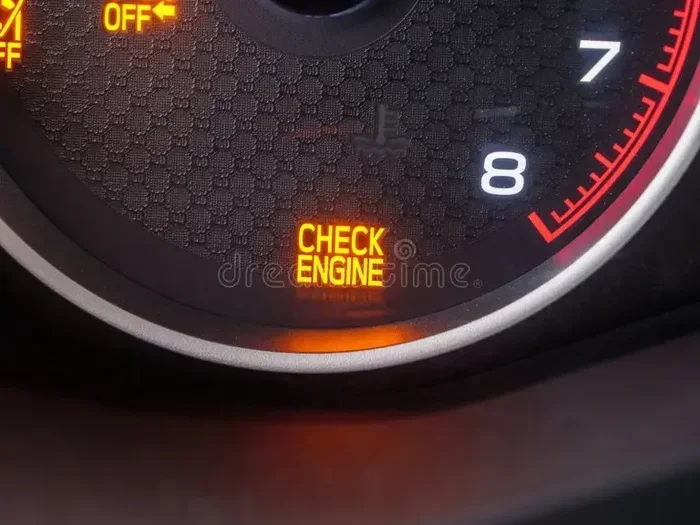
If the smoke is accompanied by a check engine light, do not delay. The warning light combined with exhaust smoke suggests a serious sensor or system failure. Similarly, if you notice a significant loss of power or the engine starts stalling, these are red flags. They indicate the problem has moved beyond simple fixes.
White smoke mixed with black smoke can mean coolant is entering the combustion chamber. This is a sign of a head gasket issue. Head gasket repairs are expensive but necessary. Ignoring them can destroy your engine completely. If you see any blue-tinted smoke along with the black, it could mean oil is burning. This points to worn valve seals or piston rings.
Any smoke that persists after you have tried basic fixes deserves professional diagnosis. A mechanic can perform a compression test, check cylinder leakage, and inspect the entire exhaust system. Catching problems early through car maintenance keeps your vehicle running longer and safer.
Conclusion
Black smoke from car exhaust is your engine’s way of telling you something is wrong. It is not something to ignore or brush off. The causes range from simple fixes like a dirty air filter to serious issues like worn piston rings or a failing turbocharger. The key is to act quickly and diagnose the problem correctly.
Start with the basics. Check your air filter, fuel filter, and sensors. Clean or replace parts as needed. Use fuel system cleaners to maintain the fuel injection system. If the problem persists, do not hesitate to visit a trusted mechanic. Regular car maintenance and quality fuel go a long way in preventing this issue from ever happening.
Your car works hard for you every day. Returning the favor with proper care keeps it running clean, efficient, and reliable. Do not let black smoke take a toll on your engine or your wallet. Take action today and enjoy the peace of mind that comes with a well-maintained vehicle.
Frequently Asked Questions
Can I still drive my car if it is producing black smoke?
You can drive a short distance, but it is not recommended. Black smoke means your engine is burning too much fuel. Continuing to drive this way can damage the catalytic converter, increase fuel consumption, and worsen internal engine wear. Get it checked as soon as possible to avoid costly repairs down the road.
Is black smoke from car more common in diesel engines?
Yes, diesel engines are more prone to producing black exhaust smoke. This is because diesel fuel is denser and harder to combust completely. Issues like turbocharger failures, injector timing problems, and air intake restrictions are more common in diesel vehicles. However, gasoline engines can also produce black smoke from fuel system faults.
How much does it cost to fix black smoke from car exhaust?
The cost varies widely depending on the cause. Replacing an air filter might cost under thirty dollars. Cleaning or replacing fuel injectors can range from one hundred to five hundred dollars. Turbocharger repairs or replacements can cost five hundred to two thousand dollars. A mechanic inspection typically costs between one hundred and two hundred dollars and helps you understand the exact expense.
Does a bad oxygen sensor cause black smoke?
Yes, a faulty oxygen sensor is a common cause. This sensor measures exhaust oxygen levels and tells the ECU how much fuel to inject. When it fails, it often signals the engine to add too much fuel. This creates a rich mixture and results in thick black smoke from the exhaust system. Replacing the sensor usually resolves the issue quickly.
Can a clogged catalytic converter cause black smoke?
A clogged catalytic converter primarily causes other symptoms like reduced power and poor fuel economy. However, it can contribute to exhaust problems by restricting airflow. This back pressure can affect combustion efficiency indirectly. If your catalytic converter is failing, it should be replaced promptly to protect the entire exhaust system.
How do fuel system cleaners help with black smoke?
Fuel system cleaners dissolve carbon deposits inside the combustion chamber and on fuel injectors. This restores proper fuel atomization and spray patterns. Cleaner injectors deliver fuel more evenly, improving combustion efficiency. Over time, this reduces black exhaust smoke and helps the engine run smoother. It is a great preventive maintenance step for both gasoline and diesel vehicles.