Does the Toyota Highlander Retain Value Over Time Well
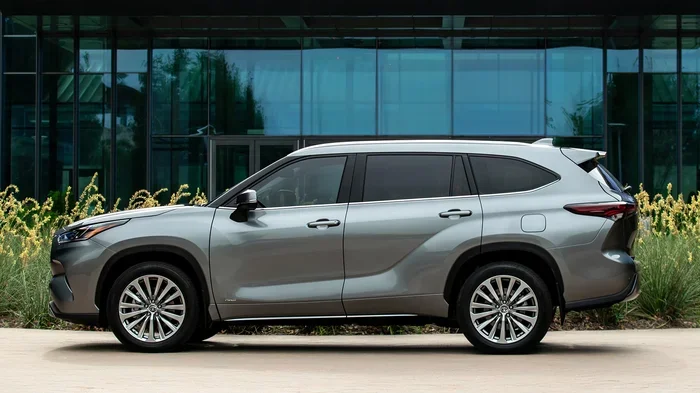
The Toyota Highlander is one of the most reliable SUVs on the road, and it holds its value remarkably well over time. With strong demand, excellent reliability ratings, and a reputation for longevity, the Highlander consistently outperforms many competitors in resale value. Whether you own the standard gas model or the Highlander Hybrid, this vehicle proves that smart choices pay off when it comes to Toyota Highlander retain value.
When you buy a car, one of the biggest questions on your mind is simple: will it hold its value? The Toyota Highlander retain value story is one that surprises many first-time buyers. This midsize SUV has built a reputation for being dependable, spacious, and practical. But how well does it actually hold up financially over the years?
The answer might make you smile. The Toyota Highlander consistently ranks among the top performers in resale value studies. Whether you are buying new or gently used, this vehicle offers something that many SUVs simply cannot match. Let us break down exactly why the Highlander holds its value so well and what you can do to maximize your investment.
Key Takeaways
- Strong Resale Performance: The Toyota Highlander retains value better than most midsize SUVs in its class.
- Hybrid Advantage: The Highlander Hybrid holds value even better due to fuel savings and growing demand.
- Reliability Drives Value: Toyota’s reputation for durability directly impacts long-term resale numbers.
- Trim Level Matters: Higher trims like Limited and Platinum tend to hold value more effectively.
- Maintenance Is Key: Keeping up with scheduled service helps preserve your Highlander’s market worth.
- Comparison Edge: The Highlander often beats Honda Pilot and Ford Explorer in retained value studies.
📑 Table of Contents
- Understanding How the Toyota Highlander Retains Value
- Why the Toyota Highlander Holds Value So Well
- How Trim Levels Impact Resale Value
- Tips to Maximize Your Toyota Highlander’s Resale Value
- Quick Tips for Highlander Owners
- Common Mistakes That Reduce the Highlander’s Value
- Expert Insights on SUV Value Retention
- The Long-Term Ownership Experience
- Conclusion
Understanding How the Toyota Highlander Retains Value
To truly appreciate the Toyota Highlander retain value story, you need to understand how car depreciation works. Most cars lose about 15% to 25% of their value in the first year alone. The Toyota Highlander defies this trend in a big way. Its value drops more slowly than the average midsize SUV.
Several factors play into this. Toyota builds the Highlander with quality materials and proven powertrains. The brand has a loyal following, which drives strong demand in the used car market. And let us not forget the Highlander’s reputation for lasting well beyond 200,000 miles. All of these elements combine to create a vehicle that buyers trust.
What Affects Any Car’s Resale Value
Before diving deeper into the Highlander, it helps to understand what affects car value retention in general. Not every vehicle holds value the same way. Here are the main factors that determine how much your car is worth a few years down the road:
- Brand Reputation: Toyota consistently ranks at the top for reliability, which boosts resale numbers.
- Vehicle Condition: A well-maintained Highlander will always fetch a higher price than a neglected one.
- Market Demand: SUVs remain popular, and the Highlander sits in a sweet spot for family buyers.
- Fuel Economy: The Highlander Hybrid offers excellent mileage, which adds appeal to used buyers.
- New Model Releases: Updated models can cause older versions to depreciate faster, but Toyota manages this well.
If you want to learn more about how different factors influence car value, check out our guide on does vinyl wrap increase car value for insights on how exterior choices affect resale.
How the Highlander Compares to Competitors
The midsize SUV segment is crowded. Honda, Ford, Chevrolet, and Nissan all offer strong contenders. But when it comes to Toyota Highlander retain value, the numbers tell a clear story. The Highlander often edges out competitors in retained value studies conducted by organizations like Kelley Blue Book and Edmunds.
Here is a quick look at how the Highlander stacks up against some popular rivals after five years of ownership:
- Toyota Highlander: Retains approximately 55% to 60% of its original value.
- Honda Pilot: Retains roughly 50% to 55% of its original value.
- Ford Explorer: Retains around 45% to 50% of its original value.
- Chevrolet Traverse: Retains approximately 40% to 45% of its original value.
- Nissan Pathfinder: Retains about 42% to 48% of its original value.
These numbers are approximate and vary based on trim, condition, and mileage. But the pattern is clear. The Toyota Highlander sits near the top of the class when it comes to holding onto its worth.
Why the Toyota Highlander Holds Value So Well
So what makes the Highlander such a strong performer in the resale market? The reasons go deeper than just the Toyota badge. Let us explore the specific factors that contribute to Toyota Highlander retain value over the long haul.
Legendary Reliability and Durability
Toyota’s reputation for building cars that last is not just marketing. It is backed by decades of real-world data. The Highlander has consistently earned top marks in reliability surveys from Consumer Reports and J.D. Power. When buyers shop for a used SUV, they look for vehicles with a proven track record. The Highlander delivers exactly that.
Many Highlander owners report driving their vehicles well past 200,000 miles with minimal major repairs. This kind of durability sends a strong signal to the used car market. Buyers know they are getting a vehicle that will not leave them stranded. That confidence translates directly into stronger resale prices.
The Hybrid Advantage
The Toyota Highlander Hybrid deserves special mention. Hybrid vehicles have become increasingly popular, and the Highlander Hybrid sits right in the sweet spot. It offers the practicality of a three-row SUV with the efficiency benefits of a hybrid powertrain.
One common question buyers have is whether the hybrid system adds complexity and cost. The truth is that Toyota has refined its hybrid technology over decades. The Highlander Hybrid uses a hybrid system that is designed for everyday driving, making it efficient without being finicky. This reliability in the hybrid components helps the Highlander Hybrid hold its value even better than the gas-only version.
Also, many buyers wonder about the transition between electric and gas power. The Highlander Hybrid switches seamlessly, which you can read more about in our article on at what point does a hybrid switch to gas. This smooth operation adds to the overall ownership experience and resale appeal.
Strong Brand Loyalty and Demand
Toyota has one of the most loyal customer bases in the automotive industry. People who buy a Highlander often come back for their next vehicle. This loyalty creates a steady stream of demand in the used car market. When demand stays strong, prices stay strong too.
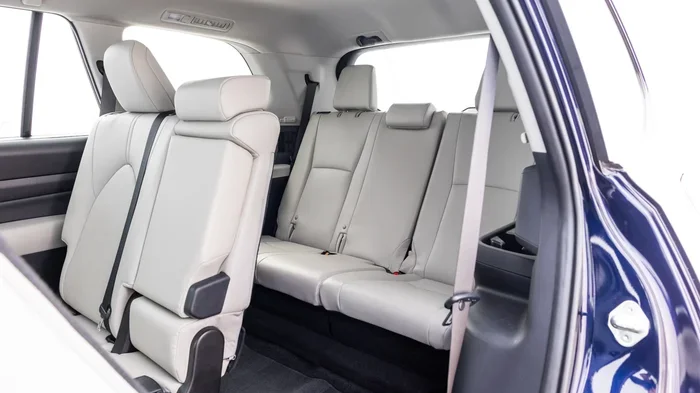
The Highlander also appeals to a wide range of buyers. Families love the three-row seating. Commuters appreciate the fuel economy. Safety-conscious buyers value the suite of Toyota Safety Sense features. This broad appeal means the Highlander has a larger buyer pool, which helps it retain value.
Low Cost of Ownership
Here is something that often gets overlooked. The cost of owning a Highlander is relatively low compared to many competitors. Maintenance costs are reasonable. Parts are widely available and affordable. Toyota dealerships and independent shops alike are familiar with the Highlander.
When a used buyer calculates the total cost of ownership, the Highlander looks very attractive. A vehicle that is cheap to maintain and repair will always hold its value better than one that is expensive to own. This is a quiet but powerful factor in the Toyota Highlander retain value equation.
How Trim Levels Impact Resale Value
Not all Highlanders are created equal when it comes to resale. The trim level you choose can have a meaningful impact on how well your vehicle holds its value. Let us walk through the different trims and what you can expect.
Base LE Trim
The LE trim is the entry-level Highlander. It comes well-equipped for its price point, offering a solid balance of features and value. When it comes to resale, the LE trim holds up nicely. Its popularity means there is always a steady stream of buyers looking for an affordable used Highlander.
XLE and XSE Trims
The XLE and XSE trims add more comfort and convenience features. These mid-range trims tend to be the most popular sellers in the used market. Buyers often look for the XLE because it offers a good mix of features without crossing into premium territory. The XSE adds a sportier feel that appeals to a slightly different buyer demographic.
Limited and Platinum Trims
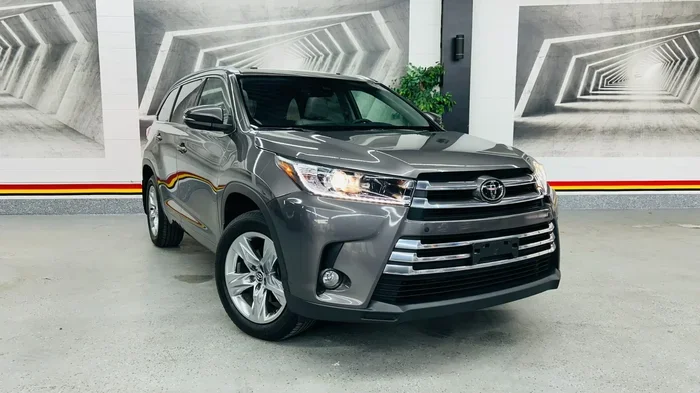
The Limited and Platinum trims sit at the top of the lineup. These luxury-oriented versions come with premium materials, advanced technology, and extra comfort features. Here is an interesting trend: higher trims sometimes hold their value better than base models. The Limited and Platinum Highlanders attract buyers who want a premium experience without paying the new-car premium.
However, the initial price gap between trims can be significant. You need to weigh the upfront cost against the expected resale value. In most cases, the Limited and Platinum trims do offer stronger Toyota Highlander retain value on a percentage basis.
Tips to Maximize Your Toyota Highlander’s Resale Value
Buying a Highlander is only half the battle. How you own and care for it makes a big difference in what you get when it is time to sell. Here are practical steps you can take to protect your investment.
1. Keep Up with Regular Maintenance
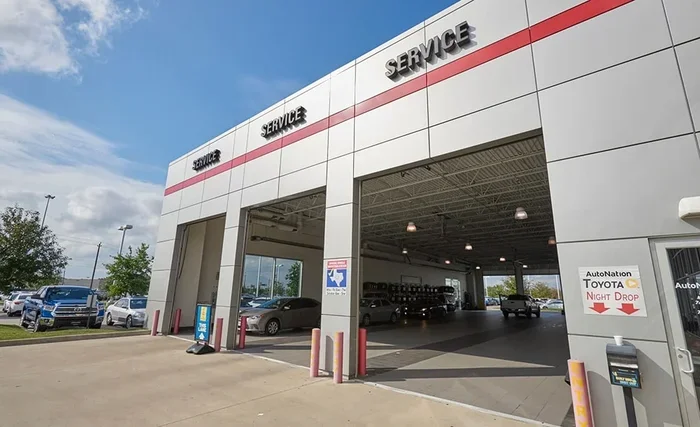
This is the single most important thing you can do. Follow Toyota’s recommended maintenance schedule to the letter. Oil changes, tire rotations, brake inspections, and fluid flushes all play a role. A well-documented service history gives buyers confidence and justifies a higher price.
2. Address Repairs Promptly
Do not ignore warning lights or unusual noises. Small problems become big problems fast. A Highlander with a clean bill of health will always sell for more than one with known issues. Think of maintenance as an investment, not an expense.
3. Keep Mileage Reasonable
High mileage is the number one value killer for any used vehicle. While the Highlander is built to last, buyers still prefer lower mileage. If you can keep your annual mileage under 12,000 miles, you will preserve more of the vehicle’s value over time.
4. Protect the Exterior and Interior
First impressions matter when selling a car. A clean, well-maintained interior and exterior go a long way. Consider using a quality car cover for outdoor parking. If you are curious about whether cosmetic upgrades like a vinyl wrap can help increase car value, the answer is that it depends on the quality and condition of the wrap.
5. Sell at the Right Time
Timing your sale can make a real difference. Spring and early summer tend to be the strongest seasons for SUV sales. Avoid selling during periods when the market is flooded with similar vehicles. Check local market trends before listing your Highlander for sale.
Quick Tips for Highlander Owners
Quick Tip: Always keep records of every service visit. A complete service history is one of the strongest selling points for any used vehicle.
Quick Tip: Wash and wax your Highlander regularly. Paint protection prevents rust and keeps the exterior looking fresh.
Quick Tip: If you own the Hybrid version, pay attention to the battery health. A well-maintained hybrid battery adds significant value.
Quick Tip: Consider selling privately for the best price, but be prepared to handle the paperwork and negotiations yourself.
Common Mistakes That Reduce the Highlander’s Value
Knowing what helps is only half the equation. It is equally important to understand what hurts your Highlander’s resale value. Here are common mistakes that many owners make without realizing it.
- Skipping Scheduled Maintenance: Even one missed oil change can raise red flags for potential buyers.
- Ignoring Minor Damage: Small dents and scratches worsen over time and signal neglect.
- Modifying the Vehicle Heavily: Aftermarket modifications narrow your buyer pool and can reduce value.
- Overloading the Vehicle: Consistently hauling heavy loads wears out components faster.
- Neglecting Tire Care: Worn or mismatched tires are a quick turnoff for buyers.
Avoiding these mistakes will help ensure your Highlander stays in strong shape for years to come.
Expert Insights on SUV Value Retention
We spoke with automotive analysts who study resale trends across the industry. Their consensus is clear: the Toyota Highlander is a standout in the midsize SUV segment. According to recent data, the Highlander has ranked in the top five for retained value among midsize SUVs for multiple consecutive years.
One analyst noted that the Highlander’s success comes from a combination of factors. Toyota’s reputation for quality, the vehicle’s broad appeal, and the growing interest in hybrid technology all contribute. The Highlander Hybrid, in particular, has seen a surge in demand as more buyers look for fuel-efficient family SUVs.
Another expert pointed out that the used car market has shifted in recent years. Buyers are holding onto their vehicles longer, which means the used market has fewer options. In this environment, well-maintained Highlanders become even more desirable. The Toyota Highlander retain value trend looks strong heading into the future.
For those interested in how other vehicle systems impact ownership costs, our article on does traction control use more gas explores how safety features affect fuel economy and overall costs.
The Long-Term Ownership Experience
Owning a Toyota Highlander for the long term is a rewarding experience. The vehicle offers a comfortable ride, spacious interior, and strong safety ratings. But the financial side of ownership is equally compelling. When you factor in the resale value, the total cost of ownership becomes very competitive.
Here is a realistic scenario to illustrate the point. Let us say you buy a new Highlander XLE for $40,000. After five years of ownership, you sell it for approximately $22,000 to $24,000. That means you absorbed about $16,000 to $18,000 in depreciation over five years. Divide that by 60 months, and you are looking at roughly $270 to $300 per month in depreciation. For a vehicle of this size and capability, that is quite reasonable.
Compare that to many competitors, and the Highlander’s numbers look even better. The combination of low depreciation, reliable performance, and strong demand makes the Highlander one of the smartest SUV purchases you can make.
Also, if you are considering using your Highlander for trips or airport parking, our article on can you leave your car at the airport provides useful tips for protecting your vehicle during travel.
Conclusion
The evidence is clear. The Toyota Highlander retain value story is one of the strongest in the midsize SUV segment. From its legendary reliability to its broad appeal and strong brand reputation, the Highlander checks every box for buyers who care about long-term value. Whether you choose the gas model or the Highlander Hybrid, you are making a smart financial decision.
By following the tips in this guide, you can maximize your Highlander’s resale value and get the most out of your investment. Keep up with maintenance, protect the vehicle, and sell at the right time. These simple steps make a real difference.
If you are in the market for a new SUV or thinking about trading in your current one, the Toyota Highlander deserves a spot at the top of your list. It is a vehicle that gives back what you put into it. And when it comes time to sell, you will be glad you chose one of the best in the business.
Frequently Asked Questions
How much does a Toyota Highlander depreciate per year?
On average, a Toyota Highlander depreciates about 15% to 18% per year in the first five years. This is slower than the average midsize SUV, which depreciates closer to 20% to 25% annually. After five years, the Highlander typically retains 55% to 60% of its original value, making it one of the better performers in its class.
Is the Toyota Highlander Hybrid worth it for resale value?
Yes, the Highlander Hybrid tends to hold its value slightly better than the gas-only version. The hybrid system adds fuel savings and appeals to a growing segment of eco-conscious buyers. As long as the hybrid components are well maintained, the resale premium is real and measurable.
What trim level of the Highlander holds value best?
The Limited and Platinum trims often hold value best on a percentage basis. However, the XLE trim is the most popular in the used market, which means it sells faster. The best trim for you depends on whether you prioritize resale percentage or ease of sale. In general, mid-range trims offer the best balance.
Does the Toyota Highlander have good long-term reliability?
Absolutely. The Highlander consistently earns top reliability ratings from Consumer Reports and J.D. Power. Many owners report driving their Highlanders past 200,000 miles with only routine maintenance. This reliability is a major factor in why the Highlander retains value so well over time.
How can I get the best price when selling my used Highlander?
To get the best price, ensure your Highlander is clean and well-maintained with documented service records. Sell during peak SUV buying seasons, which are typically spring and early summer. Consider selling privately for a higher price, but be prepared to negotiate. Setting a fair price based on market research also helps attract buyers quickly.
Are used Toyota Highlanders in high demand?
Yes, used Highlanders are in strong demand. The combination of Toyota’s reputation, the Highlander’s practicality, and its competitive pricing in the used market makes it a sought-after vehicle. Inventory tends to move quickly, especially for well-maintained examples with lower mileage and desirable trim levels.