Does the Toyota Camry Have Transmission Fluid Explained
Yes, every Toyota Camry has transmission fluid, and it plays a critical role in keeping your gears shifting smoothly. Whether you drive a standard automatic or a hybrid model, checking and changing your transmission fluid on schedule is essential for Toyota Camry maintenance. In this guide, we break down everything you need to know about transmission fluid types, how to check levels, and when to schedule a transmission change to keep your car running strong. You will also learn about common problems, maintenance mistakes to avoid, and expert tips that professional mechanics recommend. By the end, you will feel confident handling your Camry’s transmission care like a pro.
Owning a Toyota Camry comes with a lot of perks. It is one of the most reliable sedans on the road, and thousands of drivers trust it every day. But with ownership comes responsibility, and one question Camry owners often ask is about transmission fluid. The answer is yes, and understanding this fluid is key to keeping your car running smoothly.
Transmission fluid is the lifeblood of your car’s automatic transmission. It lubricates, cools, and helps your gears shift without hesitation. In this article, we will walk you through everything you need to know about transmission fluid in the Toyota Camry, from checking levels to understanding change intervals.
Key Takeaways
- Every Toyota Camry has transmission fluid: It is essential for smooth gear shifting and overall drivetrain health.
- Check your fluid regularly: Using the dipstick method helps you spot low levels or contamination early.
- Change intervals vary: Most Toyota experts recommend a transmission change every 30,000 to 60,000 miles depending on driving conditions.
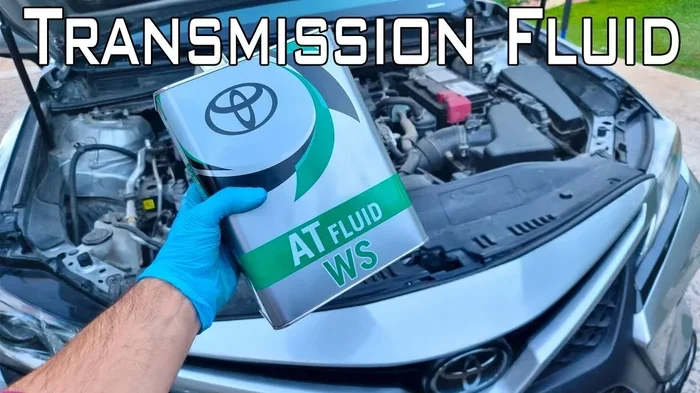
- Use the right fluid type: Toyota specifies ATF WS (World Standard) for most modern Camry models.
- Watch for warning signs: Slipping gears, strange noises, or dark fluid color signal it is time for service.
- Hybrid Camry models need special attention: Their transmission systems work differently and may have unique fluid requirements.
- DIY maintenance is possible: With basic tools and the right guidance, you can check and even change your fluid at home.
📑 Table of Contents
- What Is Transmission Fluid and Why It Matters
- Does the Toyota Camry Have Transmission Fluid
- How to Check Your Toyota Camry Transmission Fluid
- When and How Often to Change Transmission Fluid
- Common Transmission Fluid Problems in Toyota Camry
- Common Mistakes to Avoid with Transmission Fluid
- Expert Maintenance Tips for Your Camry Transmission
- Conclusion
What Is Transmission Fluid and Why It Matters
Before we get into Camry-specific details, let us cover the basics. Transmission fluid is a specially formulated liquid that serves several important jobs inside your car’s gearbox. Think of it as the oil that keeps your transmission healthy and happy.
The Role of Transmission Fluid in Your Camry
Your Toyota Camry uses an automatic transmission to shift between gears automatically. This system relies on fluid pressure to engage clutches, bands, and other internal components. Here is what transmission fluid does for your Camry:
- Lubrication: It reduces friction between moving metal parts inside the transmission.
- Cooling: It absorbs heat generated during gear shifts and carries it away from critical components.
- Hydraulic pressure: It creates the pressure needed to engage and disengage gears smoothly.
- Conditioning seals: It keeps the internal seals soft and flexible, preventing leaks.
Without proper fluid levels, your Camry’s transmission would overheat, grind, and eventually fail. This is why checking and changing your fluid on schedule is so important for Toyota Camry maintenance and long transmission lifespan.
Different Types of Transmission Fluid
Not all transmission fluid is the same. Toyota uses specific formulations designed for their vehicles. The most common type used in modern Camry models is ATF WS, which stands for Automatic Transmission Fluid World Standard. This fluid is designed to work with Toyota’s transmission systems and provides excellent protection across a wide range of temperatures.
Older Camry models may use different fluid types, such as Dexron III or Mercon. It is always best to check your owner’s manual or consult a trusted mechanic to confirm which transmission fluid type your specific model needs. Using the wrong fluid can lead to poor gear shifting and even transmission damage.
Does the Toyota Camry Have Transmission Fluid
The short answer is yes. Every Toyota Camry, regardless of the model year or trim level, comes equipped with a transmission that requires fluid. However, the amount and type of fluid can vary depending on the generation and engine configuration of your specific Camry.
Standard Automatic Transmission Models
Most Toyota Camry models from the past two decades use a conventional automatic transmission with a transmission pan that holds the fluid. These models typically have a dipstick that allows you to check the fluid level yourself. The transmission fluid capacity for these models usually ranges from about 12 to 14 quarts for a full change, including the filter and pan gasket replacement.
If you are unsure whether your Camry has a dipstick, look under the hood near the engine. The transmission dipstick is usually labeled and has a distinctive handle, often colored yellow or red. If you cannot find it, your Camry may use a sealed transmission that requires a professional to check the fluid levels.
Hybrid Camry Models and Their Transmission Systems
The Toyota Camry Hybrid uses a different type of transmission system compared to the gas-only models. It uses a CVT transmission (Continuously Variable Transmission) or a hybrid-specific planetary gear set. These systems also require transmission fluid, but the type and maintenance schedule may differ.
Hybrid Camry owners should pay special attention to their fluid maintenance. If you are curious about how hybrid systems interact with fuel usage, you might also ask: does a hybrid burn gas when idling? Understanding your hybrid system helps you take better care of all its components, including the transmission.
For hybrid Camry models, the transmission fluid is often integrated into the overall hybrid drivetrain system. This means that the fluid serves both the electric motor components and the mechanical transmission. Always use the fluid type specified by Toyota for hybrid models to ensure proper operation and protect your drivetrain system.
How to Check Your Toyota Camry Transmission Fluid
Checking your transmission fluid is one of the simplest maintenance tasks you can do at home. It only takes a few minutes and can save you from expensive repairs down the road. Here is a step-by-step guide to checking your Camry’s fluid levels.
Step-by-Step Dipstick Check
- Park your Camry on a level surface and let the engine warm up to normal operating temperature.
- Turn off the engine and leave it running for models that require a hot check.
- Locate the transmission dipstick under the hood. It is usually near the back of the engine bay.
- Pull the dipstick out, wipe it clean with a rag, and reinsert it fully.
- Pull it out again and look at the fluid level. It should fall between the “Full” and “Add” marks on the dipstick.
- Check the fluid color. Healthy transmission fluid is typically bright red or pink. Dark brown or black fluid indicates it is time for a change.
If the fluid level is low, you can add more through the dipstick tube using a funnel. Always use the correct transmission fluid type for your Camry model. Adding the wrong fluid can cause compatibility issues and damage your drivetrain system.
Quick Tips for Checking Fluid
- Check fluid when the engine is warm: This gives you the most accurate reading for hot-check transmission models.
- Do not overfill: Too much fluid can cause foaming and pressure buildup inside the transmission.
- Smell the fluid: Burnt fluid smells indicate overheating and potential internal damage.
- Look for particles: Metal shavings or grit in the fluid suggest internal wear and need immediate attention.
- Perform a dipstick check regularly: Make this part of your routine car maintenance tips to stay ahead of problems.
Safety matters when working under the hood. If you ever need to jump-start your vehicle in wet conditions, remember that can you jump a car in the rain? The answer is yes, but always ensure your hands are dry and the vehicle is parked in a safe, sheltered location before attempting any electrical work.
When and How Often to Change Transmission Fluid
One of the most important aspects of Toyota Camry maintenance is knowing when to change your transmission fluid. Over time, fluid breaks down and loses its effectiveness. Contaminants accumulate, and the fluid’s ability to lubricate and cool the transmission diminishes. Following the right Toyota maintenance schedule helps prevent these issues.
Recommended Change Intervals
Toyota generally recommends changing the transmission fluid in a Camry every 30,000 to 60,000 miles. However, this can vary based on several factors:
- Driving conditions: If you frequently drive in stop-and-go traffic, tow heavy loads, or drive in extreme temperatures, you may need to change your fluid more often.
- Model year: Older Camry models may have different maintenance schedules than newer ones. Always refer to your owner’s manual for your specific Toyota Camry specs.
- Fluid type: Synthetic fluids tend to last longer than conventional fluids, potentially extending the change interval.
- Driving habits: Aggressive driving and frequent short trips can degrade fluid faster.
For a more detailed look at maintenance services, many owners also wonder: does Jiffy Lube change serpentine belts? This is another common maintenance question that Camry owners should be aware of as part of their overall car care routine.
Signs Your Transmission Fluid Needs Changing
You do not always need to wait for a mileage milestone to change your fluid. Watch for these warning signs:
- The fluid has turned dark brown or black in color.
- You notice a burnt smell coming from under the hood.
- Your Camry hesitates or slips when shifting gears.
- You hear grinding or whining noises during gear changes.
- The transmission feels jerky or unresponsive during shifts.
- You see fluid leaks underneath your parked Camry.
If you notice any of these symptoms, it is important to address them quickly. Ignoring transmission fluid problems can lead to costly transmission repair cost down the road.
Transmission Fluid Change: DIY vs. Professional
When it comes time to change your fluid, you have two main options: doing it yourself or visiting a professional. Here is a quick comparison:
| Factor | DIY Fluid Change | Professional Service |
|---|---|---|
| Cost | $50 to $100 | $150 to $300 |
| Time Required | 1 to 2 hours | 1 to 3 hours |
| Tools Needed | Wrench, drain pan, funnel, new fluid | None (shop provides everything) |
| Thoroughness | Drains pan fluid only | Can include full flush and filter replacement |
| Best For | Routine maintenance and budget-conscious owners | High-mileage vehicles or complex systems |
A transmission flush is more thorough than a simple drain and refill. It removes old fluid from the entire system, including the torque converter and cooler lines. For high-mileage Camrys or vehicles with heavily contaminated fluid, a flush is often the better choice. If you are unsure which method is right for your vehicle, consult a trusted mechanic or refer to your Toyota maintenance schedule.
Common Transmission Fluid Problems in Toyota Camry
Even with regular maintenance, Camry owners can encounter transmission fluid issues. Understanding these problems helps you catch them early and avoid major repairs. Here are the most common issues you should watch for.
Transmission Fluid Leaks
A transmission leak is one of the most common issues Camry owners face. Leaks can occur from several sources:
- Worn transmission pan gasket: Over time, the gasket that seals the transmission pan can deteriorate and allow fluid to seep out.
- Loose drain plug: If the drain plug on the transmission pan is not tightened properly, fluid can slowly leak out.
- Damaged seals: The input and output shaft seals can wear out, causing fluid to escape from the sides of the transmission.
- Cracked transmission housing: In rare cases, impact damage or age can cause cracks in the transmission case.
If you notice red or brown fluid pooling under your Camry, do not ignore it. Even a small leak can lead to low fluid levels, which can cause overheating and transmission failure. Have a mechanic inspect and repair any leaks promptly to avoid a significant transmission repair cost.
Contaminated or Degraded Fluid
Over time, transmission fluid accumulates contaminants from normal wear inside the transmission. Metal particles, clutch material, and other debris can mix with the fluid, reducing its effectiveness. Contaminated fluid does not lubricate as well and can accelerate wear on internal components.
A transmission flush is often recommended when fluid is heavily contaminated. Unlike a simple fluid drain and refill, a flush removes old fluid from the entire system, including the torque converter and cooler lines. This ensures that fresh, clean fluid circulates through every part of the drivetrain system and helps extend your transmission lifespan.
Overheating and Fluid Breakdown
Transmission fluid is designed to operate within a specific temperature range. When the transmission overheats, the fluid breaks down faster and loses its protective properties. Common causes of transmission overheating include:
- Driving in heavy traffic on hot days
- Towing loads beyond the Camry’s capacity
- A malfunctioning transmission cooler
- Low fluid levels that reduce cooling efficiency
If your Camry’s transmission runs hot frequently, consider installing an auxiliary transmission cooler. This simple upgrade can significantly extend the life of your transmission fluid and the transmission itself. Also, remember that proper fluid maintenance is part of overall car maintenance tips that keep your vehicle running at its best.
Common Mistakes to Avoid with Transmission Fluid
Even well-meaning Camry owners can make mistakes when it comes to transmission fluid maintenance. Avoiding these common errors can save you time, money, and headaches.
- Using the wrong fluid type: Not all transmission fluid is interchangeable. Using the wrong type can cause poor gear shifting and damage internal components. Always use the fluid specified in your owner’s manual.
- Ignoring low fluid levels: Some owners notice low fluid but postpone topping it off. Low fluid leads to increased friction, overheating, and accelerated wear on your transmission system.
- Skipping the transmission filter: When changing fluid, always replace the transmission filter as well. A clogged filter restricts fluid flow and reduces the effectiveness of fresh fluid.
- Overfilling the transmission: Too much fluid can cause foaming, which leads to pressure buildup and potential seal damage.
- Neglecting to check for leaks: Regularly inspect under your Camry for any signs of fluid leaks. Catching a small leak early prevents it from becoming a major problem.
- Waiting for obvious symptoms: By the time you notice slipping or rough shifting, the damage may already be done. Proactive checks and timely changes are the best approach for transmission care.
These mistakes are easy to avoid with a little awareness and a consistent maintenance routine. Your Toyota Camry maintenance schedule should include regular transmission fluid checks as a standard practice.
Expert Maintenance Tips for Your Camry Transmission
Taking care of your Camry’s transmission does not have to be complicated. A few simple habits can go a long way in keeping your drivetrain system healthy and your gear shifting smooth. Here are some expert-backed tips that every Camry owner should follow.
Stick to Toyota’s Maintenance Schedule
Toyota provides a detailed maintenance schedule in your owner’s manual. This schedule outlines when to check and change your transmission fluid, along with other essential services. Following this schedule is one of the best ways to protect your Camry’s transmission lifespan and maintain your vehicle’s Toyota reliability reputation.
Use Genuine Toyota Parts and Fluids
When it is time to replace your transmission fluid or filter, always use genuine Toyota parts or fluids that meet Toyota’s specifications. Aftermarket fluids may not provide the same level of protection and could void your warranty. If you are unsure which products to use, ask your dealer or a certified Toyota mechanic for guidance.
Monitor Your Fluid Levels Between Changes
Do not wait for your scheduled change interval to check your transmission fluid. Make it a habit to check the level and condition every few weeks. This simple habit can help you catch low levels, contamination, or leaks early, before they turn into expensive problems.
Be Gentle with Your Transmission
How you drive affects your transmission’s health. Avoid these common habits that can wear out your transmission system faster:
- Shifting from drive to reverse while the car is still moving
- Racing the engine before shifting gears
- Towing loads that exceed your Camry’s rated capacity
- Ignoring warning signs like slipping or hesitation
If you are planning a long trip or need to leave your vehicle for an extended period, it is also worth considering how you store your car. For example, can you leave your car at the airport? While this is a different topic, proper storage practices are part of overall vehicle care that supports your transmission’s longevity and keeps your car in good condition.
Know When to Seek Professional Help
While many transmission fluid tasks can be done at home, some situations require a professional. If you notice significant fluid loss, strange noises, or erratic shifting, it is best to take your Camry to a trusted mechanic. Attempting complex repairs without the right experience can make things worse and increase your transmission repair cost.
For routine maintenance like fluid checks and changes, many owners also have questions about quick-service options. A common question is: does Jiffy Lube change serpentine belts? While this is a different service, it shows how quick-lube shops can handle various maintenance tasks. For specialized transmission care, a Toyota dealership or transmission specialist is often the best choice.
Remember, safety comes first when working on any car system. If you are ever unsure about a maintenance task, do not hesitate to consult a professional. Your transmission system is too important to risk with improper handling.
Conclusion
So, does the Toyota Camry have transmission fluid? Absolutely. Every Camry model relies on this vital fluid to keep the automatic transmission operating smoothly, whether it is a gas-only model or a hybrid. Understanding how to check, change, and maintain your transmission fluid is one of the most important things you can do as a Camry owner.
By following Toyota’s recommended maintenance schedule, using the correct transmission fluid type, and watching for warning signs of trouble, you can protect your investment and enjoy smooth gear shifting for miles to come. Your Camry is built to last, and proper transmission care is a big part of that longevity.
Take a few minutes today to check your fluid level and condition. It is a small effort that can save you from major headaches and expensive repairs in the future. Your Camry will thank you with years of reliable performance and smooth operation.
Stay proactive with your Toyota Camry maintenance routine. Check your fluid, watch for warning signs, and never underestimate the importance of this simple yet critical car maintenance tip. Your transmission will reward you with years of dependable service.
Frequently Asked Questions
Can I use any transmission fluid in my Toyota Camry?
No, you should always use the transmission fluid type specified by Toyota for your specific Camry model. Using the wrong fluid can cause poor gear shifting, reduced lubrication, and potential damage to your drivetrain system. Check your owner’s manual or consult a Toyota dealer to confirm the correct fluid.
How do I know if my Camry’s transmission fluid is low?
Signs of low transmission fluid include difficulty shifting gears, a burning smell, fluid leaks under the car, and the transmission overheating. You can also check the dipstick to see if the fluid level falls between the “Full” and “Add” marks. If it is below the “Add” line, you need to add more fluid.
Is a transmission flush better than a fluid change for my Camry?
A transmission flush removes all the old fluid from the entire system, including the torque converter and cooler lines, while a standard change only drains the fluid from the pan. A flush is more thorough and is often recommended for high-mileage Camrys or vehicles with contaminated fluid. However, consult your owner’s manual or a mechanic to determine the best approach for your specific situation.
How much does it cost to change transmission fluid in a Toyota Camry?
The transmission repair cost for a fluid change varies depending on where you go and what type of fluid is needed. A DIY fluid change can cost as little as $50 to $100 for the fluid and filter. A professional service at a dealership or shop typically ranges from $150 to $300. A full transmission flush may cost more, usually between $200 and $400.
Can low transmission fluid damage my Toyota Camry’s engine?
Yes, running your Camry with low transmission fluid can cause serious damage. Without proper lubrication and cooling, the internal components of the automatic transmission can overheat, grind, and fail. This can lead to expensive repairs or even a complete transmission replacement. Always maintain proper fluid levels to protect your vehicle.
Do Toyota Camry hybrid models need different transmission fluid?
Hybrid Camry models use a different transmission system than gas-only models, and they may require a specific transmission fluid type designed for hybrid drivetrains. Always refer to your owner’s manual for the correct fluid specification. Using the wrong fluid in a hybrid Camry can affect both the transmission and the hybrid motor components.
=== CONCLUSION ===
Taking care of your Toyota Camry’s transmission fluid is one of the simplest yet most impactful things you can do for your vehicle. From regular checks to scheduled changes, these small steps add up to a longer-lasting, smoother-running car. Whether you drive a standard automatic Camry or a hybrid model, understanding your transmission system puts you in control of your car’s health.
Remember to use the right transmission fluid type, watch for warning signs, and never skip your maintenance intervals. Your Camry is a trusted companion on the road, and with proper care, it will keep shifting smoothly for many miles ahead. Start today by checking your fluid level, and you will be glad you did.