Does a 2003 Toyota Corolla Have a Timing Belt or Chain
The 2003 Toyota Corolla uses a timing belt, not a timing chain. This belt is a critical engine component that syncs the camshaft and crankshaft to keep your engine running smoothly. Knowing whether your car has a belt or chain helps you plan preventive maintenance and avoid costly repairs. Most owners should replace the belt every 60,000 to 105,000 miles. Staying on top of this service keeps your Toyota engine healthy and reliable.
So you own a 2003 Toyota Corolla and you are wondering about the timing belt or chain situation. Maybe you just hit 60,000 miles and the maintenance light came on. Or perhaps you bought a used one and want to know what is under the hood. Either way, you are in the right place. Let us break down everything you need to know about the timing belt in your 2003 Corolla. This is one of those maintenance items you cannot afford to ignore.
Timing belts and timing chains both do the same job. They keep the upper half of your engine in sync with the lower half. The camshaft opens and closes the valves at the exact right moment. The crankshaft moves the pistons up and down. If these two components fall out of sync, bad things happen. Your engine could stall, misfire, or suffer severe internal damage. So knowing which type your car has matters a lot.
Key Takeaways
- The 2003 Toyota Corolla uses a timing belt: Unlike some newer Toyota models that use chains, the 2003 Corolla relies on a belt.
- Replacement is essential: The belt should be replaced every 60,000 to 105,000 miles to prevent engine damage.
- Failure can be catastrophic: A broken timing belt can cause serious internal engine damage in an interference engine.
- Cost is reasonable: Expect to pay between $300 and $700 for a full belt replacement, depending on the shop.
- Watch for warning signs: Listen for ticking noises, check for visible wear, and watch for engine misfires.
- DIY is possible: Experienced DIYers can replace the belt at home with the right tools and a repair manual.
- Check related belts too: The serpentine belt and drive belt should also be inspected during this service.
📑 Table of Contents
- Does the 2003 Toyota Corolla Use a Timing Belt or Chain?
- Understanding the Timing Belt System
- Timing Belt Replacement Interval
- Signs Your Timing Belt Is Failing
- Timing Belt Replacement Cost
- Timing Belt vs Timing Chain: What Is the Difference?
- Maintenance Tips for Your 2003 Toyota Corolla
- What Happens If You Drive With a Bad Timing Belt?
- Can You Replace the Timing Belt Yourself?
- Common Mistakes People Make With Timing Belts
- Final Thoughts
Does the 2003 Toyota Corolla Use a Timing Belt or Chain?
The short answer is timing belt. The 2003 Toyota Corolla uses a rubber-based timing belt to drive the camshaft and keep the engine in proper rhythm. Toyota used chains in some of its larger engines and in newer model years. But the 2003 Corolla, specifically the 1NZ-FE 1.5-liter four-cylinder engine, comes equipped with a belt. This is important information because belts and chains have very different maintenance needs.
Toyota switched to chains in many of its engines starting around 2008 and later. The chains are designed to last the life of the engine in many cases. But the 2003 model year still uses the older and proven belt system. If you are unsure which engine your Corolla has, check the VIN or look at the engine code stamped on the block. The 1NZ-FE is the most common engine in the 2003 Corolla lineup.
Why Does It Matter?
Knowing whether your car has a belt or chain affects your maintenance schedule. Chains generally need less frequent attention. Belts, on the other hand, need regular replacement. If you skip a belt change, you risk a complete failure. And a failed timing belt on an interference engine like the one in the 2003 Corolla can bend valves and damage pistons. That is a repair bill you do not want to face.
Understanding the Timing Belt System
The timing belt is more than just a simple rubber strip. It is part of a complex system that keeps your engine running precisely. Let us look at what makes up this system and how it works in your Corolla.
How the Timing Belt Works
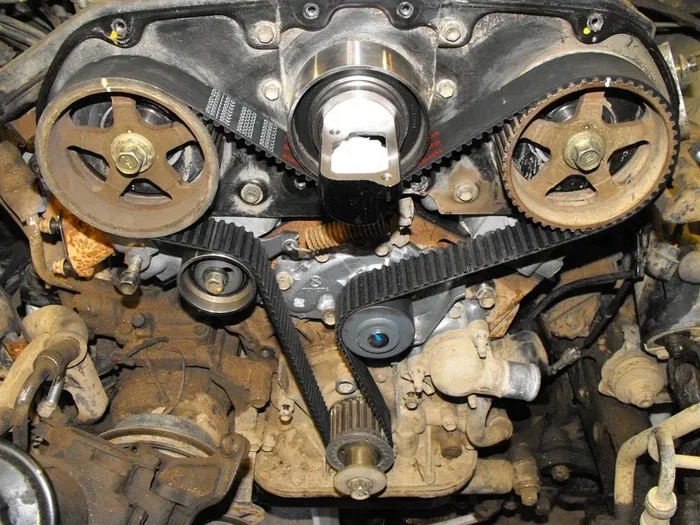
The belt sits on the outside of the engine, protected by a cover. It connects the crankshaft to the camshaft. As the crankshaft turns, it rotates the belt. The belt then turns the camshaft at exactly half the speed. This ensures that the intake and exhaust valves open and close at the right time during each piston stroke.
The belt has teeth on the inside that mesh with gears on the crankshaft and camshaft. These teeth prevent the belt from slipping. Over time, the rubber stretches and the teeth wear down. This is why replacement is so important. A slipping belt can cause the engine to run poorly or not at all.
Key Components of the System
When you replace the timing belt, your mechanic should also inspect or replace several related parts:
- Timing tensioner: Keeps the belt tight so it does not slip.
- Idler pulleys: Guide the belt around the engine components.
- Water pump: Many shops recommend replacing the water pump at the same time since it is driven by the same belt.
- Belt cover and gaskets: These seals keep debris out and oil in.
Replacing all of these parts together saves you labor costs later. If the water pump fails soon after a belt job, you will have to pay for the same teardown again. It makes sense to do it all at once.
Timing Belt Replacement Interval
So when should you actually replace the belt? Toyota recommends replacing the timing belt on the 2003 Corolla at specific mileage intervals. Staying on top of this schedule is the best thing you can do for your engine.
Toyota’s Recommended Schedule
Toyota suggests replacing the timing belt every 60,000 miles or 72 months, whichever comes first. Some owners have stretched this to 105,000 miles with no issues, but that is risky. The belt is made of rubber and it degrades over time, even if you do not drive much. Age matters just as much as mileage.
If you bought a used 2003 Corolla and do not know the replacement history, assume the belt needs to be done now if it is past 60,000 miles. It is much cheaper to replace a belt than to rebuild an engine.
Factors That Shorten Belt Life
Not all belts last the full recommended interval. Several factors can cause premature wear:
- Extreme temperatures: Hot engine environments break down rubber faster.
- Oil or coolant leaks: These fluids deteriorate the belt material.
- Misalignment: If the pulleys are not lined up correctly, the belt wears unevenly.
- High mileage driving: Stop-and-go traffic puts more stress on the belt.
If you notice any cracking or fraying on the belt surface, do not wait for the next scheduled interval. Get it replaced immediately. A visual inspection can reveal a lot about the belt’s condition.
Signs Your Timing Belt Is Failing
A timing belt does not usually fail without warning. But there are signs that tell you something is wrong. Catching these early can save you from a major engine repair.
Listen for Ticking Noises
A ticking or clicking sound coming from the engine area is one of the first signs of a worn timing belt. The belt may be slipping on the camshaft gears. This sound is different from a normal engine noise and tends to be rhythmic. If you hear this, get your car checked right away.
Watch for Engine Misfires
If the belt is stretched or slipping, the valves may not open at the right time. This causes misfires, rough idling, or a loss of power. Your engine might feel sluggish or hesitate when you accelerate. These symptoms should never be ignored.
Check for Visible Wear
Pop the hood and look at the belt if you can. You may need to remove the plastic engine cover first. Look for cracks, fraying, or missing teeth on the belt. Any of these signs means the belt is near the end of its life. Do not keep driving if you see this kind of damage.
Engine Will Not Start
If the belt breaks completely, your engine will not start. You might hear the starter motor engage, but the engine will not turn over. This is a serious situation, especially if your Corolla has an interference engine design. A broken belt can cause the pistons to collide with the open valves, bending them in the process.
Timing Belt Replacement Cost
Nobody wants to spend money on car repairs, but the timing belt replacement is one you should not skip. Let us talk about what you can expect to pay.
Average Cost Breakdown
The cost to replace the timing belt on a 2003 Toyota Corolla typically ranges from $300 to $700. Here is a rough breakdown:
- Belt and tensioner: $80 to $150 for parts.
- Labor: $200 to $500 depending on your location and shop rates.
- Water pump (if replaced at the same time): Adds $50 to $100 for parts.
The labor cost is the biggest part of this job. The belt is located inside the engine cover, and accessing it takes time. A skilled mechanic can usually complete the job in 2 to 4 hours.
Cost of Ignoring the Belt
Now let us talk about what happens if you ignore the belt. A broken timing belt on an interference engine can cause catastrophic damage. Bent valves, damaged pistons, and a ruined cylinder head are all possible outcomes. Repairing this kind of damage can cost $2,000 to $4,000 or more. That is 10 times the cost of a routine belt replacement. The choice is clear.
Some people wonder if they can save money by doing this job themselves. If you are experienced with engine work, it is possible. You will need a repair manual specific to the 2003 Corolla and a set of quality tools. But if you are not confident, leave it to the professionals. A botched belt job can lead to engine failure in seconds.
Timing Belt vs Timing Chain: What Is the Difference?
It helps to understand the difference between belts and chains, especially if you have owned both types of cars. This comparison will give you a clearer picture of why your 2003 Corolla uses a belt.
| Feature | Timing Belt | Timing Chain |
|---|---|---|
| Material | Rubber with fiber reinforcement | Metal links |
| Location | Outside the engine | Inside the engine |
| Replacement Interval | 60,000 to 105,000 miles | 100,000+ miles or lifetime |
| Noise | Quiet operation | Can become noisy over time |
| Cost | Lower replacement cost | Higher replacement cost |
| Durability | Wears out over time | More durable |
| Maintenance | Regular replacement required | Less frequent maintenance |
The 2003 Toyota Corolla uses the belt design because it was the standard for Toyota engines of that era. Belts are quieter, lighter, and cheaper to replace. Chains are heavier and louder but they last longer. Toyota started incorporating chains more widely in later model years as the technology improved.
If you are comparing the 2003 Corolla to a newer model, keep this difference in mind. A 2015 or later Corolla might have a chain instead of a belt. This changes the maintenance approach significantly. Always check your specific model year and engine type before planning any timing component service.
Maintenance Tips for Your 2003 Toyota Corolla
Owning a 2003 Toyota Corolla is a rewarding experience. These cars are known for reliability and longevity. But they do require regular attention. Here are some tips to keep your engine running strong.
Stay on Top of the Maintenance Schedule
Toyota provides a detailed maintenance schedule in the owner’s manual. Follow it closely. The timing belt replacement is one of the most important items on that list. Set a reminder on your phone or calendar when your car hits 50,000 miles so you are prepared for the service at 60,000.
Inspect Belts Regularly
While you are at it, check the serpentine belt and drive belt too. These belts power your alternator, power steering, and air conditioning. If you are due for a belt inspection, ask your mechanic to check all belts, not just the timing belt. Many quick-lube shops can inspect and replace serpentine belts during a routine oil change.
Keep Your Engine Clean
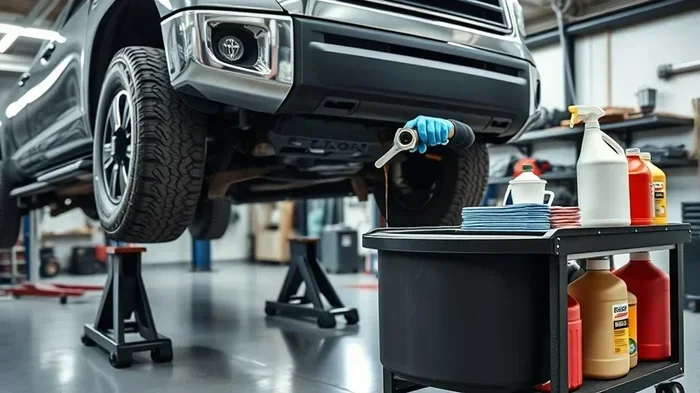
Oil and coolant leaks can damage the timing belt prematurely. Keep your engine bay clean and address any leaks promptly. Regular oil changes with the correct grade of oil go a long way in protecting all of your engine components, including the belt system.
Use Quality Parts
When it is time for a replacement, use quality parts. Aftermarket belts from reputable brands work well and cost less than OEM Toyota parts. But avoid the cheapest options on the shelf. A belt that fails early can leave you stranded or cause engine damage.
Find a Trusted Mechanic
Having a trusted mechanic who knows Toyotas is invaluable. They will know the specific quirks of the 2003 Corolla engine and can spot potential problems before they become expensive repairs. Ask friends, check online reviews, and do not be afraid to get a second opinion if something feels off.
What Happens If You Drive With a Bad Timing Belt?
This is a question many owners ask, especially when they are trying to save money or delay a repair. The answer is simple: do not do it. Driving with a worn or damaged timing belt is like playing Russian roulette with your engine.
If the belt snaps while you are driving, the engine will stall immediately. In an interference engine like the one in the 2003 Corolla, the pistons and valves occupy the same space at different times. When the belt fails, the valves can bend upon contact with the pistons. This type of damage requires a major engine rebuild or replacement. The cost is astronomical compared to a routine belt replacement.
Some people ask, can I just drive it to the shop if I notice a slight ticking noise? The honest answer is no. The belt could fail at any moment. Have your car towed to the repair shop if you suspect the timing belt is in bad shape. It is not worth the risk.
And if you are wondering about other engine components, remember that a blown head gasket is another serious engine problem that shares similar symptoms with timing belt issues. Both can cause overheating, misfires, and fluid leaks. A proper diagnosis from a qualified mechanic will help you distinguish between these problems.
Can You Replace the Timing Belt Yourself?
For experienced DIYers, replacing the timing belt on a 2003 Toyota Corolla is a doable project. But it is not a beginner-level repair. You need mechanical aptitude, the right tools, and a detailed repair manual.
The job involves removing the engine cover, tensioner, and the old belt. You then install the new belt, tensioner, and any other recommended components. The most critical part is setting the timing correctly. If the camshaft and crankshaft are not aligned properly, the engine will run poorly or sustain damage.
If you have never done this before, it is worth watching several video tutorials and reading the service manual before attempting the job. Practice on a friend’s car first if possible. And always have a professional inspection afterward to make sure everything is set up correctly.
For those who prefer not to DIY, a trusted independent mechanic is a great option. Independent shops often charge less than dealerships for this type of work. You can save hundreds of dollars without sacrificing quality.
Common Mistakes People Make With Timing Belts
There are several mistakes that Corolla owners make when it comes to timing belt maintenance. Avoiding these can save you time, money, and headaches.
- Ignoring the replacement schedule: This is the biggest mistake. The belt does not last forever, even if the car sits in the garage.
- Skipping the tensioner: Always replace the tensioner and idler pulleys at the same time as the belt. Reusing old parts shortens the life of the new belt.
- Not checking the water pump: Since the water pump is driven by the timing belt, it makes sense to replace it during the belt job.
- Using low-quality parts: Cheap belts and components fail faster. Invest in quality parts for peace of mind.
- Delaying repairs after symptoms appear: If you notice ticking noises or misfires, do not wait. Have the car inspected immediately.
Final Thoughts
The 2003 Toyota Corolla is a fantastic car that has stood the test of time. It is reliable, efficient, and relatively easy to maintain. But like any vehicle, it requires attention to critical components like the timing belt. Understanding that your Corolla uses a belt rather than a chain helps you plan the right maintenance at the right time.
Replace the belt at the recommended interval, watch for warning signs, and never ignore unusual engine noises. These simple habits will keep your engine running strong for years to come. The cost of prevention is tiny compared to the cost of repair after a failure.
If you are unsure about the condition of your timing belt or have any doubts, visit a trusted mechanic today. A quick inspection can give you peace of mind and keep your 2003 Corolla on the road where it belongs. Take care of your car, and it will take care of you.
Frequently Asked Questions
Can I drive my 2003 Toyota Corolla if the timing belt is worn?
No, you should not drive a car with a worn timing belt. A worn belt can snap at any time, causing the engine to stall and potentially leading to catastrophic internal damage. Have the belt replaced or the car towed to a repair shop immediately.
How much does it cost to replace the timing belt on a 2003 Toyota Corolla?
The cost typically ranges from $300 to $700, depending on the shop and whether additional parts like the water pump are replaced at the same time. Labor makes up the majority of the cost since accessing the belt requires removing several engine components.
What engine does the 2003 Toyota Corolla have?
The most common engine in the 2003 Toyota Corolla is the 1NZ-FE 1.5-liter four-cylinder. This engine uses a timing belt rather than a timing chain. Always verify your specific engine code if you are unsure about your model.
How do I know if my 2003 Corolla has a timing belt or chain?
The 2003 Toyota Corolla with the 1NZ-FE engine has a timing belt. You can confirm this by checking the engine code on the block or consulting the owner’s manual. Toyota switched to chains in later model years with different engine configurations.
What is the difference between a timing belt and a serpentine belt?
A timing belt is located inside the engine and syncs the camshaft with the crankshaft. A serpentine belt is on the outside of the engine and powers accessories like the alternator and air conditioning. Both are important, but they serve completely different functions.
Can the timing belt on a 2003 Corolla last longer than 105,000 miles?
It is possible, but it is not recommended. Rubber degrades over time regardless of mileage. Even if you drive infrequently, the belt can become brittle and crack. Stick to the manufacturer’s recommended replacement interval to avoid unexpected failure.
=== CONCLUSION ===
The 2003 Toyota Corolla uses a timing belt, and this is one piece of information every owner should know. The belt keeps your engine running in perfect sync, and replacing it on schedule is the best way to avoid expensive repairs. Remember the key points: replace the belt every 60,000 to 105,000 miles, watch for warning signs like ticking noises or misfires, and always use quality parts. Taking care of your timing belt is one of the simplest and most important things you can do for your Corolla. Stay proactive with your maintenance, and your 2003 Toyota Corolla will reward you with years of dependable service.