Can a Toyota RAV4 Handle Snow and Winter Road Conditions
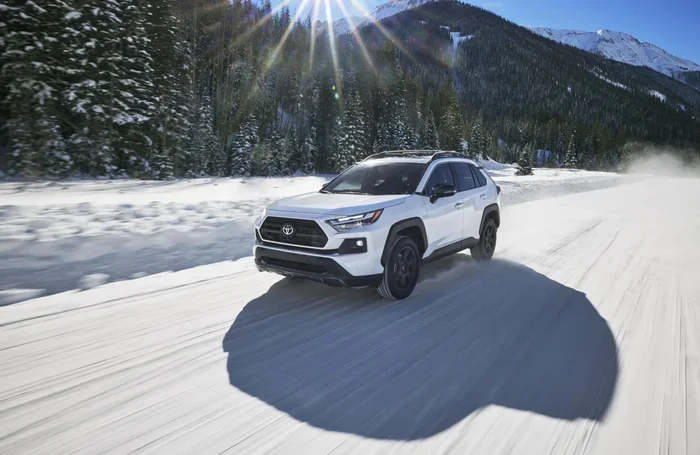
Yes, a Toyota RAV4 can handle snow quite well, especially when equipped with all-wheel drive and winter tires. The RAV4 is one of the most popular compact SUVs for cold-weather driving thanks to its strong traction, good ground clearance, and reliable drivetrain options. Whether you drive the standard RAV4, the RAV4 Hybrid, or the RAV4 Prime, this guide covers everything you need to know about winter road performance and staying safe in snowy conditions.
Winter driving can feel stressful. Roads get slick, visibility drops, and you never quite know what to expect. If you own or are thinking about buying a Toyota RAV4, you might be asking a simple question: can a Toyota RAV4 handle snow? The short answer is yes. But there is a lot more to the story than that.
The Toyota RAV4 is one of the best-selling compact SUVs on the road, and for good reason. It is reliable, spacious, and surprisingly capable in a variety of conditions. When snow hits, the RAV4 steps up in ways that surprise many drivers. Whether you are commuting through light snowfall or tackling a mountain pass, understanding how your RAV4 performs in winter is essential.
In this guide, we will walk through everything you need to know. We will cover the different drivetrain options, how the hybrid and plug-in hybrid models perform, what accessories help, and practical driving tips that keep you safe. By the end, you will feel confident taking your RAV4 out in the snow.
Key Takeaways
- AWD models handle snow significantly better than FWD versions, giving you more confidence on icy roads.
- Winter tires are a game-changer for any RAV4, boosting traction and braking performance in snow and ice.
- The RAV4 Hybrid and RAV4 Prime offer strong snow performance but have unique considerations for cold weather.
- Ground clearance and electronic aids like traction control help the RAV4 navigate deep snow with ease.
- Driving habits matter just as much as the vehicle — smooth inputs and safe following distances make all the difference.
- Preparation before winter including fluid checks and battery testing keeps your RAV4 ready for anything.
📑 Table of Contents
- Understanding the Toyota RAV4’s Snow Capabilities
- RAV4 Trim Levels and Their Winter Performance
- All-Wheel Drive vs Front-Wheel Drive in Snow
- Winter Tires and Accessories for the RAV4
- Driving Tips for Snowy Conditions in a RAV4
- Common Winter Issues and How to Avoid Them
- Final Thoughts on the Toyota RAV4 in Snow
Understanding the Toyota RAV4’s Snow Capabilities
The RAV4 comes built with several features that make it a solid choice for winter driving. Its compact SUV shape gives it a higher seating position and better visibility than a sedan. The ground clearance is enough to handle moderate snow cover without scraping the bottom. And Toyota has equipped the RAV4 with electronic stability systems that help you stay in control when the road gets slippery.
But not every RAV4 is the same when it comes to snow. The drivetrain you choose makes a big difference. Front-wheel drive models can handle light snow just fine, but they struggle more on steep hills and icy patches. All-wheel drive models distribute power to all four wheels, giving you much better grip and confidence. If you live in an area with regular snowfall, AWD is the way to go for your RAV4.
Toyota also includes a snow mode on many RAV4 trims. This setting adjusts the throttle response and transmission shifting to help you start gently and avoid wheel spin. It is a small feature, but it makes a noticeable difference when roads are slick. Understanding these built-in tools helps you use your RAV4 to its full potential.
Ground Clearance and Approach Angles
The RAV4 offers around 8.4 inches of ground clearance depending on the trim. That is plenty to handle snow-packed roads without getting stuck on the pavement. The approach and departure angles are also decent for a compact SUV, which means you can handle speed bumps and driveways covered in snow without damaging the undercarriage.
One thing to keep in mind is that deep snow is a different story. The RAV4 is not a off-road beast like a Jeep Wrangler. If you need to drive through snow that is higher than your bumper, you may get stuck. For typical winter driving on plowed roads, though, the RAV4 has more than enough clearance.
RAV4 Trim Levels and Their Winter Performance
The Toyota RAV4 comes in several trim levels, and each one handles snow a little differently. Understanding these differences helps you choose the right model for your winter needs.
The base LE and XLE trims come with front-wheel drive as standard. They are perfectly fine for light snow and occasional winter storms. If you live somewhere where snow is rare, these trims will serve you well. You just need to drive more carefully and give yourself extra stopping distance.
The SE and XSE trims offer all-wheel drive as an option or standard on some configurations. These trims give you better traction in snow and are more confident on hills. The TRD Off-Road trim takes things even further with a dedicated off-road mode and upgraded suspension, making it one of the best RAV4 trims for snowy and rough conditions.
The Limited and Platinum trims come with AWD standard and include additional comfort features that make winter driving more pleasant. Heated seats, heated mirrors, and remote start are all available, which means you can warm up the car and clear the snow before you head out.
The RAV4 Hybrid in Snow
The RAV4 Hybrid is an excellent choice for winter driving. The hybrid system delivers torque quickly, which helps with acceleration on slippery roads. The electric motor provides smooth power delivery, reducing the chance of wheel spin when you step on the gas. The hybrid battery pack also adds weight to the rear, which can improve traction on front-wheel-drive models.
One important thing to know is that the RAV4 Hybrid can run on gas only when the battery is low or in certain driving conditions. This means you do not need to worry about finding a charging station during a winter storm. You just fill up at the gas station and go. For many drivers, this is a huge advantage in cold weather.
However, extreme cold can reduce the hybrid battery’s performance slightly. In very frigid temperatures, the battery may not provide as much electric assist. The gas engine picks up the slack, so you will still have plenty of power. Just be aware that your fuel economy might dip a bit in the coldest months.
The RAV4 Prime Plug-In Hybrid
The RAV4 Prime is the performance-oriented plug-in hybrid version. It has all-wheel drive standard and delivers a combined 302 horsepower. In snow, that extra power is useful for getting going on icy roads. The AWD system works seamlessly, sending power to the wheel that needs it most.
Cold weather does affect the RAV4 Prime’s electric range. The battery holds less charge in freezing temperatures, so you may rely more on the gas engine. You can still charge the RAV4 Prime at home or at public stations, but you should plan for shorter electric-only ranges during winter. Despite this, the RAV4 Prime handles snow very well and is one of the most capable RAV4 versions for winter driving.
If you are considering a plug-in hybrid, you may also wonder about charging in winter. Can you charge a hybrid car in cold weather? Absolutely. You can plug in the RAV4 Prime just like any other day. The charging process works fine in the cold, though it may take slightly longer if the battery is very cold. Keeping the car plugged in overnight helps maintain battery warmth and readiness.
All-Wheel Drive vs Front-Wheel Drive in Snow
This is one of the most important decisions when buying a RAV4 for winter driving. AWD and FWD behave very differently on snow and ice, and understanding the difference helps you stay safe.
| Feature | Front-Wheel Drive (FWD) | All-Wheel Drive (AWD) |
|---|---|---|
| Snow Traction | Good for light snow | Excellent in all snow conditions |
| Hill Climbing | Moderate, may slip | Strong, confident climbing |
| Fuel Economy | Better gas mileage | Slightly lower gas mileage |
| Cost | Lower starting price | Higher starting price |
| Braking Distance | Longer on ice | Shorter on ice |
| Best For | Mild winter climates | Heavy snow regions |
AWD gives you a clear advantage in snow. The system sends power to all four wheels, which means if one wheel starts to slip, the others can keep you moving. This is especially helpful on hills and on patches of ice that appear unexpectedly. For drivers in the Northeast, Midwest, or mountain regions, AWD is almost a must-have.
FWD RAV4s can still handle snow, but you need to be more careful. Gentle acceleration, early braking, and avoiding sudden steering inputs are key. FWD models also tend to understeer in snow, which means the front wheels push wide rather than gripping and turning. This is manageable, but it requires more attention from the driver.
Regardless of which drivetrain you choose, winter tires make the biggest difference of any single upgrade. We will cover that in detail next.
Winter Tires and Accessories for the RAV4
If there is one thing that transforms a RAV4’s winter performance, it is winter tires. All-season tires are designed to work in a variety of conditions, but they are a compromise. Winter tires use a special rubber compound that stays soft in cold temperatures, and their tread patterns are designed to bite into snow and channel slush away from the tire.
Installing a set of winter tires on your RAV4 is one of the best investments you can make for snow driving. The improvement in traction and braking is dramatic. You will notice shorter stopping distances, better cornering grip, and more confidence on icy roads. Many tire shops offer storage services, so you can swap between summer and winter tires seasonally.
Other accessories that help in the snow include:
- Roof snow guards — prevent snow and ice from sliding off your roof and hitting the car behind you.
- All-weather floor mats — keep snow and moisture from damaging your carpet and affecting pedal operation.
- Heated side mirrors — melt ice quickly and keep your visibility clear.
- Windshield washer fluid rated for sub-zero temperatures — prevents the fluid from freezing in the reservoir.
- Portable tire inflator — cold temperatures can lower tire pressure, and maintaining proper pressure is critical for traction.
Some drivers also ask about towing in winter. If you plan to pull a trailer or ski equipment, you might wonder, can you put a hitch on a hybrid car like the RAV4 Hybrid? Yes, the RAV4 Hybrid can be equipped with a tow hitch, and it has a towing capacity of up to 1,500 pounds when properly equipped. Just be mindful that towing in snow requires extra caution and longer stopping distances.
Driving Tips for Snowy Conditions in a RAV4
Even the best SUV needs a skilled driver to handle snow safely. Your RAV4 has many tools to help you, but how you use them matters just as much as the vehicle itself. Here are practical tips that make a real difference on snowy roads.
Accelerate and Brake Smoothly
The number one rule of snow driving is to make smooth inputs. Slamming the accelerator causes wheel spin and loss of control. Slamming the brake causes skidding. Instead, press the gas pedal gently and gradually. Brake early and with steady pressure, letting the ABS system do its work. Smooth movements keep the tires gripping the road instead of sliding on top of it.
Increase Your Following Distance
Braking distances increase significantly on snow and ice. In dry conditions, you might follow at a three-second gap. In snow, extend that to six to eight seconds. This gives you more time to react if the car ahead stops suddenly. It also gives your RAV4’s braking system more room to work effectively.
Use Lower Gears on Hills
When driving downhill in snow, shift into a lower gear. This lets engine braking slow the car down instead of relying solely on the brakes. Overusing brakes on a slippery downhill slope can cause you to lose control. The RAV4’s transmission makes this easy — just drop it from D to L or use the manual shift mode.
Watch for Black Ice
Black ice is one of the most dangerous winter road hazards. It forms when the road surface freezes, creating a nearly invisible layer of ice. It is most common on bridges, overpasses, and shaded areas. If the temperature is near freezing and the road looks wet, assume it could be black ice. Slow down and avoid sudden movements when you suspect its presence.
Keep Your Fuel Tank at Least Half Full
In winter, keeping your tank at least half full prevents the fuel line from freezing. It also gives you a safety buffer if you get stuck or need to take a detour. Cold weather means you might need to wait longer for help, and running the engine for heat requires fuel.
Clear All Snow and Ice Before Driving
This sounds obvious, but many drivers skip it. Clear your roof, hood, trunk, all windows, mirrors, and lights before you drive. Snow left on the roof can fly off at highway speeds and blind the driver behind you. It is also a safety hazard and in some areas, it is illegal. Take the extra five minutes to do it right.
Common Winter Issues and How to Avoid Them
The RAV4 is a tough and reliable vehicle, but winter does bring some challenges. Knowing what to expect helps you prepare and avoid problems.
One common issue is reduced fuel economy in cold weather. The engine takes longer to reach operating temperature, and the heating system uses energy. Hybrid models may see a bigger drop in electric-only driving range. This is normal and not a cause for concern. You can improve fuel economy by keeping your tires properly inflated and avoiding excessive idling.
Speaking of idling, you might wonder if it is okay to let your RAV4 idle in the snow for warmth. While it is fine to idle briefly to warm up the cabin, extended idling is inefficient and can waste fuel. Modern RAV4s warm up faster when you start driving gently. The engine reaches operating temperature more quickly, and the heater works better once you are moving.
Cold weather can also affect your RAV4’s battery. Extreme cold reduces a battery’s ability to hold a charge. If your RAV4 is several years old, consider having the battery tested before winter arrives. A weak battery in freezing temperatures can leave you stranded, and nobody wants that.
Another concern is the hybrid battery in cold conditions. The RAV4 Hybrid and RAV4 Prime use a high-voltage battery that is sealed and protected. Toyota designed these batteries to operate in a wide range of temperatures. However, very cold weather can reduce the battery’s output temporarily. Once the battery warms up under normal driving, performance returns to normal. If you are concerned about the RAV4 Hybrid running without gas in an emergency, rest assured that the gas engine will always start and run, even if the hybrid battery is depleted.
Electronic systems like traction control and vehicle stability control work well in snow, but they can sometimes interfere if you get stuck in deep snow or mud. In those situations, you may need to turn off traction control briefly to rock the car free. Refer to your owner’s manual for instructions on how to do this safely.
Final Thoughts on the Toyota RAV4 in Snow
So, can a Toyota RAV4 handle snow? Absolutely. The RAV4 is a capable, reliable, and well-equipped compact SUV that performs well in winter conditions. Whether you choose the front-wheel drive base model or the powerful RAV4 Prime, you have a vehicle that can handle snow with confidence.
The key is preparation and smart driving. Choose the right drivetrain for your climate, invest in winter tires, and practice smooth, deliberate driving techniques. The RAV4 gives you the tools — it is up to you to use them wisely.
Winter does not have to be stressful. With the right RAV4 and the right approach, you can drive through snow and ice with confidence. Stay prepared, stay patient, and enjoy the ride. Your Toyota RAV4 is more than ready for whatever winter throws your way.
Frequently Asked Questions
Is the Toyota RAV4 good in heavy snow?
The RAV4 handles heavy snow well, especially the AWD models. The ground clearance and electronic traction controls help it navigate deep snow on paved roads. However, for extremely deep snow or off-road conditions, you may need additional help like snow chains or a more rugged vehicle.
Do I need winter tires on a Toyota RAV4?
Winter tires are highly recommended for any RAV4 driven in snow. They provide significantly better traction and braking than all-season tires. Even AWD models benefit greatly from winter tires, as the tires are what actually grip the road.
Can the Toyota RAV4 Hybrid handle icy roads?
Yes, the RAV4 Hybrid handles icy roads well. The instant torque from the electric motor helps with smooth acceleration, reducing wheel spin. Combined with AWD and winter tires, the RAV4 Hybrid is a strong performer on icy surfaces.
What is the best RAV4 trim for snow driving?
The RAV4 AWD trims, especially the XLE, SE, and TRD Off-Road, are the best for snow driving. They offer AWD standard, snow mode, and higher ground clearance. The RAV4 Prime is also excellent thanks to its standard AWD and strong power delivery.
How does cold weather affect the RAV4 Hybrid battery?
Cold weather can temporarily reduce the hybrid battery’s output and electric-only range. The gas engine compensates, so you will not be left stranded. Keeping the car plugged in when possible helps maintain battery warmth and performance during cold months.
Can I use cruise control in snow with my RAV4?
It is best to avoid cruise control in snow or icy conditions. Cruise control maintains a constant speed, which can cause you to lose control if the car starts to slide. Manually controlling your speed gives you more ability to react to changing road conditions.
=== CONCLUSION ===
The Toyota RAV4 is a strong and dependable choice for winter driving. From the front-wheel drive base models to the powerful RAV4 Prime, there is a RAV4 configuration that handles snow with confidence. The combination of good ground clearance, available all-wheel drive, electronic safety systems, and the option for winter tires makes the RAV4 one of the best compact SUVs you can own if you face snowy winters.
Preparation is the key to safe winter driving. Invest in winter tires, keep your fuel tank full, and practice smooth driving techniques. Understand your specific RAV4 trim and drivetrain, and use the features Toyota has built in to help you stay safe. With the right approach, you and your Toyota RAV4 will handle snow and winter road conditions with ease all season long.