Can a Toyota Highlander Last 300000 Miles Without Breaking
A Toyota Highlander can absolutely last 300000 miles with proper care and regular maintenance. This popular SUV is known for its reliable build quality and durable engine, making it a favorite among long-term owners. Regular oil changes, timely fluid replacements, and smart driving habits all play a big role in reaching that 300,000-mile milestone.
So you are wondering if a Toyota Highlander can go the distance and last 300000 miles without falling apart. It is a great question, and one that a lot of car buyers ask before committing to a vehicle. The short answer is yes. The Toyota Highlander is one of the most reliable SUVs on the road, and with the right care, it can easily surpass the 300,000-mile mark. In this article, we will break down exactly what it takes to keep your Highlander running strong for hundreds of thousands of miles. We will cover maintenance tips, common problems, hybrid-specific considerations, and real-world stories from owners who have done it.
The Toyota Highlander has been a staple in the SUV world for over two decades. It offers a perfect mix of space, comfort, and reliability. Whether you drive the gas-only version or the Highlander Hybrid, this vehicle is designed with longevity in mind. But no car lasts 300,000 miles by accident. It takes effort, knowledge, and a commitment to staying on top of routine maintenance. Let us dive into what makes the Highlander so special and how you can help yours reach that impressive milestone.
Key Takeaways
- Toyota Highlanders are built to last: With proper care, these SUVs routinely hit 300,000 miles and beyond.
- Regular maintenance is non-negotiable: Staying on top of oil changes, fluid flushes, and belt replacements is the key to longevity.
- The Highlander Hybrid adds extra durability: Hybrid components are designed for long life, and the gas engine can still run independently.
- Common problems are manageable: Issues like transmission wear and brake degradation are fixable when caught early.
- Real owners prove it works: Many Highlander owners have documented their 300,000-mile journeys with minimal major repairs.
- Japanese cars lead in reliability: Toyota builds vehicles with longevity in mind, a trait shared across the brand’s lineup.
📑 Table of Contents
- What Makes the Toyota Highlander So Reliable
- The Highlander Hybrid: Can It Reach 300,000 Miles?
- Key Maintenance Tasks to Extend Your Highlander’s Life
- Common Problems That Can Shorten a Highlander’s Lifespan
- Real-World Highlander Owners Who Hit 300,000 Miles
- Is a Highlander Worth It for the Long Haul?
What Makes the Toyota Highlander So Reliable
Toyota has built a reputation for building cars that just keep going. The Highlander is no exception. When you look at the engineering behind this vehicle, it is easy to see why it earns top marks for reliability. The engine design is straightforward and robust. There are fewer complex parts that can fail compared to some competitors. This simplicity is a big reason why the Highlander holds up so well over time.
Toyota also uses high-quality materials in the assembly process. From the engine blocks to the transmission components, every part is built to endure years of daily driving. The company also puts each vehicle through rigorous testing before it ever reaches a dealership. This attention to quality control sets Toyota apart from many other brands.
Another factor is the Toyota build quality that has been refined over decades. The company listens to feedback from owners and constantly improves its designs. Each new generation of the Highlander benefits from lessons learned in the previous model. This iterative process has resulted in a vehicle that is practically bulletproof when properly maintained.
Do Japanese Cars Last Longer Than American Cars?
There is a reason why Toyota consistently ranks at the top of reliability surveys. If you want to understand why the Highlander lasts so long, it helps to look at the broader picture of Japanese car manufacturing. Studies and owner surveys consistently show that Japanese brands, including Toyota, Honda, and Nissan, tend to outlast their American and European counterparts. The focus on precision engineering and durable components gives these vehicles a clear advantage in the longevity department. You can read more about this topic in our deep dive on whether Japanese cars last longer than American cars.
The Highlander Hybrid: Can It Reach 300,000 Miles?
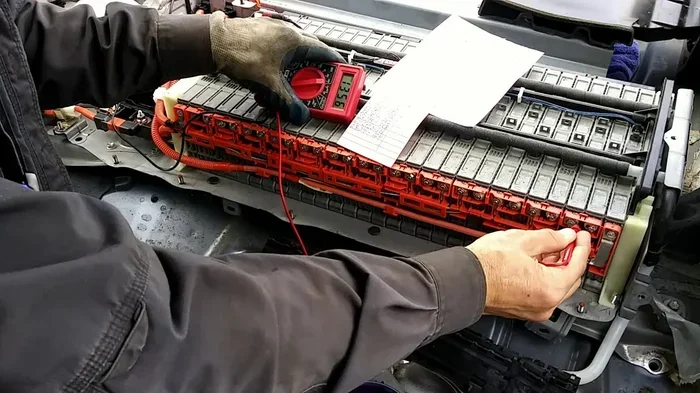
The Toyota Highlander Hybrid adds an extra layer of complexity to the longevity question. But here is the good news: the hybrid system is designed to last the life of the vehicle. The electric motor and battery pack in the Highlander Hybrid are built with durability in mind. Toyota uses nickel-metal hydride (NiMH) batteries in most Hybrid models, and these are known for their long lifespan. In many cases, the hybrid battery lasts well beyond 200,000 miles without needing replacement.
One common question owners ask is whether the hybrid system adds maintenance costs. The answer is generally no. The hybrid components require very little upkeep. The electric motor has few moving parts, which means fewer things can go wrong. And the regenerative braking system actually reduces wear on your traditional brake pads, saving you money in the long run.
Can a Hybrid Car Run on Gas Only?
Some owners worry about what happens if the hybrid battery fails. The great news is that a Toyota Highlander Hybrid can run on gas only if the hybrid system experiences issues. The gas engine is fully capable of powering the vehicle independently. You might notice a slight decrease in performance and fuel economy, but the car will still drive. This redundancy gives owners peace of mind and makes the Highlander Hybrid an even smarter long-term investment. You can learn more about this topic in our guide on whether a hybrid car can run on gas only.
Can You Charge a Hybrid Car at Home?
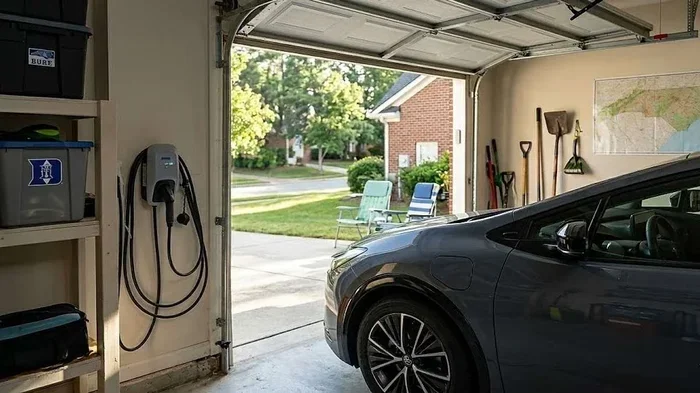
Unlike plug-in hybrids, the standard Toyota Highlander Hybrid does not need to be plugged in. The regenerative braking system and the gas engine handle all the battery charging. This means there is no need for a home charging station or special electrical setup. You simply drive and charge as you go. This simplicity is one of the reasons the Highlander Hybrid is so popular among families who want a low-maintenance, long-lasting vehicle.
Key Maintenance Tasks to Extend Your Highlander’s Life
Let us get into the nuts and bolts of keeping your Highlander on the road for 300,000 miles. Maintenance is the single most important factor in vehicle longevity. A well-maintained Highlander will easily outlast a neglected one by tens of thousands of miles. Here is what you need to focus on.
Oil Changes and Fluid Maintenance
Regular oil changes are the backbone of any long-lasting vehicle. For the Toyota Highlander, you should change your oil every 5,000 to 7,500 miles using synthetic oil. Clean oil keeps the engine lubricated and prevents harmful buildup. Over time, oil breaks down and loses its effectiveness, so sticking to a consistent schedule is critical.
But oil is not the only fluid that matters. You also need to keep an eye on:
- Transmission fluid: Change it every 60,000 to 100,000 miles to keep the transmission shifting smoothly.
- Coolant: Flush and replace it every 100,000 miles to prevent overheating and corrosion.
- Brake fluid: Replace it every two years to maintain safe braking performance.
- Power steering fluid: Check it regularly and top off as needed.
- Differential fluid: Change it around 60,000 miles for all-wheel-drive models.
Belt and Hose Replacement
Belts and hoses are the unsung heroes of your Highlander’s engine bay. They handle critical jobs like powering the alternator and circulating coolant. Over time, these components wear out and can crack or snap. Replacing them before they fail is a small cost that prevents major engine damage. As a general rule, inspect your belts and hoses every 30,000 miles and replace them according to the maintenance schedule.
Brake System Care
The brake system is one of the most used and most important safety components in your vehicle. Brake pads typically last between 30,000 and 70,000 miles depending on driving habits. Rotors may need resurfacing or replacement every 60,000 to 100,000 miles. Staying on top of brake maintenance not only keeps you safe but also prevents more expensive damage to other parts of the vehicle.
Timing Chain and Spark Plugs
The Highlander uses a timing chain rather than a timing belt in most models. Timing chains are designed to last the life of the engine, but they can stretch over very high mileage. Inspecting the chain around 200,000 miles is a smart preventive measure. Spark plugs should be replaced every 60,000 to 100,000 miles to ensure optimal engine performance and fuel efficiency.
Does a Hybrid Burn Gas When Idling?
Hybrid owners often wonder about fuel consumption during idling. The good news is that the Highlander Hybrid shuts off the gas engine when the car is stopped, such as at a traffic light. The electric motor handles low-speed and idle situations, which saves fuel and reduces engine wear. This feature is one of the many reasons hybrid vehicles tend to last longer than their gas-only counterparts. Does a hybrid burn gas when idling? Not typically, which is a big advantage for long-term ownership. You can read more about this in our article does a hybrid burn gas when idling.
Common Problems That Can Shorten a Highlander’s Lifespan
No vehicle is perfect, and the Highlander is no exception. While it is one of the most reliable SUVs available, there are some known issues that can arise, especially as mileage climbs. Being aware of these problems helps you catch them early before they turn into expensive repairs.
Transmission issues: Some older Highlanders, particularly models from the early 2010s, have experienced transmission wear. Symptoms include rough shifting or hesitation. Regular transmission fluid changes go a long way in preventing this problem.
Oil consumption: Some Highlander owners have reported higher-than-normal oil consumption, especially in V6 models. Checking your oil level regularly and topping off between changes is a simple but important habit.
Exhaust manifold cracks: On certain model years, the exhaust manifold can develop cracks over time. This can cause a ticking noise and reduced performance. Replacing the manifold early prevents more serious exhaust system damage.
Hybrid battery degradation: While the hybrid battery is designed for long life, extreme temperatures and improper charging can shorten its lifespan. Parking in a garage and avoiding extreme heat helps preserve the battery.
Suspension wear: The Highlander is a heavier vehicle, and the suspension components take a beating over time. Shock absorbers and struts typically need replacement around 100,000 to 150,000 miles. Replacing them promptly ensures a smooth ride and prevents uneven tire wear.
Real-World Highlander Owners Who Hit 300,000 Miles
Numbers and specifications are one thing, but real-world stories are what truly bring the Highlander’s longevity to life. Across forums and owner communities, there are countless stories of Highlanders surpassing 300,000 miles with minimal major repairs.
One common theme among these long-lasting Highlanders is consistent maintenance. Owners who followed the recommended service schedule and did not skip oil changes or fluid replacements consistently reported the best results. Another common factor is gentle driving. Highways and steady-speed cruising are much easier on a vehicle than stop-and-go city driving with aggressive acceleration.
Many owners also credit Toyota’s straightforward engineering. There are fewer electronic gadgets and complex systems that can malfunction compared to some competitors. The Highlander does what it is supposed to do, and it does it reliably for years on end.
The Toyota resale value also tells a story of its own. Highlander models with high mileage still command strong resale prices because buyers know these vehicles are built to last. This is a testament to the brand’s reputation for durability and quality.
Is a Highlander Worth It for the Long Haul?
So, is the Toyota Highlander worth buying if your goal is to drive it for 300,000 miles or more? Based on everything we have covered, the answer is a resounding yes. The Highlander offers a rare combination of reliability, comfort, and longevity that few other SUVs can match.
The cost of ownership over the long term is also very reasonable. Toyota parts are widely available and affordable. Maintenance costs are lower than many competitors, and the vehicles hold their value well. Even if you need to replace major components like the transmission or hybrid battery, the cost is often offset by the vehicle’s strong resale value.
If you are looking for a family SUV that will take you from daily commutes to road trips for years to come, the Highlander is one of the best choices you can make. Just commit to regular maintenance, drive responsibly, and your Highlander will reward you with hundreds of thousands of miles of dependable service.
The bottom line is that a Toyota Highlander can absolutely last 300,000 miles without breaking. It takes the right vehicle, proper care, and a little patience. But the payoff is a reliable, comfortable SUV that will serve your family for years to come. Take care of your Highlander, and it will take care of you.
Frequently Asked Questions
How many miles can a Toyota Highlander last?
With proper maintenance, a Toyota Highlander can last 300,000 miles or more. Many owners report reaching 350,000 or even 400,000 miles with regular care. The key is staying on top of oil changes, fluid replacements, and timely repairs.
Is the Toyota Highlander Hybrid more reliable than the gas-only version?
Both versions are highly reliable, but the hybrid system adds extra durability. The electric motor reduces wear on the gas engine, and the regenerative braking system extends brake life. Overall, the Highlander Hybrid is an excellent choice for long-term ownership.
What is the most common problem with the Toyota Highlander?
The most commonly reported issue is transmission wear, especially in older models. Regular transmission fluid changes can prevent most of these problems. Other common issues include oil consumption and exhaust manifold cracks, both of which are manageable with early detection.
How often should I change the oil in my Toyota Highlander?
You should change the oil every 5,000 to 7,500 miles using synthetic oil. Sticking to this schedule is one of the most important things you can do to extend your Highlander’s lifespan. Clean oil keeps the engine running smoothly and prevents costly damage.
Can a Highlander Hybrid run if the hybrid battery fails?
Yes, a Highlander Hybrid can still run on gas if the hybrid battery fails. The gas engine is fully capable of powering the vehicle independently. You may notice reduced fuel economy and performance, but the car will remain drivable.
What maintenance should I never skip on a Toyota Highlander?
Never skip oil changes, transmission fluid replacements, coolant flushes, and brake inspections. These are the most critical maintenance tasks for keeping your Highlander running strong past 300,000 miles. Regular checks and timely service will save you from expensive repairs down the road.