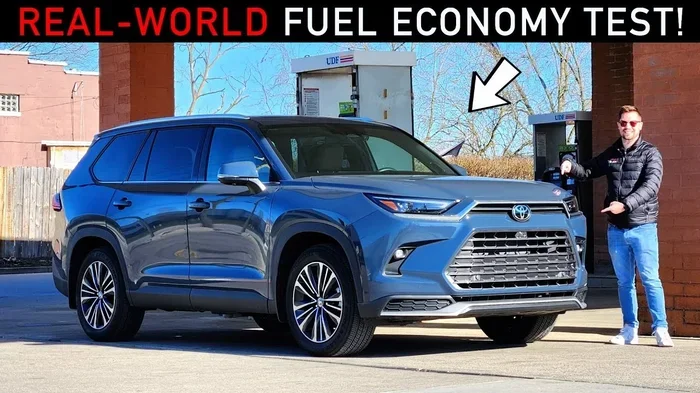
Are Toyota Highlanders Good on Gas Here Is the Truth
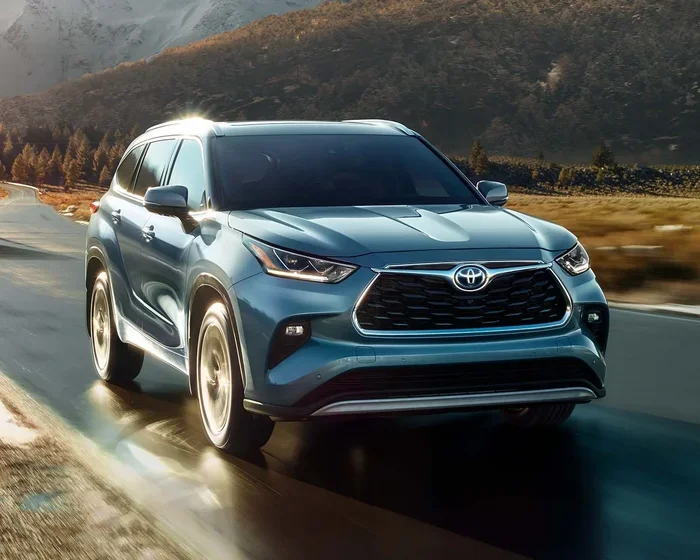
The Toyota Highlander offers solid gas mileage for a midsize SUV, especially with its hybrid powertrain. Whether you commute in the city or cruise on the highway, this vehicle delivers competitive fuel efficiency that keeps owners happy. We break down the numbers, compare trim levels, and share real-world tips to help you understand how the Highlander uses gas and whether it fits your budget.
Are Toyota Highlanders good on gas? This is a question many car buyers ask before committing to a midsize SUV. The short answer is yes, but the full picture is more interesting than you might think. The Toyota Highlander has earned a strong reputation for balancing power, space, and fuel efficiency. Whether you are shopping for a family SUV or looking to replace your current ride, understanding how the Highlander uses gas matters a lot.
Gas mileage affects your monthly budget, your trips to the fuel station, and even the long-term value of your vehicle. In this guide, we walk through everything you need to know about Toyota Highlander gas mileage. We cover MPG ratings, hybrid options, real-world performance, and practical tips to squeeze every mile out of each gallon. By the end, you will have a clear picture of what to expect.
The Toyota Highlander has been a popular choice for years, and its fuel economy only gets better with each new generation. The latest models offer both traditional V6 engines and hybrid powertrains that impress at the pump. If you want a vehicle that handles daily commutes and road trips without draining your wallet, the Highlander deserves a close look.
Key Takeaways
- Hybrid Highlanders deliver the best gas mileage: The hybrid version tops regular trims in fuel efficiency.
- City and highway MPG differ: City driving uses more gas, while highway cruising improves range.
- Regular gas works fine: You do not need premium fuel for the Highlander.
- Several factors affect fuel economy: Driving habits, towing, and AC usage all play a role.
- Real-world MPG may vary: EPA ratings are estimates, and your results depend on conditions.
- Simple tips can boost mileage: Smooth driving and proper maintenance help you save at the pump.
- The Highlander holds its value: Good fuel economy adds to long-term ownership savings.
📑 Table of Contents
- Toyota Highlander Gas Mileage: The Numbers
- How the Toyota Highlander Uses Gas
- City vs Highway: Where Does the Highlander Shine?
- Factors That Affect Toyota Highlander Fuel Economy
- Is the Toyota Highlander Worth It for Gas Savings?
- Common Mistakes That Hurt Your Highlander MPG
- Expert Insights on Toyota Highlander Fuel Economy
- Final Thoughts
Toyota Highlander Gas Mileage: The Numbers
Let us start with the basics. Toyota Highlander gas mileage depends on the trim level, engine type, and driving conditions. The EPA provides official ratings, but real-world results can differ. Here is a closer look at what you can expect.
Base V6 Engine MPG
The standard V6 engine in the Toyota Highlander produces around 295 horsepower. It pairs with an eight-speed automatic transmission and delivers a respectable fuel economy for a vehicle of this size. On average, you can expect around 22 MPG in the city and 29 MPG on the highway. Combined, the base model lands near 25 MPG.
These numbers are solid for a three-row midsize SUV. Many competitors in the same class struggle to match them. The V6 engine gives you plenty of power for merging, passing, and light towing without sacrificing too much at the fuel station.
Hybrid Powertrain MPG
The hybrid version of the Toyota Highlander takes fuel efficiency to another level. The hybrid powertrain combines a 2.5-liter four-cylinder engine with electric motors to deliver impressive results. The hybrid model earns around 36 MPG in the city and 35 MPG on the highway. Combined, you are looking at roughly 36 MPG.
This is a big jump from the base V6. The hybrid system uses regenerative braking and electric assist to reduce gas consumption. If you do a lot of city driving, the hybrid really shines because it recovers energy during stops and low-speed driving.
Comparison Table: V6 vs Hybrid MPG
- Base V6: 22 city / 29 highway / 25 combined
- Hybrid: 36 city / 35 highway / 36 combined
- Fuel Tank Capacity: 18.5 gallons across trims
- Estimated Range (V6): Around 407 miles on a full tank
- Estimated Range (Hybrid): Around 666 miles on a full tank
As you can see, the hybrid offers nearly double the range on a single tank. This means fewer stops and more miles between fill-ups. For families who travel often, this is a major advantage.
How the Toyota Highlander Uses Gas
Understanding how the Highlander burns gas helps you make smarter driving choices. The vehicle uses a hybrid powertrain in its hybrid form, which blends a gas engine with electric motors. This setup allows the car to switch between power sources based on driving conditions.
The Hybrid System Explained
The Toyota Highlander hybrid uses a self-charging battery that does not need to be plugged in. Instead, it captures energy during braking and coasting. This energy then powers the electric motors, which assist the gas engine when extra power is needed.
At low speeds, the Highlander can run on electric power alone for short distances. This is especially useful in stop-and-go traffic. The system also shuts off the gas engine when the car is idling, which saves fuel. If you have ever wondered does a hybrid burn gas when idling, the answer is that the Highlander hybrid minimizes this waste.
When Does the Gas Engine Kick In?
The hybrid system switches to the gas engine when you need more power. This happens during hard acceleration, highway cruising at high speeds, and when the battery charge drops low. The transition is smooth and mostly unnoticeable to the driver.
Many people ask at what speed do hybrids switch to gas. The answer varies, but in the Highlander, the gas engine typically takes over more at highway speeds above 50 mph when sustained power is needed. The system constantly balances the two power sources to maximize fuel economy.
Can the Highlander Run on Gas Alone?
Yes, the Toyota Highlander hybrid can run on gas only. The gas engine powers the vehicle independently when the electric motors are not active. This means you never have to worry about being stranded if the hybrid battery has issues. The car functions just like a regular gasoline SUV in those situations.
If you are curious about how a hybrid operates without electric assist, check out this guide on can a hybrid car run on gas only. It explains the setup in detail and covers what to expect when the electric system is not contributing.
City vs Highway: Where Does the Highlander Shine?
Fuel economy varies a lot between city and highway driving. The Toyota Highlander performs differently in each setting, and understanding this helps you set realistic expectations.
City Driving MPG
City driving involves lots of stops, starts, and low-speed cruising. The base V6 model gets around 22 MPG in the city. This is average for a midsize SUV but not class-leading. The hybrid model, however, excels in the city. Its electric assist during stop-and-go traffic boosts mileage significantly.
The hybrid system captures energy every time you brake. This makes city driving a strength for the hybrid Highlander. If your daily commute is mostly in town, the hybrid version will save you real money over time.
Highway Driving MPG
Highway driving is more consistent, with steady speeds and fewer stops. The base V6 model improves to around 29 MPG on the highway. The hybrid model stays near 35 MPG, which is excellent for a vehicle of this size and weight.
At steady highway speeds, the gas engine operates efficiently. The hybrid system also uses the electric motor to assist during acceleration from cruise speed. Overall, the Highlander handles highway trips very well and offers a long range between fill-ups.
Factors That Affect Toyota Highlander Fuel Economy
Your real-world gas mileage may differ from EPA estimates. Several factors influence how much fuel the Highlander uses. Knowing these factors helps you optimize your driving habits.
Driving Style
Aggressive driving burns more gas. Quick acceleration, hard braking, and speeding all reduce fuel economy. Smooth, steady driving is the best way to maximize your MPG. Anticipating traffic and easing off the gas pedal early also helps a lot.
Towing and Payload
Towing a trailer or carrying heavy loads forces the engine to work harder. This drops your gas mileage significantly. If you plan to tow often, keep in mind that the Highlander has a limited towing capacity, and fuel economy will suffer when loaded.
Air Conditioning Use
Running the AC puts extra load on the engine. In hot weather, you may notice a slight drop in MPG when the AC is on full blast. The hybrid system handles this better because the electric motors can offset some of the engine load. Still, AC use does affect fuel consumption in both engine types.
Tire Pressure and Maintenance
Underinflated tires create more rolling resistance, which means the engine works harder. Keeping your tires at the recommended pressure improves fuel efficiency. Regular oil changes, clean air filters, and properly functioning spark plugs also help the engine run smoothly and use less gas.
Terrain and Elevation
Hilly terrain and mountain roads use more fuel than flat highways. Climbing grades demands more power, and descending uses more braking. If you live in a hilly area, expect your MPG to be slightly lower than the EPA estimates.
Is the Toyota Highlander Worth It for Gas Savings?
The hybrid Highlander costs more upfront than the base V6 model. But the fuel savings over time can offset that difference. Let us look at the numbers to see if the hybrid is worth it for gas-conscious buyers.
Assuming you drive 15,000 miles per year and gas costs around $3.50 per gallon, the base V6 would cost roughly $2,143 in annual fuel. The hybrid would cost about $1,458 for the same distance. That is a savings of nearly $685 per year.
Over five years, the hybrid saves you around $3,425 in fuel costs. This helps close the gap between the higher purchase price and the base model. Many owners find that the hybrid pays for itself within the ownership period.
The Highlander also holds its value well. Toyota reliability and strong resale values mean you lose less money when it is time to sell. Good fuel economy adds to the overall value proposition of this vehicle.
Quick Tips to Save Gas in Your Highlander
- Drive smoothly: Avoid rapid acceleration and hard braking.
- Use cruise control: On highways, steady speeds improve MPG.
- Keep tires inflated: Check pressure monthly for the best results.
- Reduce excess weight: Remove roof racks and heavy items when not needed.
- Use the correct fuel: Regular gas works perfectly fine for the Highlander. You do not need premium.
- Maintain your vehicle: Follow the service schedule and keep up with oil changes.
- Plan your trips: Combine errands to reduce total miles driven.
Common Mistakes That Hurt Your Highlander MPG
Even the most efficient vehicles lose fuel economy when drivers make poor choices. Here are common mistakes to avoid.
First, ignoring tire pressure is a big one. Many drivers overlook this simple check, yet it has a direct impact on rolling resistance and fuel use. Second, carrying roof cargo boxes creates aerodynamic drag. This can drop your MPG by 2 to 5 percent, depending on speed and size.
Third, warming up the car for too long wastes fuel. Modern engines like the one in the Highlander warm up quickly. Driving gently after starting is the best way to get the engine to operating temperature faster. Fourth, using the wrong octane fuel does not help. The Highlander runs well on regular gas, and premium fuel offers no real benefit for this engine.
Expert Insights on Toyota Highlander Fuel Economy
Automotive experts consistently praise the Toyota Highlander for its balanced approach to performance and efficiency. The hybrid model in particular receives high marks for its ability to deliver SUV practicality without excessive fuel consumption.
Many reviewers note that the Highlander hybrid feels just as responsive as the V6 version, despite using significantly less gas. The electric motor fills in the gaps during acceleration, making the transition between power sources seamless. This is a key reason why the hybrid has become the preferred choice for many buyers.
Fuel economy is not the only factor to consider. The Highlander also offers a comfortable interior, strong safety ratings, and a smooth ride. These qualities make it a well-rounded package that appeals to families and daily commuters alike.
Final Thoughts
So, are Toyota Highlanders good on gas? The answer is a confident yes. The base V6 model delivers competitive fuel economy for its class, and the hybrid version sets a high bar for efficiency in the midsize SUV segment. With up to 36 MPG combined in the hybrid form, the Highlander proves that you do not have to sacrifice space or power for savings at the pump.
Your driving habits, maintenance routine, and choice of trim all influence how much gas you use. But with the right approach, the Toyota Highlander offers a compelling mix of efficiency, reliability, and value. Whether you choose the V6 or the hybrid, you are getting a vehicle that handles real-world demands while keeping fuel costs manageable.
If you are still deciding between the base model and the hybrid, consider your driving patterns. City drivers will benefit most from the hybrid system. Highway commuters will also see strong gains. Either way, the Toyota Highlander proves that a family SUV can be both capable and fuel efficient.
Take the time to test drive both versions. Feel the difference in power and pay attention to how the hybrid system works during your drive. The numbers tell a good story, but experiencing the vehicle yourself gives you the clearest picture of what to expect. With solid Toyota Highlander gas mileage and a reputation for reliability, this SUV remains one of the best choices in its class.
Frequently Asked Questions
What is the average gas mileage for a Toyota Highlander?
The base V6 model gets about 22 MPG in the city and 29 MPG on the highway, for a combined 25 MPG. The hybrid version delivers around 36 MPG combined, making it significantly more efficient for most driving situations.
Does the Toyota Highlander require premium gas?
No, the Toyota Highlander runs perfectly well on regular unleaded gasoline. Premium fuel is not necessary and does not improve performance or fuel economy in this vehicle. Stick with regular gas to save money at the pump.
How far can a Toyota Highlander go on a full tank of gas?
With an 18.5-gallon fuel tank, the base V6 model can travel roughly 407 miles on a full tank. The hybrid version can go around 666 miles thanks to its superior fuel efficiency, making it ideal for long road trips without frequent stops.
Is the Toyota Highlander hybrid worth the extra cost?
For many buyers, yes. The hybrid saves roughly $685 per year in fuel costs compared to the base V6. Over several years, these savings can offset the higher purchase price, and the hybrid also adds features like electric-only driving in low-speed situations.
Can you improve the gas mileage of a Toyota Highlander?
Absolutely. Driving smoothly, keeping tires properly inflated, reducing excess cargo weight, and staying current with maintenance all help improve fuel economy. Using cruise control on highways and avoiding aggressive acceleration also make a noticeable difference.
How does the Toyota Highlander hybrid save gas compared to the V6?
The hybrid system uses regenerative braking and electric motor assist to reduce the workload on the gas engine. It can run on electric power alone at low speeds and shuts off the gas engine during idling. This combination significantly cuts fuel consumption, especially in city driving conditions.
=== CONCLUSION ===
The Toyota Highlander delivers strong gas mileage for a midsize SUV, and the hybrid version takes efficiency even further. Whether you prioritize city commuting or highway cruising, there is a Highlander trim that fits your needs. With competitive MPG ratings, a long driving range, and Toyota’s proven reliability, this vehicle offers excellent value for families and individuals alike.
Remember that your driving habits play a big role in your real-world fuel economy. Follow the tips in this guide, keep up with regular maintenance, and choose the right trim for your lifestyle. The Toyota Highlander is a smart choice for anyone who wants a capable SUV without worrying too much about fuel costs. Take the next step, test drive one today, and see for yourself how good this vehicle really is on gas.