Are Corollas Good in Snow The Truth About Winter Driving
The Are Corollas Good in Snow question is one we hear often. Toyota Corollas are reliable and efficient, but their snow performance depends on drivetrain, tires, and driving habits. This guide breaks down everything you need to know about winter driving with a Corolla.
When the snow starts falling, many drivers wonder if their daily driver can handle the challenge. The Are Corollas Good in Snow question comes up a lot because the Toyota Corolla is one of the best-selling cars in the world. People trust it for commuting, road trips, and everything in between. But trust in fair weather does not always mean trust in winter. In this guide, we will look at real-world snow performance, drivetrain options, and practical tips that Corolla owners can use all winter long. You will learn why the Corolla remains a solid choice for winter driving and what you can do to make it even better in snow.
Toyota built the Corolla to be simple, efficient, and dependable. Those qualities matter even more when roads get slippery. Whether you drive a front-wheel drive Corolla or a hybrid model, understanding how your car behaves on ice and snow helps you stay safe. We will cover traction systems, tire choices, cold-start reliability, and common mistakes to avoid. By the end, you will have a clear answer to Are Corollas Good in Snow and the confidence to face the next winter storm.
Key Takeaways
- Corollas handle snow well with proper tires: FWD models can do fine, but AWD and winter tires make a big difference.
- Hybrid Corollas add efficiency in stop-and-go snow traffic: They use less fuel at low speeds.
- Cold weather starts are rarely a problem: Corollas have proven reliability in freezing conditions.
- Jump-starting a Corolla in cold weather is similar to other cars: Just follow safe procedures.
- Using AC for defrosting does not hurt a hybrid Corolla: It actually helps clear fog faster.
- Regular maintenance keeps your Corolla ready for winter: Check battery, coolant, and tires before the first snow.
📑 Table of Contents
Why the Toyota Corolla Is a Popular Choice
The Corolla’s Global Reputation
The Toyota Corolla has earned a reputation for lasting many years without major issues. This reliability is a big reason why so many families choose it. When you look at cars from Japan, you often find a focus on quality engineering and long service life. The Corolla fits that pattern perfectly. Owners appreciate that they can drive a Corolla for over 200,000 miles with proper care. That reputation carries into winter months because a reliable car is one you can count on when the temperature drops.
Toyota also designs the Corolla with a low center of gravity, which helps with stability. The car is not too heavy, so it does not need massive power to move forward. This matters in snow because a lighter car with good traction can navigate slippery roads more easily than a heavy SUV. Many drivers who live in snowy regions have found that their Corollas start every morning and get them to work safely.
Fuel Efficiency and Daily Driving
Another reason the Corolla shines is its fuel efficiency. Even in cold weather, a Corolla does not guzzle gas the way some larger vehicles do. The Corolla hybrid models take this a step further by using electric power at low speeds. In stop-and-go snow traffic, a hybrid Corolla can actually use less fuel than a conventional car. This efficiency means you spend less time at the gas station and more time staying warm and safe at home.
For many people, the Corolla is the perfect daily driver. It is affordable to buy, cheap to maintain, and easy to repair. These factors do not disappear when winter arrives. In fact, they become even more important because you want a car that starts every day and does not leave you stranded. The Corolla’s simple design makes it easy for any mechanic to work on, which is a huge advantage in cold months.
How the Corolla Handles Snow and Ice
Traction Control and Stability Systems
Modern Toyota Corollas come with traction control and vehicle stability control as standard features. These systems use sensors to detect wheel slip and apply brakes to individual wheels. When you accelerate on a snowy road, the system can prevent the wheels from spinning. This helps you maintain direction and avoid skidding. The technology works well in light snow and moderate ice, giving drivers a safety net.
However, no electronic system can replace good tires and careful driving. Traction control can only do so much if the tires have no grip. That is why many Corolla owners add winter tires before the first snowfall. The stability system works hand-in-hand with proper rubber to keep the car pointing the way you want it to go.
Engine Power and Weight Distribution
The Corolla is not a high-powered sports car, and that is actually an advantage in snow. A smaller engine with moderate torque reduces the chance of wheel spin. The front-heavy weight distribution of most Corolla models means the driven wheels (front wheels on FWD cars) are carrying more of the car’s weight. This extra weight over the drive wheels can improve traction in snow compared to a rear-wheel-drive car with a light front end. For many drivers, this balance makes the Corolla a predictable and safe choice for winter driving.
Real-World Snow Performance
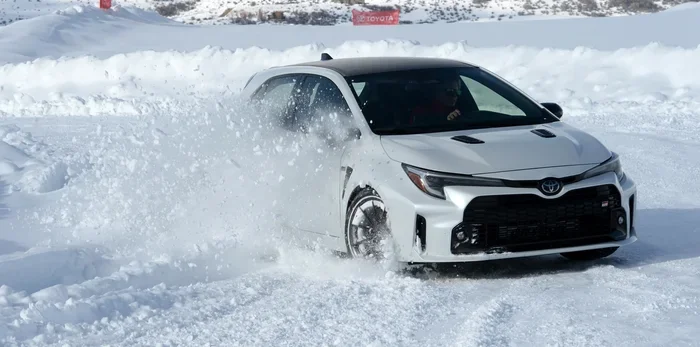
In real-world conditions, Corollas regularly handle snow well. Owners in cities like Chicago, Minneapolis, and Boston report using their Corollas daily through the winter months. With all-season tires, a Corolla can manage light to moderate snow without issues. In deeper snow, you may need to slow down and be gentle with the accelerator, but the car will generally keep moving. The key is to avoid sudden inputs and let the car’s systems do their work.
Some drivers who live in areas with heavy snowfall choose to upgrade to AWD Corolla models. The all-wheel-drive version sends power to all four wheels, which provides even better grip on slippery surfaces. If you ask Are Corollas Good in Snow in regions with harsh winters, the AWD models often get the highest marks. They give drivers extra confidence when roads are covered in ice or packed snow.
Front-Wheel Drive vs. All-Wheel Drive Corolla Models
Understanding FWD Corollas in Snow
Most Corollas sold are front-wheel drive. This means the engine sends power only to the front wheels. In snow, FWD cars can perform well if the driver is smooth with the throttle and steering. The weight over the front wheels helps them grip the road. However, FWD Corollas can understeer in deep snow, meaning the front wheels push wide instead of following the intended path. This is not dangerous if you anticipate it and slow down early.
FWD Corollas also tend to be more fuel-efficient and cheaper to buy than AWD versions. For many drivers, the trade-off is worth it. You get excellent daily driving dynamics and lower running costs, and you accept that very deep snow might require a bit more caution. With proper winter tires, an FWD Corolla can handle most snowy conditions with ease.
AWD Corolla Options and Benefits
The Toyota Corolla All-Wheel Drive is available on certain trim levels, such as the Corolla Hatchback and some sedan trims. AWD sends power to all four wheels, which improves traction on snow and ice. It helps the car accelerate more confidently and reduces understeer. If you live in an area that gets frequent snowstorms, an AWD Corolla can be a game-changer.
AWD does add some weight and a slight reduction in fuel economy, but the safety benefits are significant. You can start, stop, and turn with more confidence when roads are slippery. For drivers who ask Are Corollas Good in Snow and want the best possible performance, the AWD option is worth considering. It makes the Corolla a true all-season car.
Comparison Table: FWD vs AWD Corolla in Snow
| Feature | Front-Wheel Drive Corolla | All-Wheel Drive Corolla |
|---|---|---|
| Traction in Light Snow | Good with proper tires | Excellent |
| Traction in Deep Snow | Fair; may need caution | Very Good |
| Fuel Efficiency | Higher | Slightly Lower |
| Purchase Price | Lower | Higher |
| Understeer in Snow | More noticeable | Reduced |
| Best For | Light snow, daily commuting | Heavy snow, hilly areas |
Winter Tires and Accessories for Corolla Owners
Why Winter Tires Matter
No matter whether you drive a FWD or AWD Corolla, winter tires make the biggest difference in snow. All-season tires are a compromise; they work in many conditions but do not excel in deep cold or ice. Winter tires use a softer rubber compound that stays flexible below 45°F, giving you better grip. The tread pattern is designed to channel snow and slush away from the contact patch. If you want your Are Corollas Good in Snow experience to be positive, investing in a set of winter tires is the single best thing you can do.
You do not need expensive performance winter tires. Many affordable winter tire brands offer excellent snow and ice grip. Look for tires with the Three-Peak Mountain Snowflake symbol, which means they meet severe snow traction standards. A full set of four winter tires is important; mixing winter and all-season tires can cause handling imbalances.
Best Winter Tires for Corolla
Some popular winter tire choices for the Corolla include the Bridgestone Blizzak DM-V2, Michelin X-Ice Xi3, and Continental WinterContact TS 860 P. These tires are known for their grip on ice and packed snow. They fit the Corolla’s wheel size easily and provide a comfortable ride. When you mount winter tires, you will notice a dramatic improvement in braking and acceleration on snowy roads. It is like giving your Corolla a winter upgrade.
Quick Tips for Snow Driving
- Accelerate gently: Smooth throttle inputs prevent wheel spin and keep the car stable.
- Increase following distance: It takes longer to stop on snow, so leave extra space.
- Use lower gears on hills: Manual mode or L gear helps control speed without braking hard.
- Clear all snow from the car: Visibility is essential for safe driving.
- Keep an emergency kit: Blankets, a flashlight, and a small shovel can save you if you get stuck.
Common Mistakes and Expert Insights
Common Mistakes People Make
One of the biggest mistakes drivers make in snow is using cruise control on slippery roads. If your car starts to slide, cruise control can cause sudden acceleration and make the skid worse. Always turn off cruise control when roads are covered in snow or ice. Another mistake is neglecting to check tire pressure. Cold air reduces tire pressure, which can lower traction and increase stopping distance. Check your tire pressure at least once a month during winter.
Some drivers also forget to warm up the car properly. While modern Corollas do not need a long idling warm-up, letting the engine run for 30 seconds to a minute helps the oil circulate. This reduces wear on the engine in cold weather. Finally, do not use the AC to defrost the windshield while the car is still warming up. Wait until the engine reaches operating temperature for best results.
Expert Advice for Cold Weather
Experienced Corolla owners and mechanics often say that preparation is the key to worry-free winter driving. Before the first snowfall, have your battery tested. Cold weather is hard on batteries, and a weak battery can leave you stranded. Check the coolant level and condition, and make sure your windshield wipers are in good shape. These small steps prevent big problems.
If you ever need to jump-start your Corolla in cold weather, the process is similar to any other car. Just be sure to follow the correct cable connection order and let the donor car run for a few minutes before starting. For more details on safe jump-starting in wet or cold conditions, you can refer to our guide on Can You Jump A Car In The Rain. The same safety principles apply when the temperature is below freezing.
Maintenance Tips for Cold Weather Corolla Ownership
Battery and Electrical System
Corollas are known for their reliability, but cold weather puts extra strain on the battery. A battery that works fine in summer might struggle to start the car on a freezing morning. Have a professional test your battery’s cold cranking amps (CCA) rating before winter. If it is more than three years old, consider replacing it proactively. Also, check the alternator and starter motor to ensure they are in good condition.
Corrosion on battery terminals can cause starting problems. Clean any white or greenish buildup with a wire brush and apply dielectric grease to prevent future corrosion. These simple steps keep your Corolla starting reliably all winter long.
Hybrid Corolla Considerations
Hybrid Corollas have some unique cold-weather considerations. The high-voltage battery system is sealed and well-insulated, so it handles cold temperatures well. However, the gasoline engine may run more often in winter to keep the cabin warm and defrost the windshield. This is normal and does not indicate a problem. If you are concerned about energy use, you can read our article on Does Ac Burn Gas In A Hybrid Car to understand how the AC system affects fuel consumption.
Hybrid Corollas also use regenerative braking, which can feel slightly different in slippery conditions. The regenerative braking effect can cause the car to slow down gently when you lift off the accelerator. This is helpful in snow because it reduces the need for hard braking. Just be aware of this feel and adjust your driving accordingly.
Long-Term Winter Care
Wash your Corolla regularly in winter, especially the undercarriage. Road salt and brine can cause rust and corrosion over time. A thorough rinse every two weeks helps protect the body and suspension components. Also, check the condition of your brake pads and rotors. Winter driving can be harder on brakes, so ensure they have enough material left before the harshest weather arrives.
Keep your fuel tank at least half full during winter. This prevents condensation from forming in the fuel lines, which can lead to freezing. A full tank also gives you extra weight over the rear wheels, which can slightly improve traction in rear-wheel-drive scenarios, though the Corolla is FWD or AWD. These small habits add up to a car that stays healthy and dependable through many winters.
Conclusion
The answer to Are Corollas Good in Snow is a clear yes. With the right drivetrain, proper winter tires, and a little driving caution, the Toyota Corolla handles winter roads with confidence. Its reliability, efficiency, and smart engineering make it a trustworthy companion for winter driving. Whether you choose a front-wheel drive model for its economy or an AWD version for extra grip, the Corolla proves itself capable in snow and ice.
Remember that no car is invincible in severe winter storms. Always drive according to conditions, keep your maintenance up to date, and invest in good tires. The Corolla’s track record of dependability extends into the coldest months, and with the tips in this guide, you can enjoy safe and efficient driving all winter long. Embrace the snow, trust your Corolla, and drive with confidence.
Frequently Asked Questions
Can a front-wheel drive Corolla handle heavy snow?
Yes, a front-wheel drive Corolla can handle heavy snow if you use winter tires and drive smoothly. The weight over the front wheels helps with traction, but you should avoid sudden acceleration or sharp turns. In very deep snow, an AWD model will have an easier time, but an FWD Corolla is still capable.
Is the Toyota Corolla hybrid a good car for winter driving?
The Corolla hybrid is excellent for winter driving because it delivers strong torque at low speeds, which helps with snow acceleration. The regenerative braking system also provides gentle deceleration on slippery roads. Just remember that the gasoline engine may run more often in cold weather to heat the cabin.
Do I need winter tires on my Corolla if I have all-wheel drive?
Yes, you should still use winter tires even with AWD. AWD helps distribute power, but it does not improve braking or cornering grip. Winter tires provide the necessary traction on ice and packed snow, making your AWD Corolla even safer in winter conditions.
How cold is too cold for a Toyota Corolla to start?
Modern Corollas can start in temperatures well below zero without issue. The key is a healthy battery and proper engine oil. If your battery is weak or the oil is old, starting can become difficult in extreme cold. Regular maintenance prevents cold-weather starting problems.
Can I use cruise control in snow with my Corolla?
No, you should never use cruise control on slippery surfaces. If your car begins to slide, cruise control can cause unintended acceleration, making the skid worse. Always manually control your speed when driving on snow or ice.
How often should I wash my Corolla in winter?
You should wash your Corolla at least every two weeks during winter, focusing on the undercarriage. Road salt and brine cause corrosion, and regular rinsing removes these harmful substances. A thorough wash helps protect the body, brakes, and suspension components from rust.