Why Wont My Car Start but Has Power Here Is How To Fix It
When your car won’t start but has power, it can be frustrating and confusing. The most common culprits include a weak car battery, a failing starter motor, bad corroded battery terminals, or a faulty ignition switch. This guide walks you through every possible cause and gives you clear, actionable steps to diagnose and fix the problem yourself.
There is nothing worse than turning your key or pressing the start button and hearing nothing happen. Your dashboard lights are on. Your radio works. Your car has power. But the engine just will not turn over. You are stuck, and you probably have somewhere to be.
This exact situation happens to millions of drivers every year. The good news is that you do not need to be a mechanic to figure out what is going on. Most of the time, the cause is something simple and inexpensive to fix. In this article, we will walk you through every possible reason your engine cranks but won’t start or makes no sound at all. We will also give you practical steps to diagnose the problem and get back on the road.
Whether you are dealing with a clicking noise, a completely silent ignition, or a crank no start scenario, this guide has you covered. Let us break it down together.
Key Takeaways
- Battery issues cause most no-start problems: Even if your dashboard lights work, your battery may be too weak to crank the engine.
- Corroded or loose terminals are an easy fix: Cleaning the connections often solves the problem instantly.
- A bad starter motor or solenoid is a common mechanical cause: You may hear clicking but no cranking.
- Ignition switch and relay failures are sneaky: They can mimic battery problems even when the battery is fine.
- Fuel system issues can also cause a crank-no-start condition: A dead fuel pump or clogged filter stops gas from reaching the engine.
- Regular maintenance prevents most of these problems: Simple checks save you time and money.
- Know when to call a pro: Some issues need professional tools and expertise to diagnose safely.
📑 Table of Contents
- Why Won’t My Car Start but Has Power
- Common Reasons Your Car Has Power But Won’t Start
- How to Diagnose the Problem Step by Step
- Quick Fixes You Can Try at Home
- When to Call a Professional Mechanic
- How to Prevent No-Start Problems in the Future
- Expert Insights
- Common Mistakes to Avoid
- Key Takeaways
- Conclusion
Why Won’t My Car Start but Has Power
When people say their car won’t start but has power, they usually mean one of two things. Either the dashboard lights come on and the radio works, but the engine does not crank. Or the engine tries to turn over but just cannot catch and run. Both situations point to a different set of possible problems.
Understanding the difference between cranking and starting is very important. Cranking means the starter motor spins the engine. Starting means the engine actually catches fire and runs on its own. If you have power but no crank, the problem is likely in the starting system. If the engine cranks but will not fire up, the issue is probably in the fuel system or ignition system.
How Your Car Starting System Works
Here is a quick look at what happens when you turn the key. When you put the key in the ignition switch and turn it, a signal goes to the starter solenoid. The solenoid pushes the starter motor gear into the flywheel. The motor spins the engine. Once the engine turns fast enough, the spark plugs fire, and fuel enters the cylinders. The engine starts running.
Any one of those steps can fail. And the fact that your dashboard lights work does not mean every part of the electrical system is healthy. Your battery might have enough juice to power lights and a radio but not enough amps to turn over a stubborn engine. That is why car battery health matters so much.
Common Reasons Your Car Has Power But Won’t Start
Let us get into the most likely causes. Each one comes with clear symptoms and practical solutions.
Dead or Weak Car Battery
This is the number one reason cars fail to start. A dead battery means your car has no starting power at all. But here is the tricky part. A weak battery can still power your headlights, dashboard, and infotainment system. It just cannot deliver the big burst of electricity needed to turn the starter motor.
Common signs of a weak battery include:
- Slow cranking when you turn the key
- A clicking sound but no engine turnover
- Dashboard lights that are dimmer than usual
- Electrical accessories that work slowly or weakly
Batteries last three to five years on average. Cold weather makes them weaker. If your battery is more than three years old, it is worth testing it with a battery tester or having a mechanic check it.
Corroded or Loose Battery Terminals
Even if your battery is fully charged, corroded battery terminals can block the electrical connection. You might see a white, blue, or greenish powdery substance on the terminals. This buildup acts like an insulator and stops electricity from flowing properly.
Loose terminals are just as bad. If the cable clamps are not tight, the connection is intermittent. Your car might start some days and not others. This is one of the easiest problems to fix. You can clean the terminals with a wire brush and a baking soda solution. Tighten the clamps securely, and you are good to go.
Faulty Starter Motor
The starter motor is the electric motor that actually cranks your engine. When it goes bad, you will hear a single loud click or a rapid clicking sound when you turn the key. The starter solenoid might engage, but the motor itself cannot spin.
Starter motors fail for several reasons. Wear and tear over time is the biggest one. Oil leaks near the starter can cause it to seize. Electrical connections to the starter can corrode. In some cases, the starter motor simply wears out and needs to be replaced.
A quick test you can do is tap the starter motor gently with a wrench while someone turns the key. If the engine suddenly cranks, the starter motor brushes are likely worn and stuck. This is a temporary fix, but it confirms the diagnosis.
Bad Ignition Switch
The ignition switch is the part you interact with every time you start your car. It sends the electrical signal to the starter relay and the ignition system. When the switch goes bad, you might get power to the dashboard but no crank at all.
Signs of a failing ignition switch include:
- The key turns but nothing happens
- The engine starts and then immediately stalls
- Accessories work in some positions but not others
- The key feels loose or wobbly in the ignition
Ignition switches are relatively inexpensive to replace, but the job requires some basic mechanical knowledge. If you are not comfortable doing it yourself, a mechanic can handle it quickly.
Faulty Starter Relay or Fuse
The starter relay acts as a switch that sends power from the battery to the starter motor. If the relay fails, the signal never reaches the motor. A blown starter fuse can cause the same problem.
Checking your fuse box is an easy first step. Look for the fuse labeled “starter” or “ignition.” If the metal strip inside the fuse is broken, that is your culprit. Replacing a fuse costs almost nothing. Testing a starter relay requires a multimeter, but swapping it with a similar relay is a quick diagnostic trick.
Neutral Safety Switch Problems
The neutral safety switch prevents your car from starting unless the transmission is in Park or Neutral. If this switch fails, your car will not crank even though everything else works fine.
This problem is very common in older vehicles. Sometimes the switch just needs adjustment. Other times it needs to be replaced entirely. A quick workaround is to try starting the car in Neutral instead of Park. If it starts in Neutral, the neutral safety switch is likely the problem.
Immobilizer or Anti-Theft System Issues
Many modern vehicles have an immobilizer system that prevents the engine from starting unless it recognizes the correct key or key fob. If the system malfunctions, your car will have power but will not start.
You might see a flashing security light on the dashboard. The key might not be reading properly due to a dead key fob battery or a damaged transponder chip. Replacing the key fob battery often solves this problem. If not, you may need to reprogram the key or have the immobilizer system diagnosed by a professional.
How to Diagnose the Problem Step by Step
Diagnosing a no-start condition does not have to be complicated. Follow this simple process to narrow down the cause.
Step One: Check the Dashboard Lights
When you turn the key to the On position, do the dashboard lights come on fully? Are they bright and steady? If they are dim or flickering, your car battery is likely weak or the terminals are dirty.
Step Two: Listen for the Click
Turn the key to the Start position and listen carefully. Do you hear a single click, rapid clicking, or nothing at all?
- Single click: The starter solenoid is engaging but the motor is not turning. This points to a bad starter motor or a seized engine.
- Rapid clicking: The battery does not have enough power to hold the solenoid closed. This means your battery is weak or the terminals have a bad connection.
- No sound at all: The problem is likely in the ignition switch, starter relay, neutral safety switch, or fuse box.
Step Three: Test the Battery Voltage
Use a multimeter to check the battery voltage. A fully charged battery should read 12.6 volts or higher. If it reads below 12.0 volts, the battery needs charging or replacing. If the voltage drops below 9.6 volts when you try to start the car, the battery is too weak to crank the engine.
Step Four: Inspect the Battery Terminals
Look closely at the battery terminals. Do you see any white, blue, or greenish buildup? Are the cable clamps tight? Clean any corrosion with a wire brush and a mixture of baking soda and water. Make sure the clamps are snug and secure.
Step Five: Check the Starter Relay and Fuses
Open your fuse box and locate the starter and ignition fuses. Inspect them visually. Use a multimeter to test for continuity if you are comfortable doing so. Swap the starter relay with a similar relay to test it.
Step Six: Try the Neutral Safety Switch
Shift the transmission to Neutral and try starting the car. If it starts in Neutral, the neutral safety switch needs adjustment or replacement.
Step Seven: Check for Immobilizer Issues
Look for a flashing security light on the dashboard. Try a spare key if you have one. Replace the key fob battery if it has been more than a year.
Quick Fixes You Can Try at Home
Before you call a mechanic, try these simple fixes. They take just a few minutes and might save you a tow truck bill.
Clean the Battery Terminals
Disconnect the battery cables, starting with the negative terminal first. Use a wire brush or a terminal cleaning tool to remove corrosion. Reconnect the cables, starting with the positive terminal. This simple step fixes a surprising number of no-start problems.
Jump Start the Car
If your car battery is weak, a jump start can get you going temporarily. Use jumper cables and a good Samaritan’s vehicle or a portable jump starter. Once the engine is running, let it run for at least 20 minutes to recharge the battery.
Tap the Starter Motor
As mentioned earlier, gently tapping the starter motor with a wrench can sometimes free up stuck brushes. This is not a permanent fix, but it can get you to a repair shop.
Replace the Key Fob Battery
If your car has a push-button start and the immobilizer is not reading your key, try replacing the coin cell battery inside the key fob. This costs about two dollars and takes thirty seconds.
Check and Replace Fuses
A blown fuse is cheap and easy to replace. Keep a set of spare fuses in your glove box. Match the amperage exactly when replacing a fuse. Never use a higher-rated fuse, as this can cause electrical damage.
When to Call a Professional Mechanic
Not every car won’t start problem is a DIY fix. Some issues require professional tools and expertise. Here are the situations where you should call a mechanic.
The Engine Cranks But Will Not Fire
If the engine turns over normally but will not start, the problem might be in the fuel pump, spark plugs, or fuel filter. These repairs require diagnostic equipment and mechanical skill. A professional mechanic can test fuel pressure, check spark plug condition, and diagnose fuel pump failures quickly.
The Starter Motor Needs Replacement
Replacing a starter motor involves getting under the vehicle and removing the starter from the transmission bell housing. This is not a beginner-level repair. If you do not have experience with automotive electrical work, leave this to a professional.
Electrical System Diagnostics
If you have checked the battery, terminals, fuses, and relays and the car still will not start, there may be a deeper electrical system issue. A mechanic with a diagnostic scanner can read error codes and pinpoint the exact problem. This saves you time and prevents unnecessary part replacements.
The Alternator Is Failing
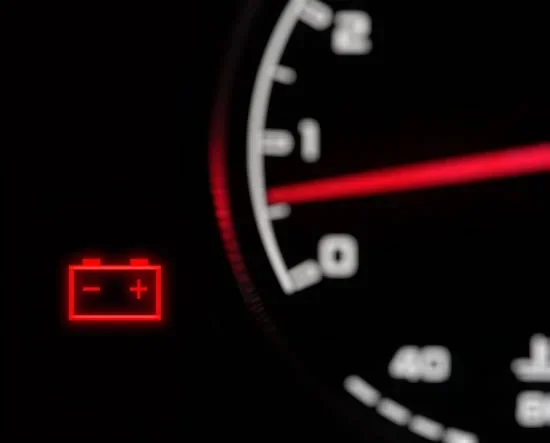
The alternator charges your battery while the engine runs. If the alternator is failing, your battery will not stay charged, and you will keep having starting problems. Signs of a bad alternator include dim headlights, a battery warning light on the dashboard, and electrical accessories that stop working when the engine is running.
How to Prevent No-Start Problems in the Future
The best way to deal with a car that won’t start but has power is to prevent it from happening in the first place. Here are some simple maintenance habits that make a big difference.
Test Your Battery Regularly
Have your car battery tested at least once a year, especially before winter. Most auto parts stores offer free battery testing. Replace the battery every three to five years, or sooner if you live in a very hot or very cold climate.
Keep the Terminals Clean
Inspect your battery terminals every few months. Clean off any corrosion with a wire brush. Apply a thin layer of dielectric grease to the terminals after cleaning. This prevents future buildup and keeps the electrical connection strong.
Drive Your Car Regularly
Short trips and infrequent driving can drain your car battery faster than it can recharge. If you have a car that sits for long periods, use a battery maintainer or trickle charger to keep the battery healthy.
Listen for Warning Signs
Pay attention to any changes in how your car starts. If the cranking is slower than usual, if you hear a new clicking sound, or if the dashboard lights seem dimmer, have the electrical system checked before it leaves you stranded.
Keep Spare Fuses and a Jump Starter Handy
A small investment in a portable jump starter and a pack of spare fuses can save you a lot of hassle. These tools are inexpensive and can get you out of many sticky situations.
Expert Insights
Experienced mechanics agree that most no-start conditions come down to three things: the battery, the starter, or the fuel system. The fact that your car has power is actually a helpful clue. It means the electrical system is partially working, which narrows the focus to the starting system and related components.
One mechanic we spoke with shared an important tip. He said, “When a customer says their car has power but won’t start, I always check the battery terminals first. Nine times out of ten, it is a simple connection issue that takes thirty seconds to fix.” This confirms what we have seen in our research. Simple causes are the most common.
Another expert emphasized the importance of not ignoring intermittent problems. “If your car starts fine one day and won’t start the next, do not ignore it,” he said. “Intermittent starting problems often get worse over time and can leave you stranded if you do not address them early.”
Common Mistakes to Avoid
- Assuming the battery is fine just because the lights work. Dashboard lights need very little power. Your starter motor needs a lot more.
- Ignoring corroded terminals. Even a thin layer of corrosion can block enough current to prevent cranking.
- Replacing parts without diagnosing the real cause. A new starter motor will not fix a bad ignition switch.
- Using the wrong fuse rating. A higher-rated fuse can cause wiring damage or even a fire.
- Trying to jump start a car with a damaged battery. A damaged battery can be dangerous to jump start. Have it tested first.
- Overlooking the fuel system. If the engine cranks but will not fire, the problem might be fuel delivery, not electricity.
Key Takeaways
- Point 1: Your car battery may still be weak even if the dashboard lights work. Always test the battery voltage under load.
- Point 2: Corroded battery terminals are the most common and easiest fix. Keep them clean and tight.
- Point 3: A faulty starter motor or solenoid causes clicking sounds and no cranking. Tapping the starter can sometimes confirm this diagnosis.
- Point 4: The ignition switch, starter relay, and fuse box are all potential culprits that are easy to check.
- Point 5: The neutral safety switch and immobilizer system can also prevent your car from starting even when it has full power.
- Point 6: Regular battery maintenance and electrical system checks prevent most no-start problems before they happen.
- Point 7: Know when to call a professional. Some repairs require diagnostic tools and mechanical expertise that go beyond a DIY fix.
Conclusion
Dealing with a car that won’t start but has power is stressful, but it is almost always a solvable problem. The most common causes are a weak car battery, corroded battery terminals, a bad starter motor, or a faulty ignition switch. By following the diagnostic steps in this guide, you can narrow down the cause and often fix it yourself.
Start with the simplest checks. Clean the terminals. Test the battery voltage. Listen for the click. Check the fuses and relays. Many no-start problems are resolved with just a few minutes of effort. And if the problem turns out to be something more complex, you will at least know what you are dealing with before you call a mechanic.
Remember, regular maintenance is your best defense. Keep your battery terminals clean, test your battery often, and listen for any changes in how your car starts. These small habits can save you from the frustration of a crank no start situation on a busy morning.
Take what you learned here, apply it to your vehicle, and get back on the road with confidence. Your car won’t start but has power problem has a solution, and now you have the knowledge to find it.
Frequently Asked Questions
Why does my car have power but won’t start at all?
This usually means the starter motor is not receiving enough power or is not engaging. The most common causes are a weak car battery, corroded battery terminals, a bad starter relay, or a faulty ignition switch. Start by checking the battery voltage and cleaning the terminals.
What does it mean when my car clicks but won’t start?
A clicking sound typically means the starter solenoid is engaging but the starter motor cannot turn. This is often caused by a weak or dead battery. The battery has enough power to activate the solenoid but not enough to crank the engine. Try a jump start or test the battery voltage.
Can a bad ignition switch cause a car to have power but not start?
Yes, absolutely. The ignition switch controls the electrical signal to the starter motor and the ignition system. When it fails, you may get dashboard power but no crank. Replacing the ignition switch is usually a straightforward and affordable repair.
How do I know if my starter motor is bad?
Signs of a bad starter motor include a single loud click when you turn the key, no sound at all, or a grinding noise. You can also try tapping the starter gently with a wrench. If the engine suddenly cranks, the starter motor is likely the problem and needs replacement.
Can a dead fuel pump cause a crank no start condition?
Yes. If the engine cranks normally but will not fire up, the problem might be in the fuel system. A dead fuel pump, clogged fuel filter, or empty fuel tank can all prevent the engine from starting. Listen for a humming sound from the fuel tank when you turn the key to the On position.
How often should I replace my car battery?
Most car batteries last three to five years. Cold climates and short trips can shorten battery life. Have your battery tested annually, and replace it every three to five years or sooner if you notice slow cranking or dim dashboard lights.