Why Is My Power Liftgate Not Working Anymore Today
A power liftgate that stops working can turn a simple loading job into a frustrating experience. Whether the liftgate won’t open, won’t close, or just hangs there doing nothing, the cause usually comes down to a few common culprits. Power liftgate not working issues often trace back to electrical faults, worn-out motors, faulty sensors, or a blown fuse. This guide walks you through every possible reason and gives you clear steps to diagnose and fix the problem yourself. By the end, you will know exactly what to check, what to replace, and when to call a pro.
You walk up to your truck or SUV, arms full of groceries, and press the button on your key fob. Nothing happens. You try again. Still nothing. Your power liftgate not working is one of those annoying problems that hits you at the worst possible moment. It is frustrating, inconvenient, and honestly a little scary when you do not know what caused it.
The good news is that most power liftgate failures come down to a handful of common causes. Power liftgate troubleshooting is simpler than you might think. Many issues are easy to fix with basic tools and a little patience. This guide covers every reason your liftgate might have gone silent, how to diagnose the problem, and what steps to take next. Let us get into it.
Key Takeaways
- Blown fuse or relay: A simple fuse issue is the most common reason a power liftgate stops working.
- Faulty liftgate motor: Over time, the motor wears out and needs replacement.
- Sensor or module failure: The control module or sensors can fail due to moisture or age.
- Wiring problems: Corroded or damaged wiring is a frequent hidden cause.
- Key fob or switch issues: A dead battery in the fob or a broken switch can disable the liftgate.
- DIY troubleshooting works: Many liftgate problems can be fixed at home with basic tools.
- Know when to call a pro: Complex electrical or mechanical failures need a trained technician.
📑 Table of Contents
Common Reasons Your Power Liftgate Stops Working
When your liftgate not responding, the root cause usually falls into one of several categories. Understanding these categories helps you narrow down the problem fast. Here are the most common reasons a power liftgate fails.
Blown Fuse or Tripped Relay
The first thing you should check when your power liftgate not working is the fuse box. A blown fuse cuts power to the entire liftgate system. Relays control the flow of electricity, and a tripped relay will also stop the liftgate from operating. Most vehicles have a dedicated fuse for the liftgate. Check your owner’s manual to find the exact location. A blown fuse is cheap and easy to replace. However, if the new fuse blows again, you have a deeper electrical problem to investigate.
Dead Key Fob Battery
It sounds too simple, but a dead key fob battery is one of the top reasons people think their liftgate motor has failed. The liftgate relies on a signal from the key fob to activate. If the battery is dead, no signal gets sent. Try replacing the fob battery first. Most key fobs use a small CR2032 coin cell battery. This fix takes less than a minute and costs almost nothing.
Worn-Out Liftgate Motor
The liftgate motor is the muscle behind the entire operation. Over time, the motor wears out from repeated use. A worn liftgate motor will struggle to lift the gate, make grinding noises, or stop working entirely. Motors typically last many years, but heavy use or exposure to moisture can shorten their lifespan. Replacing a liftgate motor is a moderate repair that a handy DIYer can handle.
Faulty Liftgate Switch
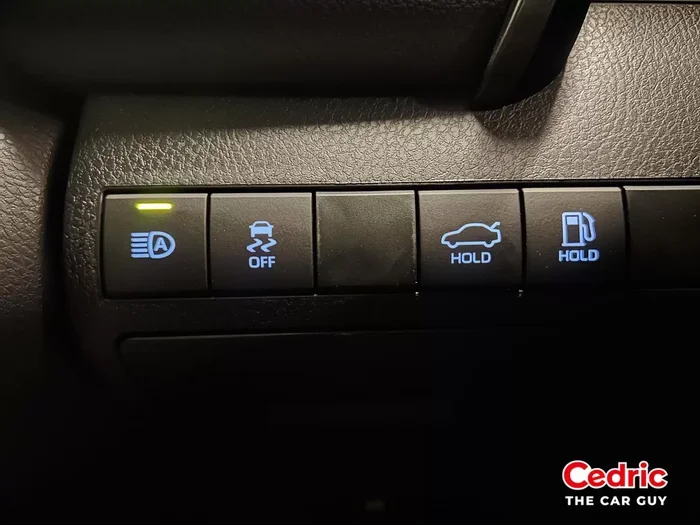
The switch on the liftgate itself or the button inside the vehicle sends the signal to open or close. A broken or corroded switch will prevent the liftgate from responding. Sometimes the switch gets stuck or develops internal wear. You can test the switch with a multimeter to see if it sends voltage when pressed. If it does not, a replacement switch solves the problem quickly.
Liftgate Stuck in One Position
Sometimes the liftgate gets stuck either fully open or fully closed. This happens when the liftgate control module loses track of the gate’s position. A reset usually fixes this. Most vehicles have a specific reset procedure in the owner’s manual. The reset often involves holding the liftgate button for several seconds or using the key fob in a specific sequence.
Electrical and Wiring Problems
Modern vehicles rely heavily on electrical systems, and the power liftgate wiring is no exception. Electrical issues are sneaky because they do not always show obvious signs. Here are the most common electrical problems that cause a liftgate not working.
Corroded Wiring Connectors
The wiring harness that connects the liftgate to the vehicle runs through a flexible boot near the rear of the car. This area is exposed to road salt, water, dirt, and debris. Over time, the connectors corrode. Corrosion interrupts the electrical signal between the control module and the liftgate motor. You can inspect the connectors by lowering the liftgate and looking for green or white buildup on the plug terminals. Cleaning the connectors with electrical contact cleaner often restores function.
Damaged Wiring Harness
The liftgate wiring harness bends and flexes every time you open and close the gate. Eventually, the internal wires can break or fray. A damaged harness causes intermittent failures or a complete loss of power. If you wiggle the harness and the liftgate starts working, you have found your problem. Replacing the harness is the permanent fix. You can also temporarily splice a repair, but a full replacement is always the better long-term solution.
Ground Wire Issues
Every electrical component needs a solid ground connection. A loose or corroded ground wire on the liftgate system will cause all sorts of strange behavior. The liftgate might work sometimes and not others. It might open but not close, or vice versa. Checking the ground wire is a quick diagnostic step that many people skip. Look for the ground point near the rear bumper and make sure the connection is tight and clean.
Liftgate Warning Light on the Dashboard
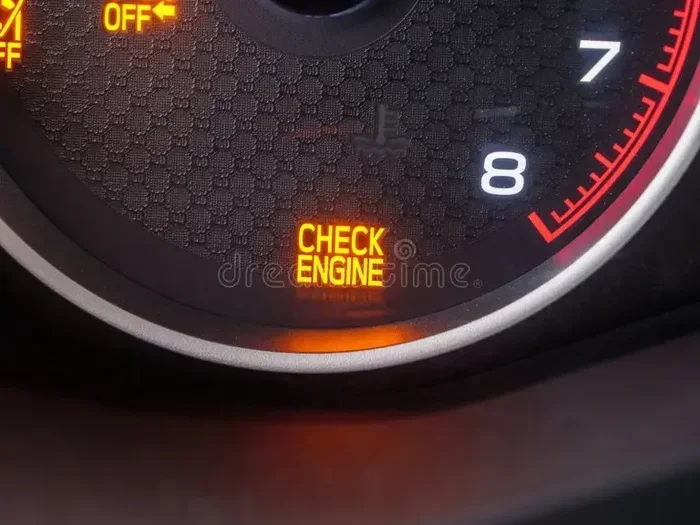
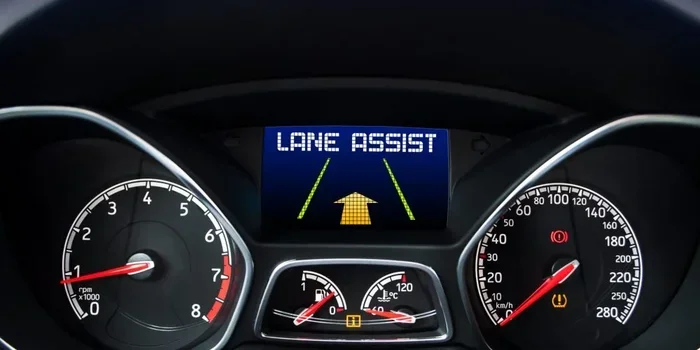
Some vehicles display a liftgate warning light on the dashboard when something goes wrong. This light is your first clue that the liftgate module has detected a fault. The warning could point to a sensor issue, a motor problem, or a wiring fault. Do not ignore this light. Using a diagnostic scanner to read the error codes will tell you exactly what the system is flagging.
Mechanical Failures in the Liftgate System
Not every liftgate problem is electrical. Mechanical parts wear out, break, and need replacement. Here are the mechanical causes behind a power liftgate not working.
Liftgate Actuator Problems
The actuator is the device that physically moves the liftgate up and down. It works hand in hand with the motor. A failing actuator will make clicking sounds, move slowly, or stop altogether. Water can get inside the actuator and cause internal damage. Rust and corrosion also take a toll. Replacing an actuator is a straightforward repair, but you need to match the part to your specific vehicle make and model.
Hinge and Track Damage
The liftgate moves along a track system and pivots on hinges. If the hinges become loose, bent, or rusted, the gate will not operate smoothly. Debris can also get stuck in the track and block movement. Inspect the hinges and tracks regularly. Lubricating them with a silicone-based grease keeps everything moving freely and prevents premature wear.
Liftgate Not Closing Properly
A liftgate that will not close is more than just annoying. It is a safety hazard. The most common reason a liftgate not closing is a misaligned latch or a worn latch mechanism. The latch needs to engage properly for the liftgate to signal that it is shut. If the latch is damaged, the liftgate might open again while driving. Adjusting or replacing the latch solves this problem.
Emergency Release Cable Issues
Every power liftgate has an emergency release cable for manual operation. If someone accidentally pulls the release cable, the liftgate disengages from the motor. The gate will not respond to the button or the key fob until the release is re-engaged. Check to make sure the emergency release is fully seated. This is an easy fix that people often overlook.
Sensor and Module Issues
The liftgate control module is the brain of the system. It receives signals from the key fob, the interior switch, and the safety sensors. When something goes wrong in this chain, the entire system fails.
Obstacle Detection Sensor Failure
Most modern power liftgates have obstacle detection sensors. These sensors prevent the gate from closing on objects or people. A faulty sensor will either keep the liftgate from closing at all or cause it to reverse randomly. Dirt, snow, or ice on the sensors can also trigger false readings. Cleaning the sensors is the first step. If cleaning does not help, the sensor likely needs replacement.
Liftgate Control Module Reset
Sometimes the liftgate module just needs a reset. A reset clears any error codes and restores normal operation. The reset process varies by vehicle, so consult your owner’s manual. In many cases, you disconnect the battery for a few minutes, reconnect it, and then test the liftgate. A reset is a free and easy first step before moving on to more involved repairs.
Water Damage to the Module
The liftgate control module is often mounted near the rear of the vehicle where it is exposed to moisture. Water intrusion can short out the module or cause corrosion on the circuit board. A water-damaged module will need to be replaced. Keeping the rear of the vehicle clean and ensuring drain holes are not clogged helps prevent water damage.
Power Liftgate Not Working After Battery Replacement
If you recently replaced your vehicle battery and the power liftgate not working afterward, you are not alone. A new battery can sometimes reset the vehicle’s computer systems, including the liftgate module. The system may need to relearn the liftgate position. Refer to your owner’s manual for the relearning procedure. This usually involves a simple sequence of button presses.
How to Troubleshoot Your Power Liftgate
Before you spend money on parts or labor, try these troubleshooting steps. Many power liftgate problems have simple solutions that anyone can do at home.
Step 1: Check the Fuse
Locate the fuse box and find the liftgate fuse. Pull it out and inspect it. If the metal strip inside is broken, the fuse is blown. Replace it with a new fuse of the same amperage. This is the single easiest fix for a liftgate not responding.
Step 2: Replace the Key Fob Battery
Swap out the battery in your key fob. Use a fresh CR2032 battery. Test the liftgate immediately after replacing the battery. This solves the problem more often than you might expect.
Step 3: Inspect the Wiring
Look at the wiring harness near the liftgate. Check for loose connections, corroded terminals, or visible damage. Clean any corrosion with electrical contact cleaner. Tighten any loose connectors.
Step 4: Reset the Liftgate Module
Disconnect the vehicle battery for five to ten minutes. Reconnect it and try the liftgate. If the gate still does not work, proceed to the next step.
Step 5: Listen for Sounds
Press the liftgate button and listen carefully. Do you hear a clicking sound? A humming sound? Silence? Each sound tells you something different. A click often points to a relay or switch issue. A hum suggests the motor is trying to run but cannot. Silence usually means a dead fuse, a broken switch, or a wiring problem.
Step 6: Consult a Diagnostic Scanner
If the basic steps do not work, plug a diagnostic scanner into the OBD-II port. The scanner will read error codes from the liftgate control module. These codes point you directly to the faulty component. Many auto parts stores offer free diagnostic scanning.
When to Call a Professional Mechanic
Not every power liftgate repair is a DIY job. Some problems require professional tools, expertise, or specialized parts. Here are the signs that it is time to call a mechanic.
- You have checked the fuse, switch, and wiring, but the liftgate still does not work. This suggests a deeper electrical or module issue.
- The liftgate motor makes grinding or screeching noises. Internal motor damage needs professional diagnosis.
- The control module has water damage or burned components. Module replacement requires technical skill.
- Error codes point to a complex electrical fault. A mechanic can trace the wiring and pinpoint the exact problem.
- You are not comfortable working with electrical systems. Safety always comes first.
The average power liftgate repair cost ranges from $150 for a simple fuse replacement to $500 or more for a motor or module replacement. The exact cost depends on your vehicle, the parts needed, and your local labor rates. Always ask for a detailed estimate before approving any repair work.
Preventing Future Liftgate Problems
Once you fix your power liftgate not working issue, you want to keep it from happening again. Regular maintenance goes a long way in preventing future failures.
- Keep the liftgate clean: Wash the rear of your vehicle regularly, especially in winter when road salt is present.
- Lubricate the hinges and tracks: Apply silicone grease every few months to keep the mechanism smooth.
- Check the wiring annually: Inspect the harness and connectors for signs of corrosion or wear.
- Replace the key fob battery yearly: A fresh battery prevents signal issues before they start.
- Avoid slamming the liftgate: Slamming puts stress on the motor, hinges, and latch. Always close it gently.
Key Takeaways
- Blown fuse or relay: A simple fuse issue is the most common reason a power liftgate stops working.
- Dead key fob battery: A dead fob battery prevents the signal from reaching the liftgate system.
- Worn liftgate motor: The motor wears out over time and needs replacement.
- Corroded wiring: Moisture and debris cause corrosion that interrupts electrical signals.
- Faulty sensors or module: Obstacle sensors and the control module can fail and need resetting or replacement.
- DIY troubleshooting works: Many problems are solved with a fuse check, battery swap, or module reset.
- Know when to call a pro: Complex electrical or mechanical failures need a trained technician.
Conclusion
A power liftgate not working is a hassle, but it is almost always a fixable problem. The most common causes are blown fuses, dead key fob batteries, worn motors, and corroded wiring. By following the troubleshooting steps in this guide, you can save time and money. Start with the simple fixes and work your way up to more complex diagnostics. Most importantly, do not panic. Your liftgate is probably not broken beyond repair. With the right approach, you will have that tailgate opening and closing smoothly again in no time. If the problem persists, a professional mechanic can get to the bottom of it quickly. Keep this guide handy for your next power liftgate troubleshooting session.
Frequently Asked Questions
Why did my power liftgate suddenly stop working?
A sudden failure is usually caused by a blown fuse, a dead key fob battery, or a wiring issue. Check the fuse box first, then the fob battery. These two simple checks solve the problem in most cases.
Can I still use my liftgate if the power is not working?
Most power liftgates have a manual release cable. Pull the emergency release to open the gate by hand. Always refer to your owner’s manual for the correct procedure for your specific vehicle.
How much does it cost to repair a power liftgate?
Repair costs range from $50 for a fuse replacement to $500 or more for a motor or control module. The exact cost depends on the vehicle make and model and the specific part that needs replacement.
Is it safe to drive with a broken liftgate?
It is generally safe, but a liftgate that is not latched properly can open while driving. Make sure the gate is securely closed or tied down before driving. Fix the issue as soon as possible.
Can water damage cause a liftgate to stop working?
Yes, water damage is a common cause of liftgate failure. Moisture can corrode wiring, short out the control module, and damage the actuator. Keeping the rear of the vehicle clean and dry helps prevent water-related issues.
How do I reset my power liftgate after a battery change?
Disconnect the vehicle battery for five to ten minutes, then reconnect it. Consult your owner’s manual for the specific relearning procedure. Most vehicles require a sequence of button presses to reset the liftgate position.